It was one of those brilliantly clear autumn mornings at Taudaha on the southern outskirts of Kathmandu. This historical pond is regarded as the last remnant of the lake that once covered Kathmandu Valley, where the serpents are still supposed to live.
We do not know about serpents. But Taudaha is an important stopover for migratory waterfowl en route from as far away as Siberia to the plains of the Subcontinent.
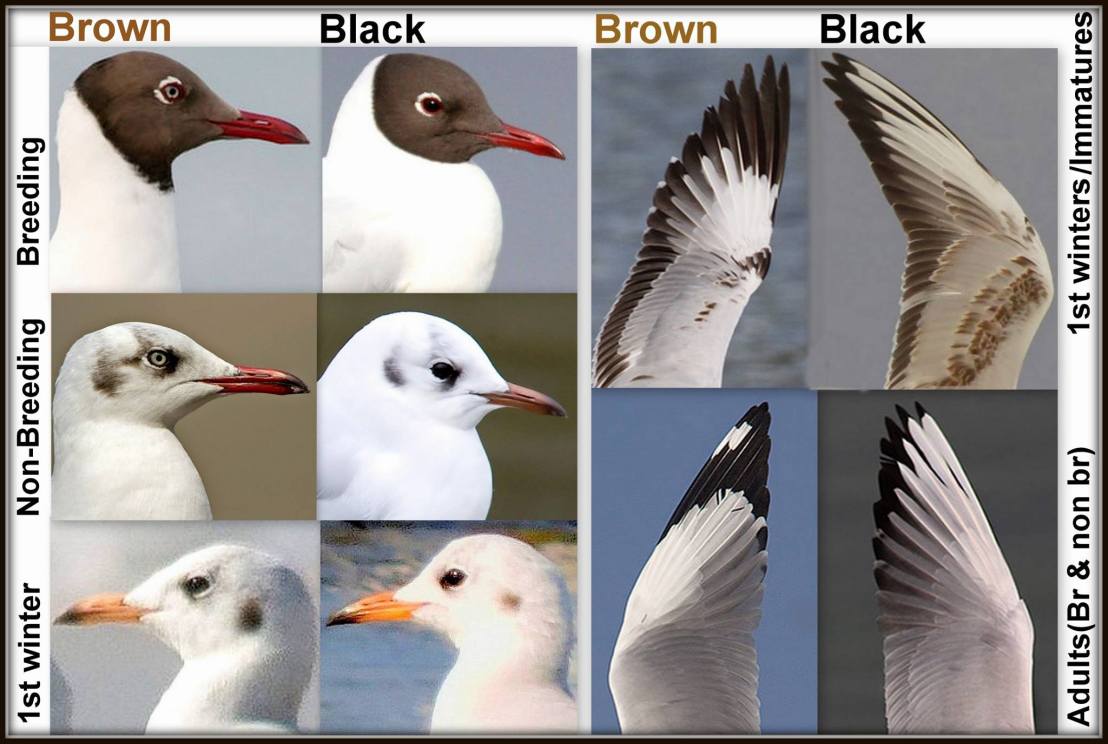
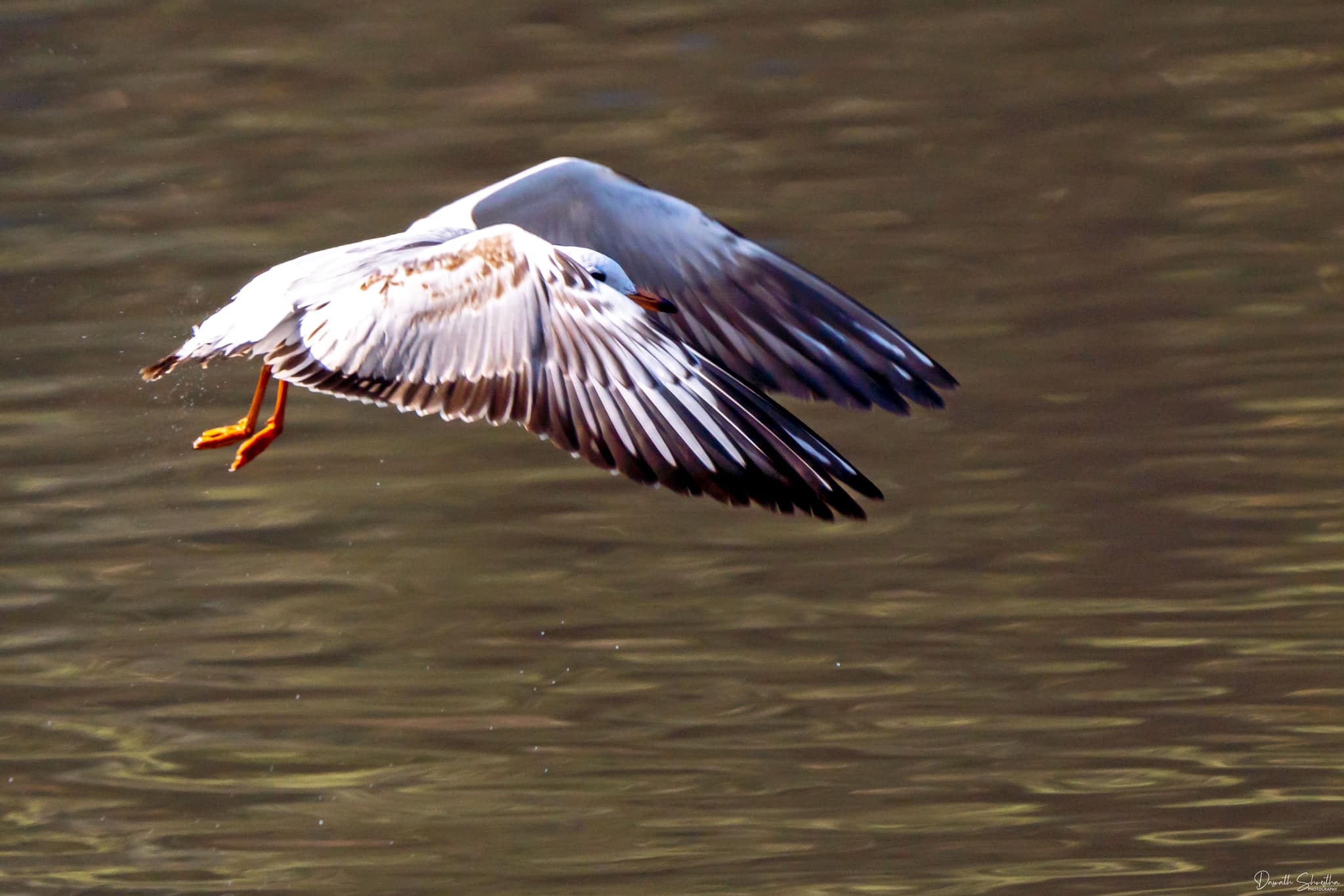
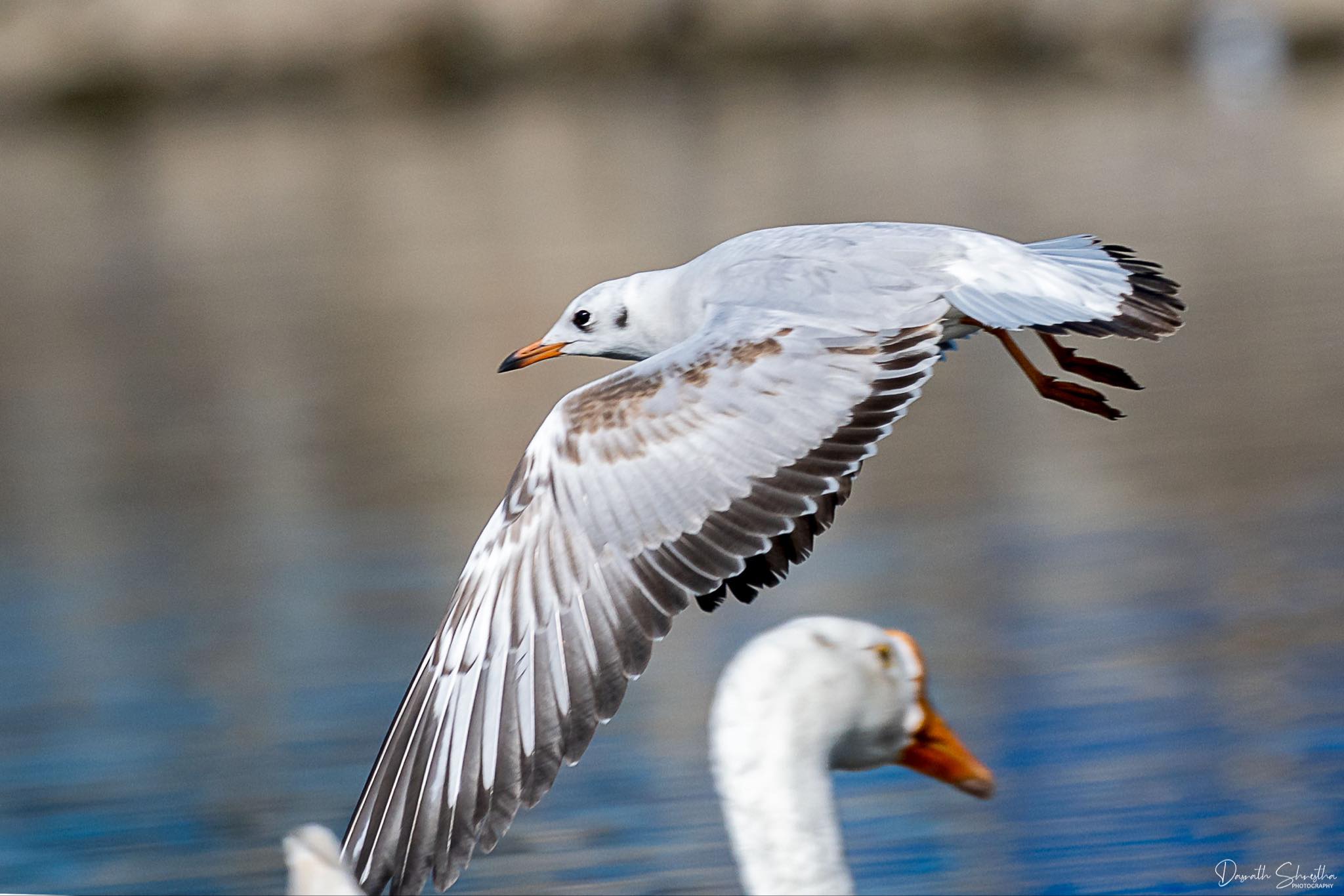
While bird-watching at Taudaha in late November, I saw a gull feeding near flocks of other waterfowl that had just flown in from the north. I could not make out through my zoom lens whether it was the Black-Headed, or Brown-Headed Gull. But this was an exciting sighting, and I clicked several shots.
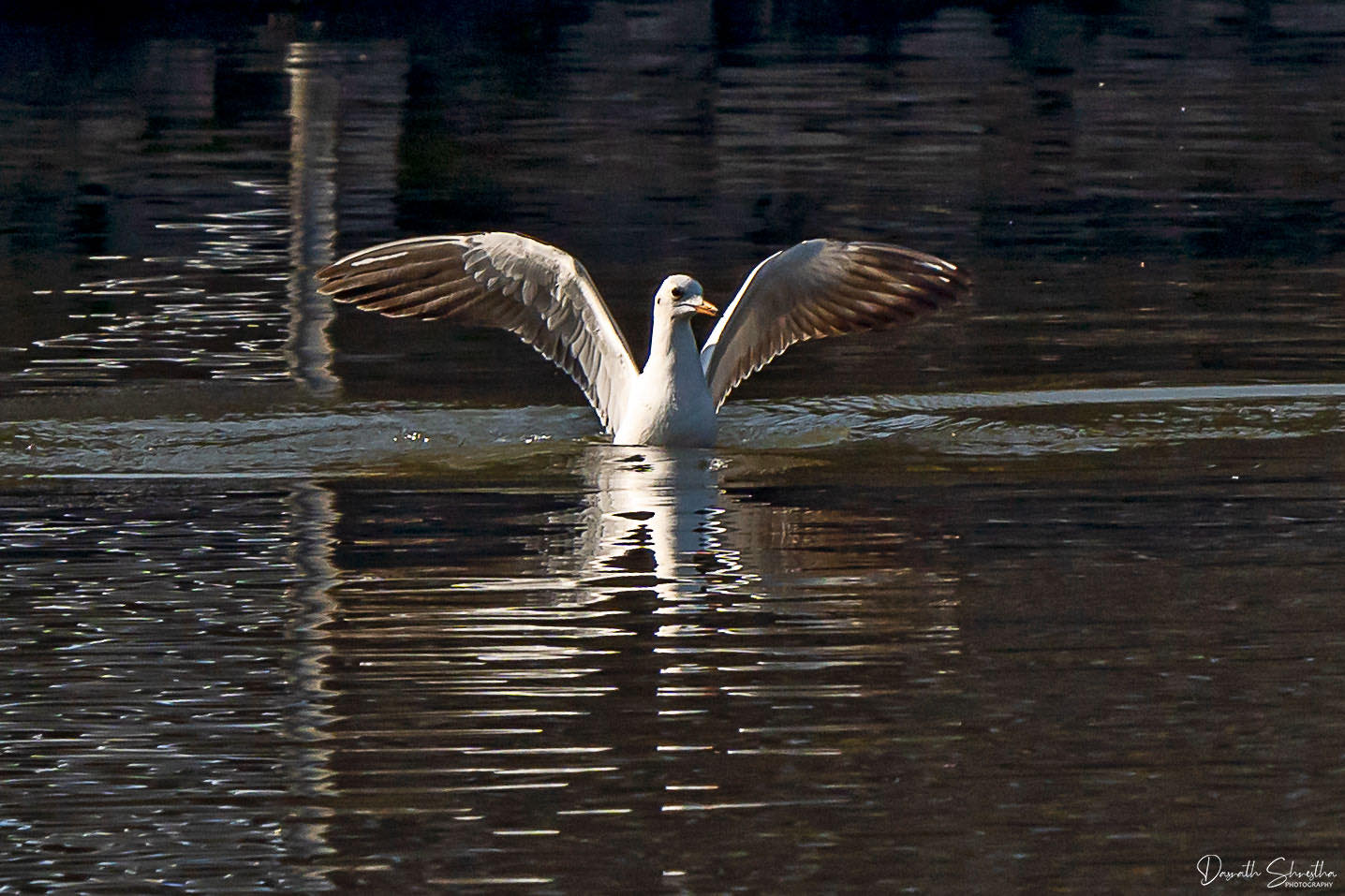
About a dozen migratory duck species are sighted in Taudaha every winter, including the Common Coot, Common Moorhen, Little Cormorant, Oriental Darter. In summer, the Brown-Headed Gull breeds in the high plateau of central Asia from Tajikistan to Inner Mongolia. In winter, its migrates south, crosses the Himalaya along the river valleys to winter in the lakes of the Subcontinent. According to one satellite tracking research it travels 2,400 km in two weeks.