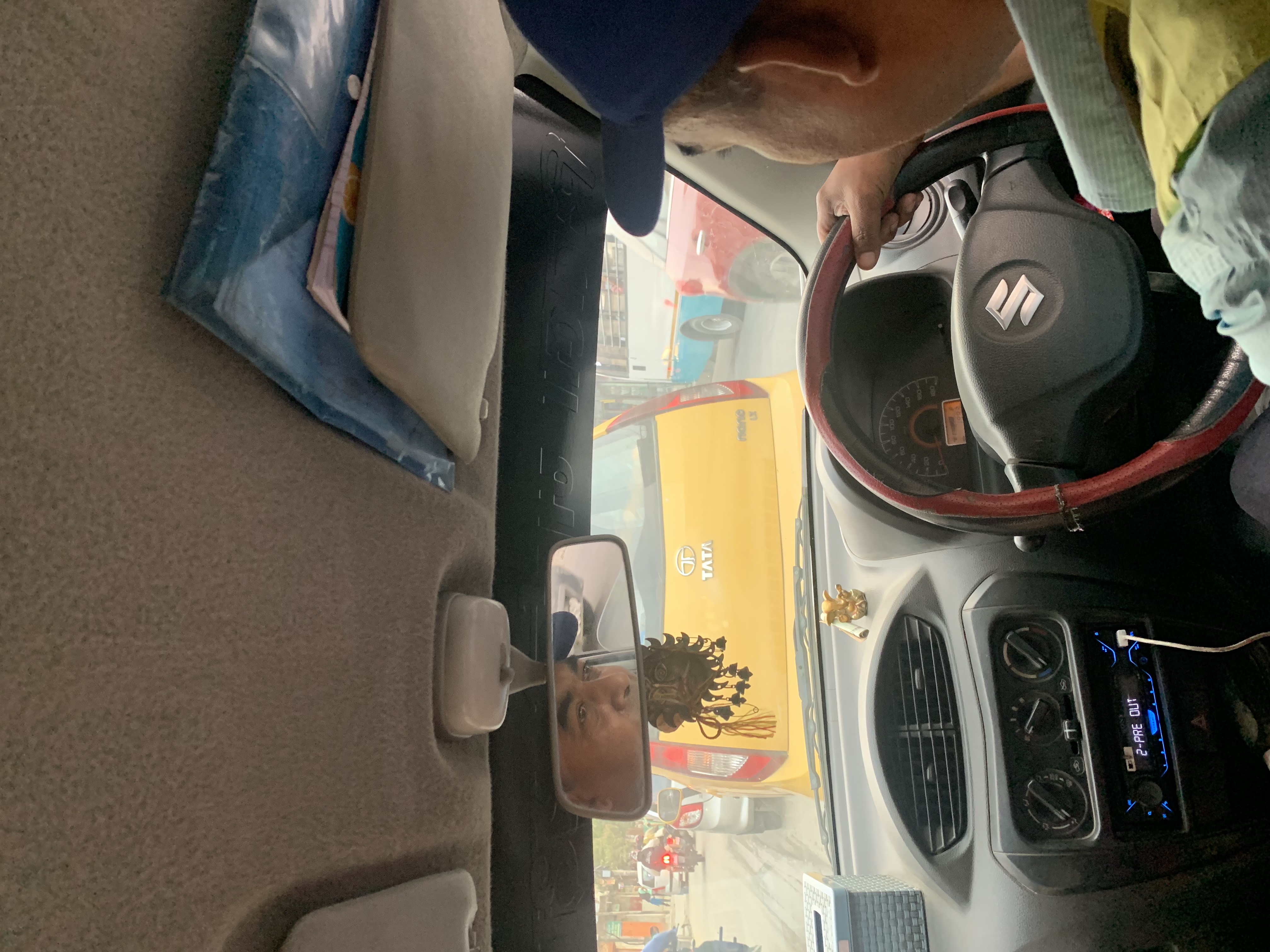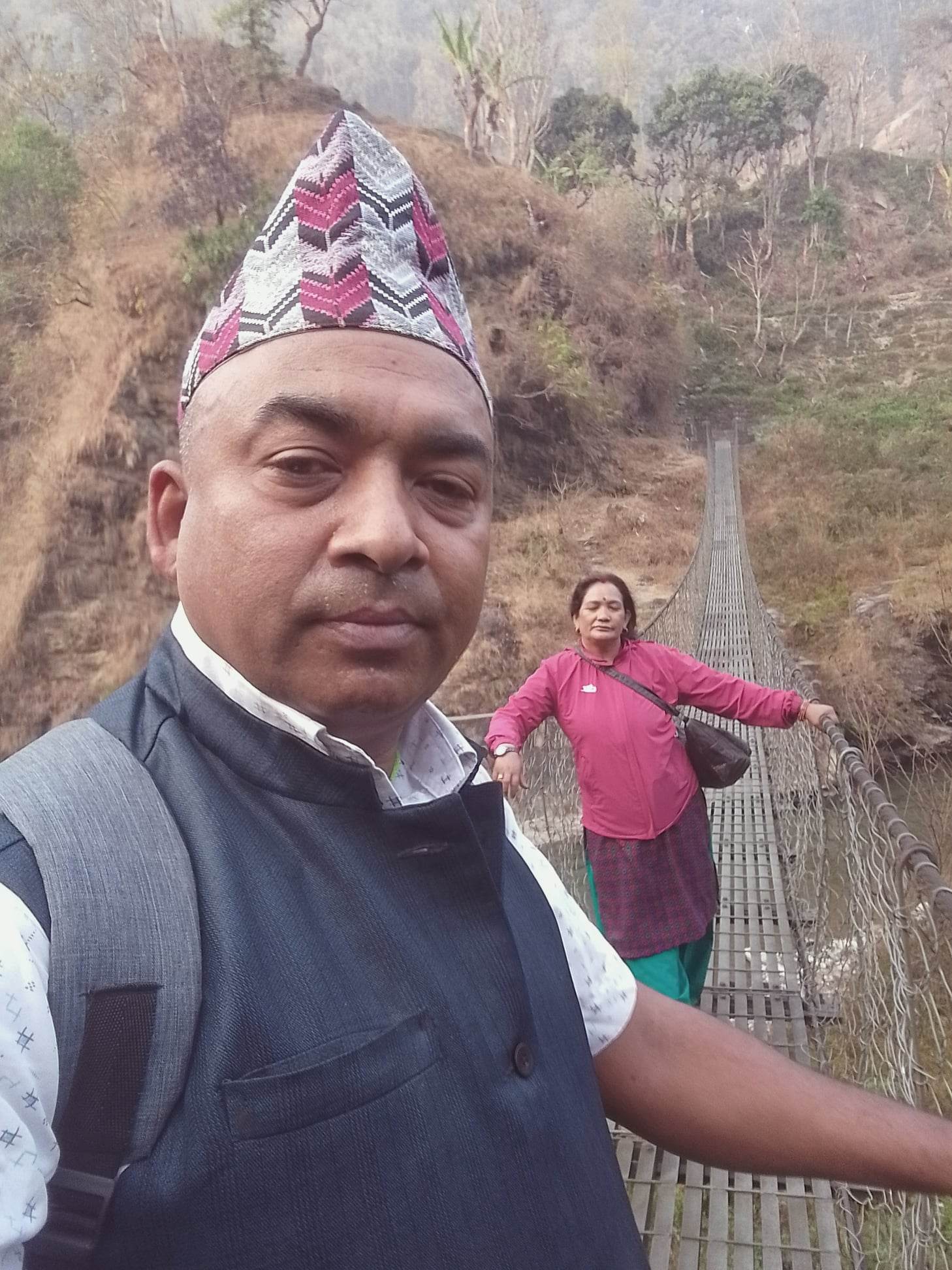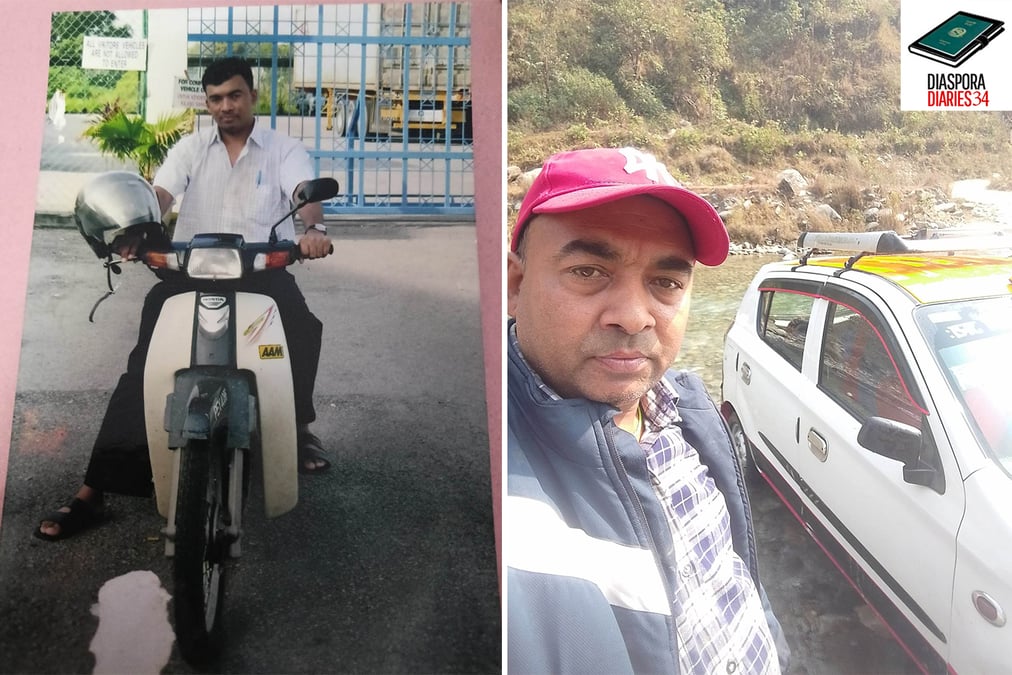
This is the 34th edition of Diaspora Diaries, a regular series in Nepali Times with stories of Nepalis who have lived or are working abroad.
Growing up in rural Gorkha, I saw planes long before I saw cars. Those tiny silver dots that flew over our village on their way to or from Kathmandu.
It was only when I was big enough to go to the bazar town nine-hour walk away to buy salt and other household goods that I saw a bus for the first time. I remember staring at it in awe, walking around it touching the metal surface with the tip of my fingers. I did not get on the bus. I had nowhere to go.
Years later, as a grown-up, I found myself inside an airplane for the first time flying from Kathmandu to Malaysia. That was nearly 20 years ago, and I got a job in a factory that made files and envelopes of all sizes that were exported to nine countries.
My starting salary allowed me to save around Rs7,000 per month.Even for that salary, I had paid over Rs100,000 as recruitment fees. The management responded to my resignation requests with offers of higher salary.
I rose up the ranks to become team leader in charge of 144 fellow migrant workers from different countries, including Nepal. I had to make sure they delivered products on time while ensuring their safety.
The work was difficult and required both mental and physical strength. As team leader, I was responsible if they made mistakes. One wrong move and you could lose a finger in one of those cutting machines with sharp blades. Our thumbs were valued at Rs2 million each, with other fingers much lower. That was the compensation we got if we lost them in a job accident.
In the first few months after their arrival, most fellow workers got homesick and struggled with the physical demands of the job. I oversaw their work, but above me was also a CCTV camera that oversaw me. I could not ignore a worker who was taking a nap or slacking off.
This was in the mid-2000s. I was one of the first Nepalis in my workplace when I had first arrived, so my circumstances had compelled me to learn to speak Malay.
Perhaps this is also why I was a good fit for the team leader post so I could help with translations. Sometimes, I had to translate the supervisors' scolding or the workers' apologies or grievances about unmet demands.
I often did more than translate, though. To lessen the blow of an angry word or humanise the challenges of toiling around the clock, far from home. After all, our lives oscillated between an angry "balik rumah" (go home) or encouraging "bagus" (well done). We all toiled 12 hours a day single-mindedly to provide for our families back home.
One tough part of my job was handing out coveted overtime slots on Sundays, when the pay for workers was double. We were there for the money, and the extra payment held a lot of significance to workers.
They begged me for overtime hours, but I had to assure them that the rotations would be balanced. If not this weekend, they would get the hours next weekend.
In Malaysia, my colleagues and I used to pool our resources to send a larger amount home in rotation to meet big ticket items like paying off big loans like those borrowed to pay recruitment fees at high interest rates or when there were family emergencies like big health expenses.
By the end of my nine years there in Malaysia, I was saving Rs65,000 a month. When I was ready to head home, my supervisor told me that he thought of me as an integral part of the team, and handed me an envelope with a cash token of appreciation. He told me that his company's doors were always open for me. But I never went back.