After watching the Netflix drama Bombay Begums recently, I was encouraged to see that mainstream cinema has started giving space to a female character going through menopause and experiencing hot flashes. This is probably a first in the Subcontinent's cinema.
The series did not captivate me as much as this rare portrayal of a woman during menopausal transition in a society that is so steeped in patriarchy, and an issue that even women in Nepal do not want to address. The same kind of taboos that dictate menstruation also affect menopause, the two biological events that bookend the life of women.
The general assumption is that this is not something that should be talked about openly, and the prevailing misconception is that women’s health consists only of pregnancies and contraception. Health after menopause is either ignored or dismissed.
This is prevalent not only in the public, but also among us health workers who have limited knowledge on the matter. We need a fundamental change in how we view women’s health to understand menopause better.
Women today are living much longer than their mothers and grandmothers. Assuming most women have menopause between 45-50 years, they still have a considerable number of years left to live, which makes understanding menopause even more essential.
Menopause is a natural biological process, and not a ‘disease’ or ‘sickness’ that some health workers and drug companies try to make it out to be. It is much like menstruation or menarche where girls experience pain only to disappear with time, with only a few needing medical treatment.
Much of this is managed with a few simple home remedies. I used to carry a hot water bag and my mother used to make me soup with garlic and fenugreek to relieve the pain. Once in a while, I also needed a painkiller but not often.
When I was 48, I started getting irregular menstruation and within a year, my periods stopped completely. I did not have other health problems like palpitation, dizziness, night sweats, hot flashes headaches and irritability, often described by many pre-menopausal or menopausal women.
There is no way to predict who will and who will not experience such symptoms. But this can be avoided or reduced by adopting healthy eating habits and exercises while still in our prime.
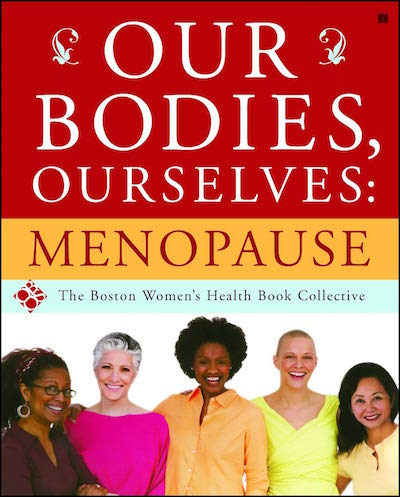
This is explained in detail in Our Bodies, Ourselves: Menopause, a book I was gifted some time back. Given that it dealt with a matter largely untouched in this part of the world, the book's message was a pleasant surprise.
It was eye-opening in a lot of ways. I learned about various mental and physical health issues associated with menopause, and how detrimental it is not talking opening about it.