
Devi Khadka joined the Maoist insurgency, hoping to raise her voice against patriarchy, misogyny and discrimination. She committed herself to fighting for women’s rights and gender equality.
In 1997, during the beginning of the conflict, she was raped and tortured in police custody when she was only 17. Nearly 30 years later, the memory haunts her still. But time has not healed, and the trauma has lasted.
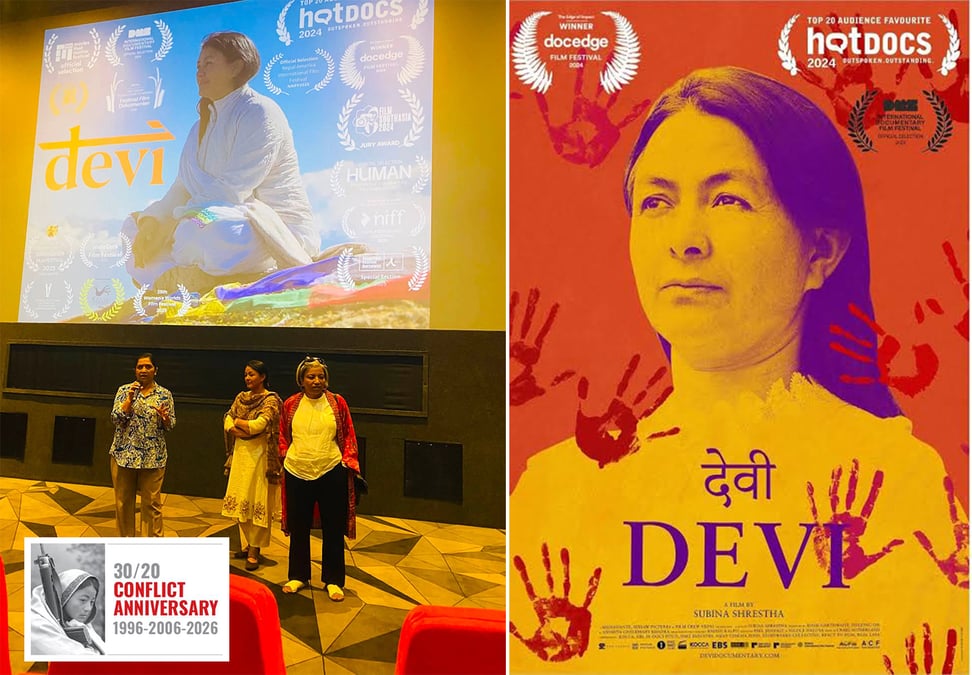
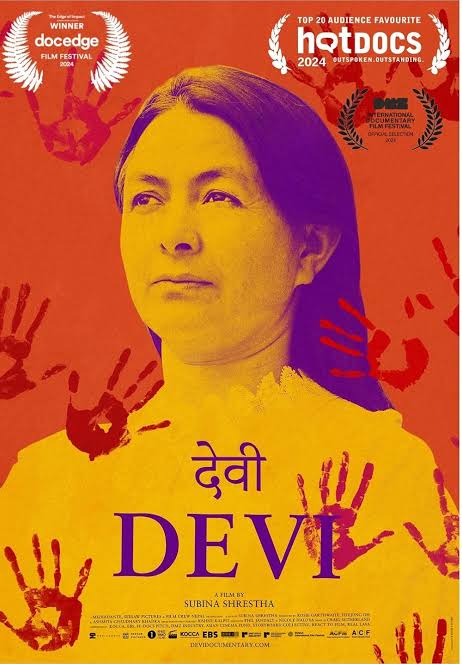
Subina Shrestha, a journalist and filmmaker, documented Khadka’s life and the ordeals she endured in her award-winning documentary ‘Devi’ released in 2024. In the film, Devi says on camera: ‘I fought back the best I could. I could count four people, after that, I don’t know.’
'COLLATERAL DAMAGE'
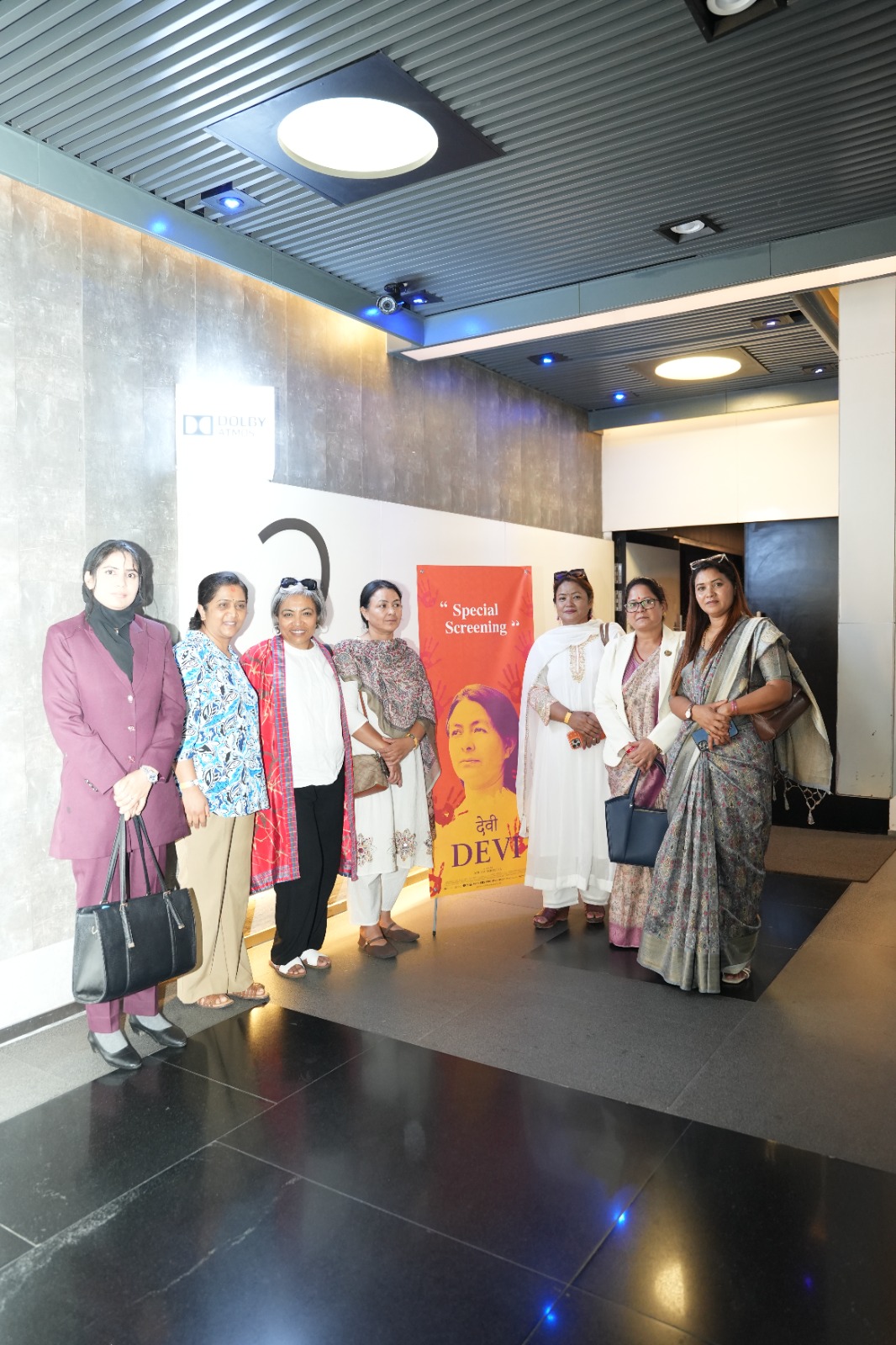
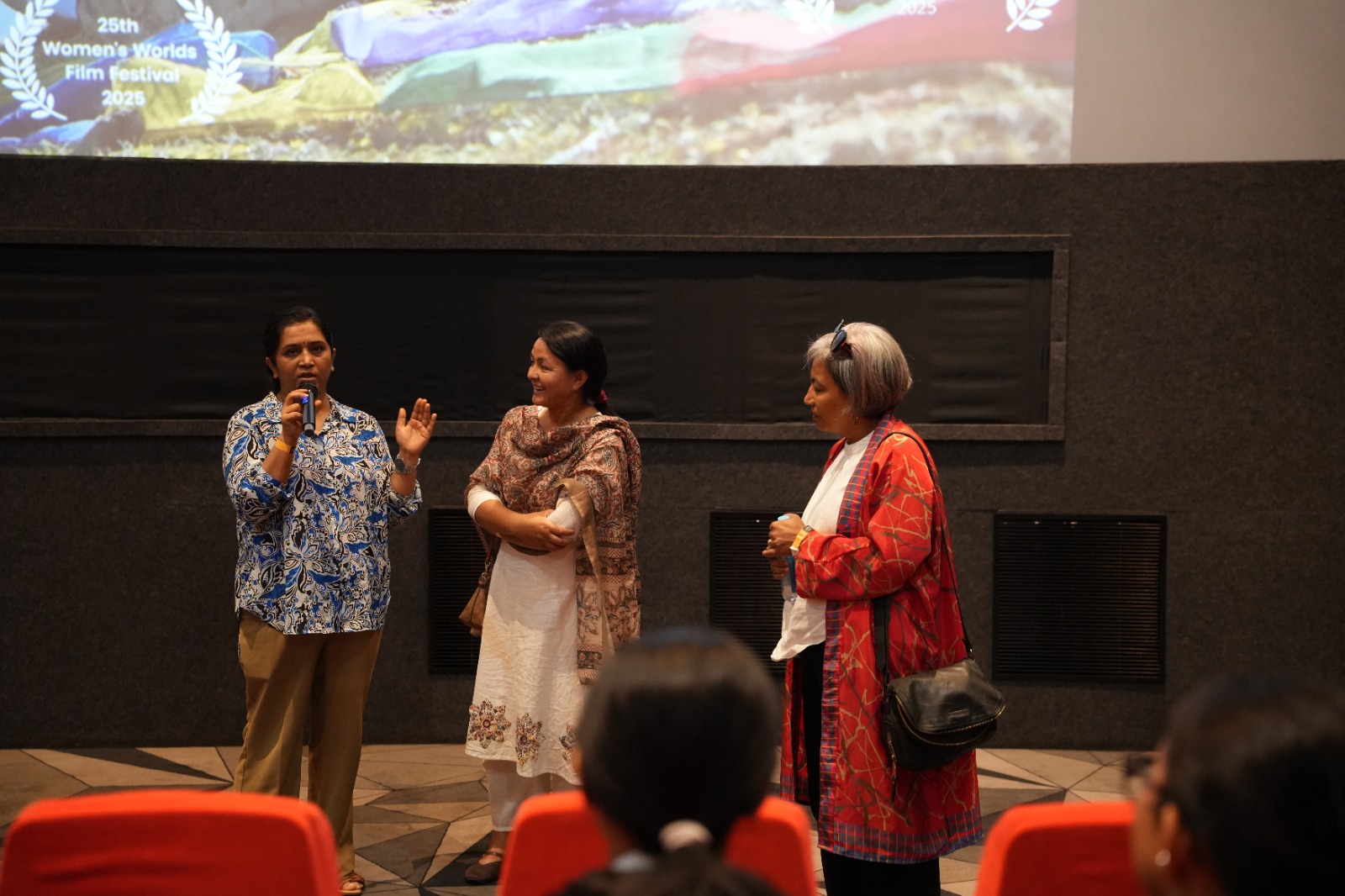
Last week, Shrestha screened her documentary in QFX Labim Mall for members of Parliament and the transitional justice community.
“The screening was especially for MPs, many of whom are young and have little memory of the Maoist conflict,” Shrestha told us after the show. “They must know what wounds the movement has left us with and why it is important to address them urgently.”
Many GenZ Nepalis born during and after the insurgency have little to no idea of the conflict or the atrocities. Older people find some of their experiences too traumatic to dwell on. Meanwhile, history textbooks in schools have airbrushed this important period.
The invitation for the screening was sent to all MPs through WhatsApp, but only seven deemed the event important enough to attend. One of them was Tara Biswakarma of the governing Rastriya Swatantra Party (RSP).
She told us: “We are committed to working towards the welfare of society and the country. With multiple issues at hand, we are working in several sectors simultaneously, including issues related to the Maoist conflict.”
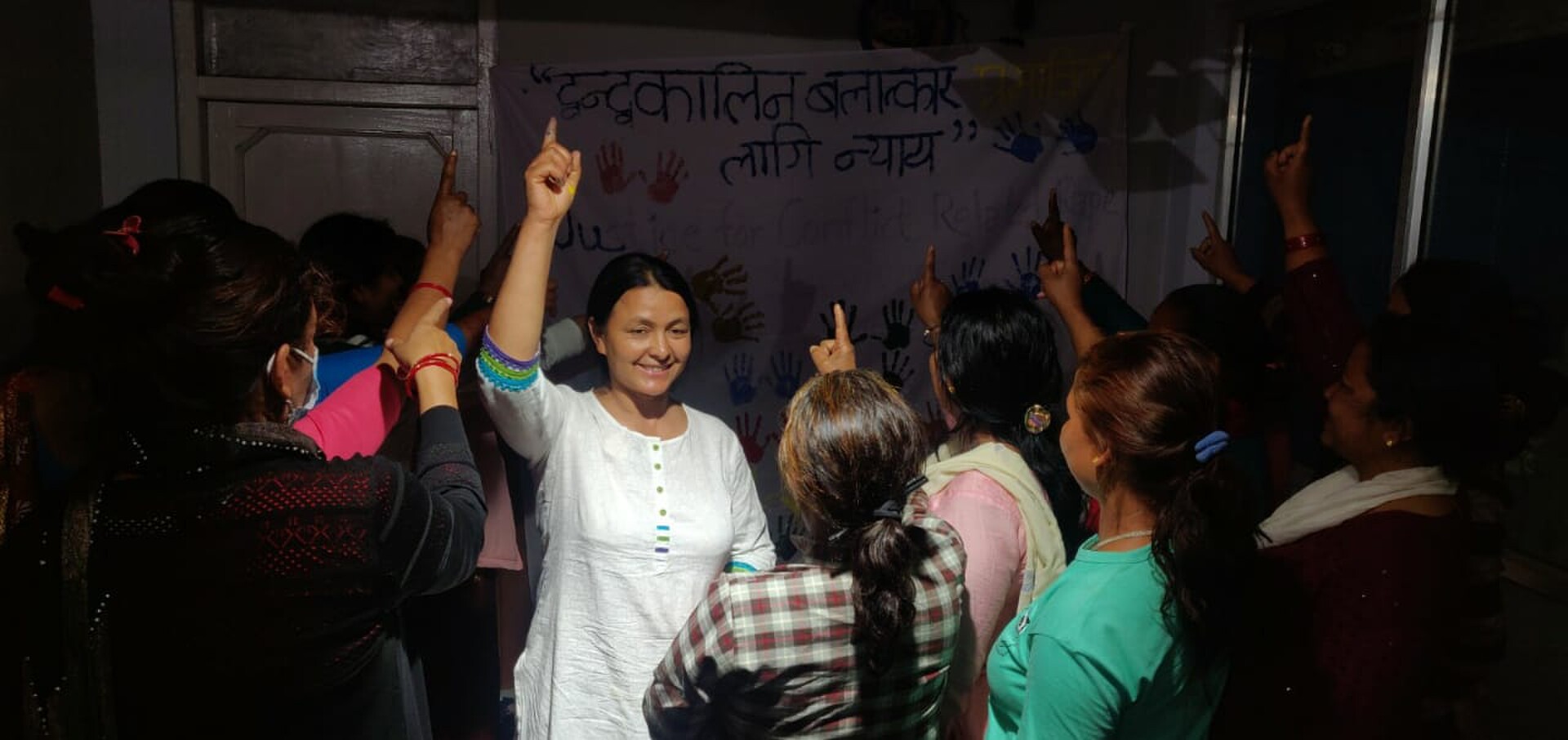
Devi Khadka mustered the courage over the past three decades and has continued to advocate for survivors of sexual violence and wartime rape. Her testimony is a reminder of the long struggle of survivors seeking recognition and justice. “There has been a significant difference in life before and after this documentary,” Khadka told us at the screening. “I’m able to speak about sexual violence and rape more openly now because the documentary has reached a wider audience.”
Khadka is married and has a teenage daughter. In the documentary, her daughter recalls Devi suffering severe headaches and being unable to get up because of the pain and mental pressure.
To cope with the trauma, Khadka sought counselling and met Jamuna Maharjan, who helped her process the aftermath. “Devi used to come for counselling regularly, but we lost contact for some years,” says Maharjan. “She contacted me again after she began speaking in public forua more recently.”
Sexual violence often increases during conflict all over the world, when women’s bodies are used as weapons of war. For survivors, the trauma does not end when the conflict does.
Many women who faced sexual violence during the insurgency have not spoken out for fear of stigma and social exclusion. Devi Khadka refused Shrestha’s request to make the film several times before finally being convinced about being interviewed on camera.
“After what has happened to me, even standing and speaking in front of you is an achievement,” Khadka told this reporter. “Women do not speak up because we fear how the family and society will react. We must guarantee that women can live a dignified life after speaking their truth.”
Women continue to be collateral damage in someone else’s war and even in non-conflict situations. Many feel unsafe even in their homes, in public transport and in public spaces, underscoring the need for stronger protection mechanisms and accountability.
The horrific rape and killing of three-year-old Garima Chaudhary in Bara this month has shocked the nation. Before that there were other high profile cases of sexual abuse and rape which have gone unpunished. These have intensified public outrage and renewed calls for stronger action against perpetrators of sexual violence, including increasing the punishment to castration or even the death penalty.
LEGACY OF WAR
More than 17,000 people were killed and some 1,400 remain officially unaccounted for even 20 years after the end of the conflict in 2006, and 30 years since it began in 1996. The Maoists came into mainstream politics after the ceasefire, but the truth and disappearance commissions are yet to deliver meaningful justice.
More than 63,000 cases have been registered at the Truth and Reconciliation Commission, put of which 314 pertain to sexual violence and rape. In August 2025, another 11,000 fresh cases were registered.
Further delays risk deepening impunity and eroding survivors’ trust in the justice process. Rights organisations and the international community have repeatedly urged authorities to move the transitional justice process forward. Survivors like Khadka now say they want the truth and justice before it is too late.