

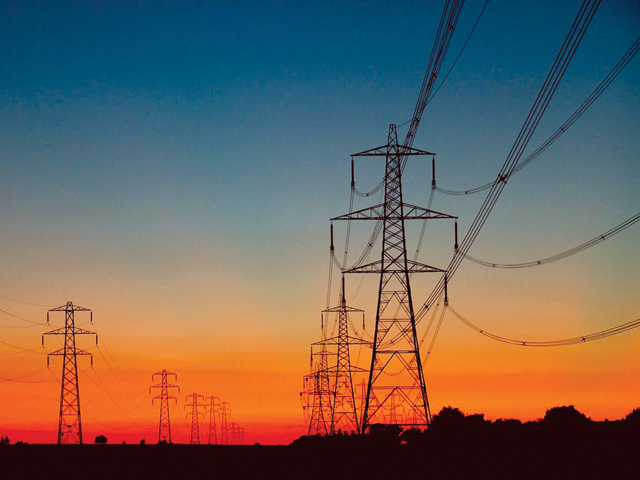
On 20 February Nepal’s visiting Prime Minister K P Oli and his Indian counterpart Narendra Modi (pic) inaugurated the much-delayed 400kV transmission line linking Nepal and India. The 140km crossborder line joins the Indian grid from Muzaffarpur in Bihar with Dhalkebar in Dhanusa to export electricity to ease the acute shortage in Nepal.
Nepal’s chronic power shortage has been made worse because of the scarcity of diesel for generators due to the closure of the Birganj border for five months by Madhesi protesters allegedly abetted by India.
Prime Minister Oli has vowed to end electricity rationing within a year, and Deputy Prime Minister and Energy Minister Top Bahadur Rayamajhi last week declared an “energy emergency” to cope with the crisis. He also endorsed a National Energy Crisis Reduction and Electricity Development Decade Plan which includes the import of 580 MW from India.
The Nepal portion of the transmission line was constructed at a cost of $13.5 million and is already feeding 80 MW of power to Nepal from this week. This will be augmented to 200 MW at 220kV in October 2016, and eventually to 600 MW at 400kV by December 2017.
Although Oli received wide accolades in the media for the deal that could reduce power shortage, the project was actually initiated and developed by erstwhile Minister of Water Resources Gyanendra Bahadur Karki of the NC as far back as 2006.
A staunch nationalist, Oli vowed not to sign any anti-national agreement during his visit, but the transmission line he inaugurated puts Nepal’s hydro-electricity market at a disadvantage. A pre-condition for this deal was that Nepal Electricity Authority (NEA) sign a 150 MW Power Purchasing Agreement (PPA) for at least 25 years with Power Trading Corporation (PTC) of India.
In other words, the fine print requires Nepal to purchase 150 MW power from India for at least 25 years and take $13.5 million in loan to construct the transmission line at a cost of $20 million. Nepal awarded the contract for construction of 40km of Nepal portion to an Indian company, Tata Projects Ltd. Such a disfavourably worded PPA and MoU discourages domestic investment for hydroelectricity generation and transmission in Nepal.