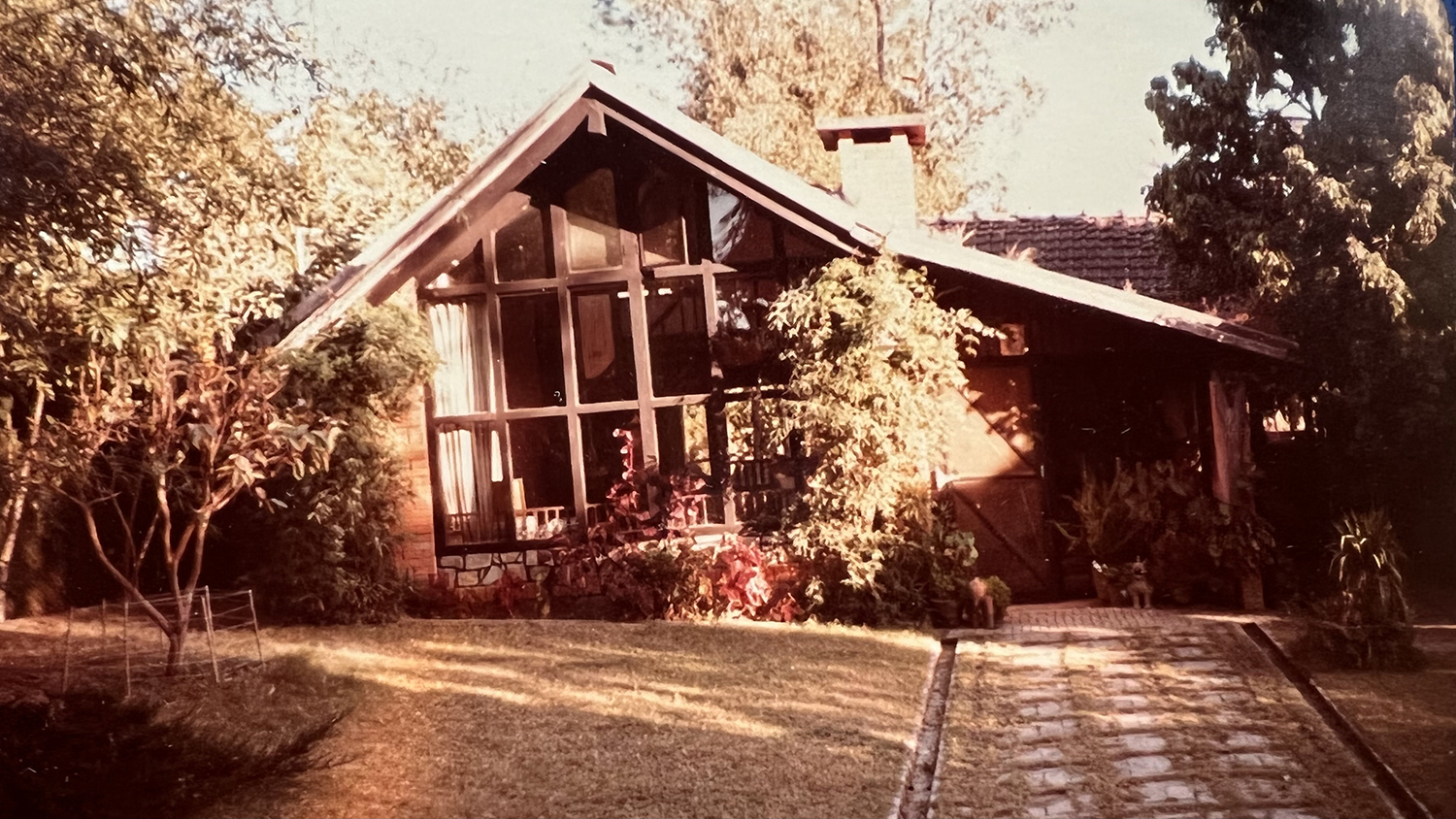
My first home in Kathmandu was a glass A-frame house nestled in a lychee and mango orchard, sheltered by a magnificent old fig tree in Bansbari. It was rented from Prem who lived with his young family in the same garden, rice fields stretching beyond the back wall with distant views of the northern hills. It was tiny, with seating on floor cushions and the bedroom a mattress on the mezzanine accessed by a precarious circular staircase, but that did not preclude large parties on the lawn and jolly meals around a polished table in the cramped dining alcove.
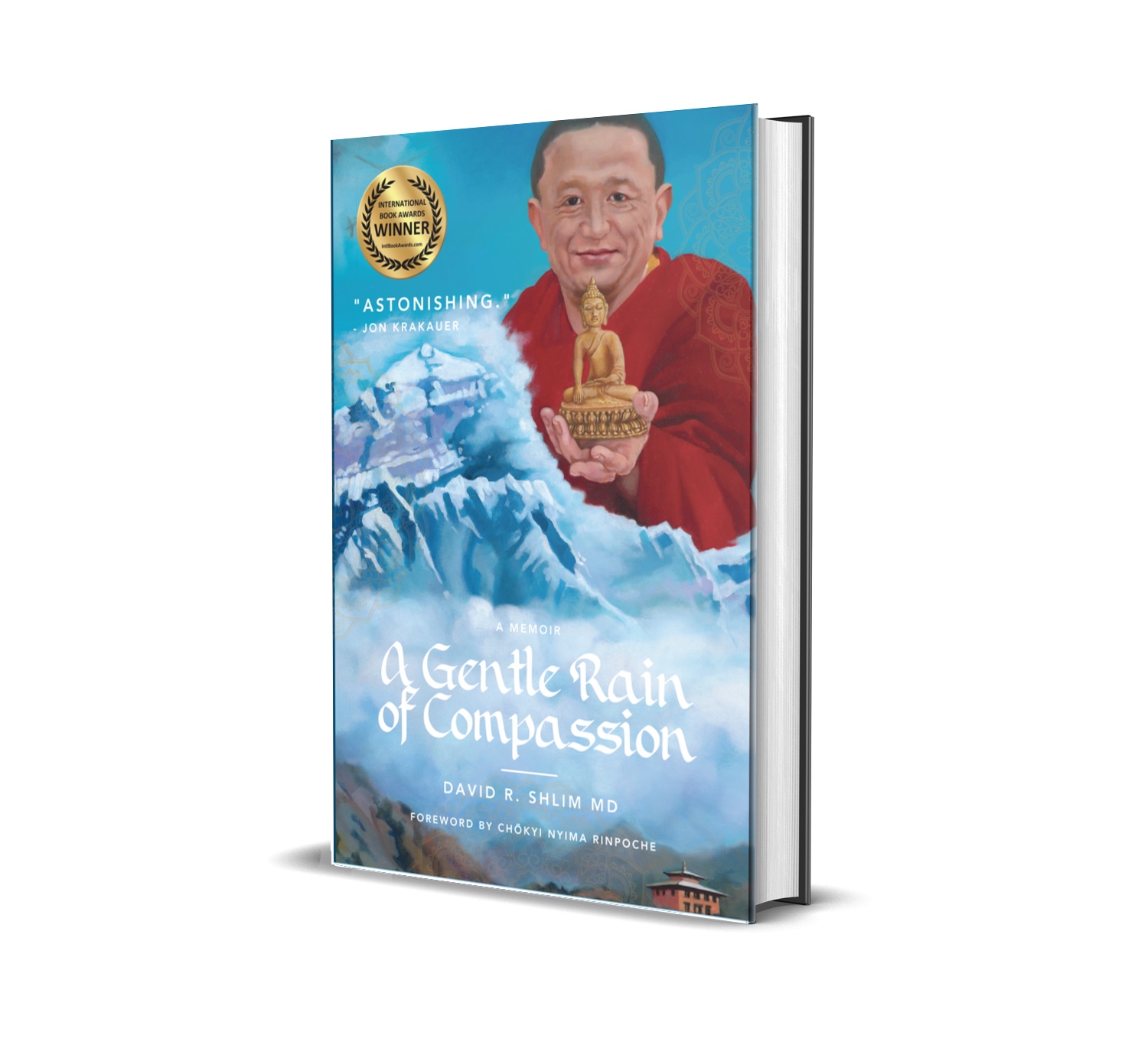
As Dr David Shlim recounts in his memoir, A Gentle Rain of Compassion, it was here at dinner one evening that his life was profoundly changed by meeting Jane, a leggy blond Canadian who worked for us at Tiger Tops. This chance encounter led to a series of events (spoiler alert) that broke his pattern of ricocheting romances and obsessive despair which, in the mysterious way of this magical Valley, eventually catapulted him out of his misery and onto the healing path of spiritual awakening.
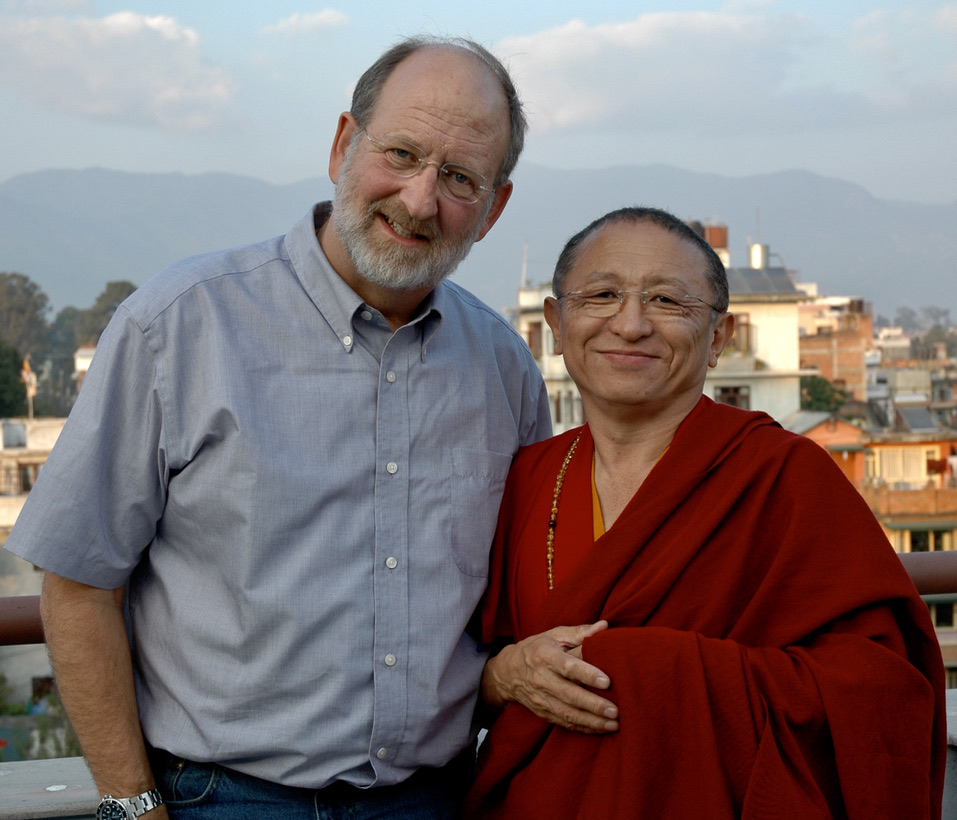
That evening would lead to the transformation of David’s life through his discovery of Tibetan Buddhism, personal tuition by reincarnate lamas and an enduring friendship with Chokyi Nyima Rinpoche, whom he met when offering free healthcare in his Boudha monastery. But this journey towards enlightenment, compellingly written with David’s signature self-deprecating humour, encapsulates much, much more. In the words of Jon Krakauer, author of Into Thin Air: ‘Dr. Shlim’s story is candid, wise, fascinating, funny, tragic, astonishing, hopeful, and wonderfully entertaining.’
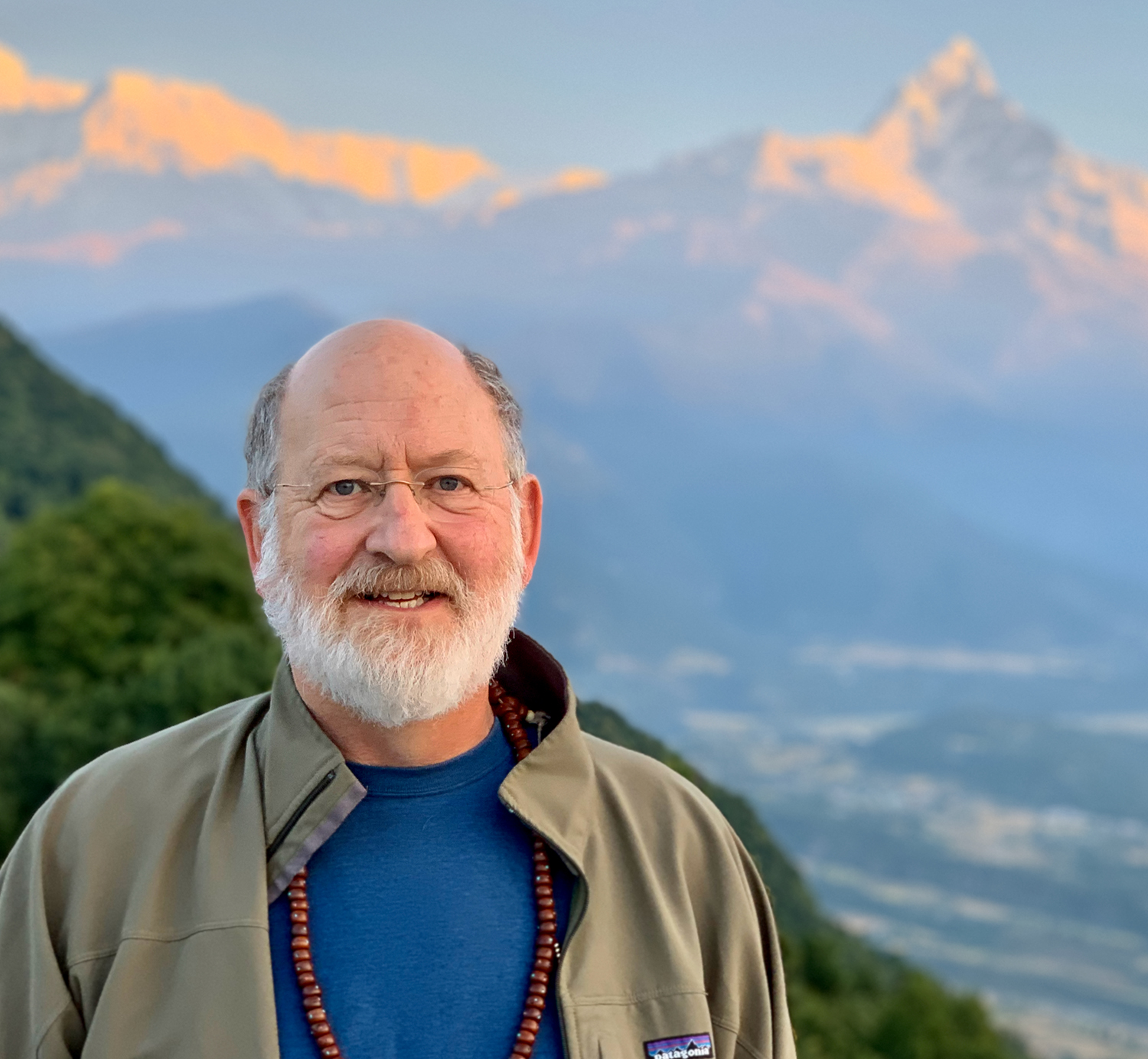
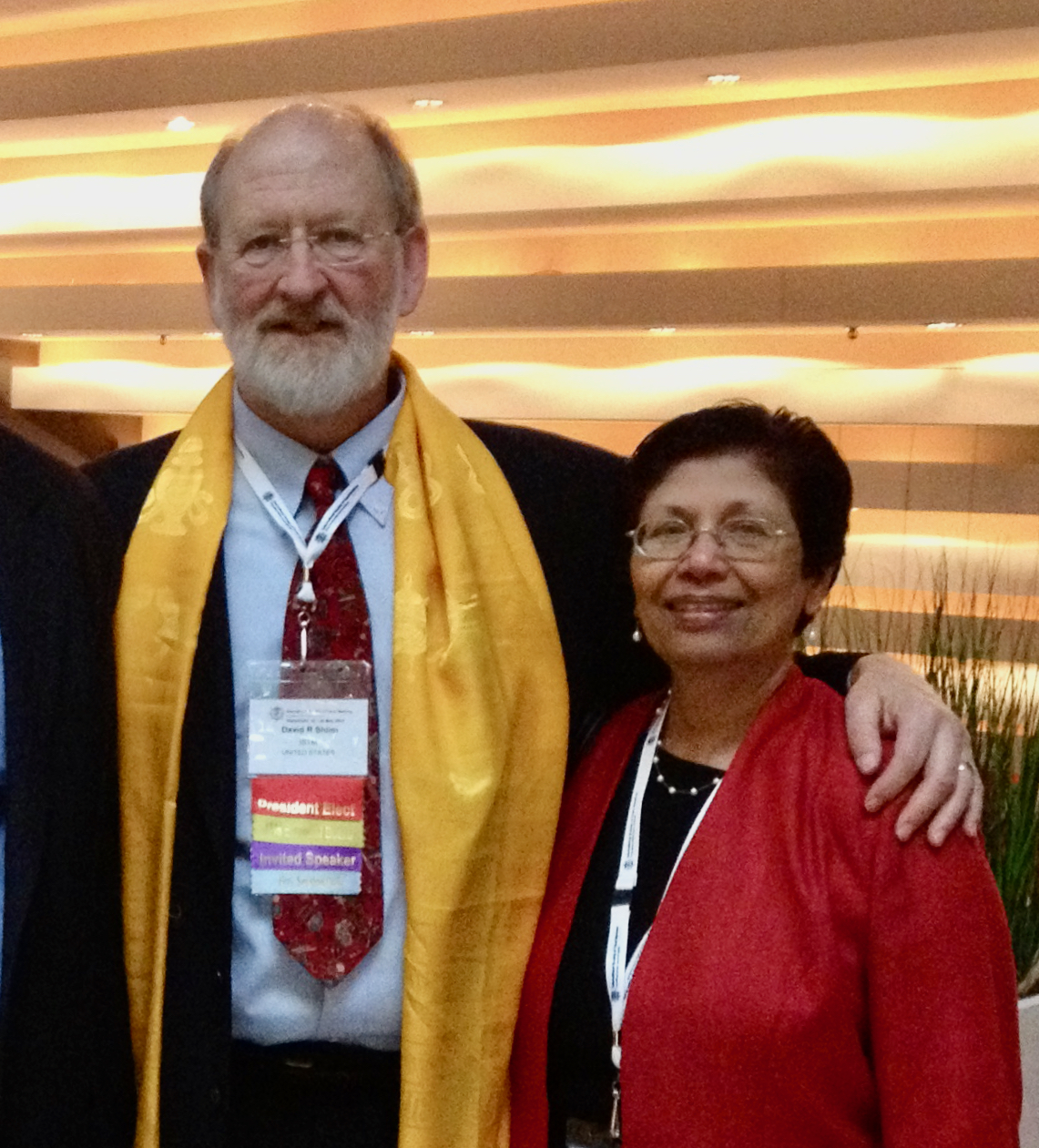
Today David is world renowned as a specialist physician in travel medicine and has pioneered the bringing together of Buddhist philosophical practice with modern medical theory. Based in Jackson Hole Wyoming, he has lectured around the world on travel medicine topics and spends his time coaching caregivers to apply compassion in their daily interactions with patients, teaching Buddhism, and directing the Medicine and Compassion Project (www.davidshlim.com/medicine-
Collaboration with Chokyi Nyima Rinpoche and others resulted in the first-ever book that provided authentic Tibetan Buddhist insights into altruism and compassion for Western medical professionals, Medicine and Compassion, published in 2004. Monk philanthropist Matthieu Ricard (who David’s son is named after) writes: ‘Uniting his medical vocation with the essence of Buddhism … led to his teaching physicians around the world on how to bring back compassion at the heart of their profession and day to day activities.’
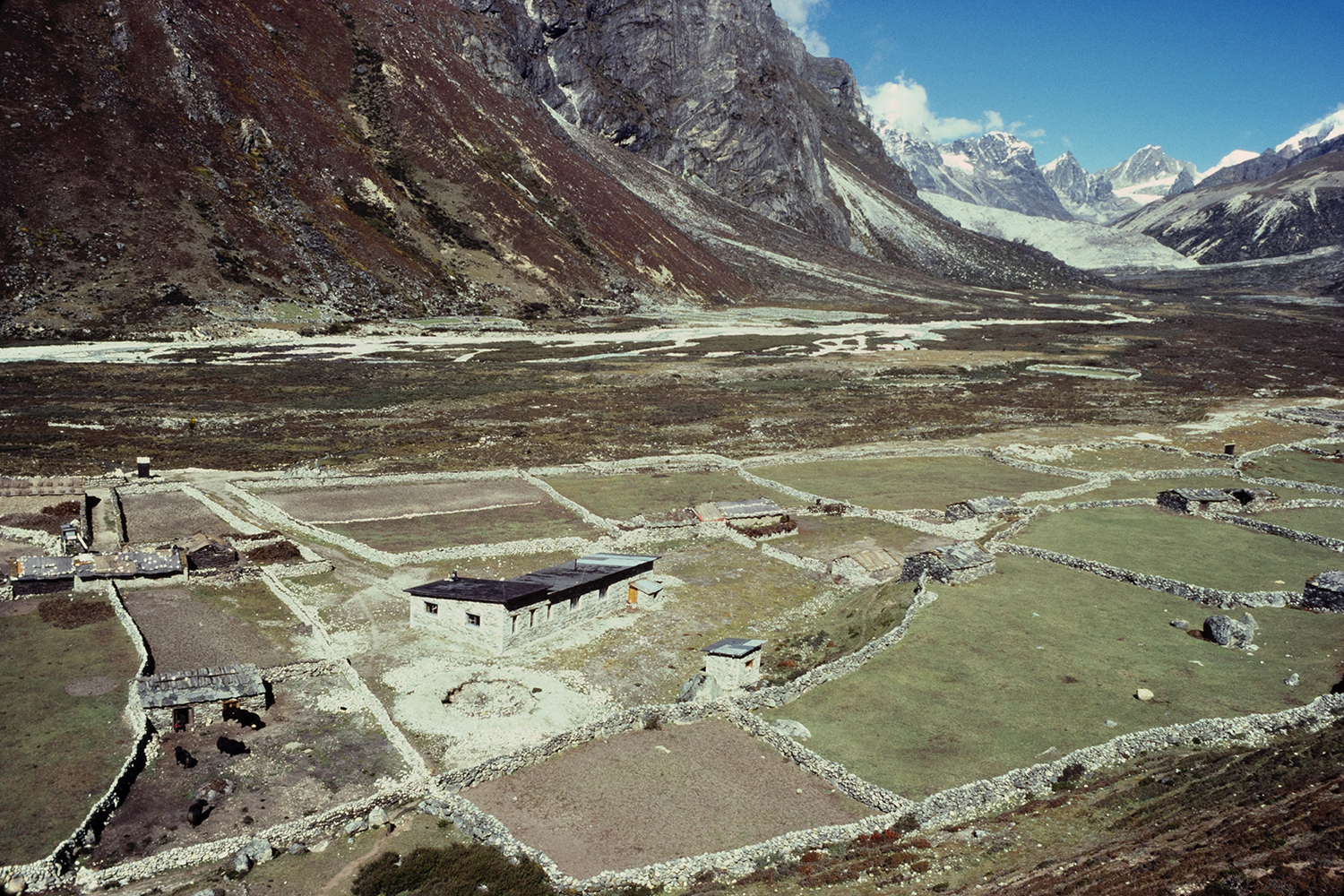
Dr Shlim, as he is known locally, was a popular guest and a well-known fixture in 1980s’ Kathmandu. Adept at tolerating local conditions, both personal and medical, he first worked in Nepal in 1979 as the volunteer doctor posted in the Pheriche aid post high in the eastern Himalaya, lured away from his lacklustre life and flailing medical career in the US by the peerless mountain doctor and climber, Dr Peter Hackett.
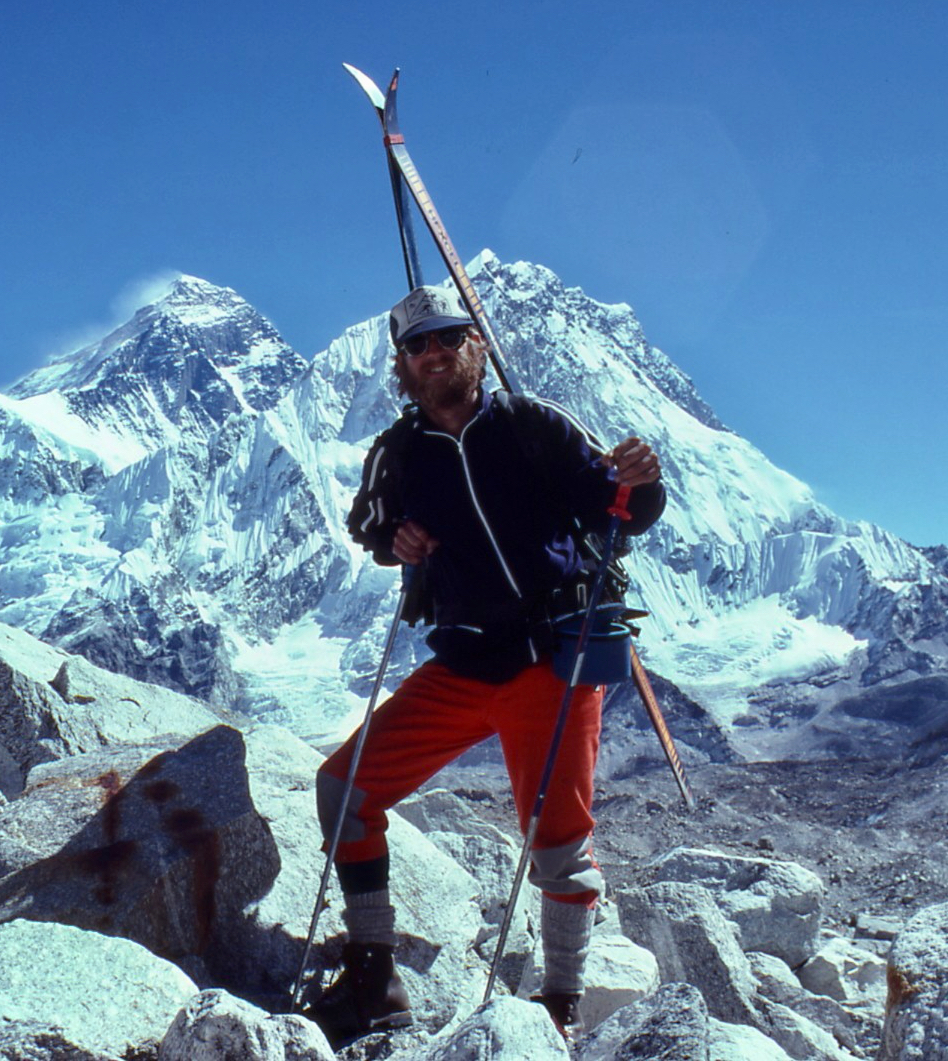
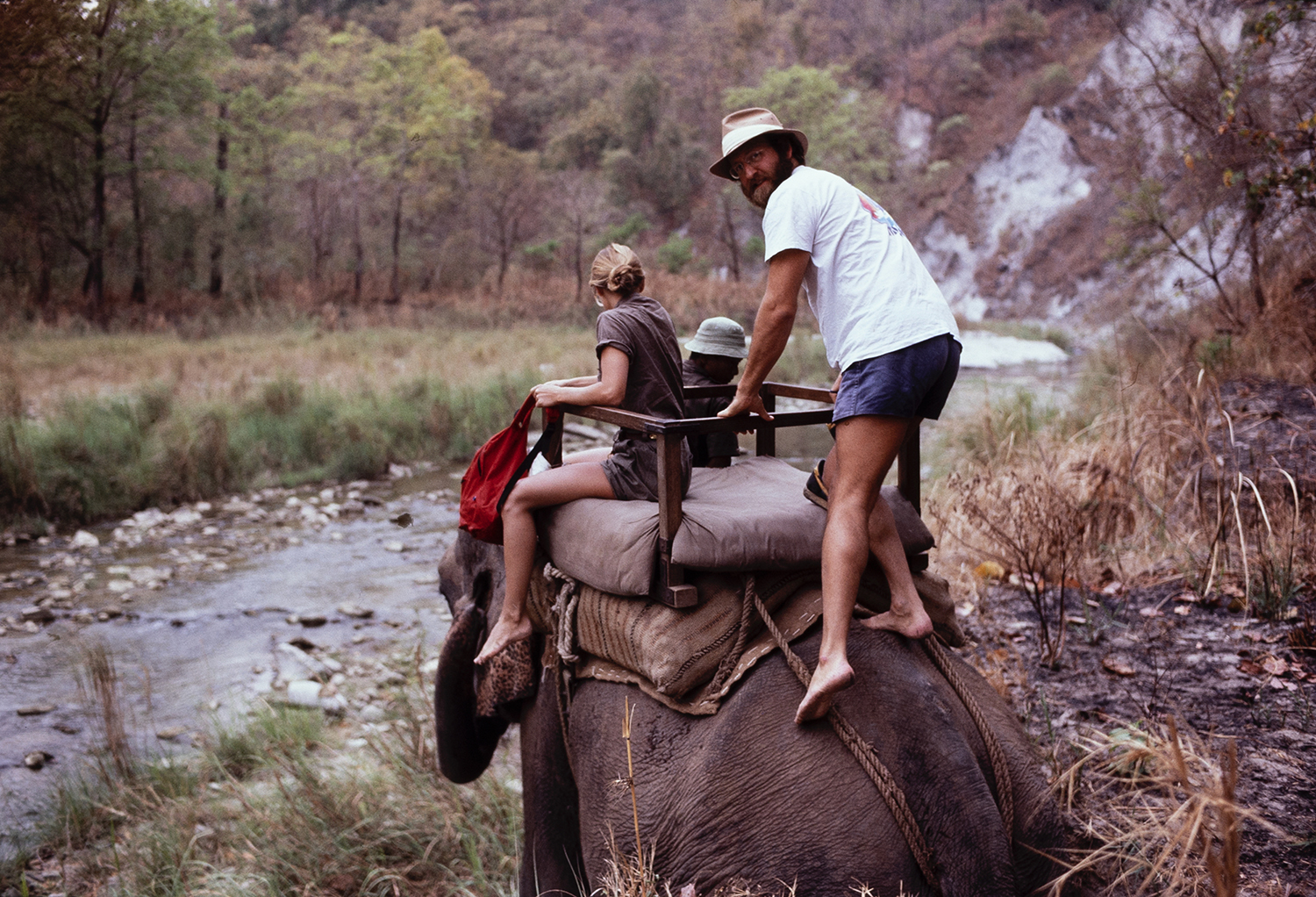
Returning as director of CIWEC, Nepal’s first international clinic with which he remains associated, Dr Shlim was a lifesaver, literally. Prior to CIWEC’s establishment in 1982 with Canadian assistance, we all relied on the Shanta Bhawan Hospital in a former Rana palace, run by dedicated and hard-working missionaries. I would regularly invite David down to Chitwan and Bardia for the reassurance of his gentle medical expertise when we had celebrity guests such as Henry Kissinger, Ringo Starr and Robert Redford in our care.