
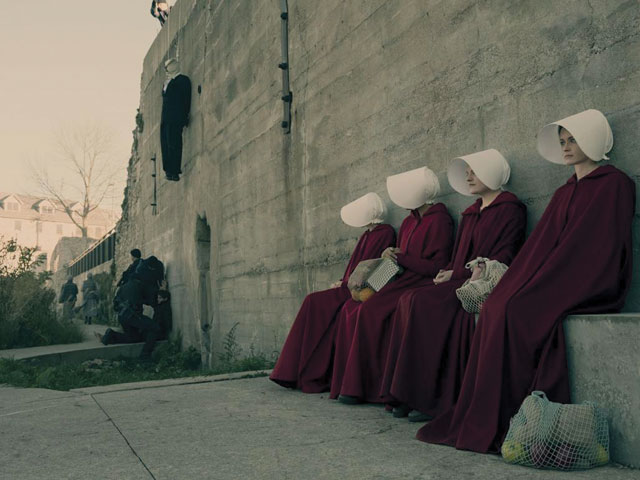
Having just given a glowing review to Big Little Lies in last week’s column, I almost feel like I should eat my words. At the time I was only part-way through the spectacularly intense 10-part series The Handmaid’s Tale, and I was somewhat ambivalent about continuing, considering how upsetting it was, even as it was brilliant, in its realisation of a beloved, seminal novel by one of the greatest living novelists of our time: Canadian, Margaret Atwood. Now I feel alarmed at the idea that I might have discontinued watching something that has change my life.
I read The Handmaid’s Tale (published in 1985) when I was in school, more as a thriller than as an indictment of the existing misogyny in the world. Watching it today, in a supposedly post-feminist world where inequality still exists at every level, The Handmaid’s Tale is painfully close to the heart at a time when women are still subjugated and treated as breeding cattle in some parts of the world but also demeaned, harassed and casually regarded as unequal despite our progress as a human race.
Set in a (not so) future post-war United States, Gilead, as it is called by its rabid extreme-right religious leaders, is what emerges after the world produces so much toxic waste that fertility (apparently the most sacred thing in the world is not compassion and kindness but procreation) is affected. The leaders of Gilead attack the government and take over the US. Most people with sense have fled before the real horror starts, unfortunately June Osborne (the phenomenal Elisabeth Moss) and her husband and little daughter literally just miss the boat to Canada: a safe haven for millions of refugees.