
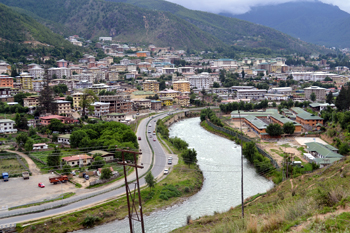
The country’s journey started in 1972 when former king Jigme Singye Wangchuck introduced ‘Gross National Happiness’ to his people. He believed that the overall wellbeing of the Bhutanese and their traditions and natural resources were of greater importance than pure economic progress. Even in tourism, Bhutan made a deliberate choice of quality over quantity by imposing a $250 fee on all visitors. Despite the hefty tariff, thousands throng here every year to appreciate and learn about the Drukpa lifestyle that remains largely intact. And it is this mixture of the past and the present that puts Bhutan on top of every traveller’s list.
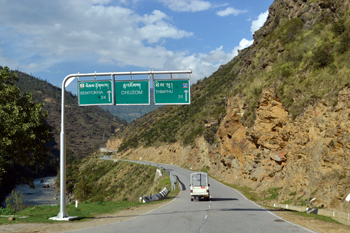
English is widely spoken, there are Western-style hotels and food throughout the country. Young, urban Bhutanese are hooked to their gadgets and yet boys dressed in their traditional robes, gho, and girls in their ankle length kiras is a very common sight. More than conformity it a genuine show of affection towards their culture and a desire to stay in touch with their roots.
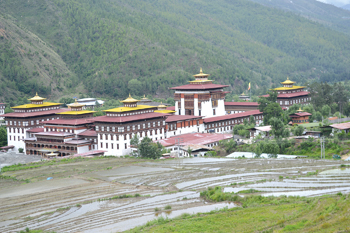
The streets here are clean, the highways are wide and well-maintained, traffic jams are rare. While we in Nepal have turned our rivers into open sewers and stripped naked our forests, the Thimphu River that flows through the capital city is still in its emerald green glory. Bhutan has made it big without sacrificing its rolling green hills and fresh air. Us neighbours have a lot to learn.
Hum Gurung, PhD, is CEO of Himalayan Sustainable Future Foundation.
Read also