- Japanese Encephalitis has claimed 23 lives so far this year, and the monsoon is not even over yet. As of Thursday, there were 118 laboratory confirmed cases of this mosquito-borne infection across 36 districts with most patients in Lumbini.
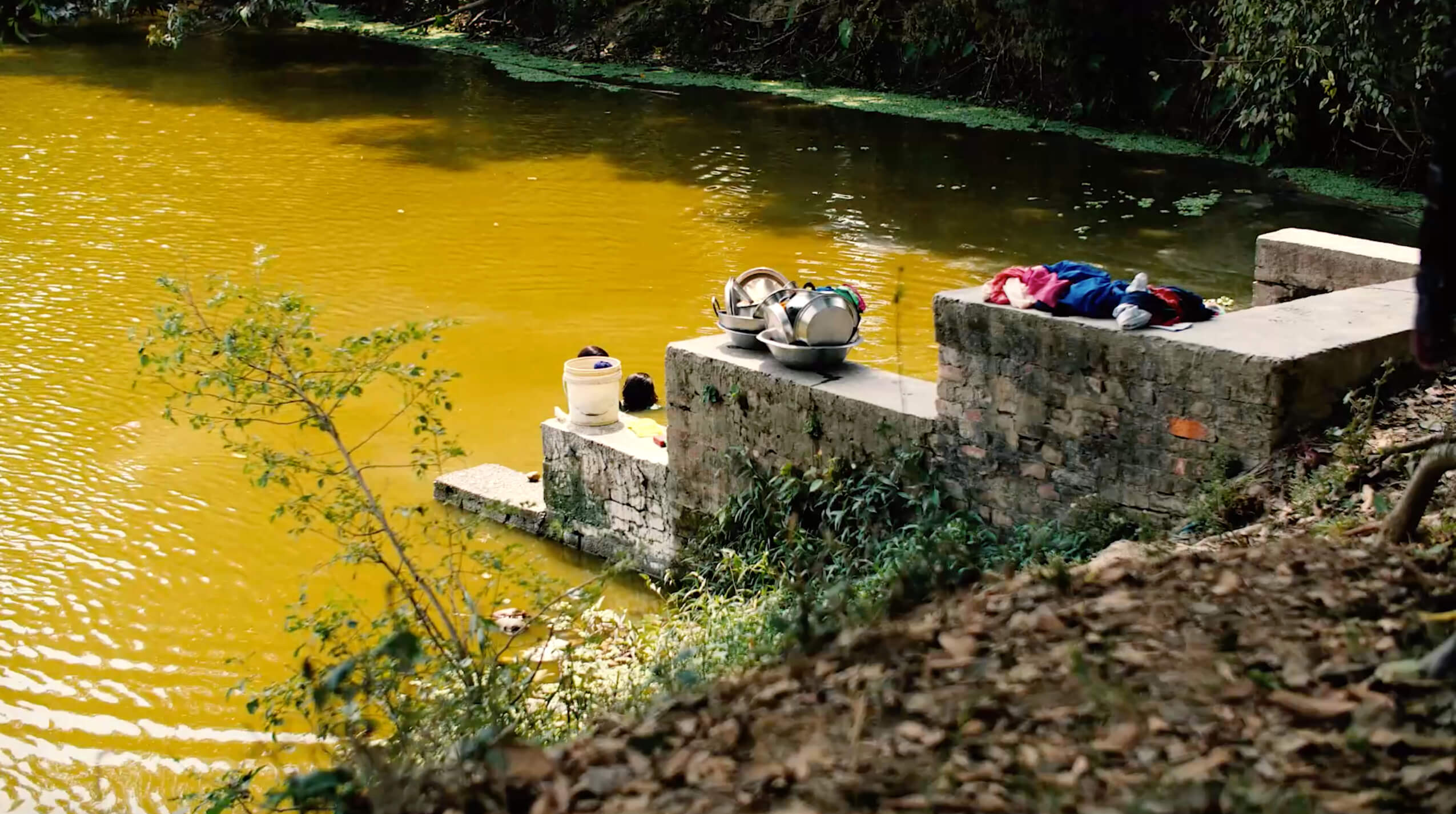
- A cholera outbreak in Birganj last week claimed at least four lives, and 850 people were hospitalised in Parsa district alone. Cholera is caused by faecal-oral transmission, but the source of the contamination has not been determined.
- There was a resurgence of rabies infections with three fatalities in northern Dhading in July. Hundreds of others had come in contact with rabid dogs or infected persons amidst a shortage of anti-rabies vaccines.
- This year’s dengue outbreak was not as serious as 2022 when at least 100 people died across Nepal from the virus spread by mosquito bites. Nearly 2,900 cases have been reported since January this year, mostly in Gandaki Province and Kathmandu Valley.
For some time now, many public health experts had thought that the burden of infectious diseases was going down in Nepal, and the bigger threat was chronic lifestyle-related ailments.
Indeed, communicable diseases were thought to be largely under control due to increased immunisation, better hygiene and sanitation as well as advances in healthcare. Deaths due to non-communicable diseases like cancers, cardio-vascular and respiratory diseases, and diabetes had increased from 31.3% of all hospital patients in 1990 to 71.1% in 2019.
The rise in chronic diseases is due to reduced physical activity as society urbanises, unhealthy diet, smoking, tobacco and alcohol use. While genetics is a factor, pollution and environment including climate breakdown have added to the challenge. Warming temperatures mean even vector-borne communicable infections such as dengue and malaria have moved up the mountains with the mosquitos.
Japanese encephalitis (JE) cases this year have surpassed last monsoon’s figures, and most of the deaths are of those above 15 years, meaning they were probably not vaccinated against the viral brain infection. Up until 2005, encephalitis killed up to 2,000 people every year, most of them in the Tarai, before the Chengdu vaccine was introduced.
“One-third of those who get JE don’t make it, one-third survive, and the rest survive but with neurological complications,” explains Buddha Basnyat, chair of the Oxford University Clinical Research Unit (OUCRU) in Kathmandu.
The Chengdu vaccine which was trialled in Nepal was first given to all populations of Banke, Bardia, Dang and Kailali districts which were most affected. The immunisation was later expanded to 19 districts with children under 15 inoculated.
Sher Bahadur Pun, virologist at Sukraraj Tropical and Infectious Disease Hospital, confirms that encephalitis is the biggest vector borne infection in Nepal right now. He adds, “Even as we were talking about dengue, for the past two years I have been concerned about JE since we started neglecting vaccination thinking that the threat was gone. That is why it has re-emerged.”
Nepal has frequent cholera outbreaks due to poor sanitation, and faecal contamination of piped water in cities. In most cases, it is dismissed as severe diarrhoea. A major outbreak of cholera in Haiti in 2010 killed 10,000 people with 820,000 cases recorded – it was traced to a camp housing Nepali peacekeeping troops who carried the Vibrio cholerae bacillus to a population that had not developed immunity against it.
A severe cholera outbreak in Jajarkot in 2009 killed 300 people, mostly children, and 40,000 cases were recorded. But cholera is now vaccine preventable, an Indian made Hillchol oral cholera vaccine being one of the jabs available.