
Japan has become familiar to many Nepalis through its technology, Mount Fuji, the samurai legacy, and a growing community of nearly 300,000 Nepalis.
Yet some parts of Japan’s cultural soul remain little known here. One of them could be the ‘Bon Odori', a summer dance festival held during the Obon period in mid-August when ancestral spirits are honoured.
It blends Japan's indigenous ancestor worship with Buddhism, which first arrived in the 6th century. The spirits are welcomed with prayers, family grave visits, and dances in the community. The festival was a vibrant street culture 500 years ago, and today Bon Odori is marked across Japan in many modern forms, each bringing its own signature choreography and music to life.
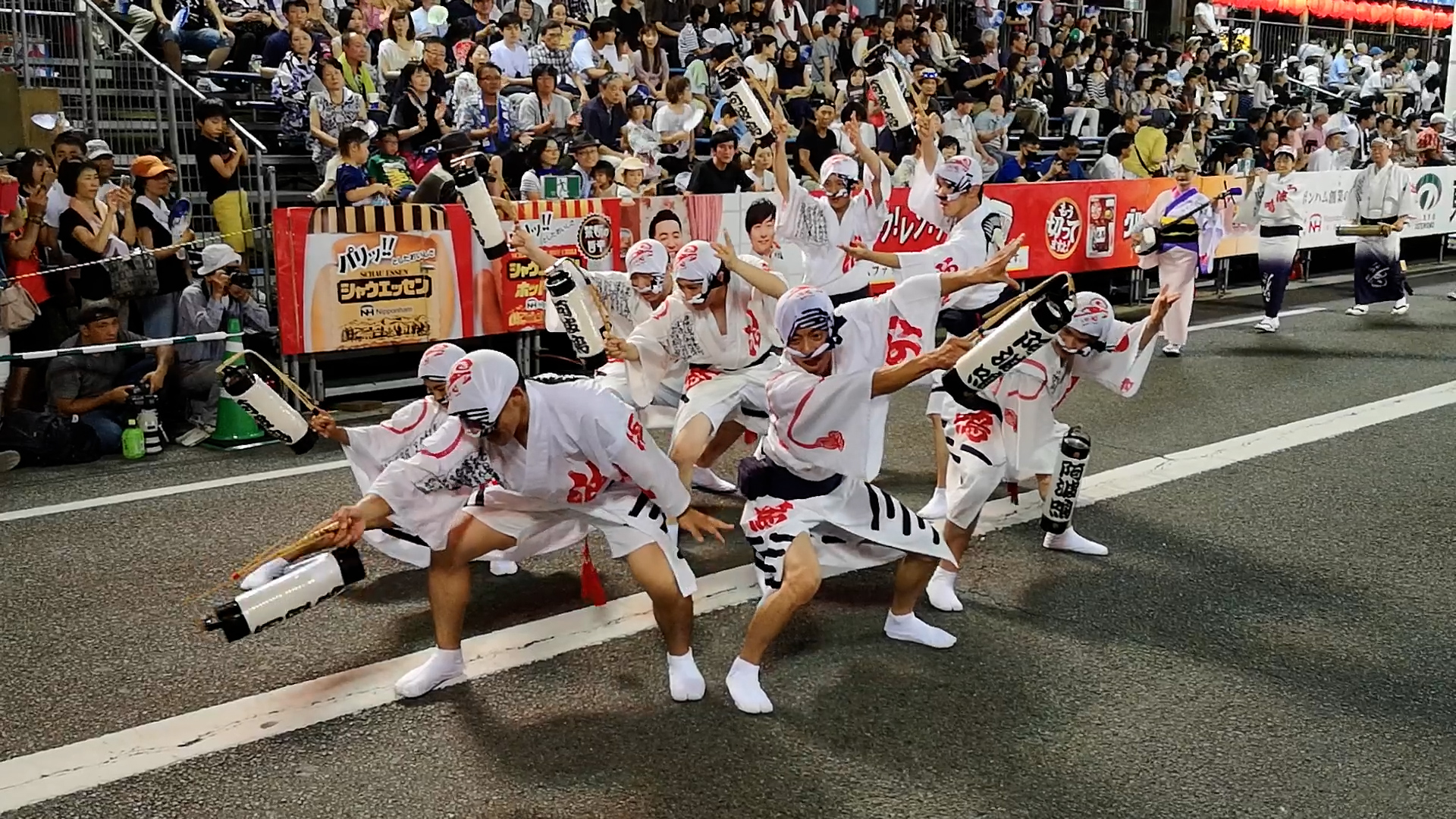
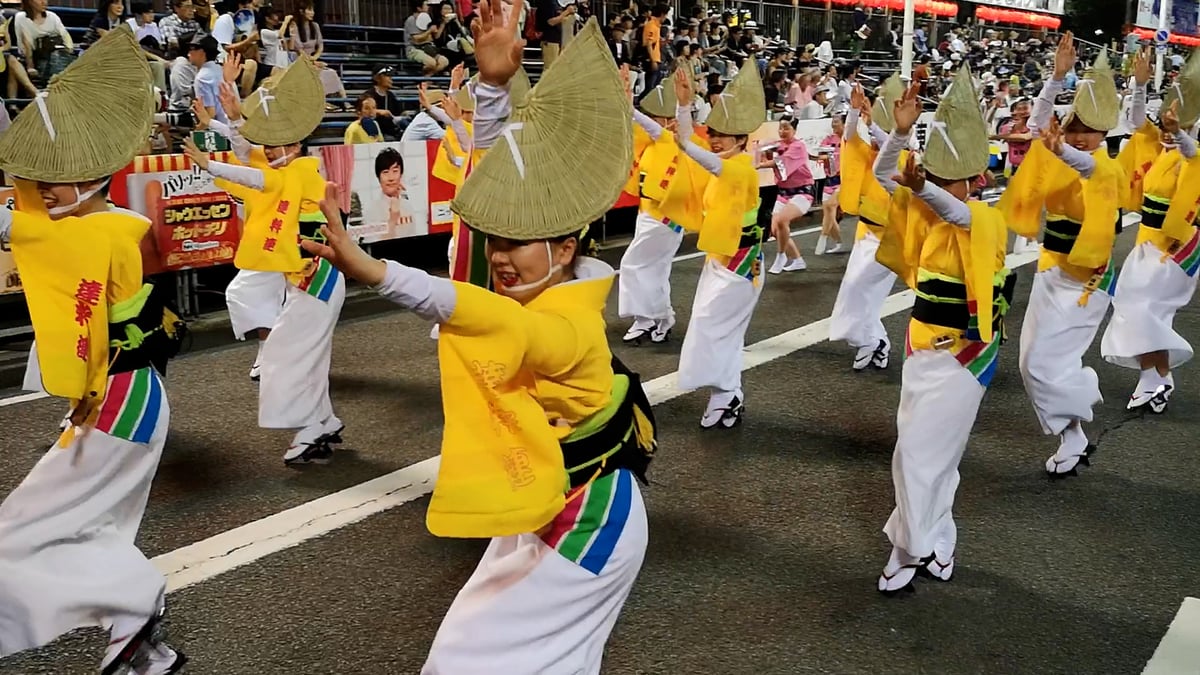
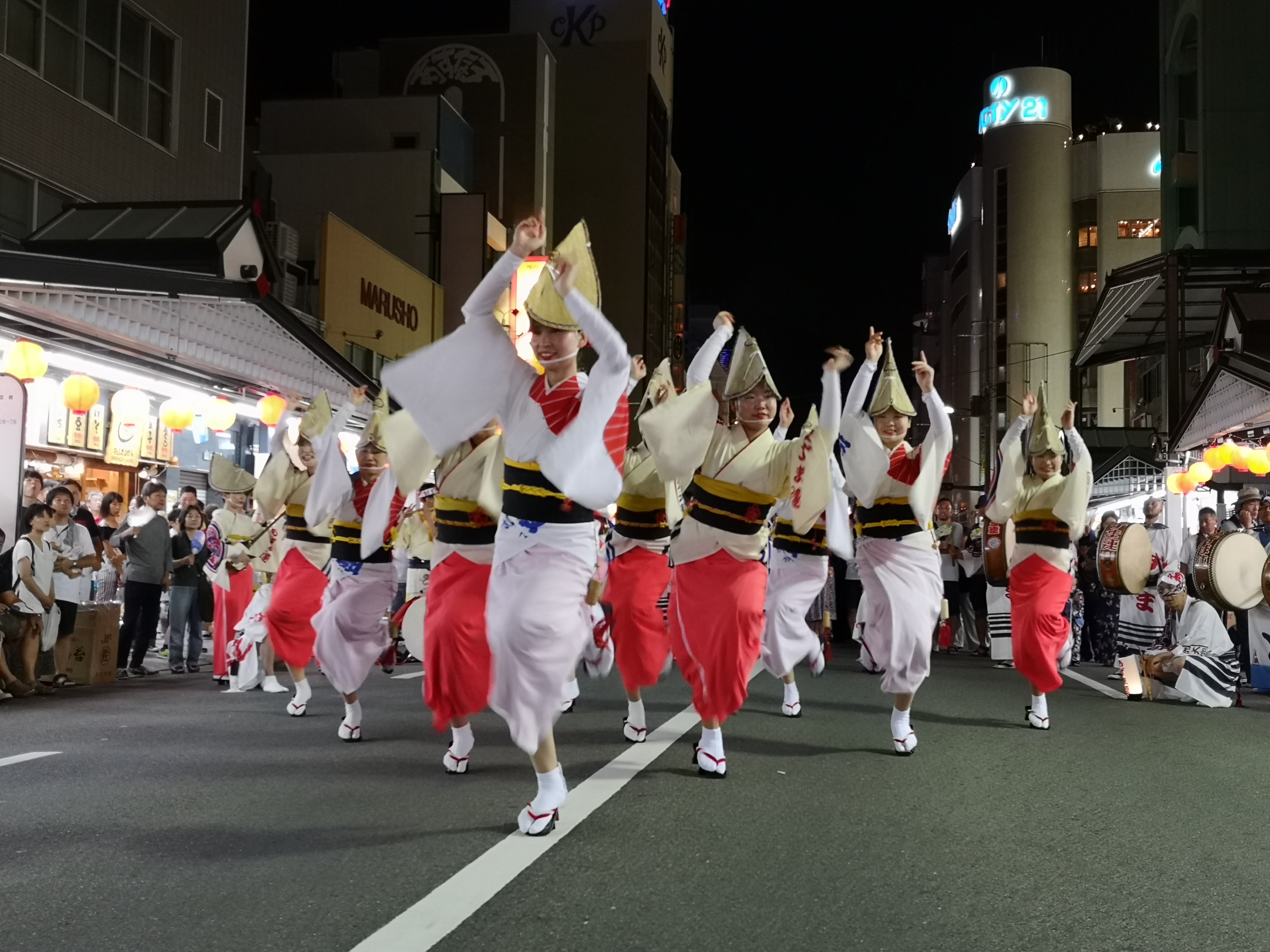
Among these, the Awa Odori in Tokushima is in a league of its own in a typically peaceful provincial town in western Japan. It features the distinctive ‘Namba’ style, in which the same-side hand and foot move forward together, a movement said to stem from the samurai era, when swords were worn on the left hip.
Once this basic motion is learned, dancers advance to the pulsating two-beat ‘Yattosa, yattosa’ rhythm. The steps may seem simple enough to join on the spot, but true mastery requires years of dedicated practice.
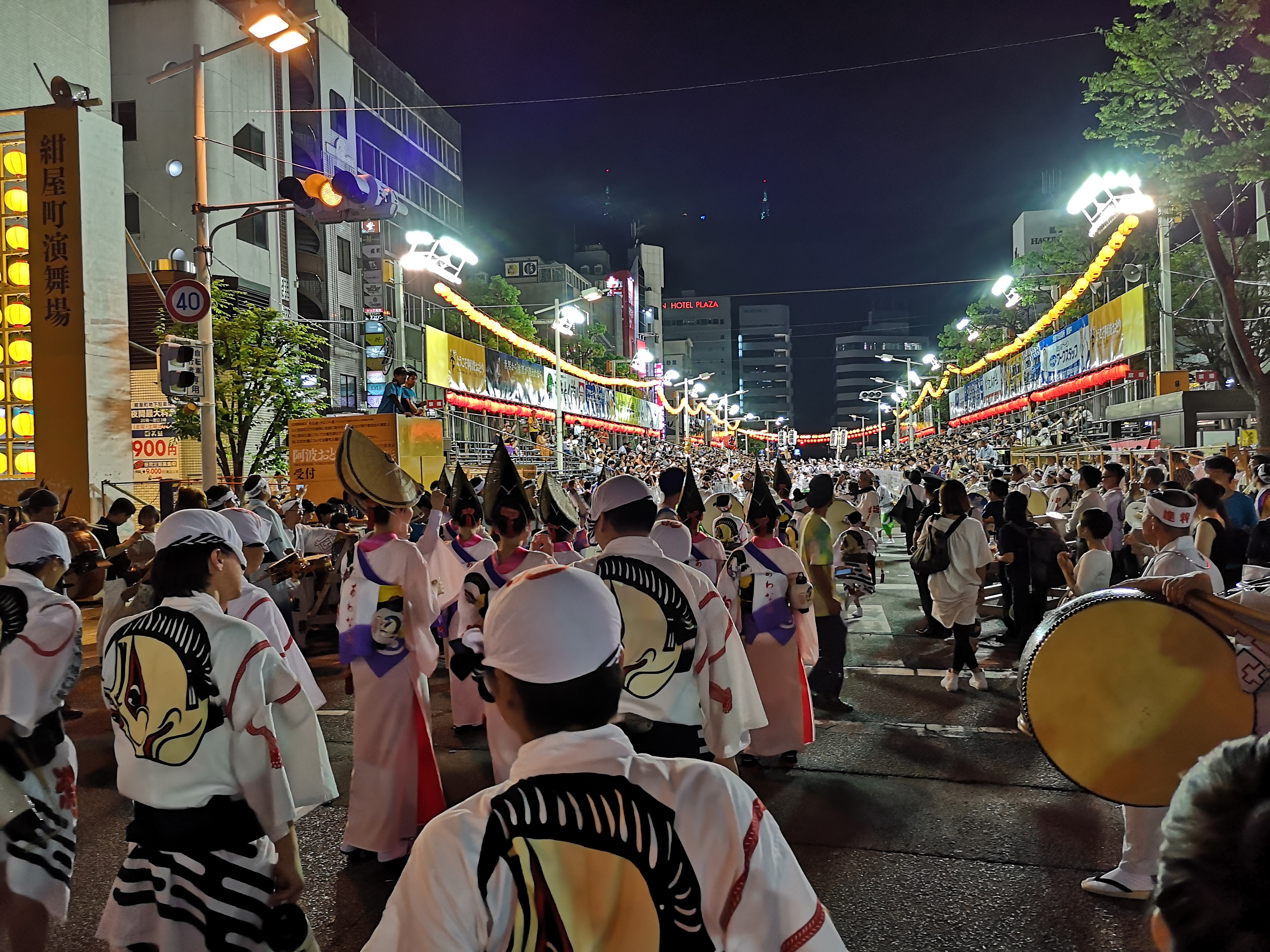
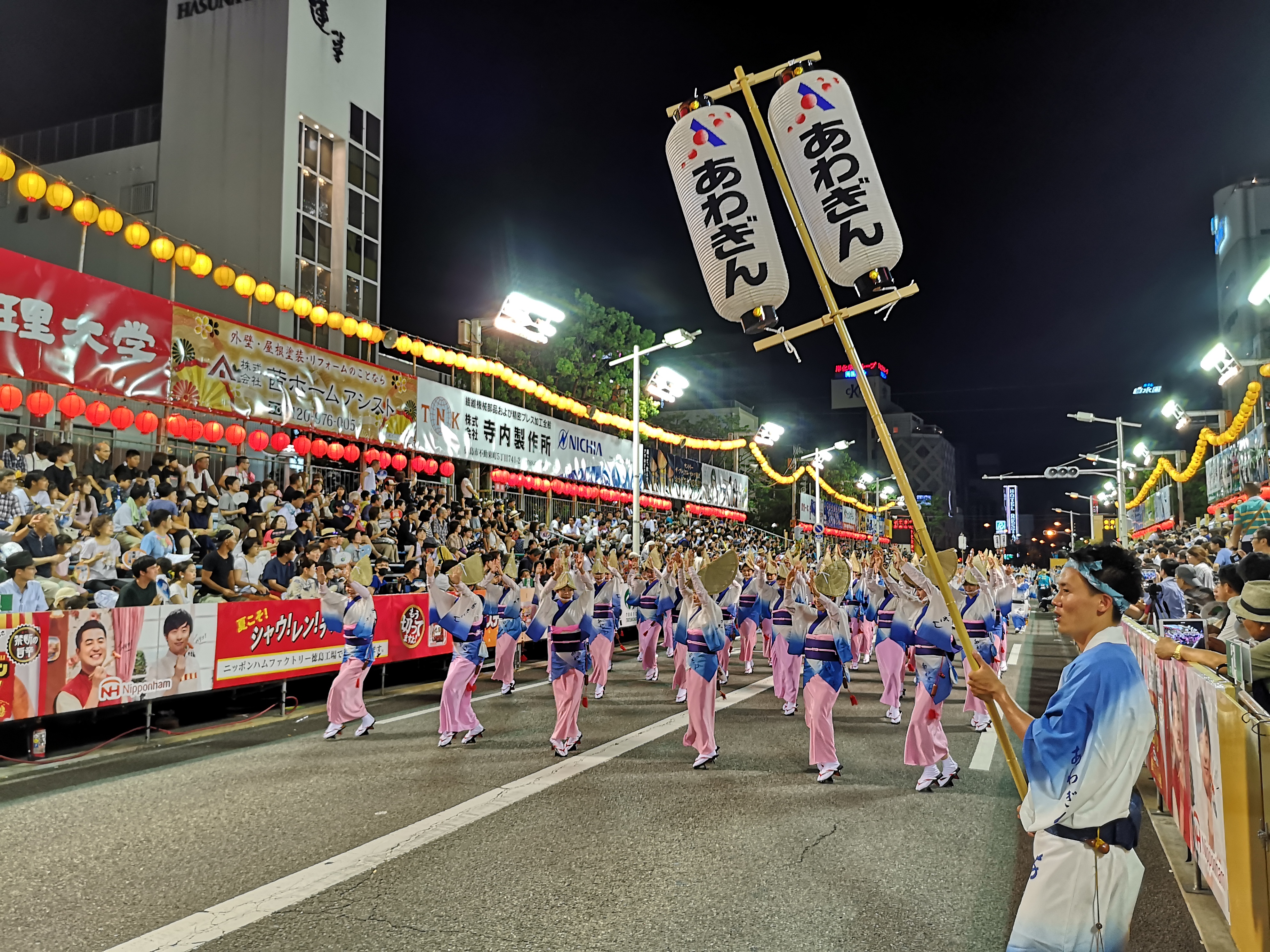
‘Awa’ is the ancient name for Tokushima, making Awa Odori literally the ‘Dance of Tokushima’. This 400-year-old festival runs for five days, from 11-15 August with over 100,000 costumed dancers braving humid midsummer heat from dusk until late at night, with 1.1 million tourists visit during the five days — more than doubling the city’s population.
For a few days, the region seems to slip into another world of crowds, heat, drums, bells, and shamisen. Yet amid this beautiful chaos, Japan’s excellence appears in its safety and orderly crowd management.
The essence of Awa Odori is captured in its famous chant: “Fools dance and fools watch, if you’re a fool either way, you’re losing out by not dancing!” This spirit grew from the merchant culture that flourished during Tokushima’s indigo boom some 400 years ago.
Though locals were usually thrifty and pragmatic, they spared no expense for this once-a-year festival. It reveals a fascinating duality in the Japanese psyche: normally reserved people releasing unbridled passion the moment they become dancers.
Awa Odori is far from disjointed chaos. Dancers perform in about 1,000 disciplined teams called ‘ren’, wearing matching custom-made costumes. Members of various ages and backgrounds practice year-round to master their group’s choreography and build the stamina to dance through the night. Some ren are formed by corporations, whose members dance to uphold the honor of their company name. Tourists can also join the Newbie Group, or ‘Niwaka-ren’, and become “dancing fools” on the spot.
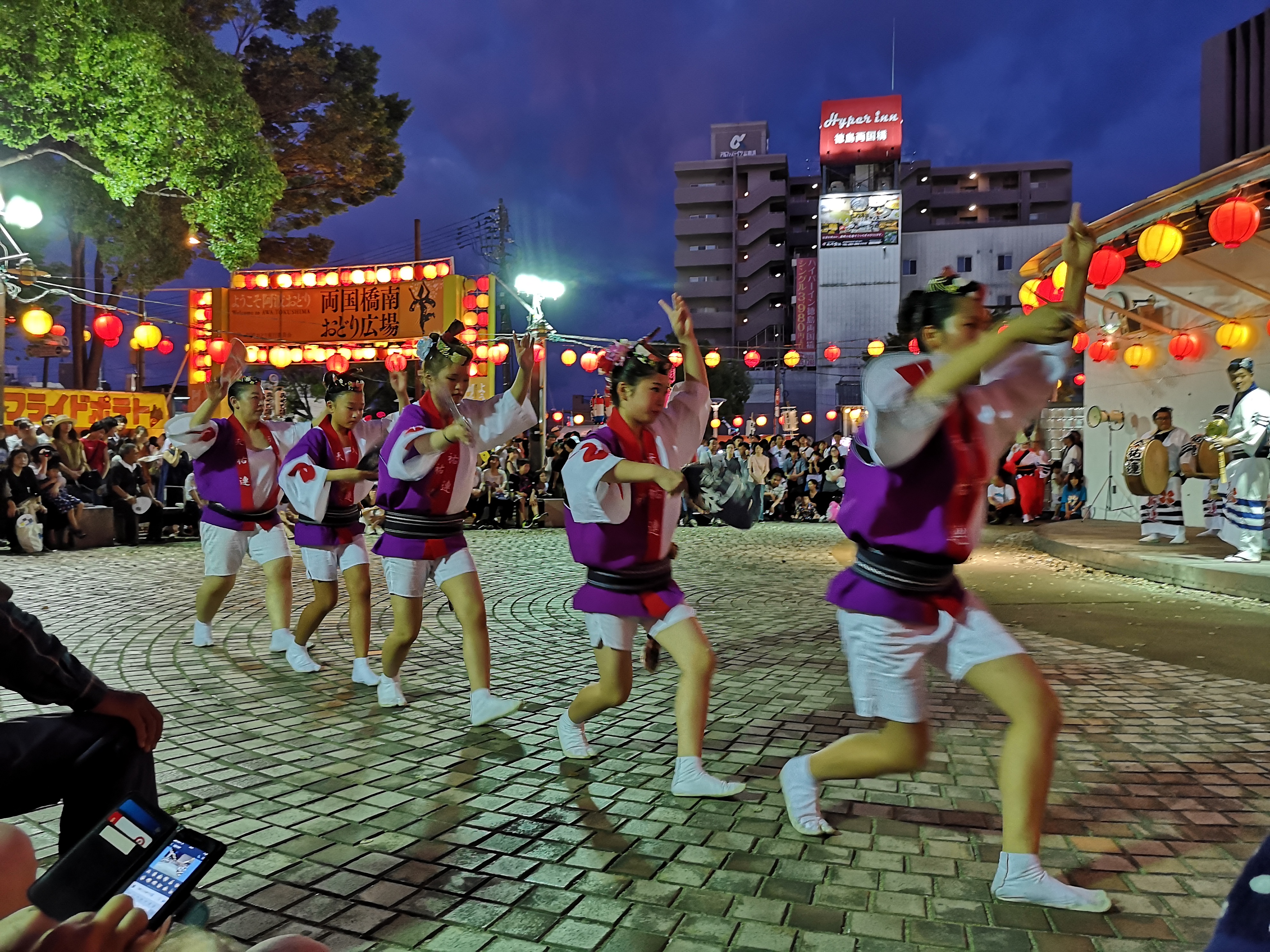
The names of these ren often reflect the festival’s humour, such as the Carefree Group (Nonki-ren), the Foolish Group (Aho-ren), Go-Ja-Hei (Nonsense), or The Wanderers (Furaibou). One especially witty example is the Takenoko-ren, or Bamboo Shoot Group, formed by students from the local medical institute.
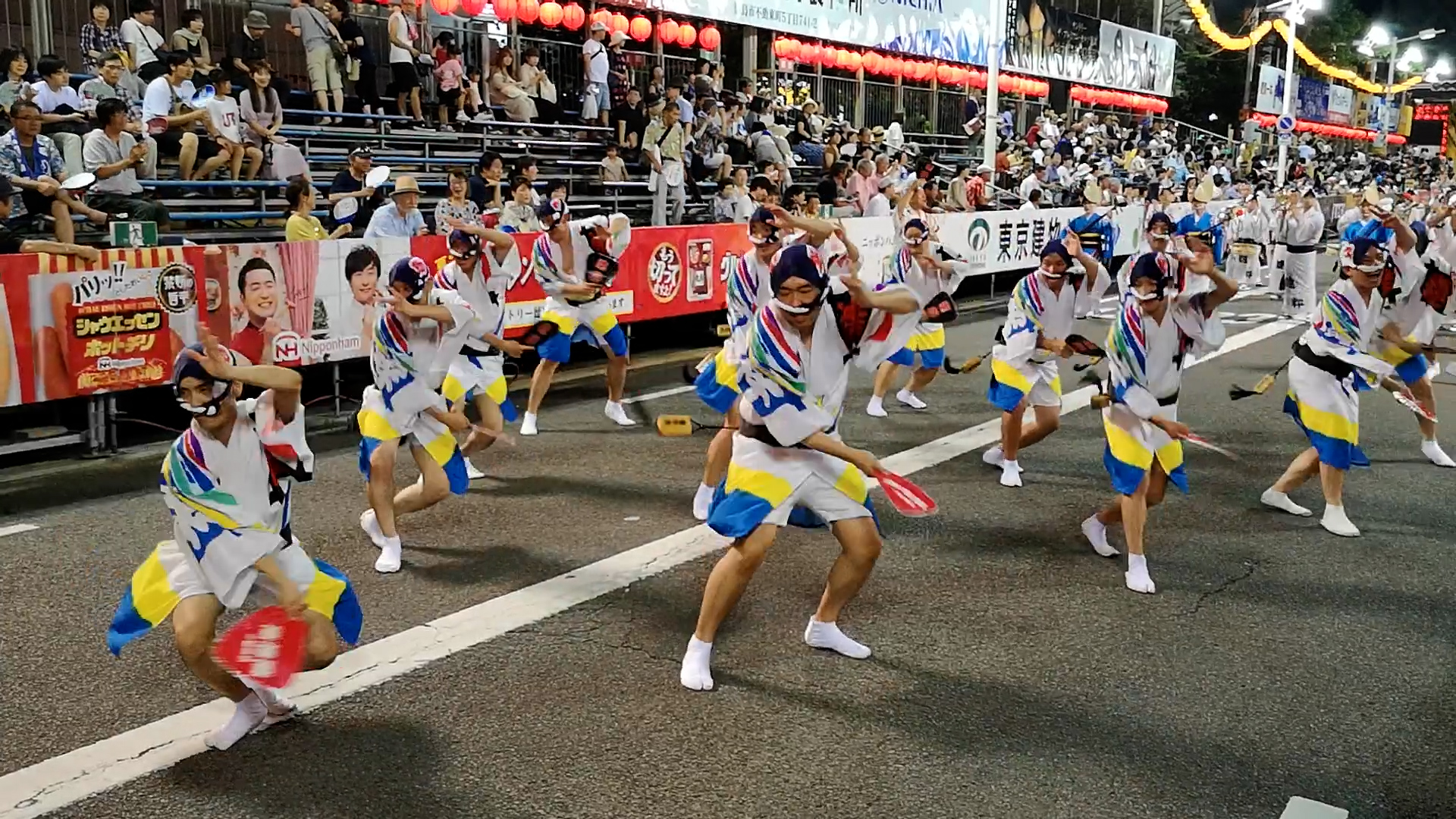
In Japanese, bamboo shoots grow into a bamboo grove, or ‘yabu’, which humorously echoes ‘yabu-isha', meaning a quack doctor. Rather than boasting that they will become great doctors, they jokingly call themselves future quacks—a joke born from quiet confidence.
I am passionate about Awa Odori because my family's roots are in Tokushima, where we learn it from a very young age and the event is woven into our identity and pride.
A few years ago in Kathmandu, I saw native Japanese teachers trying to teach Awa Odori to Nepali students who were studying the language to go to Japan to study or work, but their teaching methods missed the dance’s true theory because they were not from Tokushima.
I could not help stepping in: “Let me teach them. If we are going to do Awa Odori, let’s do it right.” Since then, every summer in Kathmandu, I have embraced the role of a Japanese person teaching young Nepalis how to become ‘dancing fools’.
Most of them would likely spend several years--or even longer--studying or working in Japan. When they face hardships there, I they might remember the moments when they were in the spirit of the ‘dancing fool’.
Orientation for Nepalis travelling to Japan is not just to learn the language, but also the Japanese spirit of resilience through dance. The DNA of Tokushima endures, and I am proud to share this heritage here in the heart of Nepal’s own beautiful chaos.
Miki Upreti, is a writer and cyclist, was previously a mountaineer and trail runner who has been connected to Nepal since 1985.