
 FOO CHEE CHANG PRINT RULES: Kantipur's lucky draw for inverters highlighted the woes of electronic media in Nepal |
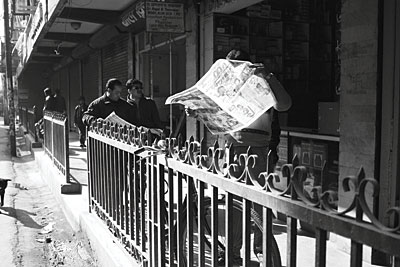
Despite the existence of a dozen television channels and over 200 FM radio stations, the year 2066 BS too belonged to the print media. The Nepali daily Nagarik and its sister publication Republica burst onto the scene, throwing the biggest bash in town when the twins completed 100 days. The tabloid Naya Patrika maintained its innovative streak. The trusted warhorse Kantipur consolidated its hold upon the public mind. And the Grand Old Lady of New Road — the venerable Gorkhapatra — survived the vicissitudes of the marketplace by devoting a part of the paper exclusively to the marginalised national languages of Nepal.
With so many daily publications to choose from, weekly newspapers lost some ground. However, newsmagazines didn't do too badly. The weekly Nepal, from the Kantipur stable, maintained its regularity and visibility on the newsstands. Fortnightly Himal Khabarpatrika contributed to the constitutional debate through a comprehensive package in every issue. Other periodicals such as Madhuparka, Yuva Manch and Mulyankan kept their own niches intact. The print media may be under the hammer in the developed world, but here in Nepal it's live and kicking. Publishers may not be very happy with advertising revenue, but editors have little to complain about as their readership and influence in national affairs rise.
The success of the print media can partly be attributed to the kind of fluid politics that makes straight reporting a dull and repetitive task. What can television cameras do when decisions are taken behind closed doors? The print media, by contrast, can have a field day analysing conspiracy theories from every possible angle and speculating about outcomes.