
Nilambar Acharya is the newly elected chair of the Constitutional Committee. Himal Khabarpatrika spoke to Acharya about the constitution-writing process and challenges. Excerpts:
Himal Khabarpatrika: What do you think are the major challenges for the constitution writing process? 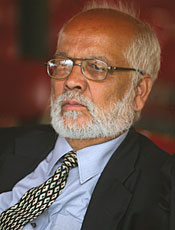
Nilambar Acharya: The biggest challenge is the growing animosity between the political parties, since a political consensus is crucial to complete the new constitution. Secondly, the peace process is not moving smoothly. Thirdly, there is the tendency to ignore the interim constitution and earlier agreements.
There's no agreement even on basic constitutional issues. For example, they haven't agreed on whether to have a presidential or prime ministerial system. The first session of the CA on 28 May, 2008 declared Nepal a democratic federal republic, but now some dispute even this. A democratic federal republic is our commitment and the constitution should be written on this basis as we agreed earlier.
Is it possible to complete writing the constitution within seven months?
Not unless relations between parties improve and there is a culture of compromise, consensus and rule of law, which shouldn't be hard to bring about. But we also need to realise that the constitution-writing process is by its very nature difficult and will take time.
Can't we promulgate some clauses by the 28 May deadline and resolve controversial issues afterwards?
No, there is a process to follow. We need to set the priority of tasks and implement them accordingly, be it PLA integration or the demarcation of provinces.