Three Himalayan mountaineering movies offer history, drama, and spectacular scenery of the world’s tallest peaks: ‘Tenzing’, ‘Everest: The Other Side’ and ‘The Last First: Winter K2’.
Each of the two documentaries and the biopic has its strengths with new angles on what it takes to summit in the most demanding climbing conditions anywhere on the planet. They also highlight the human emotions that test climbers in the struggle between success and failure.
TENZING
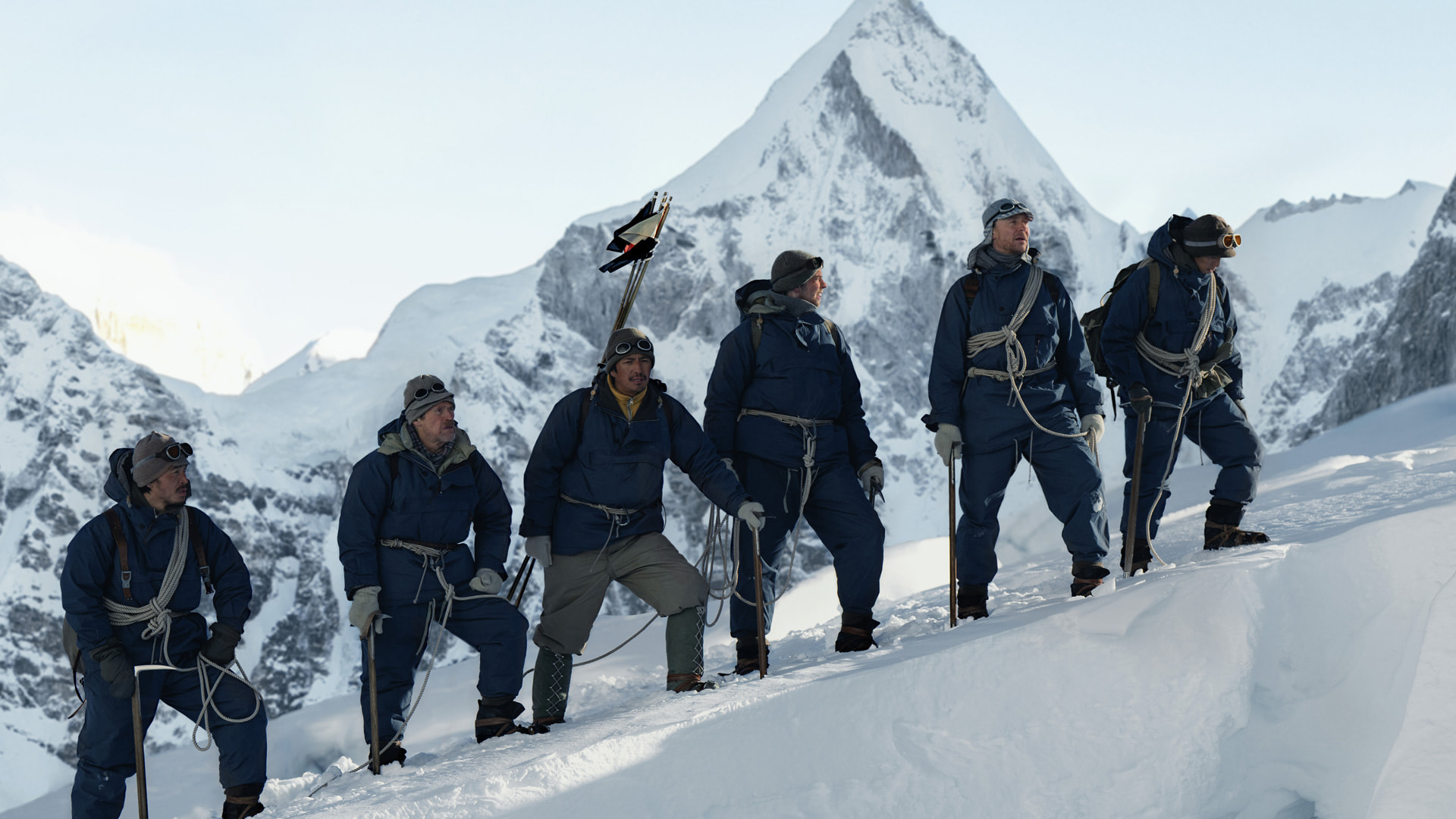
Still from Tenzing.
The most engaging of the current movies is ‘Tenzing,’ which tells the Mount Everest story from the perspective of Tenzing Norgay, who, along with New Zealander Edmund Hillary, was the first to set foot on the world’s highest mountain in 1953.
It is a long overdue portrayal of Tenzing’s crucial role in the first confirmed summit of Everest after many books and films that focused on Hillary and other members of the British expedition (see below).
Tenzing is played by three different actors in various phases of his life. The Tibetan actor Genden Phuntsok acts out Tenzing first seeking permission from the goddess Chomolungma to reach its highest point. This contrasts with the British military-style campaign to try to ‘conquer’ the mountain.
The movie which is only streaming on AppleTV and not in cinemas flashbacks to Tenzing’s childhood in the Kharta and Khumbu valleys and his young-adult years in Darjeeling to show what forces shaped his spiritual values about mountain climbing.
EVEREST: THE OTHER SIDE
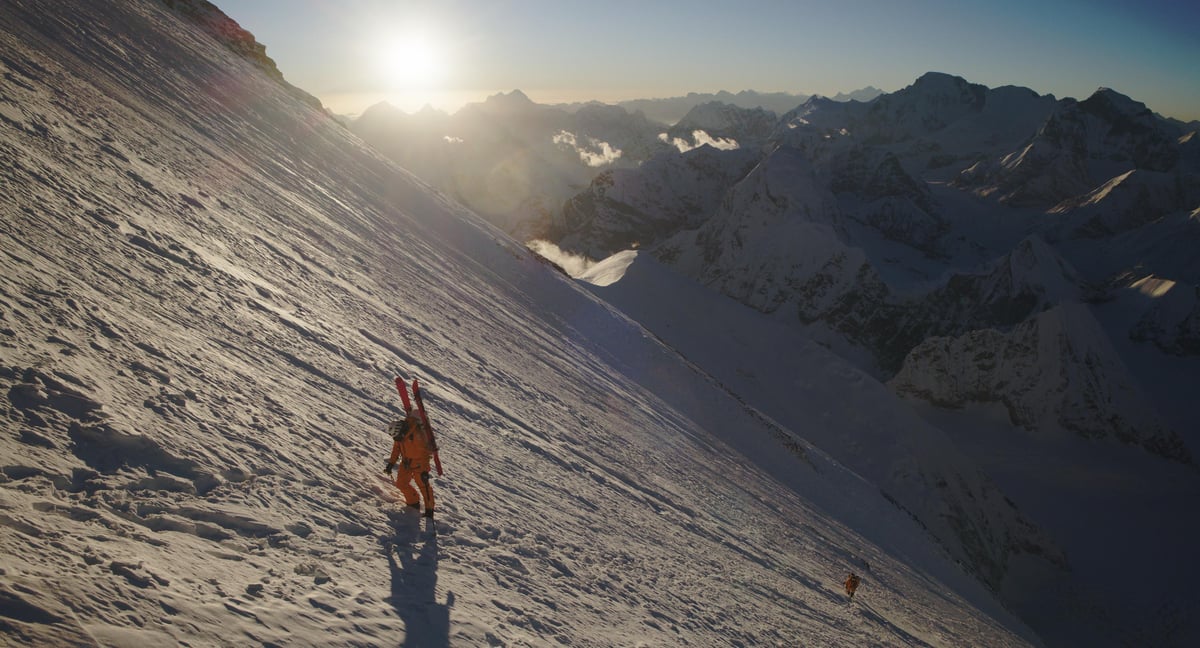
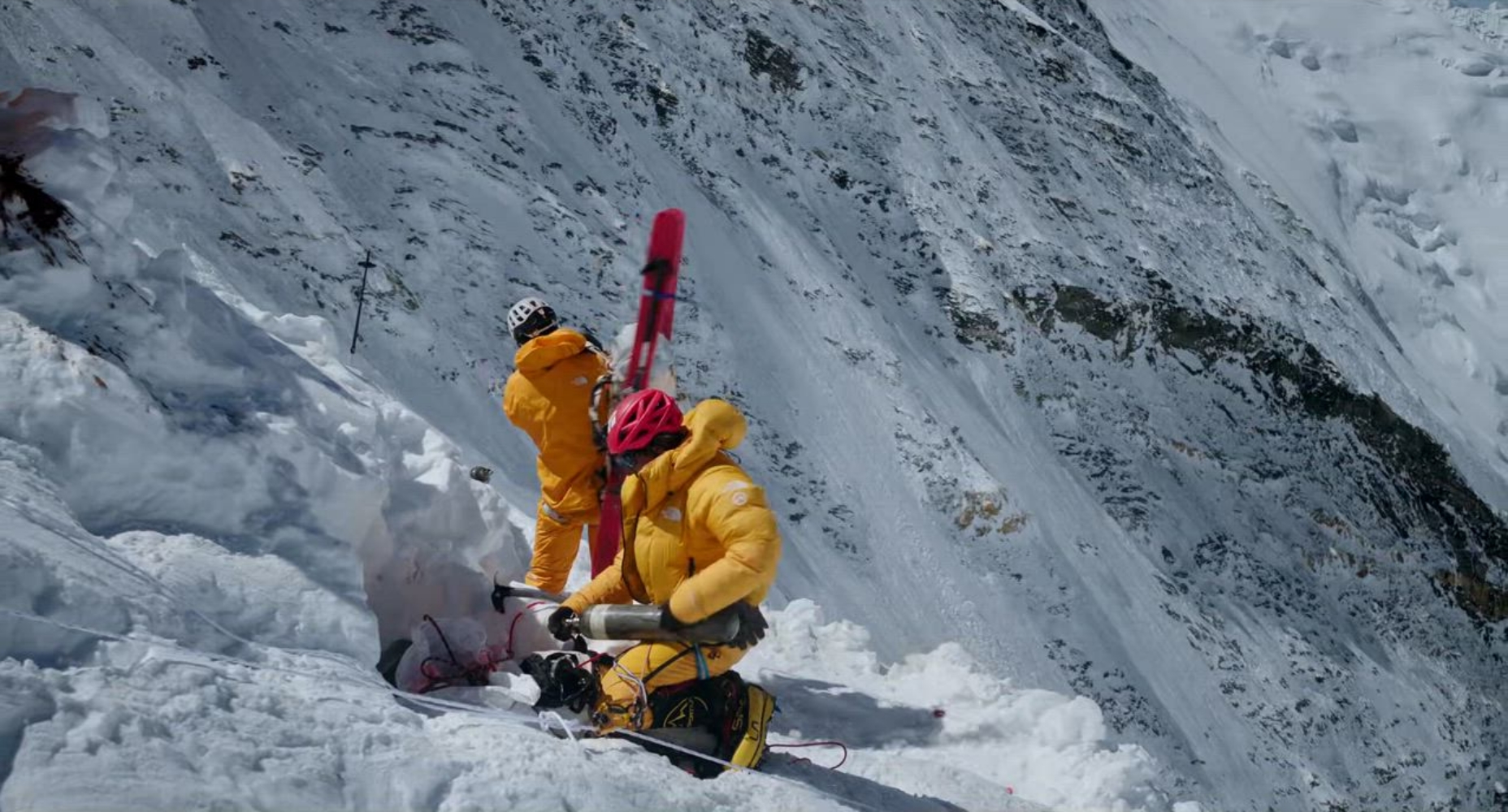
Still from Everest: The Other Side.
The National Geographic documentary ‘Everest: The Other Side’ chronicles how the American Jim Morrison sought to overcome personal loss and tragedy by climbing the North Face, and then skiing down it. The film is emotionally powerful as it presents Morrison’s multi-year quest to achieve a new Everest ‘first’, which he ultimately completed in 2025.
Earlier during a training trip on Manaslu in 2022, Morrison’s climbing and romantic partner, Hilaree Nelson, dies in an avalanche leaving behind two teenage boys without their mother. This and other losses described in the film call into question whether the risks and consequences of Himalayan mountaineering are worth the rewards.
The last 20 minutes of the documentary has stunning drone footage from high above Everest’s summit with views of mountains in Nepal and China. Academy Award winning co-directors Elizabeth Chai Vasarhelyi and Jimmy Chin managed a team of cinematographers that produced such awe-inspiring perspectives — especially powerful when seen in an IMAX theatre with its huge vertical scale. For Himalayan enthusiasts, the film is worth seeing just for that ending.
THE LAST FIRST: WINTER K2
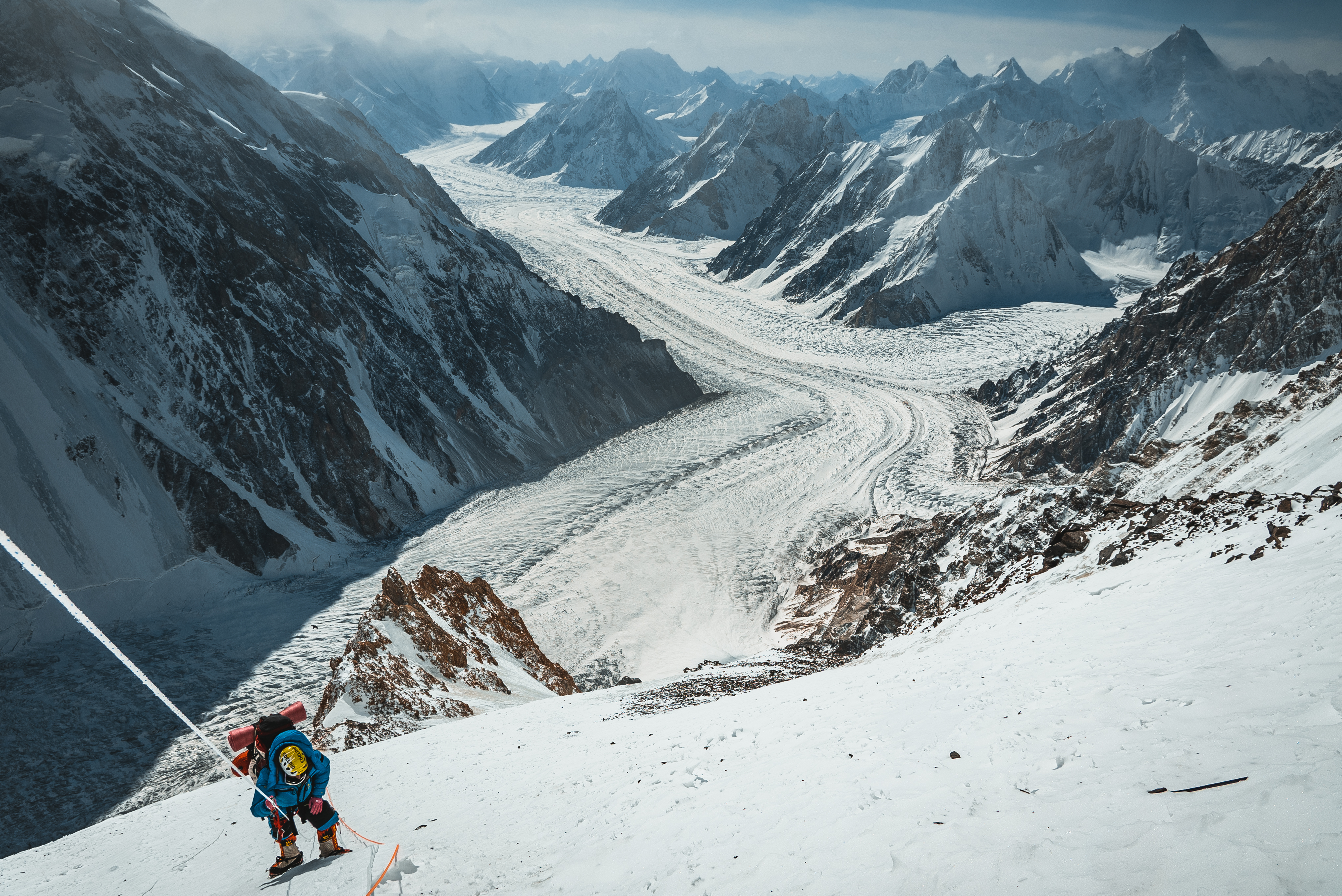
Still from The Last First: Winter K2.
At the start of 2021, 13 of the 14 8,000-meter peaks in the Himalaya had been climbed in winter: all except K2. Located deep in Pakistan’s Karakoram, the second tallest mountain in the world is technically more difficult to climb than Everest.
That is where ‘The Last First: Winter K2’ begins. The AppleTV documentary shows the irresistible attraction of a first-time winter ascent despite brutal conditions that had caused failure for six prior expeditions from 1987 to 2020.
Three groups of climbers show up at the K2 base camp in 2021, each with their own competitive ambitions. An all-Nepali team led by Nirmal ‘Nims’ Purja races to the top in an extraordinary demonstration of mountaineering skill and endurance to make the first winter summit of the mountain. The other two groups, including a commercial climbing company with novice participants, follow the same route and meet disaster.
Poor planning and terrible decision-making lead to five deaths on the mountain. The Nepali climbers are unfairly blamed for what happened, and the film seems to take that line. The Nepali climbers who were on the mountain have strongly criticised this premise of the film.
‘The Last First: Winter K2’ is strongest in scenes of climbers inside tents communicating with family members in their home countries trying to reassure them that everything is OK. But like a taut thriller, there is always the threat of something bad about to happen: a fierce storm or huge rocks falling from above, to turn a mountaineer’s dream into a nightmare.
Filmmaking in the Himalaya has come a long way since British Captain John Noel made his first feature film, ‘The Epic of Everest,’ in 1924. But as this year’s crop of three high-altitude movies show, the dramatic mountain images and storylines remain as compelling as ever.
Adam Stern is an American clean energy leader based in California.