
|
|
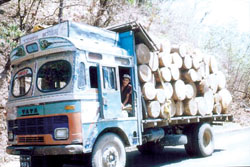
The history of development planning in Nepal makes for depressing reading. The idea of planned development was introduced in 1956 with the first of many five-year plans.
It assumed that the state was unitary, development was a problem with a technical solution and the growth model was best suited to us. So, we set about decimating our forests and invested in physical infrastructure emphasising the primacy of the state in economic decision-making. When King Mahendra staged his coup in 1960, he declared that he would deliver in a decade what other countries had taken centuries to achieve. He wanted to create an all-new civilisation with the crown at the top. With his edifice complex, he created towns by diktat and sought to populate them with hardcore loyalists. He supervised the mass transmigration from the hills to the plains. Within 20 years, the thick hardwood forests of the Charkose Jhadi were nearly gone and the newly malaria free inner tarai was filled with new hill settlers.
King Birendra introduced the element of space in national economic planning. With the help of geographer Harka Gurung, unitary control over the far-flung areas of Nepal was consolidated through regional centres. This approach was slightly modified during the post- referendum reformation exercises and 'Growth Corridors' tried to encourage private investment.
The 1990 People's Movement changed the politics but didn't question the development paradigm. In 1991, 46.7 percent of Nepal's population lived in the tarai, by 2001 the proportion was 48.4 percent. Planning dogmas are hard to discard. Whenever regional imbalance is discussed in Nepal, almost no attention is paid to the deliberate and unplanned transmigration of people from the hills to the tarai. Even less attention was paid to the expansion of urban centres and they spread like malignant growths.