
Eating and defecation. Activities so vital to our everyday lives, but which we take for granted. We don’t think about them much, so we turn over the pages with coverage of charpis or chulos.
No one cares much whether this country grows enough food or not, whether farmers get proper prices for their products, what happens when children don’t get enough calories at a young age, or how Nepali mothers spend their entire lives gathering firewood and cooking for their families next to smoky stoves.
The media doesn’t care much either about open defecation, hand-washing, diarrhoeal dehydration, separate toilets for girls in school. These subjects are too distasteful to write about, we hacks would rather focus on important subjects like the debate about whether or not elections will be held in November.
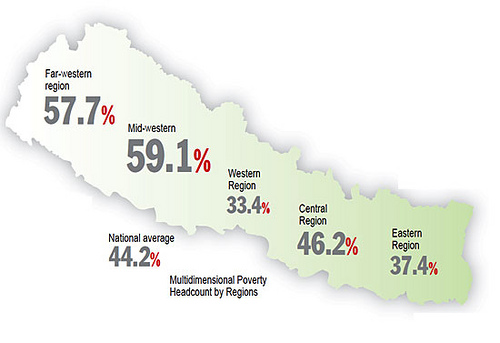
Yet, these are matters of life or death for most Nepalis. Eighty per cent of Nepali mothers (they are almost always women) cook with biomass: firewood, straw or dung. In remote mountain villages, indoor smoke from the hearth is a major killer of children. If it’s not acute respiratory infection and pneumonia, come summer children die from diarrhoeal dehydration or cholera because water sources are contaminated by open defecation.
On World Water Day]on 22 March, we carried a story that pointed out the glaring fact that only 40 per cent of schools in Nepal had toilets and only one-fourth of those schools had separate facilities for girl students. Only one-third of the population washed hands after defecation and only 14 per cent of them with soap.
The media isn’t really bothered much that the government is now on a toilet-building spree and districts are competing with each other to declare themselves open-defecation free. Already women in villages are refusing to marry into families that don’t have toilets. Catalysed by donors, water, hygiene and sanitation campaigns have now moved beyond being just an NGO project. It is a social movement which doesn’t need money as much as a change in mindset and awareness about how little it takes to save lives. When communities are empowered, they don’t need a donor-funded project. They need ideas and affordable solutions.