We have had more than a year now to ponder a ‘better normal’ for Nepal’s tourism industry. It has been pointed out that in the post-pandemic age, Nepal’s unique selling point should be parts of the country with unspoilt nature, tranquility, wilderness, and a sustainable and equitable tourism model.
Instead of mass tourism, experts have laid more emphasis on high value guests who prefer activities that are light on the land, rely on locally grown and locally made products as far as possible, and carry smaller carbon footprints.
A new breed of social entrepreneurs had been trying out this new style of tourism in Nepal even before Covid-19. But the pandemic has helped turn the trend from a fad into a necessity.
The questions being asked are: who really benefits from tourism and at what cost? How can the pluses be made to outweigh the minuses? What are the ways that trekking can inject income directly into the village economy, instead of local people getting only a trickle after the European wholesalers and their Kathmandu-based agents have subtracted their margins?
The entrepreneurs who were trying out this new model, are now in trouble because of the collapse of Nepal’s tourism industry. However, as consciousness grows among Nepalis with disposable income about environmental degradation and the need to reduce waste, plastics and fossil fuel use, domestic tourism could also be a driver for a better normal in tourism.
Indeed, three of the initiatives featured here indicate that tourism entrepreneurs have also woken up to the value of the domestic market. The growing number of Nepalis on the trekking trails and at major destinations and the initiatives to clean up garbage mean that Nepalis want to help fellow-Nepalis by travelling in Nepal.
Kalsee Ecolodge
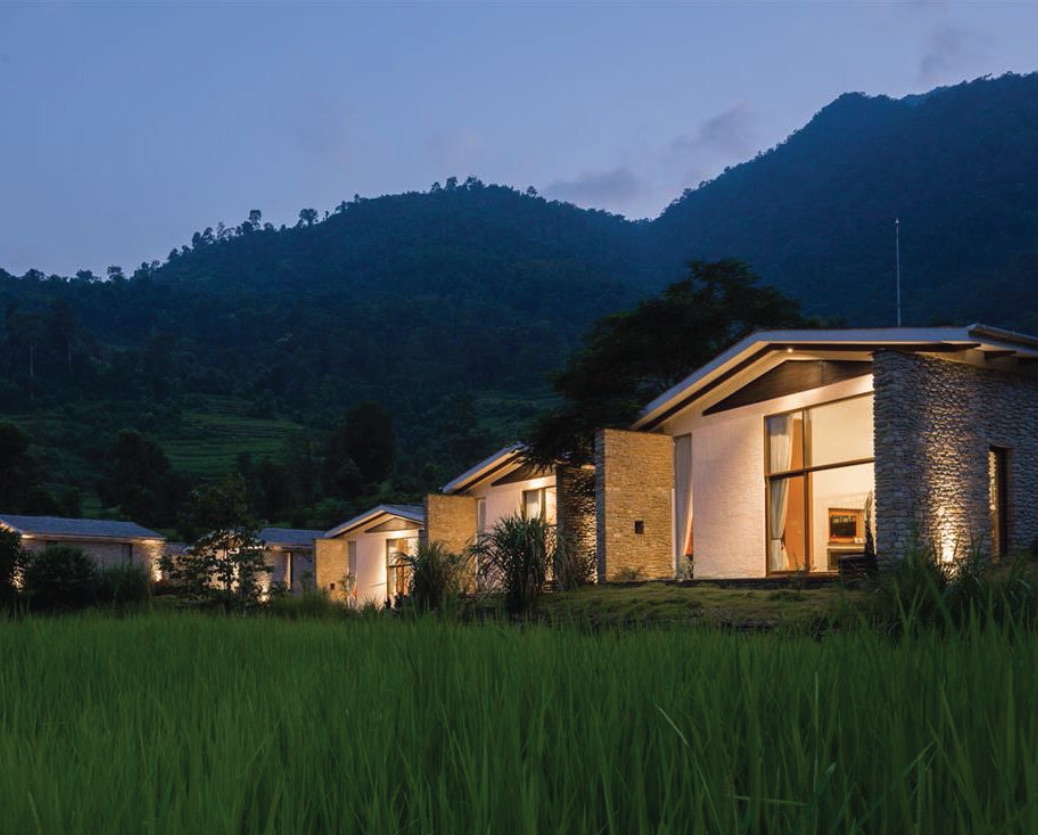
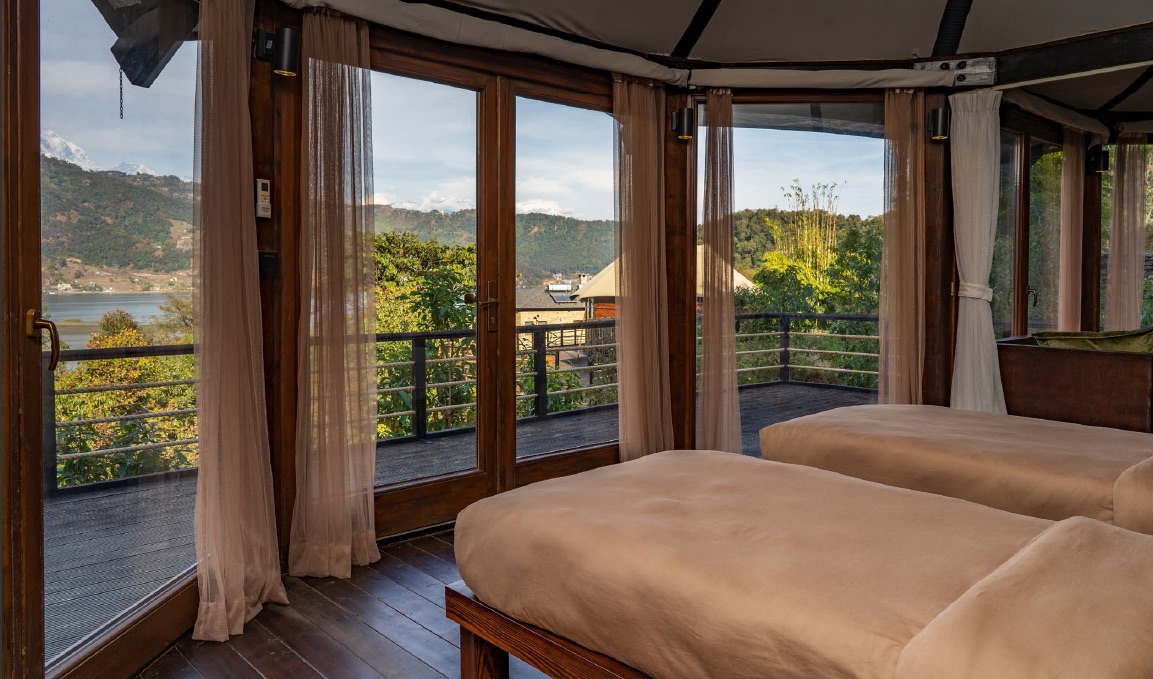
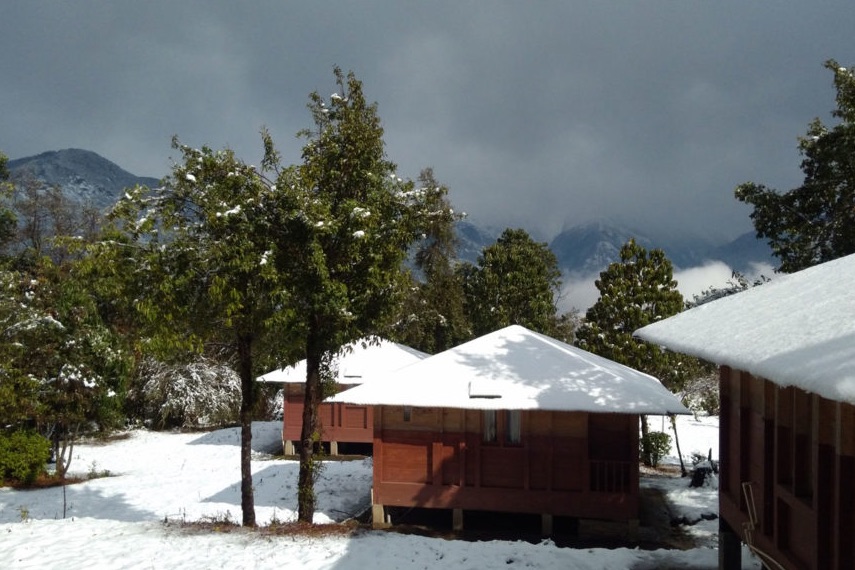
This quaint collection of cottages in the midst of forest hills with a magnificent view of Annapurna and Machhapuchre is located in Tanchok, a ridge 35km northwest of Pokhara off the Lumle Highway. It is high enough to get some snow in winter, and low enough for it to be warm and comfortable rest of the year.
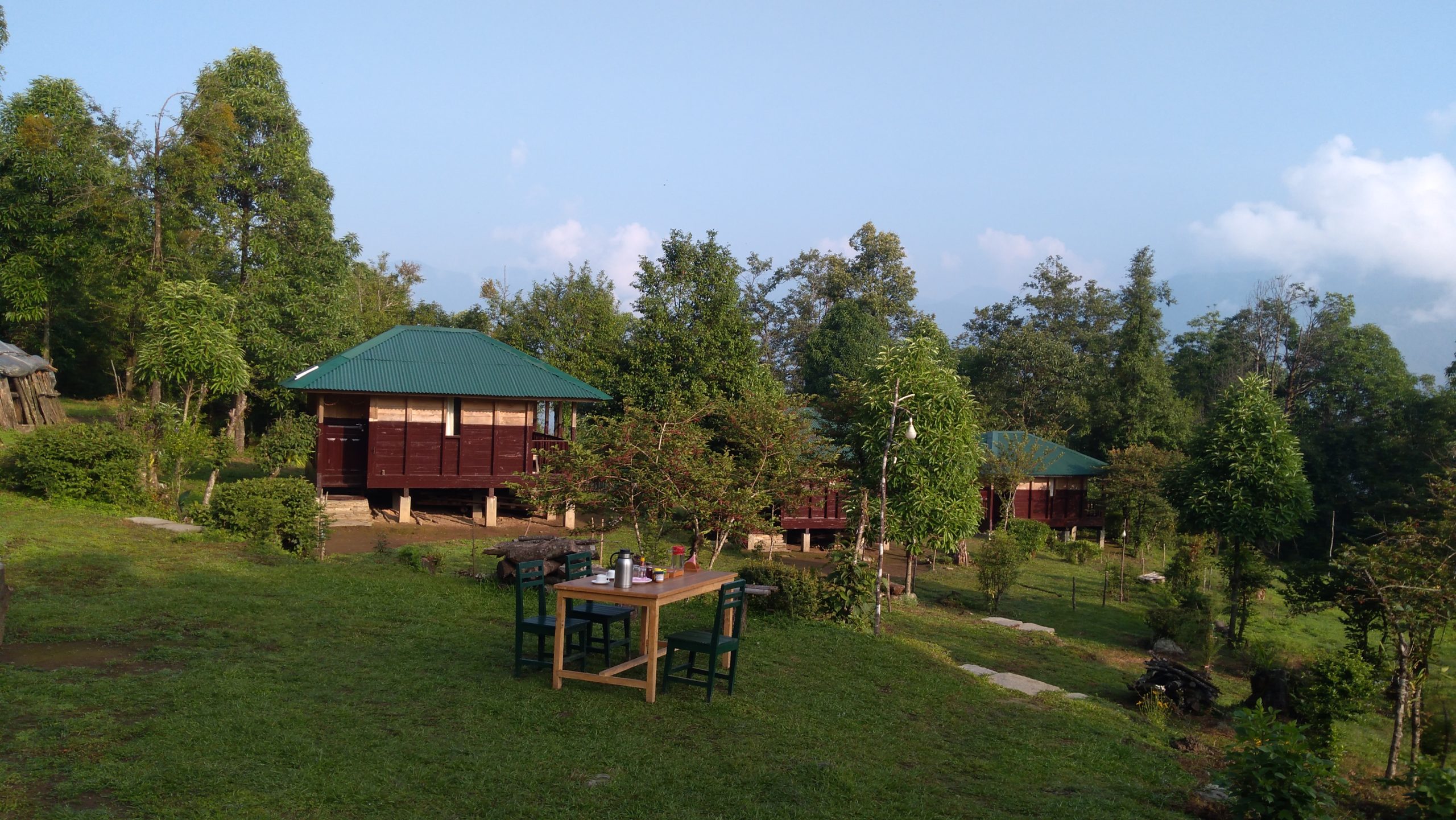
Kalsee Ecolodge was established to stimulate the local economy with an emphasis on income generation for women, promote eco-friendly practices and cultivate the idea of sustainable tourism for rural development.
It is 2km from the nearest settlement, and by staying off-grid and relying on renewable energy to power the hotel, supporting the local economy by providing jobs as well as sourcing all raw materials including food locally, following innovative waste management practices including the use of eco-friendly composting toilets that use natural decomposition and evaporation to recycle human waste, Kalsee touches upon several of the United Nations’ Sustainable Development Goals (SDGs) and is well aligned with carbon neutral accommodation services.
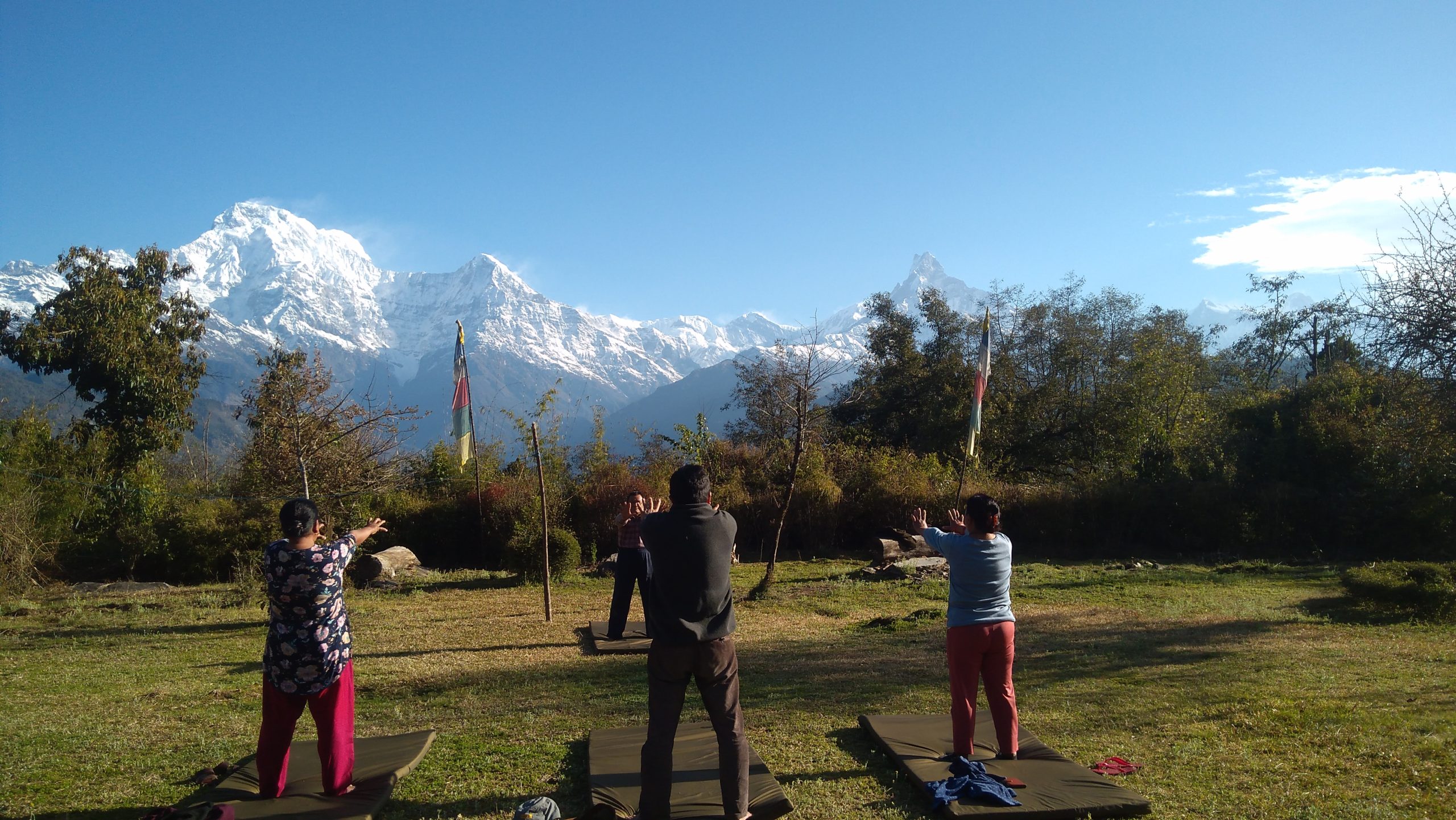
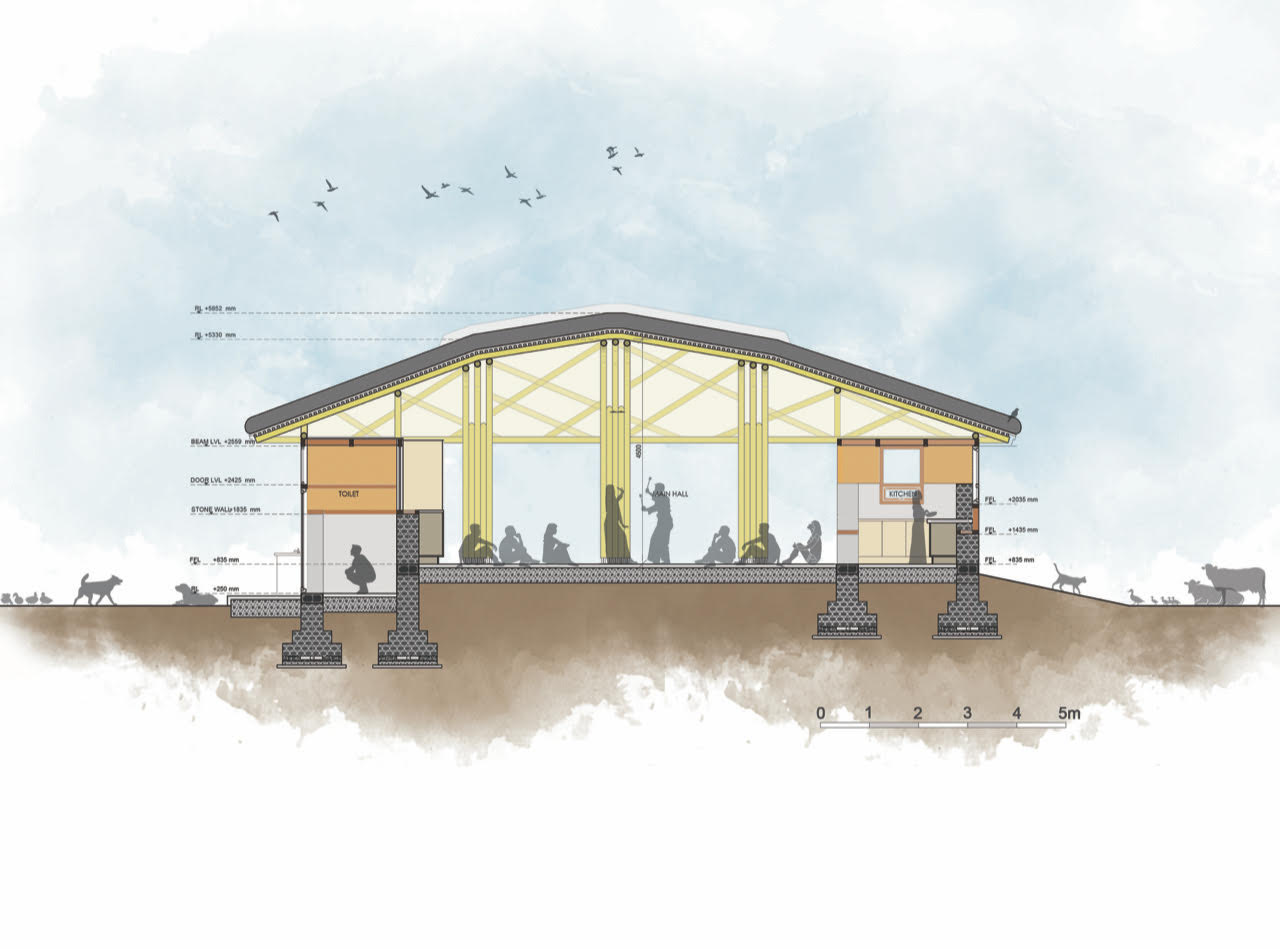
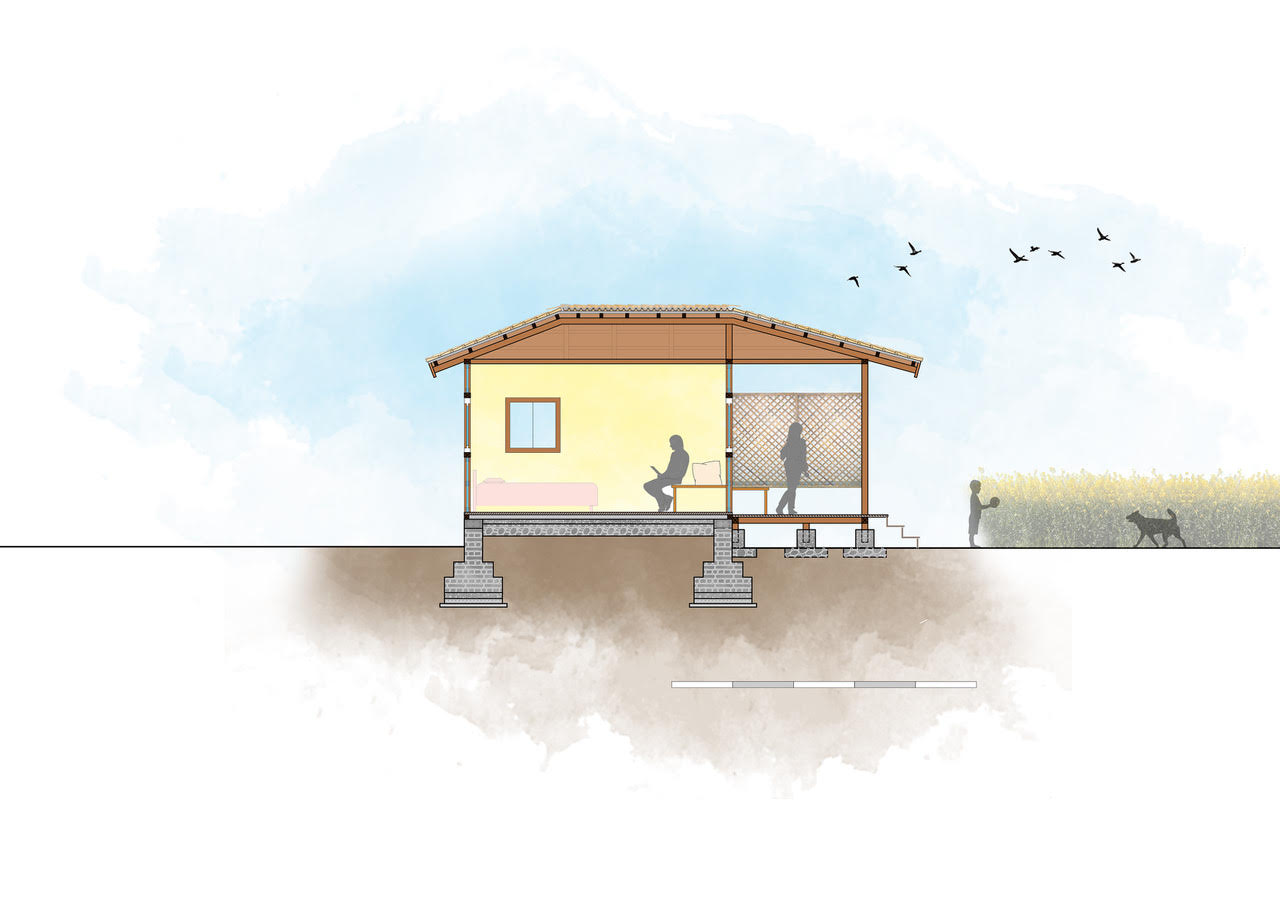
“Each cottage was designed with extreme care for the surroundings using local craftsmanship,” says General Manager Ram Bhakta Gurung. “Our food is all local dishes, prepared from ingredients produced by farmers in the surrounding areas.”
Because of its location and surroundings, Kalsee Ecolodge offers a variety of activities from meditation and yoga, bird and butterfly watching, to short forest hikes to unspoilt traditional Gurung villages nearby. The semi-tropical forests teem with wildlife, and there are 400 species of birds just in the surrounding mountains. A nearby hilltop offers spectacular sunrise views, and one-day walk away are the hot springs in Jhinuwa.
Madi Eco-village
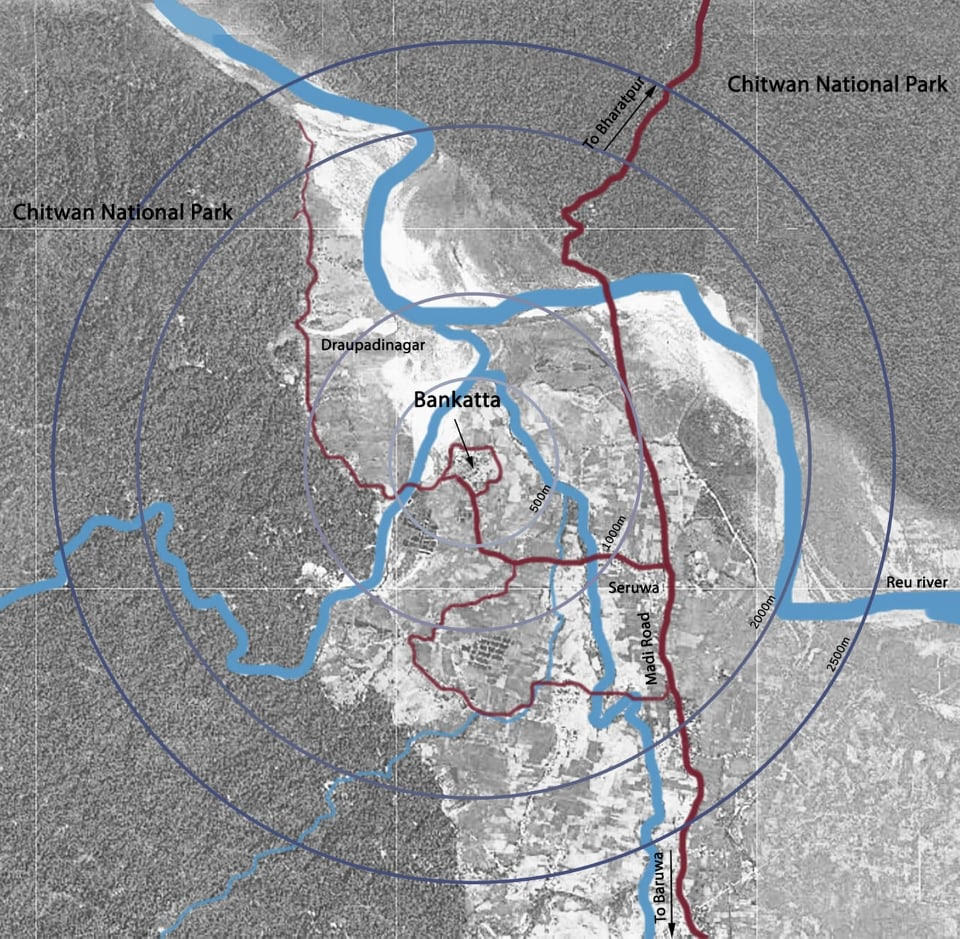
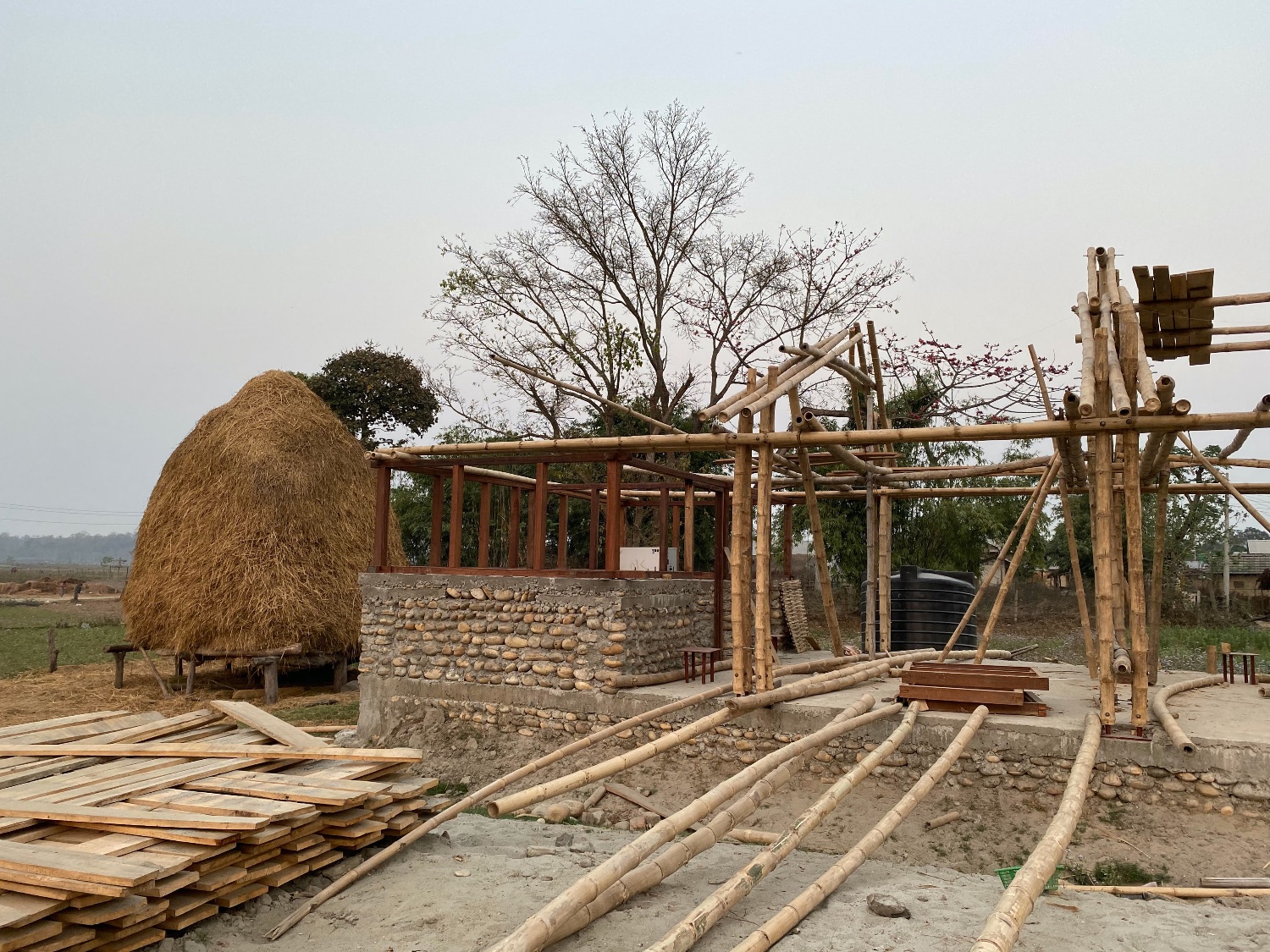
The Madi Valley is in Nepal, but its location south of the Chitwan National Park has meant that it has always been isolated from the rest of the country. This is also what preserved the region’s pristine environment and the unspoilt lifestyle of its people.