In front of the ashes of what used to be Ward 8 of Harion village, a crowd gathers. Two men are talking in Maithili: “They say they want to get rid of the provinces.’
The men were not part of the protests on 8-9 September, and have followed the news about some GenZ protesters wanting to abolish the 2015 federal republican Constitution that led to the establishment of Madhes Province.
Barely three weeks later, communal clashes broke out 70km away in Janakpur during a Durga immersion festival over Dasain, and a curfew had to be imposed. The Tarai districts along the Indian border with Hindu and Muslim communities have become chronic flashpoints for tension.
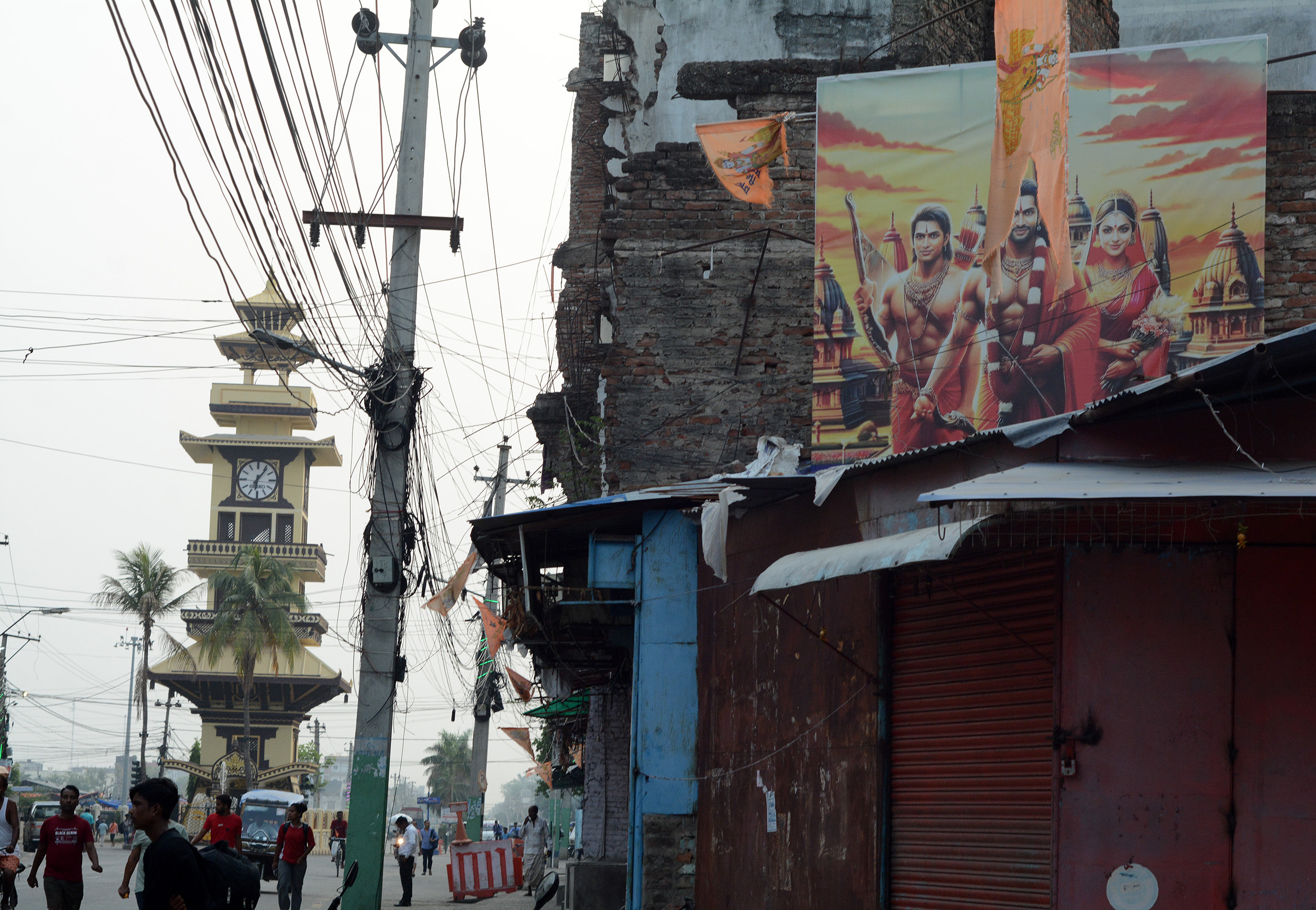
Between these two towns connected by the East–West Highway, the communal tension sits uneasily alongside earlier unfulfilled demands for provincial autonomy and at a deeper level the very idea of what it means to be a Nepali.
It is notable that many Madhesi political leaders who have been quick to protest against Kathmandu for greater decision-making powers under federalism have been more hesitant to address the religious tension within their constituencies.
This has led to criticism that the Madhes Movement’s promise of inclusion faltered when it came to protecting caste, ethnic and religious minorities. Muslims of the plains had supported the broader call for autonomy and Muslim activists were among those killed in various Madhes Movements.
Yet, they now find themselves caught up in rising Hindu majoritarian sentiments. Political analyst C K Lal has warned in his writings that continued ‘othering’ of the largest minority group in the Madhes could tear apart the province’s social fabric unless deliberate efforts are made to foster dialogue and trust.
The Tarai plains are home to 53% of Nepal’s population, and Madhes Province is the most densely populated region of Nepal. It holds a mosaic of identities, ethnic and caste groups. Muslims make up 12% of the province's little over 6.3 million population. Many of these groups share cultural and family ties with communities across the border.
Then there are the indigenous Tharu and Rajbanshi, and Pahadi communities who do not identify as Madhesi. There is a distinction about who is ‘Madhesi’ and who is a mere ‘Madhesbasi’. There are those who were moved down in state-sponsored trans-location from the mountains to the plains in the past century, settlers from India, and those who have moved south to the plains for an easier life.
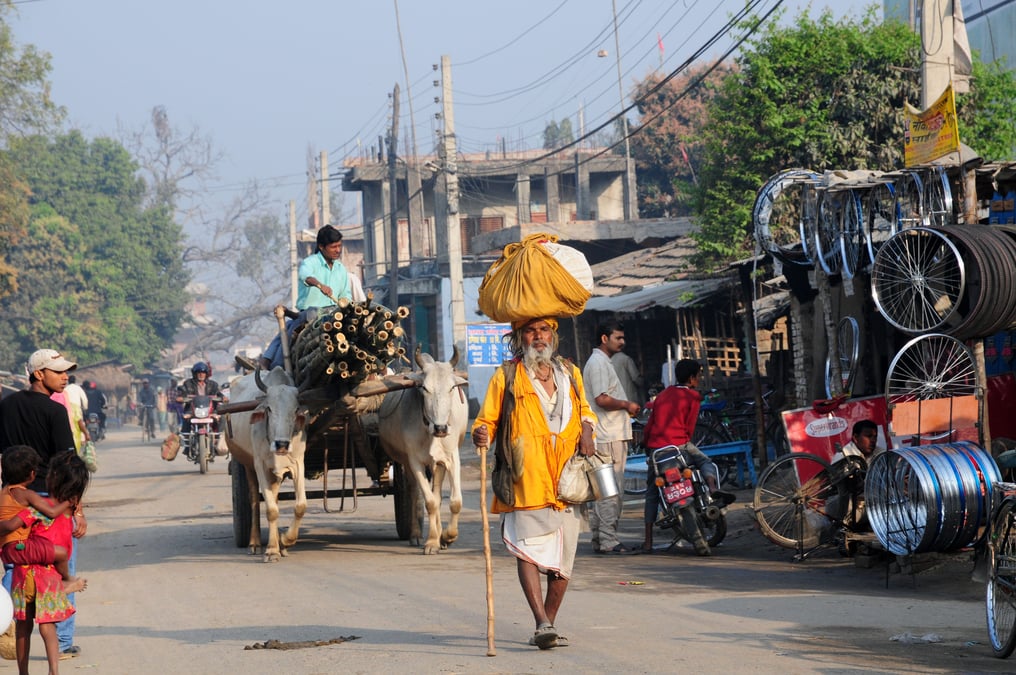
The Madhes has hosted a rich tapestry of identities that have mostly coexisted peacefully. There are temples and mosques on the same streets, their calls for prayer often overlapping. The Malangbaba temple in the headquarter in Sarlahi was built to honour a Sufi figure and is revered equally by Hindus and Muslims in an annual fair in March.
This diversity in Madhes Province and the Tarai in general also means competing political interests, and occasional friction. Caste divisions add to the complexity: with entrenched hierarchy within Hindu communities. Dalits form 15% of the Madhesh Province population and feel excluded despite the movement for political autonomy.
The Madhesi identity is therefore pluralistic, and the Madhes Movement tried to encapsulate different groups for one political cause, although not quite successfully. The layers of othering that excludes Madhes from mainstream politics of Nepal is replicated inside the politics of Madhes as it fails to proportionally represent Muslims and other secluded groups.
MADHES GENZ
Despite the lingering effects of exclusion by the Nepali state, young Madhesis also joined the GenZ protests last month in a renewed attempt to make their voice heard.
“In essence the GenZ protest had resonance because it captured the frustrations of Madhes and dissatisfaction against a corrupt system,” says GenZ activist Nancy Yadav.
The protests on 8-9 September led to widespread destruction across the province, with 90 police posts, 207 government offices and dozens of vehicles set ablaze or vandalised.
Imran Khan, 23, drives a rickshaw in Harion and says the Madhesi people are used to protests, but this is the first time he found his own peers also engaged in a political rally.
“We talk more about politics now than before,” he says. “The GenZ wanted their rally to be peaceful, but somehow old political players caused more damage than good.”
Aayush Karna in Janakpur concurs: “The youth here also marched alongside all of Nepal to demand for corruption free and a more just Nepal. But we were shocked on the second day to see how much damage was done so rapidly. Like the GenZ in Kathmandu the movement was hijacked, and that was not what the GenZ wanted.”
SAME PAGE
Nepal adopted its federal Constitution in 2015 to address decades of exclusion by Kathmandu, decentralise political power and give the Madhes and its minorities a political home.