
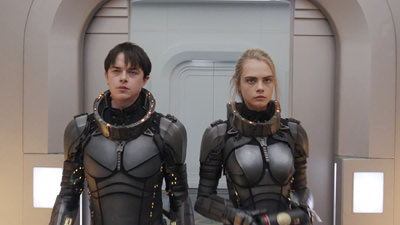
Don’t listen to what anyone says about Luc Besson’s latest and greatest sci-fi epic, just go watch it and decide for yourself. Valerian and the City of a Thousand Planets is a joy for everyone who loves science fiction, and an essential addition to Besson’s oeuvre, which includes classics like The Big Blue (1988), Nikita (1990), Léon: The Professional (1994), Lucy (2014) and now this big-hearted, glorious, stunningly beautiful adventure that leaves the films based on Marvel and DC comics looking like they were made by unimaginative, heartless amateurs.
A wondrous imagination has always been at the core of Besson’s best films, and Valerian and the City of a Thousand Planets represents perhaps the apogee of that extraordinary quality that has allowed Besson to stand apart from his contemporaries. The original source material for Valerian comes from a beloved French sci-fi comic series titled Valerian and Laureline but Besson resisted making a film based on these comics for years, realising the visual demands could not be met — until James Cameron unveiled his magnum opus Avatar in 2009 and Besson saw a way to bring these richly detailed comics set in a never before seen futuristic world to life on the big screen.
Valerian and the City of a Thousand Planets must be seen in the cinema, and in 3D. From beginning to end the film will leave you open mouthed in astonishment and wondering why other mainstream films just don’t produce the same amount of joy. It is a visual treat, but also an example of just how big budget films can be mind-bogglingly gorgeous to look at, if the director actually knows what he is doing and can reign in the visual effects people when there is millions to play with.