The monsoon has got bad press because Nepal’s tourism operators actively told visitors to avoid the rainy season. It is time to change that.
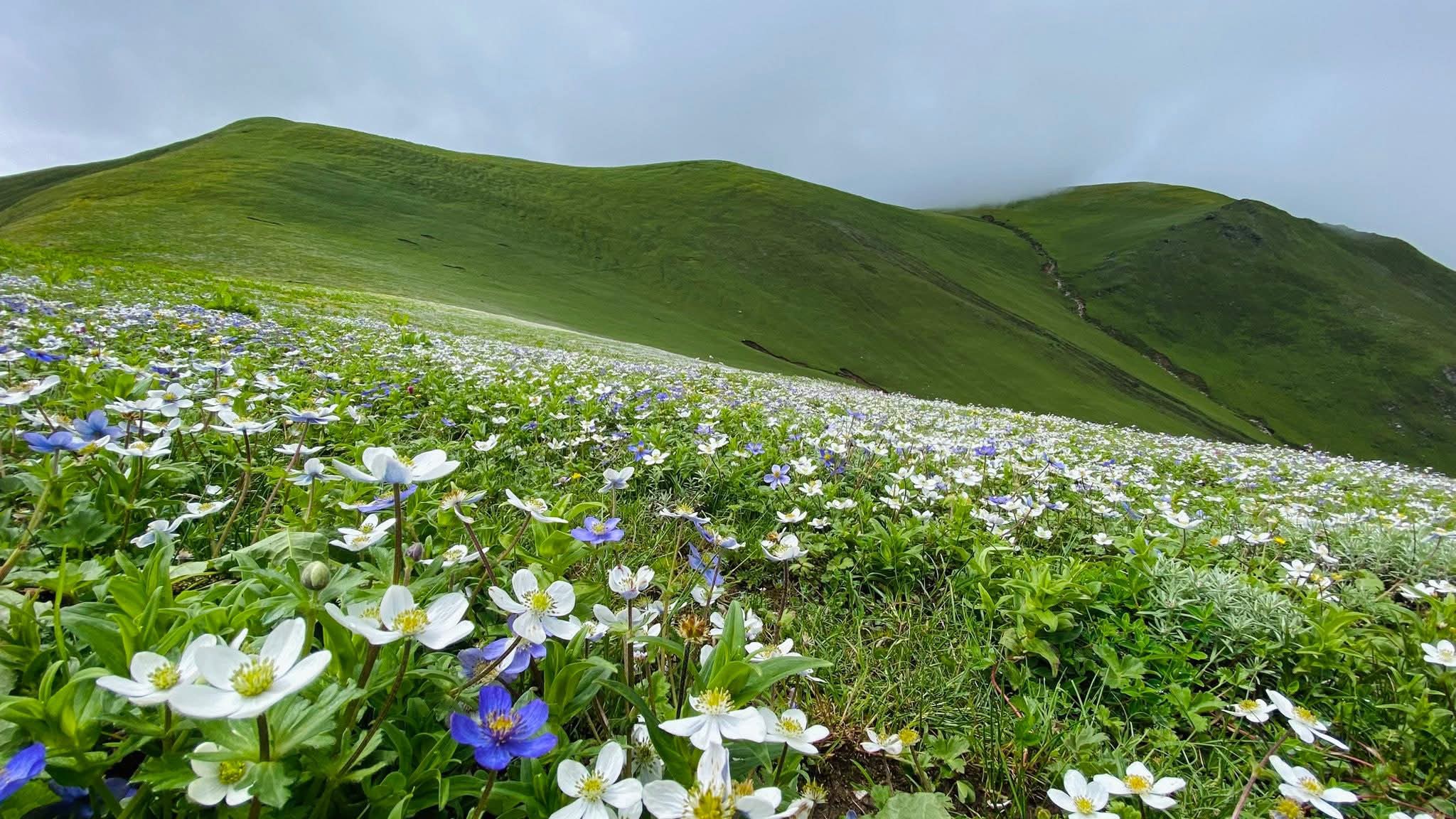
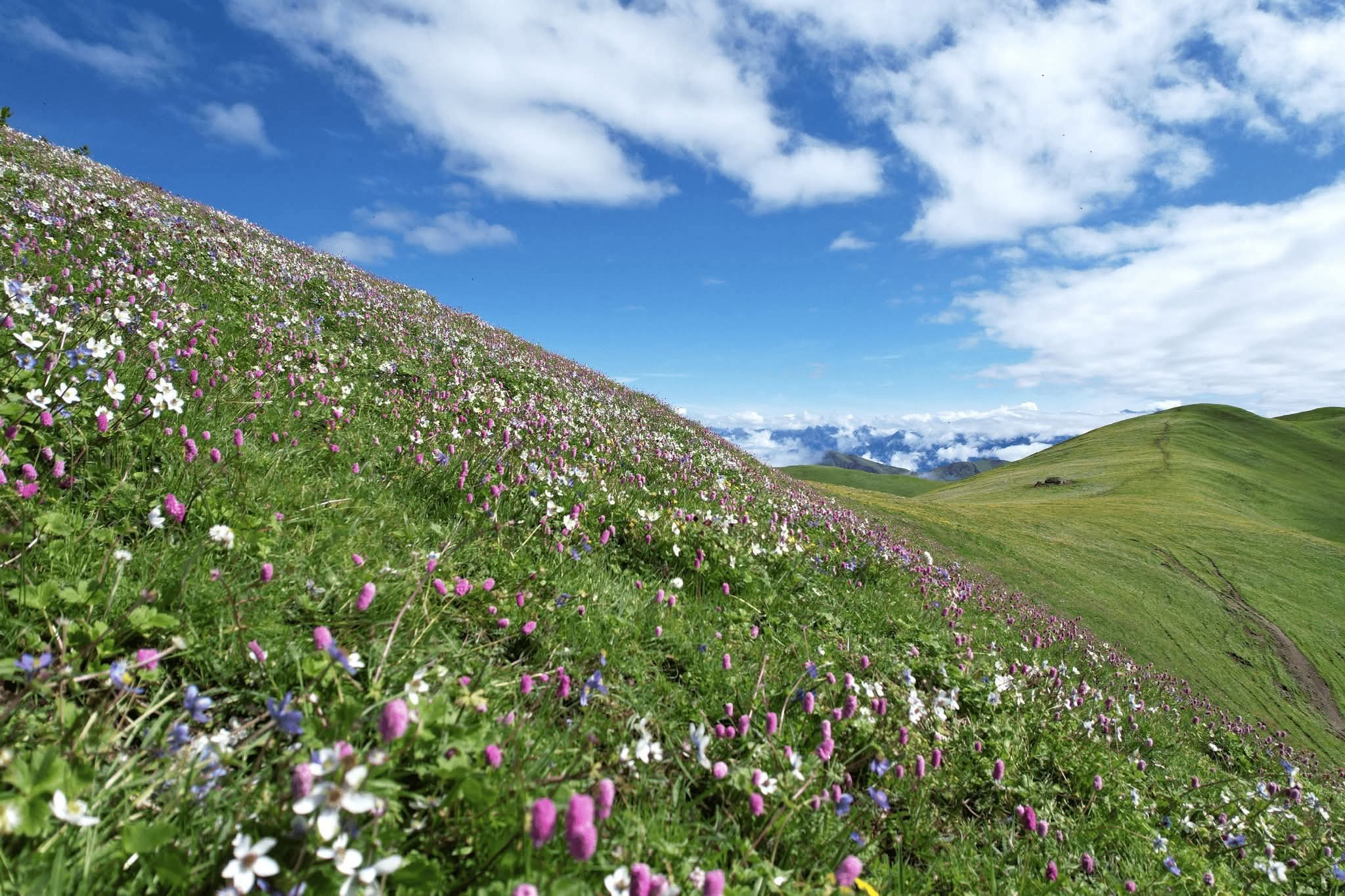
The reason can be found right here in the vast alpine meadows of Central Nepal where this time of year you can walk on velvet grass of pastures abloom with delicate pink, red and yellow flowers as the mist rolls up the valley. There is no sound except the hum of bumble bees.
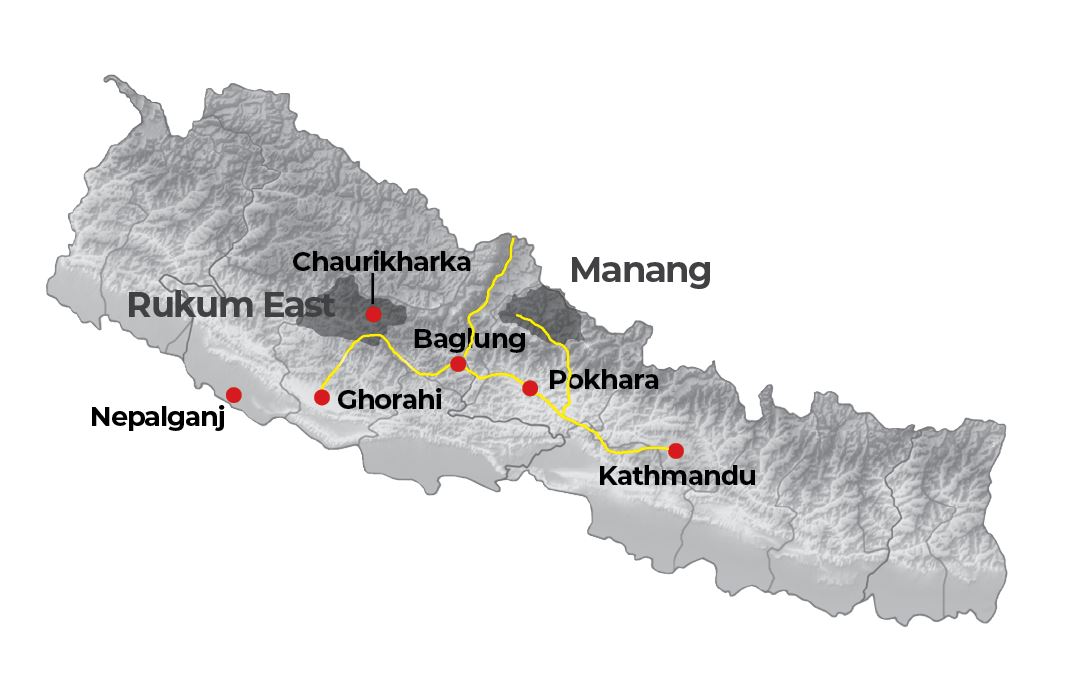
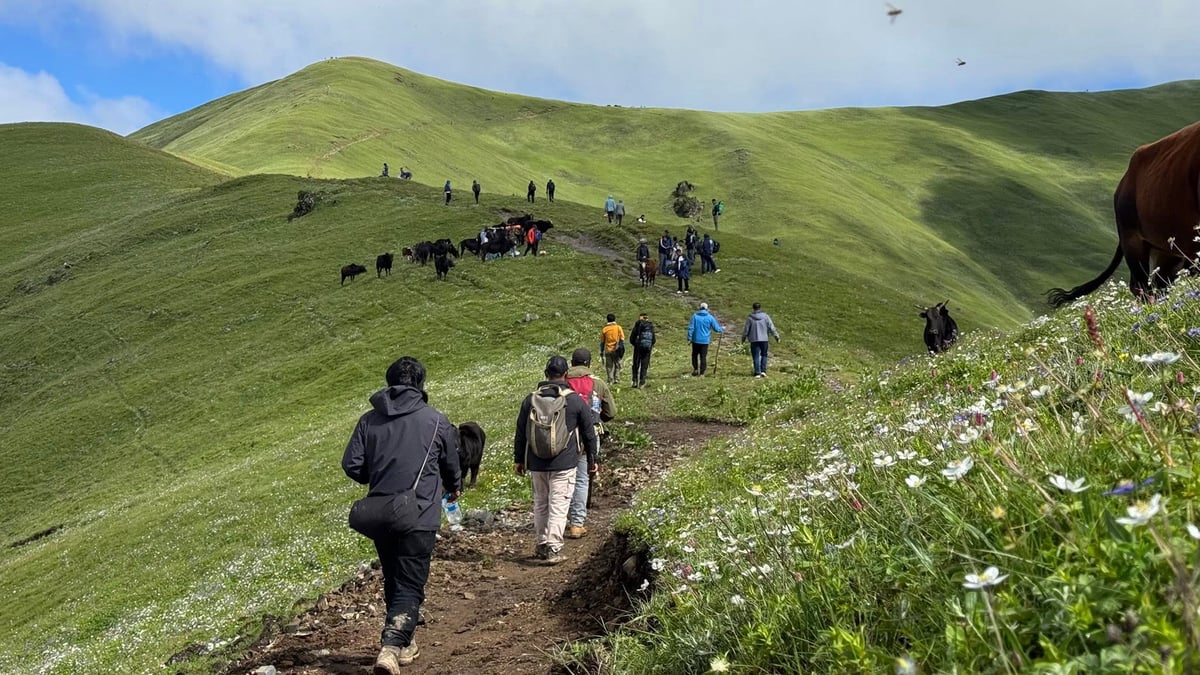
There are dozens of places across high Nepal called Chaurikharka, which means yak pasture. But this particular Chaurikharka in Rukum East located at an altitude of 4,000m stands out for its serene beauty, rustic charm and bucolic setting. There is just the occasional chime of yak bells in the distance, and the sharp whistle of herders corralling sheep.
The grass shoots are so fragile that one hesitates to step on them, the rounded ridges appear and quickly vanish in waves of mist. With the arrival of monsoon, these meadows are a soothing shade of green dotted with millions of multi-coloured flowers.
Until very recently, it took a week or so to hike up to places like Chaurikharka, but with the expansion of the road network even to these far-flung mountains in the lap of Dhaulagiri, they are much more accessible. It is just a three-hour uphill from the Mid-Hill Highway on the border between Baglung and Rukum East.
Purists would say that such easy access devalues the sanctity of these remote high meadows, but it also means more people will be moved to treasure the experience, appreciate the value of nature so they can take steps to protect it.
To be sure, the monsoon season can be challenging for road travel. The roads are rough even at the best of times, and in the monsoon they become muddy and treacherous, often blocked by landslides. But that could be precisely the kind of adventure that the more intrepid visitors crave.
Improved road connectivity has already made Chaurikharka and places like Badimallika and other sacred lakes in the mountains of western Nepal popular with domestic tourists. What is driving this traffic is the urge to go to exotic new places and share videos and selfies on social media.
Several of Nepal’s travel vloggers have visited Chaurikharka and popularised the place, enticing followers on TikTok or YouTube to retrace their footsteps. But even as they become more popular, these fragile and once-remote places should be protected from over-tourism.