
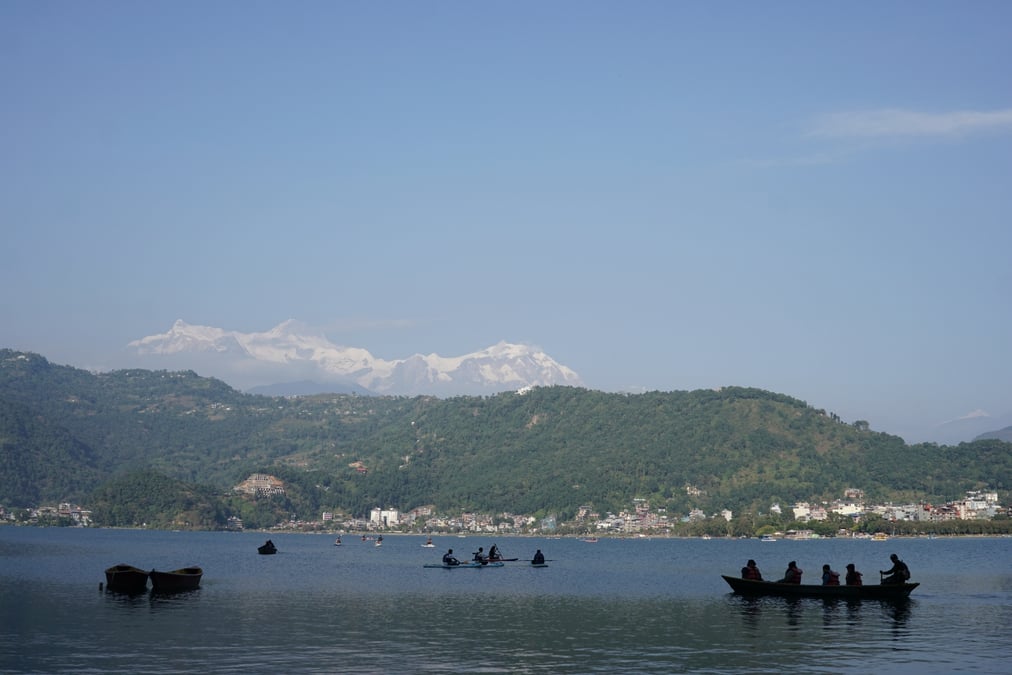
Along Lakeside in Pokhara these days, many Indian visitors would think they had never left their country. The smells, sounds, and sights could be of Nainital or other hill stations in north India.
At the World Peace Pagoda, Sarangkot or the Shiva Temple, Indian tourists outnumber Nepalis. Restaurants, hotels, petrol stations, night clubs are crowded with Indian customers. On the highway to sacred Muktinath in Mustang, every other vehicle has a Uttar Pradesh number.
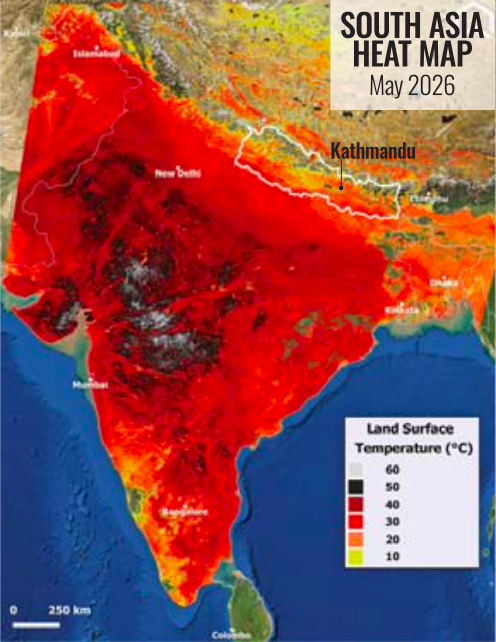
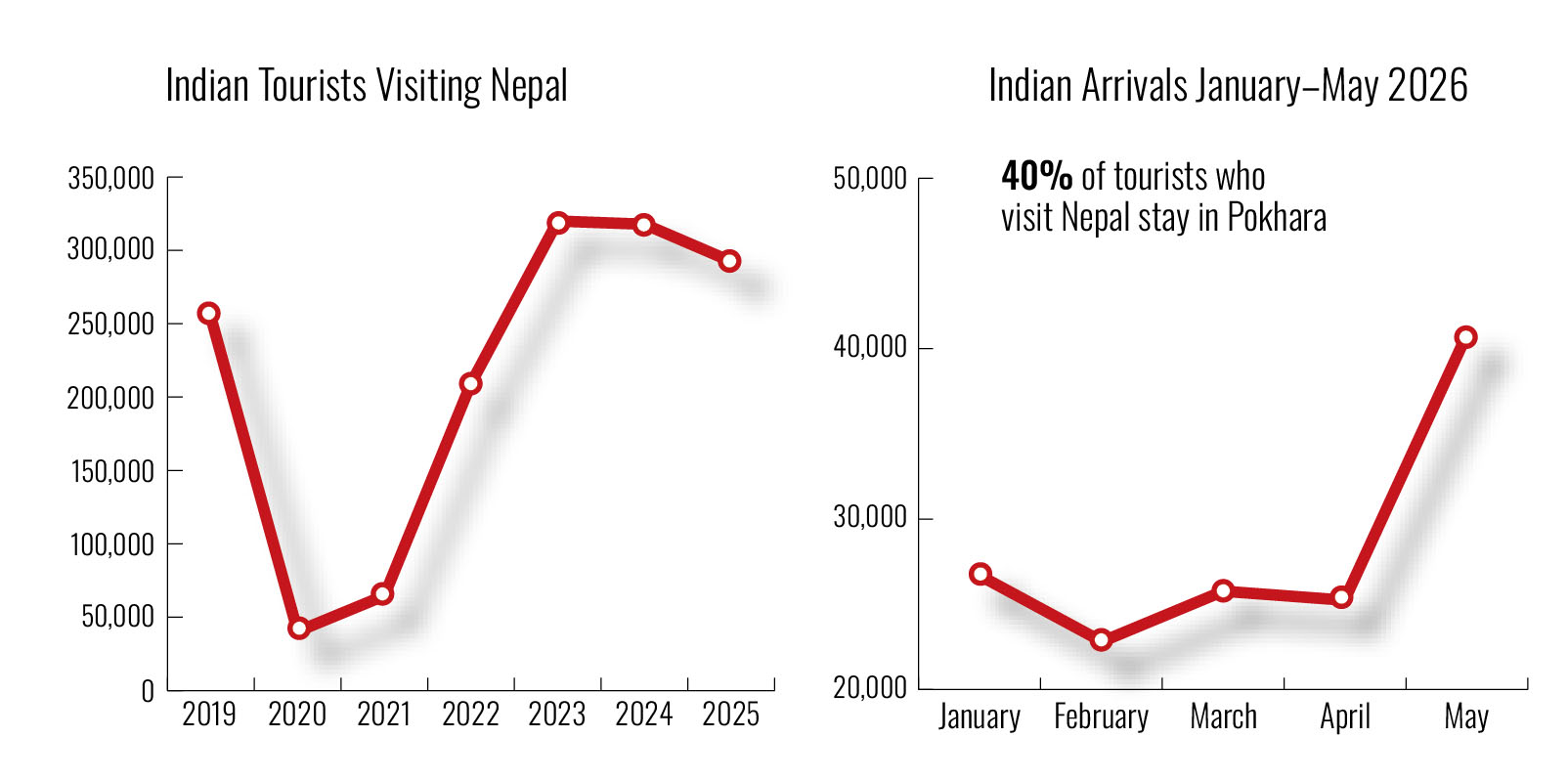
Most Indian visitors are from Delhi, Rajasthan, Uttar Pradesh, Bihar, and other parts of North India that have been hit by a heat wave with temperatures staying at 45°C for weeks on end. The El Niño effect is expected to make the heat wave worse next year. In May alone, 40,782 Indians travelled to Nepal — double the figure from last year.
That figure counts mostly those who travel by air, the figure for those driving across the border is much higher. No one is counting how many Indians visit Pokhara, but 40% of all tourists to Nepal come here.
There are many reasons for the pre-monsoon surge in Indian tourists: Indians do not need visas, or even passports, to cross the border. There is a new affluent middle class in north India, roads are better on both sides of the border.
Prime Minister Narendra Modi has appealed to Indians to be frugal and visit neighbouring countries. Modi himself visited Muktinath in 2018 to worship at the temple, and his trip was widely televised in India.
However, the main reason is that May-June in the north Indian plains has become unliveable because of the searing heat. Ten years ago, Nepal Tourism Board launched its famous ‘Garmi se behal? Chalo Nepal’ campaign. Now, tourism entrepreneurs here are promoting a ‘Chaliye Pokhara’ drive through social media.
“Pokhara’s tourism heavily depends on Indian tourists. Occupancy across the hotels, from five stars to budget lodges, is now dominated by Indian guests,” says Laxman Subedi, President of the Hotel Association Pokhara.
Indeed, even in the lean season hotels have 90% occupancy, and they are second only to domestic tourists. Many Nepali families from the Tarai are also going to Pokhara to flee the heat.
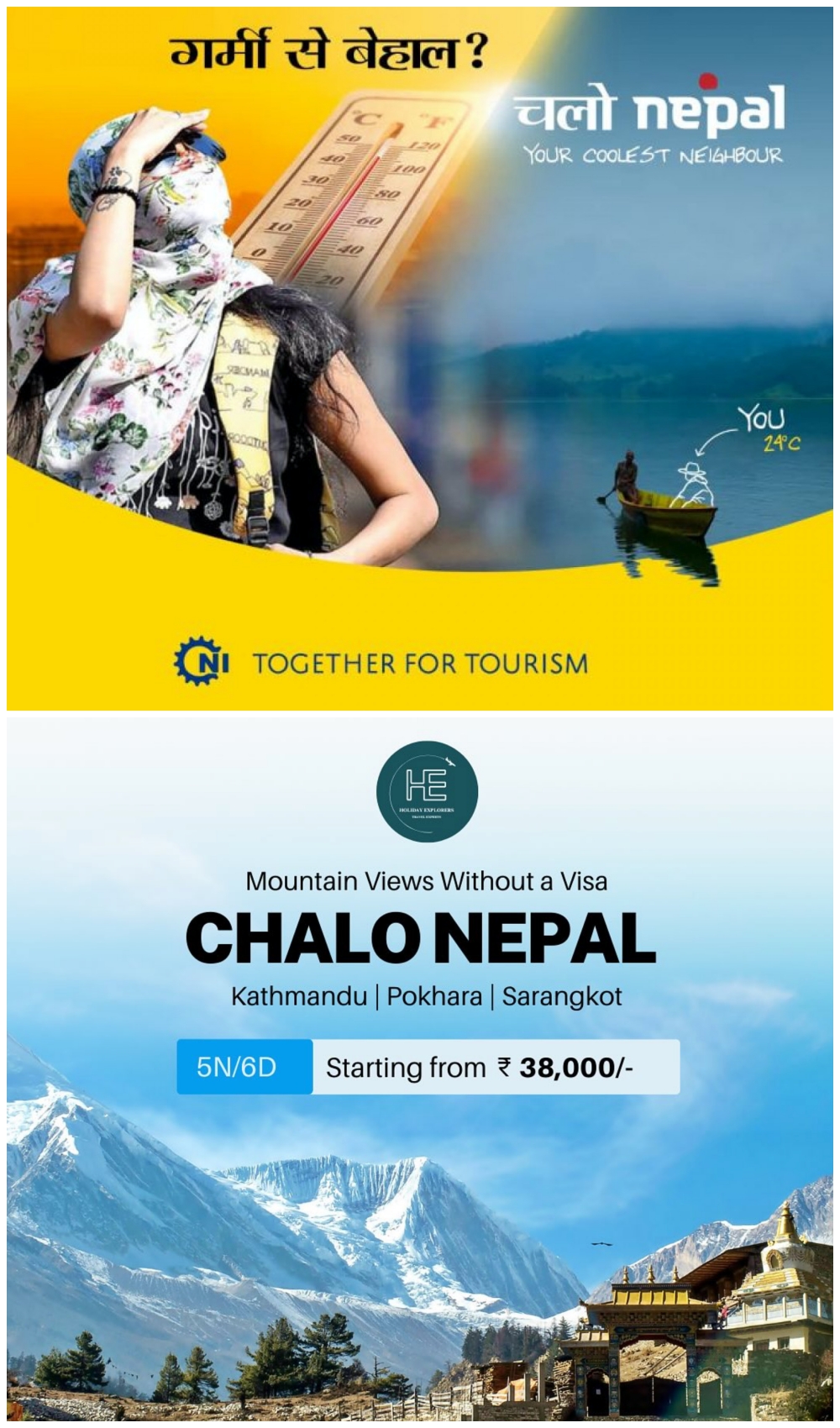
Mausa Daiya travelled with her family from Haryana, and says Pokhara's cooler climate and daily rain have been a welcome escape. A bonus is the towering peaks of the Annapurna range.
“Pokhara is clean and beautiful, I liked it here, and we plan to drive up to Muktinath next," she tells us.
Visitors include tourists, content creators and even politicians. Bihar’s Cooperatives Minister Ram Kripal Yadav and family visited Pokhara earlier this month. Social media has played a pivotal role in promoting Nepal’s scenery, ultralight flights, ziplines and bungee jumping to the Indian public.
One influencer, Keshav, posted a video on Instagram saying, ‘Why stay in 45°C when you can come to 15°C? I am in Pokhara… look at the mountains, and it’s raining here.’
Mumbai Memoirs, a boutique travel company, is using social media with messages like: ‘Every Summer I advise my Guests to take a break without breaking the Bank. And Nepal is the best Destinations for us Indians.’
Another digital creator Aaradhya Singh has an ecstatic post saying that coming to Pokhara was ‘the best decision’ she had ever made.
Gopi Bhattarai, a tourism entrepreneur and coordinator of the visit Pokhara 2025 campaign, says a combination of government promotion, private sector marketing, India's holiday season, the open border, and social media influencers all helped drive tourism in Pokhara
“I have never seen so many Indian tourists in Pokhara,” he adds, urging the city to expand its hotel capacity and upgrade facilities for visitors. Entrepreneurs here believe there would be even more Indian visitors if there were direct flights from Indian cities to Pokhara.
While social media has been effective in promotion, posts by Nepalis with derogatory comments about Indian driving habits, littering, or budget travellers cooking by the roadside became so widespread that Pokhara Mayor Dhana Raj Acharya had to do damage control and say Indian tourists had become a backbone of the local economy and should be welcomed.
Other complaints by Indian visitors are about not seeing the mountains because of haze. Ironically, much of the pollution is blown in by prevailing winds from across the border.
As global heating gets worse, experts are predicting mass migrations of people to higher latitudes and altitudes seeking cooler climates. For Nepal, this could mean a reversal in current migration from the mountains to the plains in the coming decades.