
 |
On 19 December 2003, Mukunda Sedhai was on his way home to Dhading from Kathmandu. At 4PM he stopped for a cup of tea at a shop in Tahachal. A group of men arrived and started questioning him. Eyewitnesses say he was taken away on a truck, and never seen since.
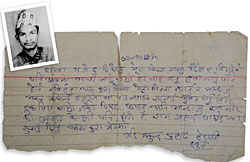
A month later, Mukunda's wife Shanta received a letter from him, saying that he had been taken by the army and was at Chhauni barracks. The army refused to allow Shanta to visit him. Fellow-detainees told Shanta he was alive and well until May the following year. Since then, nothing.
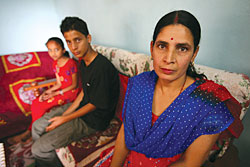
"Even after all these years, it hurts to not know where he is," says Shanta. She has gone from office to office, filed numerous complaints, met with politicians, and gone on hunger strikes. "Whoever did this to my family should be punished. For five years I have been waiting, nothing has happened."
The war ended two years ago, but because the two players were in government for the past two years they tried their best to brush past atrocities under the carpet. Now, relatives of those who were disappeared, killed or wounded in the war expect justice from the newly-elected constituent assembly.
When the constituent assembly sits, it is mandated to set up a Truth and Reconciliation Commission to, in the interim parliament's words, 'investigate the truth on persons involved in gross violation of human rights and crimes against humanity'.
|
|
| LAST POST: The last letter Mukunda Sedhau (inset) sent to his wife after he disappeared in 2003. |
In July 2007, the Ministry of Peace and Reconstruction made public a draft legislation to set it up. But human rights activists criticised the bill as being inconsistent with international humanitarian laws ratified by Nepal. It had no provisions for reparations, methods of appointing commissioners, and they were worried there were provisions for amnesty.