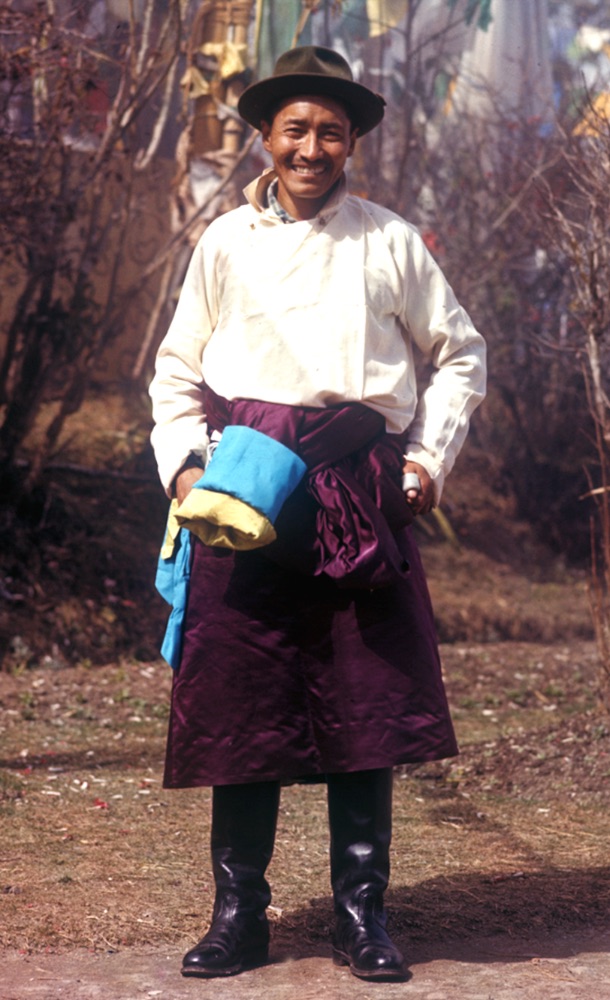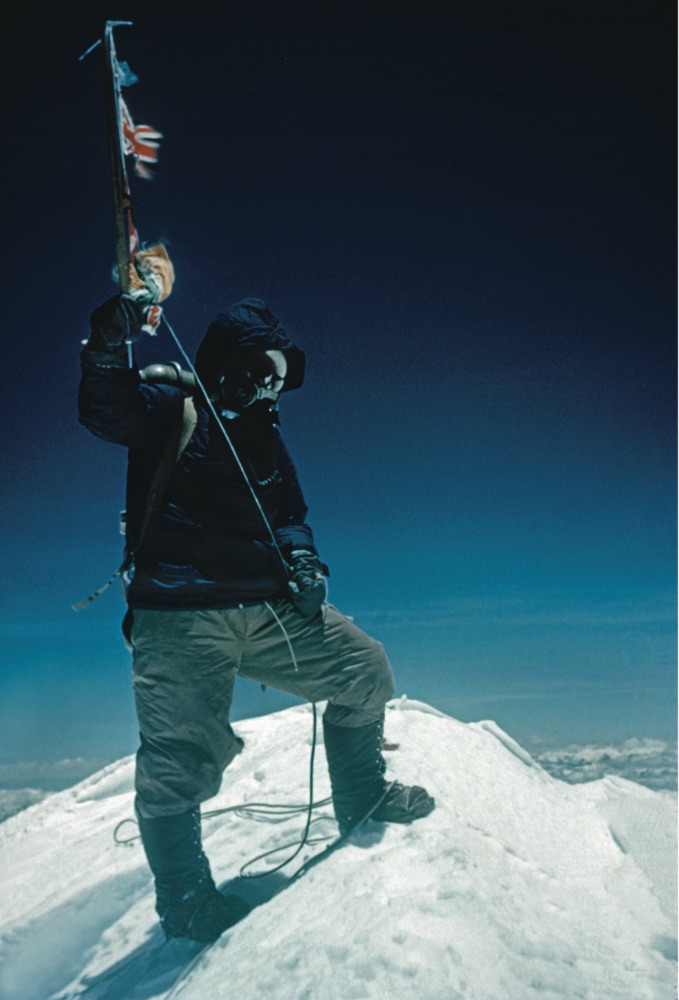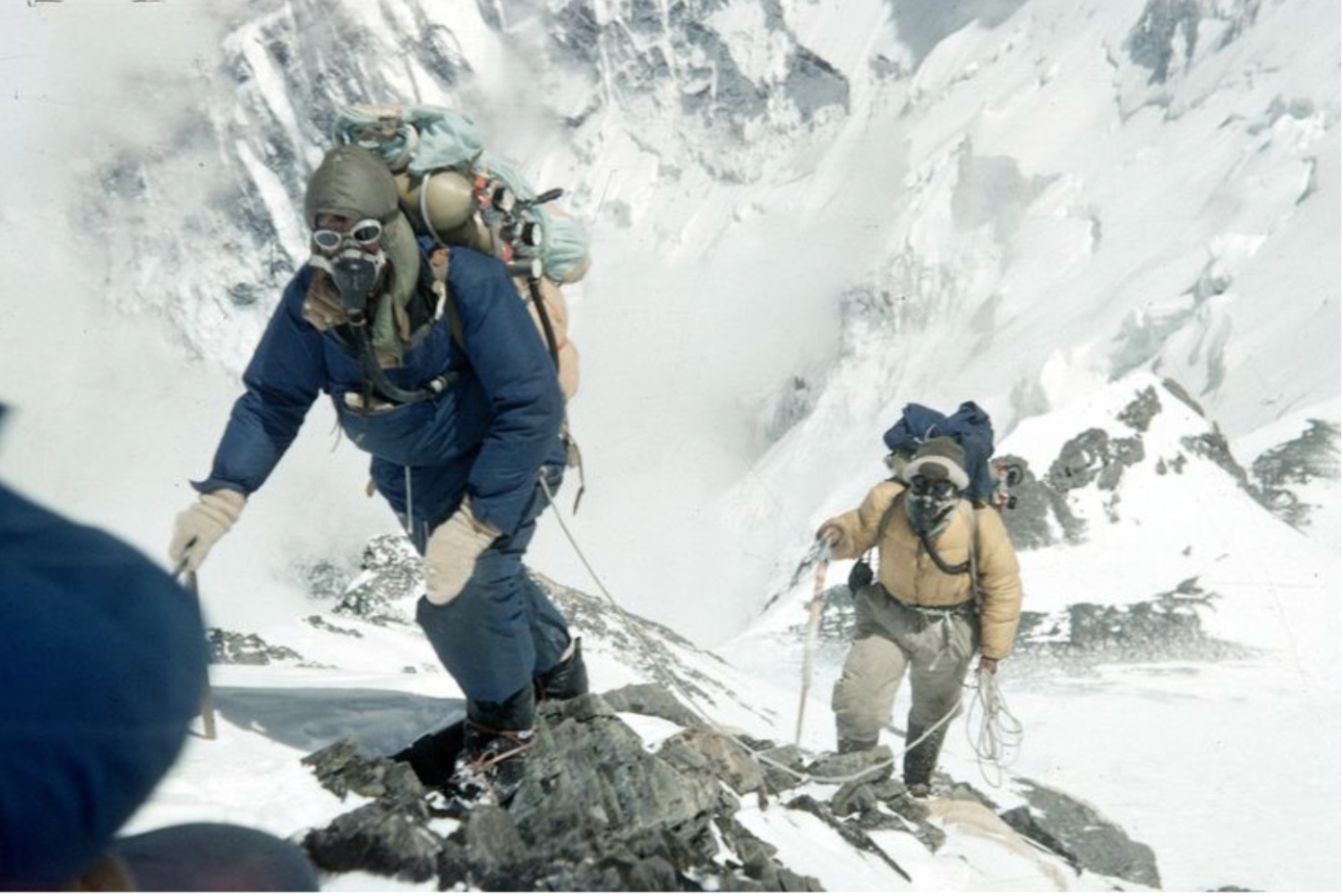
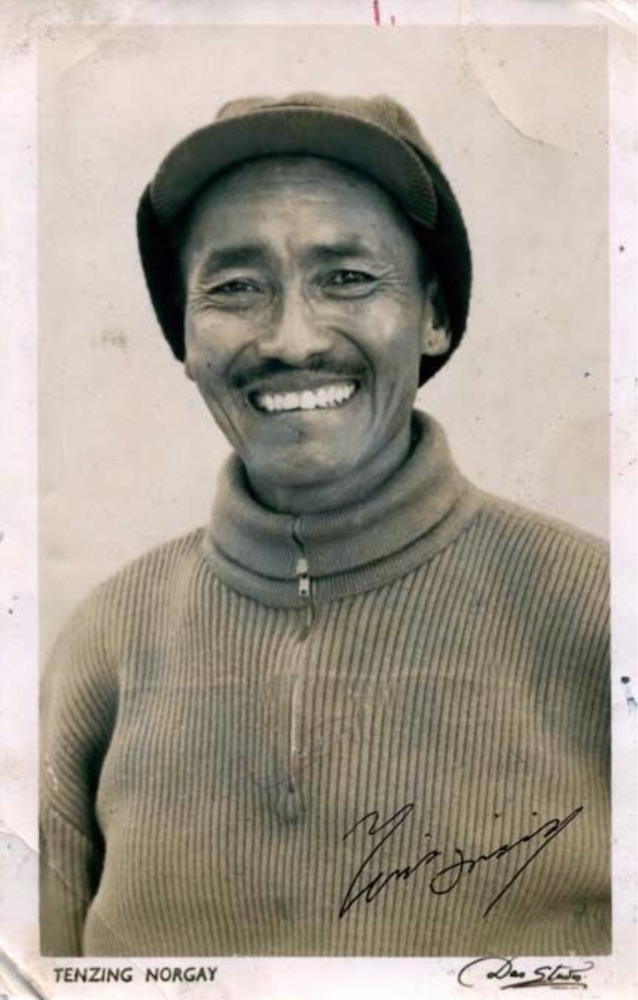
We do not know the exact details of Tenzing Norgay's early life, since the records are poor. Despite this, the stories of his struggles as a youth and adult are incredibly touching.
He was born in a very humble family, and endured much hardship, moving across South Asia just to make a living. However, through his own hard work and personal initiative, Tenzing managed to lift himself out of poverty, misery and injustice, becoming one of the 100 most well-known personalities of 2020.
When a person becomes famous, whether it is Tenzing Sherpa or Gautam Buddha, we have a tendency to crave for their ownership, instead of sharing their qualities with the rest of the world.
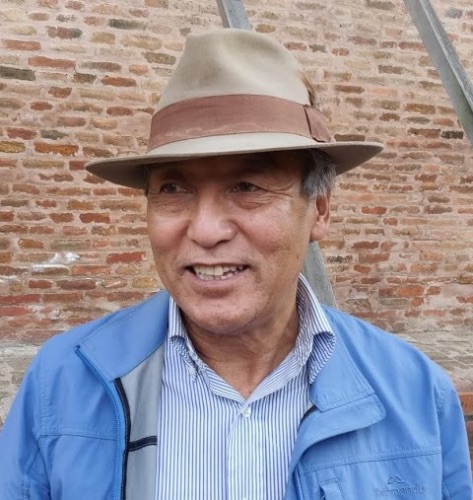
As in the case of the Buddha, the birthplace, nationalities and identities of Tenzin are often debated and contested. Where was he born? Was Tenzing a Tibetan, a Nepali, or an Indian?
We can find the correct answer only from his perspective, and the geopolitical situation of the time. When Tenzing was born and growing up in the present day physical boundaries did not exist between Tibet, Nepal or India. Passports and national identity cards were not needed to cross over.
People could move freely throughout the Subcontinent in search of livelihood and spiritualism. They settled anywhere conditions were right. And that is what Tenzing did, becoming a true South Asian.
Therefore, whether he was Tibetan, Nepali or Indian was a question he probably dreaded the most because he was connected to all three places. In these complex matters, the choice should be left to the individual. Our job is to listen to them, honour their decision and celebrate the achievement.
Tenzing's Tibetan language interview by Tshultrim Chophel (below) was aired on All India Radio Kurseong on 3 July, 1985, a year before he passed away. The audio provides us an opportunity to listen to Tenzin in his own voice, and words. The interview is transcribed and published to celebrate the 68th Anniversary of the climbing of Jomolangma/Sagarmatha/Mt Everest on 29 May.
Very happy to meet you Mr Tenzing Norgay. We like to thank you for this great opportunity to have you speak on Radio Kurseong. Among many questions, I would like to begin by asking you about your childhood before mountaineering and also how you received the inspiration to climb mountains?
Tenzing Norgay Sherpa: Sure. Jomolangma is the world's tallest mountain. Therefore, the British were determined to climb it. The Germans wanted to climb Kangchenjunga. There are many mountains around the world, but compared to others, these two were particularly well known.
I am Tibetan by descent because my parents came from Tibet. They lived in Khumbu in Nepal, and I was born there. In the old days our Sherpa people from Khumbu went to Darjeeling quite a lot. On returning, they used to talk about mountain climbing a lot, including Jomolangma.
I was a young boy but used to listen to them intently. Besides, they also talked about Darjeeling and the Gundri Bazar here. I thought mountaineering is some kind of respectable and holy activity, and so I too ran away from Nepal to Darjeeling. I may have been 13 or 14 then. I knew nobody in Darjeeling, no relatives and not even a Sherpa acquaintance. I came alone, and took three weeks to reach Darjeeling from Khumbu. It was quite hard because I did not speak the lowland languages well. I spoke only Sherpa and Tibetan which are very similar. If you know Tibetan, you will be able to understand Sherpa, Drenjongke and Dzonkha languages. The differences are small.
In 1935, a well-known British mountaineer, Eric Shipton, arrived here (Darjeeling) and wanted to recruit 20-25 Sherpas for an Everest expedition from Tibet. He found most of them very strong and experienced men with good reference letters. I was young and had no references. I was there just for fun and had no expectation of being recruited. I was 18 or 19 ... but the British recruiter selected me. In those days Nepal was not open for foreigners, especially white men. We had to travel via Sikkim to reach Everest.
I got hired for Everest expeditions continuously for three consecutive years in 1935, 1936 and 1937.
In 1937, we reached the highest point of 27,108 ft. We did not have good oxygen, clothing or boots but made it there somehow. Earlier (in 1924) two English climbers, Irvine and Mallory, climbed Everest but got lost and never came down. So, our English team members were quite pleased that we reached quite high, and managed to come down. During the World War, mountaineering activity stopped. I went to Chitral (now in Pakistan) helping train local Muslim soldiers. After the war mountaineers began to return slowly.
In 1952, King Tribhuvan opened Nepal to foreigners including mountaineers. The Swiss received permission to climb Mt. Everest that year and I joined them. This expedition was quite tough but food supplies were very inexpensive along the trail compared to now.
Kathmandu did not have many motor vehicles and airplanes. It looked very rural. Our achievement in that year was quite remarkable. We reached an elevation of 28,215 ft without oxygen. We only had one set of clothing and a small tent. The Swiss French climber Raymond Lambert and I shared a tent. It was extremely cold. We tried to keep each other warm by rubbing hands and bodies. He was so big and fat that my hands hardly covered anything. He spoke no English and I had no French. So, we used gestures of the hands, eyes, and mouth to communicate, and managed.