
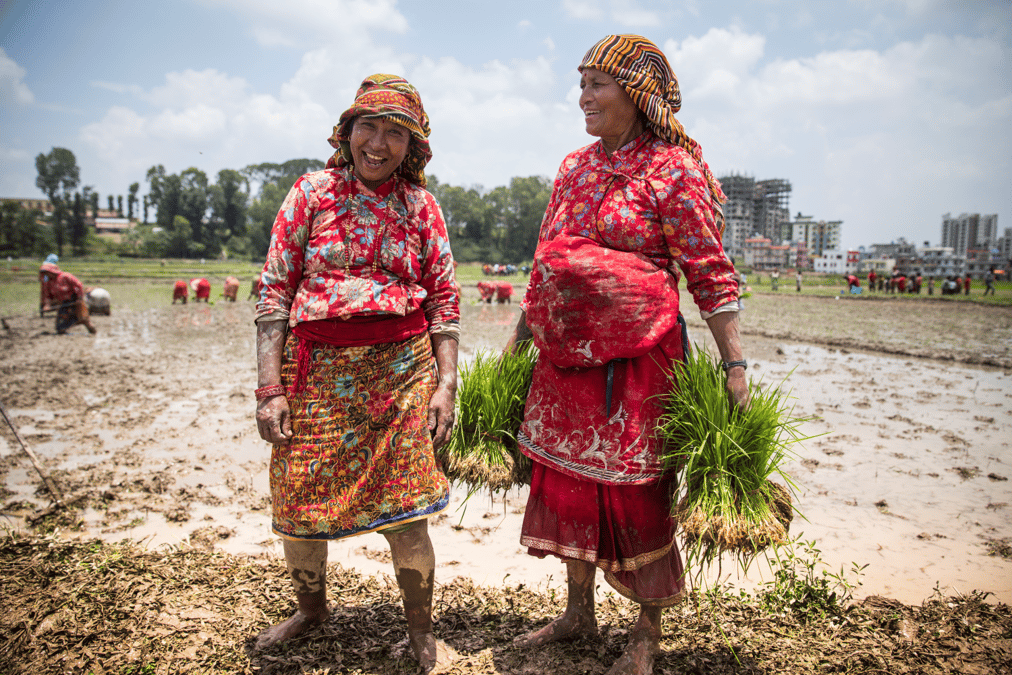
Asar 15 observed on 29 June this year is a joyous day for many Nepalis.
It carries memories of fields prepared for planting paddy, bundles of ready-to-be transplanted rice seedlings, farmers engaged in playful mud fights and sharing दही चिउरा and dancing to joyous असारे गित. But all this is changing as erratic rainfall impacts the crop calendar.
Says Ashok Kumar Rai, 70, a farmer in Dhankuta, “Our agriculture is totally dependent on rainfall timing.” But the rain arrives too early some years, before farmers have prepared for planting, while in other years it is delayed, forcing them to wait and adjust. Both reduce harvests.
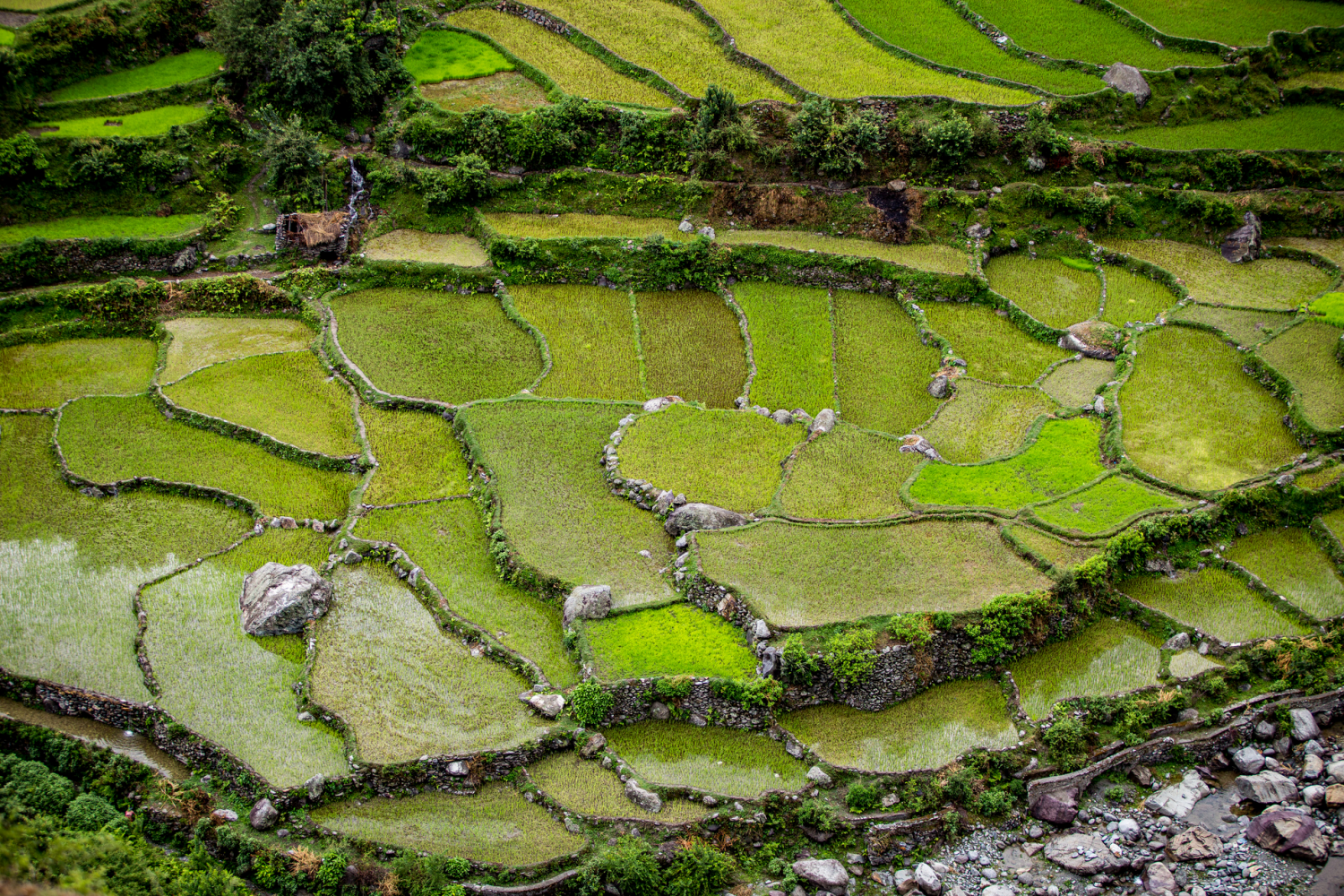
For households dependent on rainfed farming in eastern Nepal, cultivation is limited to the monsoon. The land lies fallow the rest of the year. This reduces production, raises food costs, and limits diversification into high-value crops.
The indigenous Aathpahariya community in Dhankuta has always depended on agriculture, but their livelihoods are changing because of climate uncertainty. Outmigration is the trend and remittances are now the major source of income for households. Although most families have access to drinking water through the ‘one house, one tap’ system, supply is limited to 500 litres every 2-4 days. This is barely enough for drinking, cleaning, cooking, and washing, let alone irrigation.
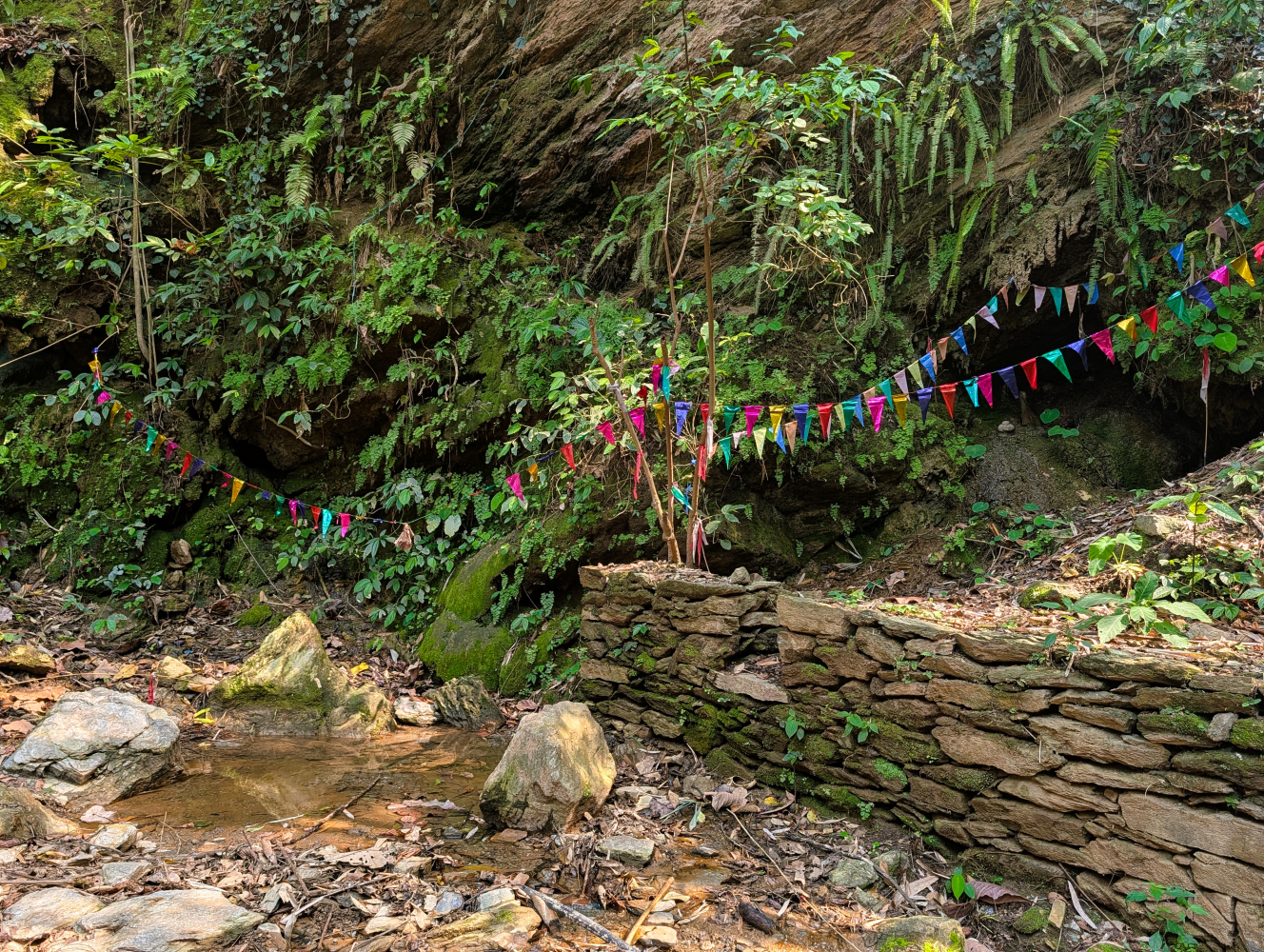
The springs that sustained these communities are also drying up. Of the 56 water sources mapped within Ward 8, 23% are dry, and the rest have slowed to a trickle.
Santosh Kumar Rai, 38, says he used to collect crab and fish from these sources 30 years ago. Now, flows have reduced and only tadpoles can be seen. The root of this crisis lies in the overall decline of local water systems and not only in rainfall.
To the Aathpahariya, springs are not just water sources but an important part of their cultural and social practices. They worship and make offerings to these water sources during the full moon days in the months of Baisakh and Mangsir. No one is allowed to cut vegetation, bathe, or litter near the water source.
Some springs have dried up but cultural and religious activities continue. These traditions are assets for adaptation, they offer community knowledge and practices that can be integrated with scientific methods for spring restoration.
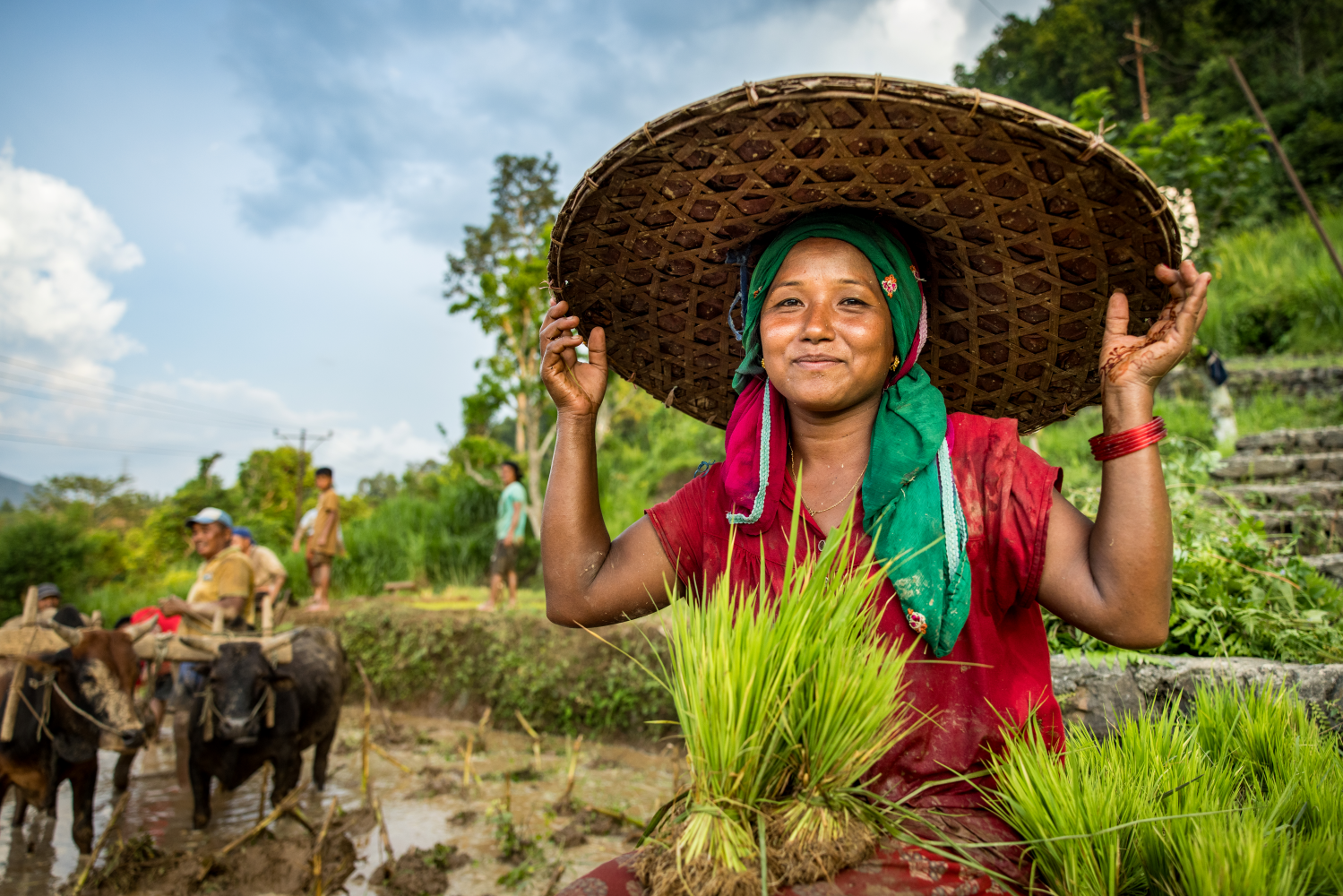
Communities are already doing their best to adapt. Forty households in this neighbourhood who were struggling with limited water supply, came together to jointly identify and tap two springs to supplement their limited supplies.
Gyanendra Rai and Ratna Bahadur Rai, Chairs of the Tole Development Committees formed a water users’ committee, coordinating with local government for financial support, and contributed labour. A rotational distribution system now ensures that all households have access to drinking water.
Some families grow fruit and vegetables in their kitchen gardens by making use of every drop of water, while others harvest rainwater or have shifted to less water demanding crops.
However, these efforts are mostly trials at household level, without proper technical guidance, long-term planning, or institutional support. This raises questions about their sustainability and that of the water sources.
SUSTAINABLE SOLUTIONS
First, we need springshed management at scale. Spring flows cannot be sustained by protecting the discharge points alone. As springs dry up across the landscape, it is only a matter of time before the communities are forced to go farther in search of a new spring to tap.
The good news is that local governments are thinking along these lines. Dhankuta Municipality’s investment in spring source mapping is an encouraging shift from ad-hoc responses to evidence-based water security planning.
Second, reviving water sources alone is not enough, communities need to benefit. Springshed management has to be connected with the productive use in farming and livestock raising such as irrigation that is gravity fed or pumped to where it is needed using renewable energy.
Productive water use that strengthens and diversifies livelihoods options could further strengthen community interest in protecting these sources. This could also help restore traditional crops that have been abandoned over the years due to water stress and agricultural land abandonment.
Third, traditional knowledge and practice should be integrated with scientific methods to protect and rejuvenate springs. Communities have tried and tested traditional knowledge systems and institutional mechanisms that have helped them respond to changing climatic and environmental conditions. Any community ponds and buffalo wallows in hill and mountain settlements, which have been neglected and silted up, can be restored as recharge sites with hydrogeological evidence.
These priorities are closely interlinked. Springshed management can provide water for productive use in a reinforcing loop. Adaptation can become a pathway for sustainability and climate resilience when local government action and community knowledge come together.
Asar 15 must remind us of more than the timely arrival of the rains but that the future of farming will not depend only on whether the monsoon behaves as it once did but how well communities can adapt with its changing patterns.
Farmers are trying to adapt with the knowledge and resources available to them. Their efforts need coordinated support through science, sustained investment, and integration into climate plans and budgets.
Anju Pandit is Springshed Management Specialist at the International Centre for Integrated Mountain Development. The views expressed are her own.