|
|
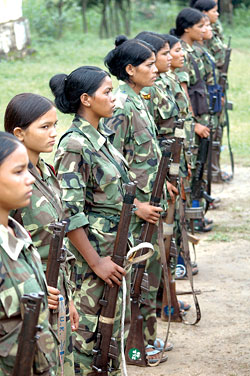
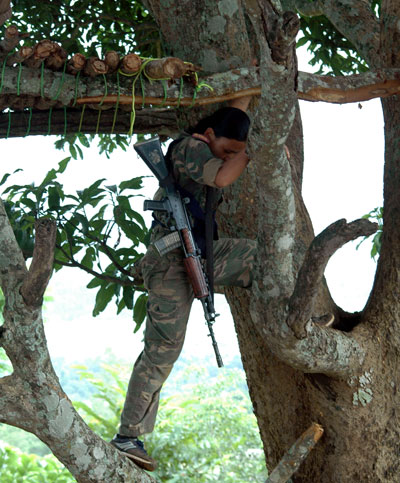
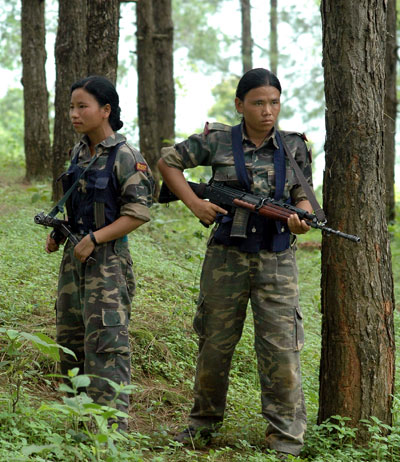
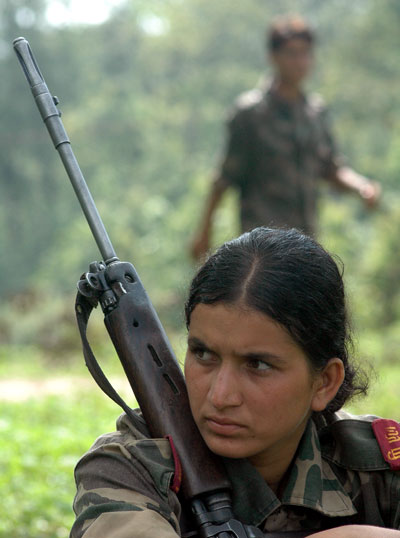
The Maoist movement may have helped improve the position of women in Nepal, but the peace agreement is a throwback to less equal times.
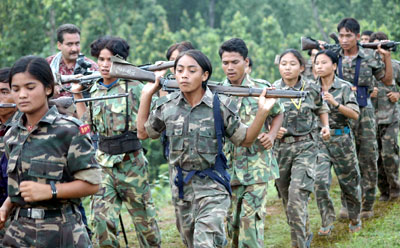
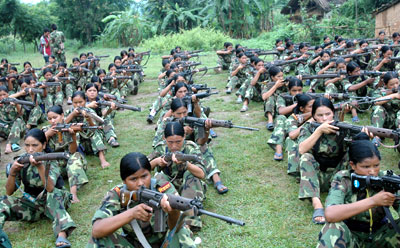
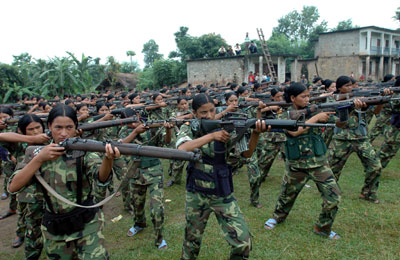
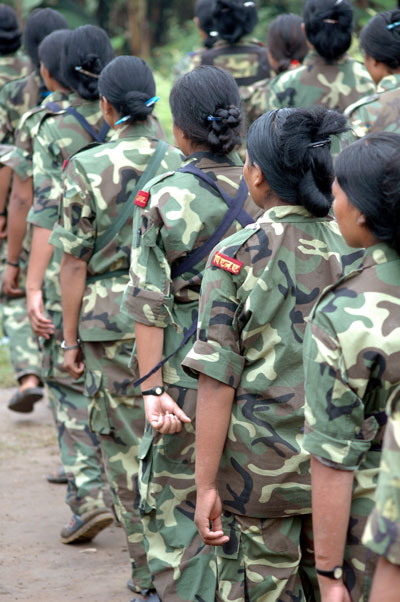
Women account for nearly 40 percent of the ‘People’s Liberation Army’, but nothing in the deal addresses the specific needs of women ex-combatants.
Demobilisation and rehabilitation experts point out that women joining armed insurgencies usually cross tougher social and psychological borders than men to do so. Often they return home to stigma in peacetime, or at best to the old roles they’d once fought against.
“In most societies, men are welcomed as heroes following peace agreements. Women are not given the same respect and often get lost in the reintegration process,” an international expert on female combatants recently told us in Kathmandu. 
In Nepal so far, there are more unanswered basic questions than solutions. Will women ex-combatants—often with less training and education—receive the same opportunities as their male counterparts, such as the option to join the national army? Or will their options include stereotypically female small-scale business and vocational training? Many Maoist women are mothers; what happens to their children? Will health facilities in the camps include reproductive care? How many female combatants do the Maoists really have?