This is the 19th instalment of Diaspora Diaries, a regular series in Nepali Times with stories of Nepalis living and working abroad.
For most people life is a continuous transition from one stage to another. Not for me.
I am in my mid-40s, currently pursuing a bachelor’s degree with students who are my son’s age. My life is a series of seemingly random vignettes strung together in no particular order. Yet, in retrospect, they have collectively shaped who I am today.
As a school student in Pokhara, I suffered from a bone disease that caused body ache, restricted my mobility and caused recurrent fever. After expensive visits to hospitals, I finally landed a good doctor in Delhi who cured me. Had there been a delay in treatment, he said, and I would not have been so lucky.
His last words before discharging me from hospital still rings in my ears: “Forget you were ever sick. You are young and have your whole life ahead of you. From now on, bring out your inner courage and zest for life.” And I did.
When I started Grade 11, I felt like I had been given an empty slate to start a new life. I was finally free of pain, and anything was possible.

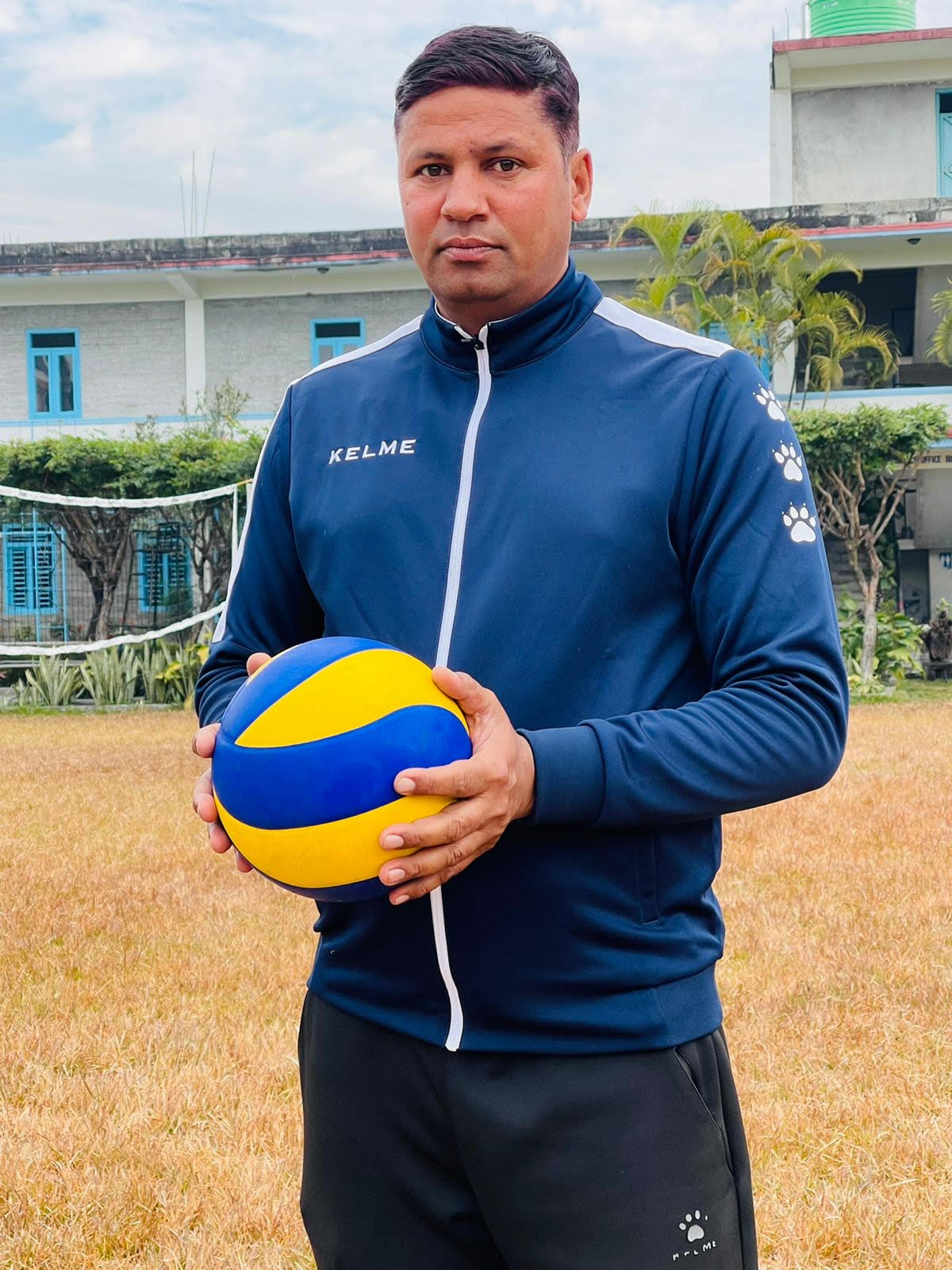
I developed a love for sports, especially volleyball, which I was surprisingly good at. Standing tall at 1.88m, I was the best spiker and was known for my ability to jump high. My interest in studies decreased as my love of the game increased. The cheers of supporters made me feel formidable. On the volleyball court, I was king.
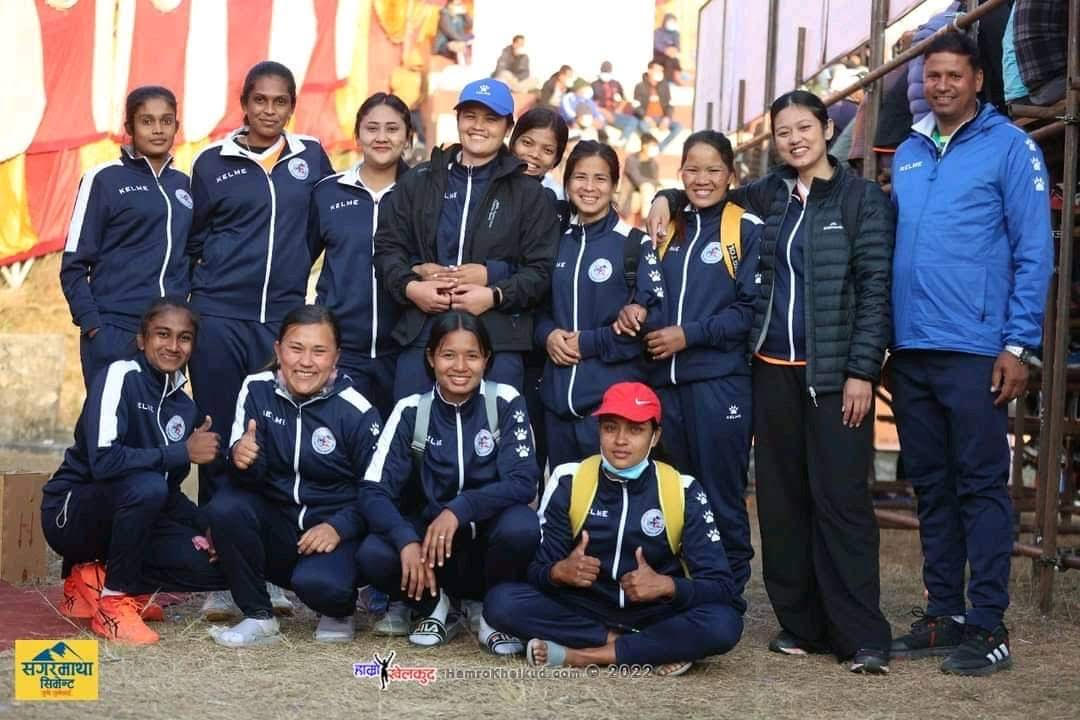
I was getting noticed and had started to build a fan base. The chief of Pokhara police recruited me, and I got even better at the game with practice and training. Before long, I was in the national team playing in different tournaments, including the South Asian Games.
My salary was low, and I couldn’t even afford to buy new shoes when they wore out. A pair of sports shoes cost more than my entire month’s pay. Life was getting unaffordable, and I had responsibilities to provide for my family. Which is why I had to take the difficult decision to leave for overseas work, just like everyone else. I was passionate about volleyball, but there was no future and security in it.
This is the reality of Nepal. Whether you are a national player or not, all roads eventually lead to the Gulf or Malaysia.
In 2002, I got on a plane for Qatar where I was to work as a security guard. My wife was pregnant back in Pokhara with my daughter, our second child. This was a time when there were not as many Nepalis in Qatar.
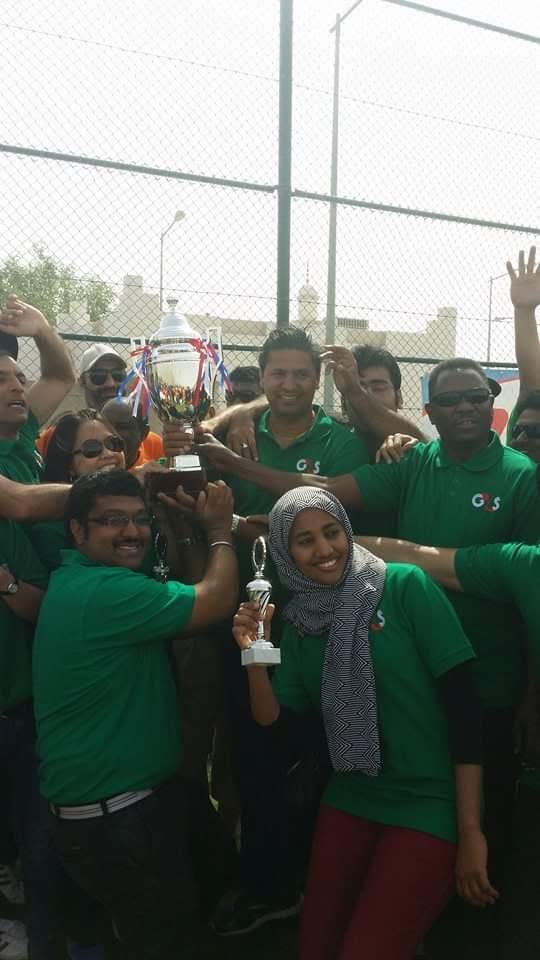
I eventually spent 14 years in Qatar, my new home. During that time, I was promoted five times, and ultimately became a branch manager overseeing other security guards in the company. My starting salary was 900 QAR but by the time I left, it was 7,000 QAR ($1,900).
I was luckier than most Nepalis. I knew that because I had taken bodies of migrant workers to hospital, or watched construction workers struggle in the extreme heat for low wages in Qatar.
I also managed to find time to play volleyball in tournaments organised by the Qatar Volleyball Association between various nationalities. There were moments when cheers from fellow Nepalis gave me an adrenaline rush and a powerful feeling.
I was lucky enough to go home frequently, every two years initially and once a year after my last couple of promotions. But then my daughter Alisha became ill, and I had to rush back to Nepal.