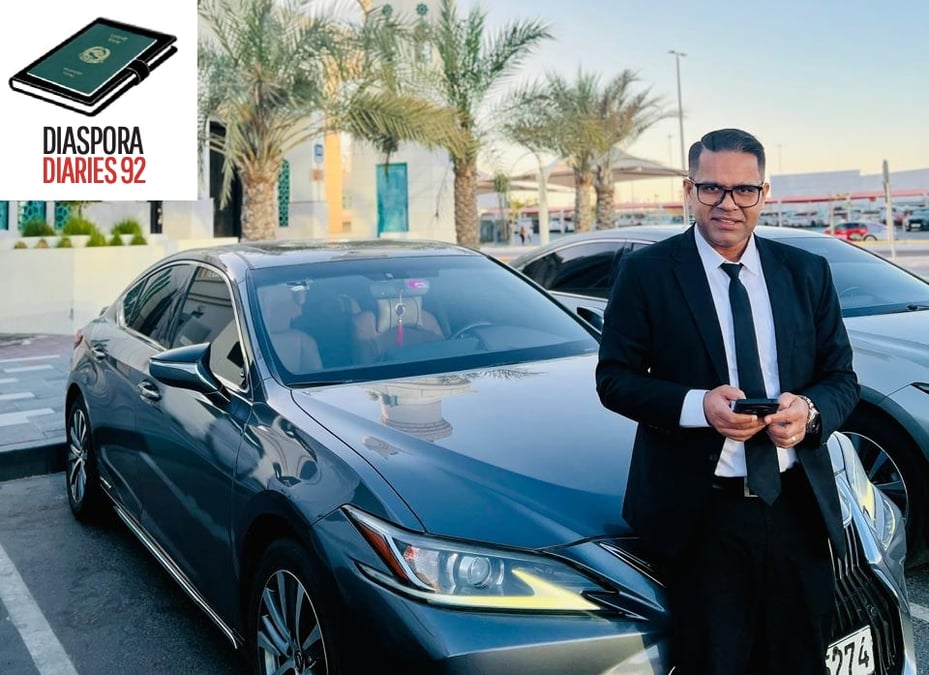
This is the 92nd episode of Diaspora Diaries, a Nepali Times series in collaboration with Migration Lab providing a platform to share experiences of living, working and studying abroad.
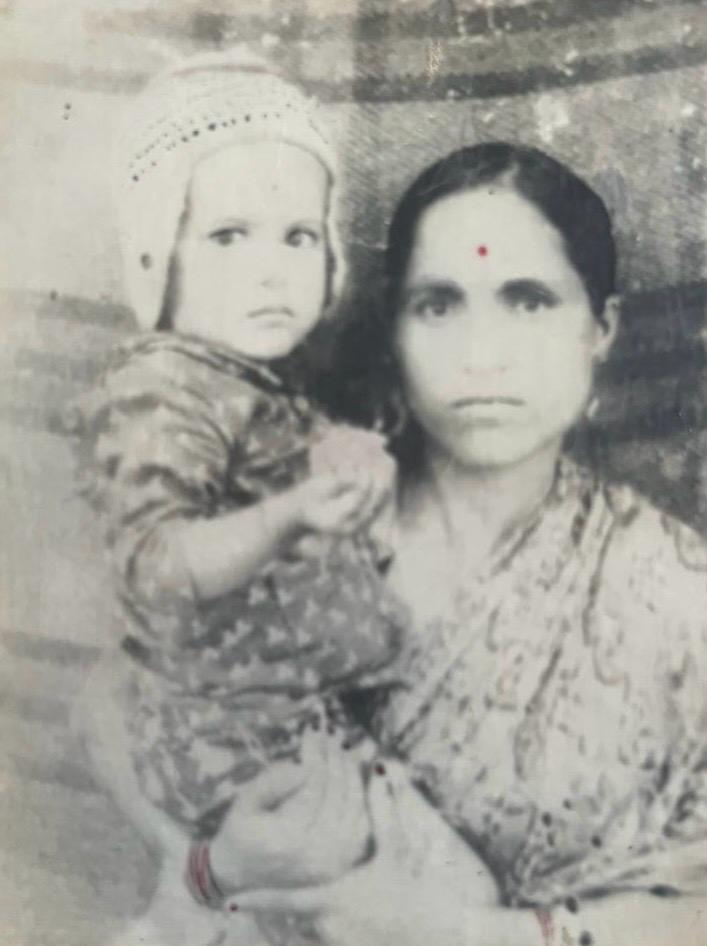
I was born in Jhapa in a simple family. My father was working in Assam and died when I was six months old, and I only have a black and white picture of him.
My mother never got closure because she couldn't say her final goodbye. She still hopes in her heart that he will return one day. I was the youngest among three elder sisters and a brother, and my mother raised us by herself.
If there is a god, for me it is my mother. As the youngest, I was close to her. My brother left for India after his school and disappeared for five years. My sisters were married off. That left just my mother and me at home. I helped her with household chores after school.
Study by the dim light of an oil lamp, I once nodded off and the flame singed my hair. I enjoyed writing ghazal verse, and my teacher Gurudev Bhandari would set aside 15 minutes for writing and singing practice after economics class.
We had my father’s radio in the house, and I was curious about how it worked and opened it up. It stopped working, and I remember my mother was not happy because we did not have the money to repair it.
So, I listened to my neighbour’s radio. There was a program called Pushpanjali after 4pm which played songs that listeners requested. I used to write in and felt really proud when my name was broadcast over Radio Nepal. Later in Kathmandu, I even took part in an episode of Pushpanjali and my hosts recognised my name from the letters I had sent.
TV was a luxury, and only the well-off families had it. We used to go to their living rooms to watch programs on the black and white screens. The sets ran on batteries which had to be charged in Damak, so the families rationed viewing only for important programs like the news.
My friend’s fathers worked in India, and brought him new clothes and sweets when he came home for Dasain. I was jealous, and told my mother that If I had a father I too would get clothes and sweets. She slapped me and went to cut grass. I followed her, and found her weeping bitterly in the field. This was the first time I had made my mother cry inadvertently, and I still feel so guilty about it.
We had not heard from my brother in India for five years except for occasional letters. But my uncle finally tracked them down and they came back. The reunion was magical when they walked in through the door at night, all smiles. I was also thrilled because my brother who I looked up to had come home. I had been on my own for far too long.
I went to Kathmandu and stayed with him while doing my Grade 10. I would cycle from Swayambhu where I lived to Pulchok where I worked in a garage, then to Lainchaur for my college, to Bagh Bazar for computer classes before cycling back to Swayambhu.
I borrowed Rs50,000 to start a clothing store, but it did not work out. My studies were also suffering, so I decided to migrate to Malaysia just like my friends. There, I learnt the real meaning of dukkha.
BACK TO POETRY
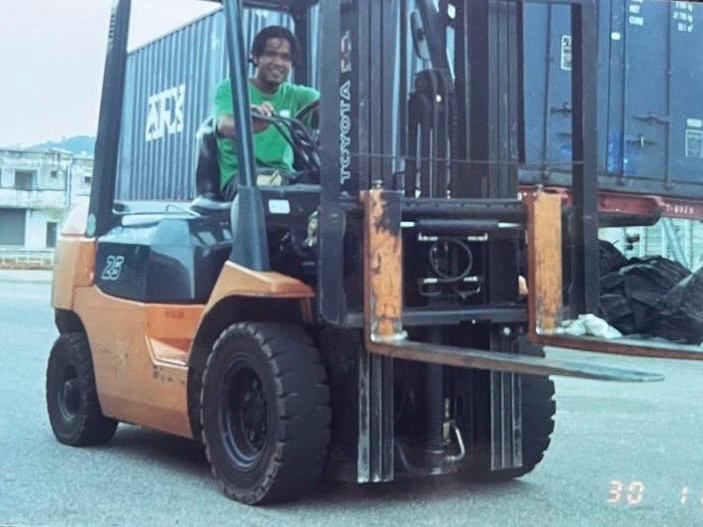
The struggle in Malaysia was different. I worked in a factory making rubber products, and it was unbearably hot. Outside work hours, I would write poetry, joined a literary club and started contributing to Malaysia-based weekly newspapers.
Even after for five years, my salary did not increase so I decided to return home in 2007. With my earnings, I bought land in Morang, and two years later migrated again to the UAE.
Once I settled down in my new job, I got involved with Nepali literary circles there. Writing is like therapy for me, to put my feelings into words and make my heart feel lighter. Sometimes it could be the simplest scene that inspires me to write. For example, when I watched an elderly couple at an airport looking at a plane taking off, the image stayed with me and I wrote a poem about it (below).
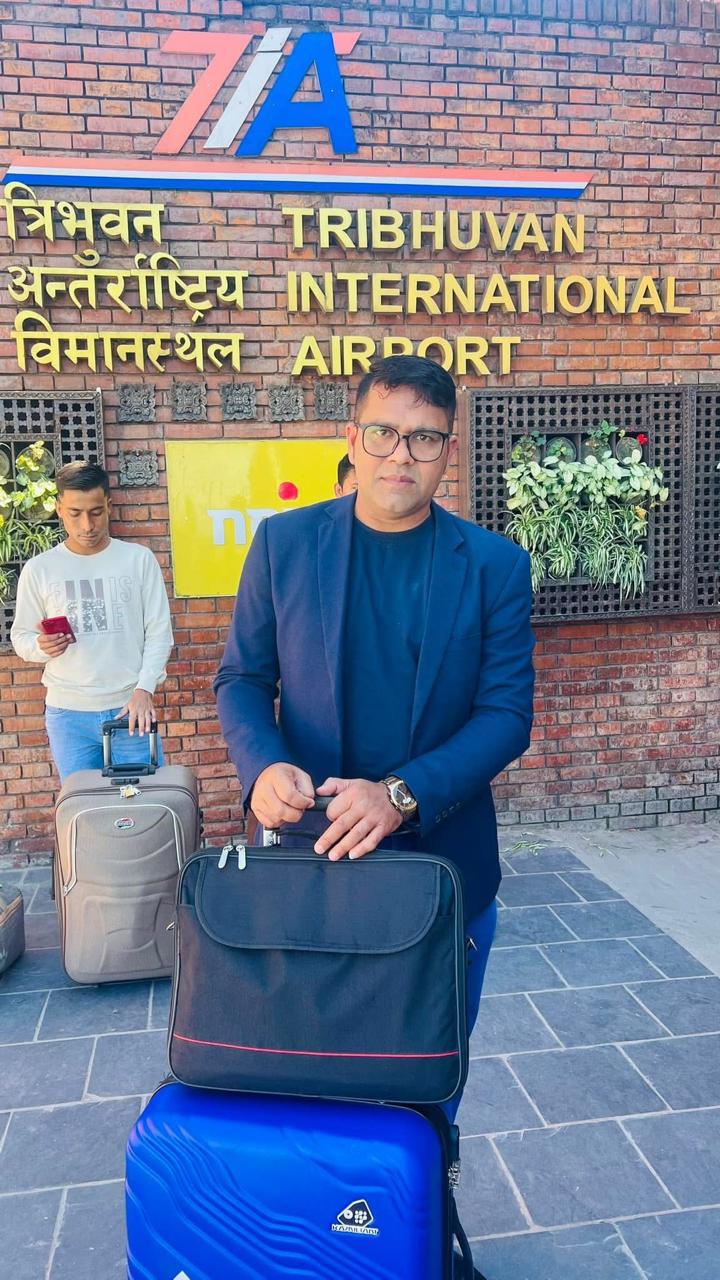
I drive limousines by day, and write poetry by night. Sometimes, while driving on the highway, I am hit with these concepts for ghazals which I audio record to transcribe after work hours.
For up to four years after coming to the UAE, I exchanged SMSs with a girl that I had once met in Itahari who was my aunt’s daughter’s friend. After chatting on the phone for around four years, we decided to get married. My son is now in Grade 10 and my daughter in Grade 4.
My wife is a teacher in my son’s school. Staying overseas has improved my financial condition. My children are doing well. Many people are never satisfied and hanker for more, but I am content.
I get to spend a month or two with my family in Nepal every six months. Other than the financial security, I am especially happy with the brand I have built for myself as a ghazal writer, and social media has helped me gain visibility.
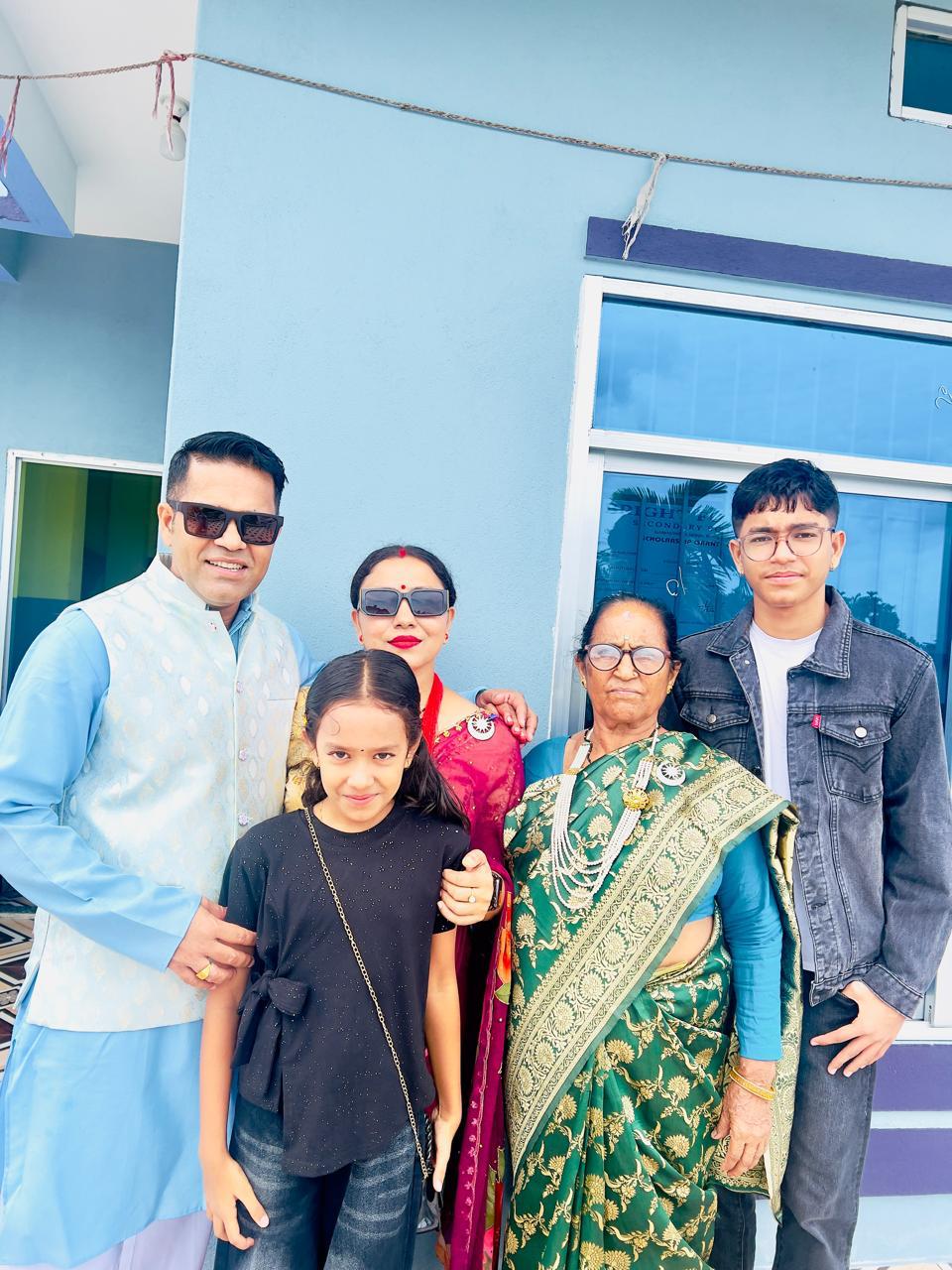
I am soon releasing my ghazal collection, Yatri. After all, life is a journey and I have been a traveller. I have been in the UAE now for 17 years, and do not know when I will return to Nepal for good.
My dreams are not big. I like the simple life. I want to care for my family and friends. I want to contribute to Nepal’s literature, art and culture from overseas. Even adding just one more brick to the edifice of Nepali literature will make me happy. That is all I dream of.
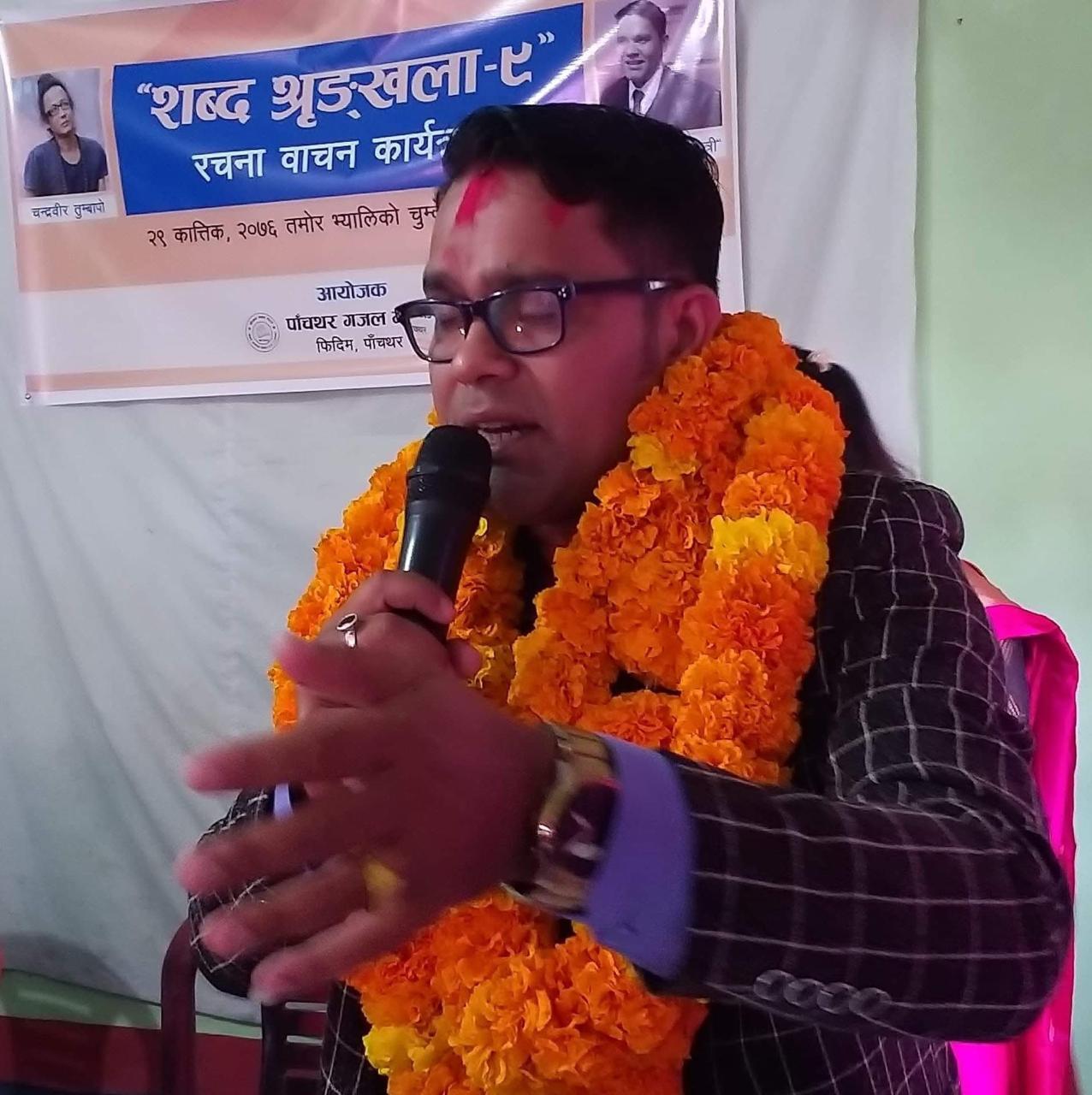
मुटुमा देश आँखाभरी पानी बोकेर,
हिँड्नु छ भोलि परदेश राहदानी बोकेर।
Tomorrow he will fly away with watery eyes,
With a homeland in his heart, carrying a passport.
बा बिरामी छन्, आमा बोल्न सक्दिनन्,
बिदा गर्छिन् श्रीमती छोरी सानी बोकेर।
Dad is sick, Mother cannot speak,
The wife bids goodbye, daughter in her arms.
यी परदेशीहरू मात्र हाँसे जस्तो गर्छन्,
छातीभित्र छुट्टा छुट्टै कहानी बोकेर।
They all pretend to smile here
But they must have their own stories inside.
बगाउनु छ खाडीमा जवानी र पसिना,
आइपुगें म पनि एउटा जिन्दगानी बोकेर।
I shed my sweat and my youth
I too am here in the Gulf carrying my life.
उता के आशा राखौं, देश हाँक्नेहरूसँग,
मोलमोलाइ छ हत्केलामा राजधानी बोकेर।
What hope is there from rulers back there
They bargain, holding the capital in their palms.