I have been home alone in my apartment in Shanghai ever since lock-down was announced in China on 27 January. At first, it was a roller coaster of emotions: fear, panic, anger, gratitude, anxiety, loneliness. But now there is peace and calm as I understand myself better and deepened my relationships with others. I have gained clarity on what matters most to me, and found the courage to live the life I had always meant to.
Friends around the world have themselves entered self-quarantine since, and many are struggling with how to manage their thoughts and emotions. What I have learned from my two months in lockdown could help.
COVID-19: Both danger and opportunity, Marcia Chen
- Give yourself permission to be a human being.
When the coronavirus first struck China and the counts of infected and dead rose alarmingly, I entered a deep panic. Afraid of drowning in my emotions, I forced myself to stay calm.
On my tenth day of quarantine on 7 February, I read about the death of whistle blower Dr Li Wenliang. This unlocked the floodgates and I cried for a long time, feeling the fears within me and the loss to the world from all the deaths. I finally allowed myself to embrace my feelings and to let them follow their natural course. The next day, I felt much lighter and, when I met with a group of friends online, I found that I had not been alone in these experiences.
You do not need to force yourself to be calm or unaffected. We are all human. When you experience sadness, frustration, anxiety, or pain, tell yourself that what you are feeling is okay. This difficult time has taught me that when I acknowledge my own fears, I give others the courage to acknowledge their own. When we all allow ourselves to be human beings, then we also open the way for authentic communication between us.
- Focus on what you can do and let go of what you cannot
At first I felt helpless. Medical workers were risking their lives fighting the coronavirus and I felt guilty for being safe and sound indoors and not contributing like they were. I blamed myself for not doing enough and drove myself into a worse state of health both mentally and physically.
I later came to the realise that by self-quarantining and keeping myself safe, I was doing my part to prevent further spread of the virus and to spare medical resources that could save other lives. Give yourself credit for self-quarantining: the curve of infection flattened in China after the country started quarantining and this is strong evidence that the measure works.
Instead of thinking about what you cannot do, shift your attention to what you can do. I can have a healthy schedule that includes enough sleep, eating healthily and exercising regularly. I can call my mother and give her virtual company and I can check in on family and friends on the phone. I can support a colleague in need. I can give extra tips to the people who deliver food to me, and can leave thank-you notes for security guards who keep my building safe.
I can also help people beyond my immediate circle, donate to charities that are fighting the coronavirus. I can join volunteer groups to offer help online to people struggling with their emotions at this time. I can write this article to share my learning and to do what I can to spread positivity.
- Practice social-media distancing to maintain mental well-being.
At first, I spent hours reading news and updates on social media. This made me very anxious and I would later blame myself for my miserable state. When I became more aware of what I was doing, I started ‘social-media distancing’, checking my phone only at certain times during the day and focusing instead on being present in the moment. The shift brought me so much peace and it did the same for friends of mine who also made this choice.
You are the information you consume. You cannot expect to consume a large portion of anxious news and still feel at peace at the end of the day. Be conscious of what you are feeding yourself mentally and emotionally.
- Be here now
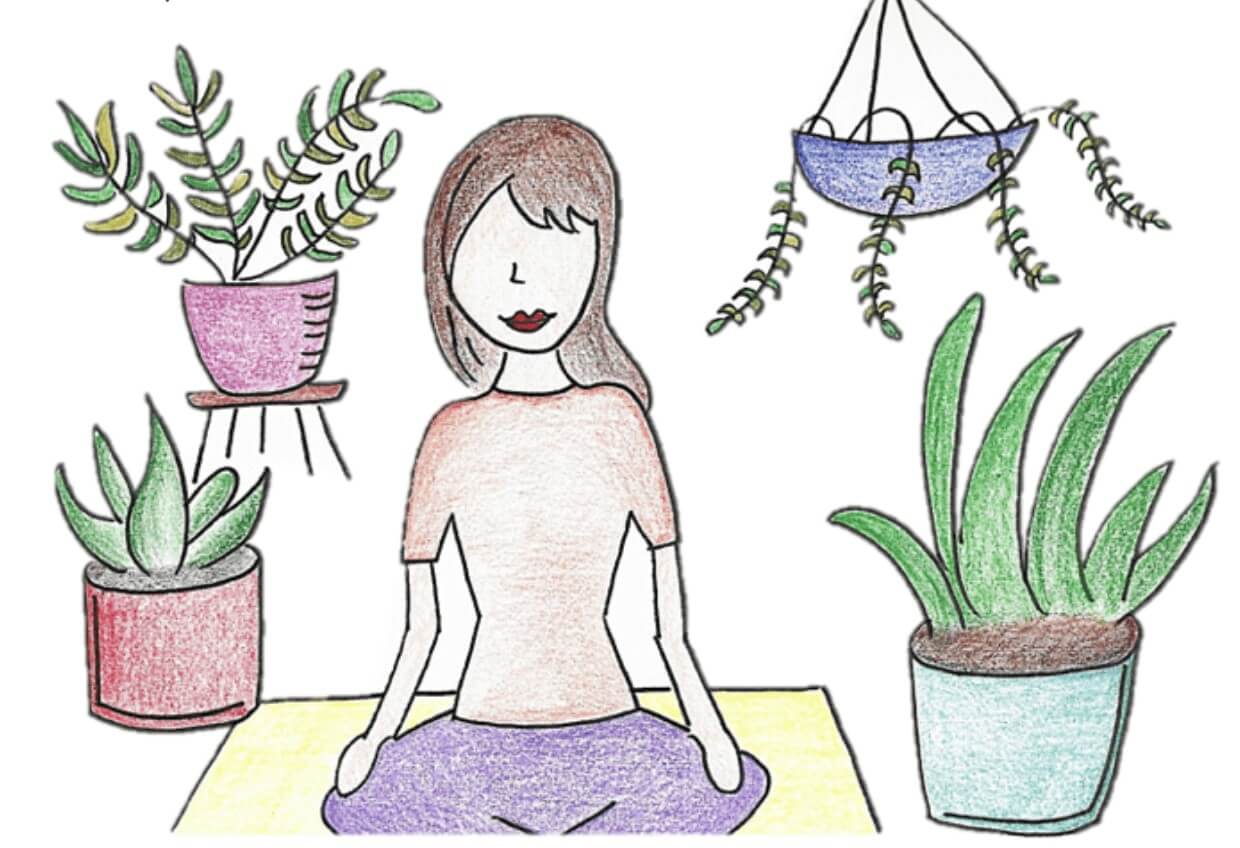
The most important lesson I learned during my ten-day Vipassana meditation course in Nepal was that the only thing that is guaranteed in life is change. Everything is ever-changing, so if we want to be at peace, we must make friends with change.
This means being willing to be in the present moment. Instead of pining for the days when we could go out freely, hug friends and travel, instead of getting lost in thoughts of the past or the future, what would it be like if we could be completely present in this moment that is happening right now, and be open to what it brings?