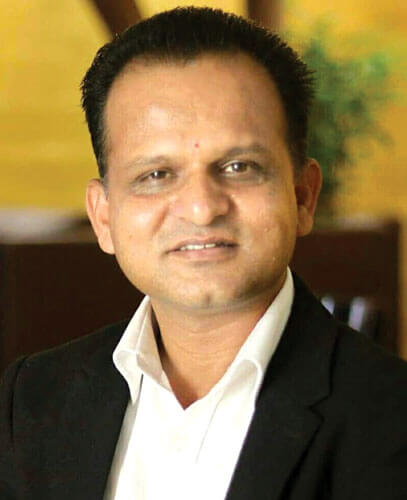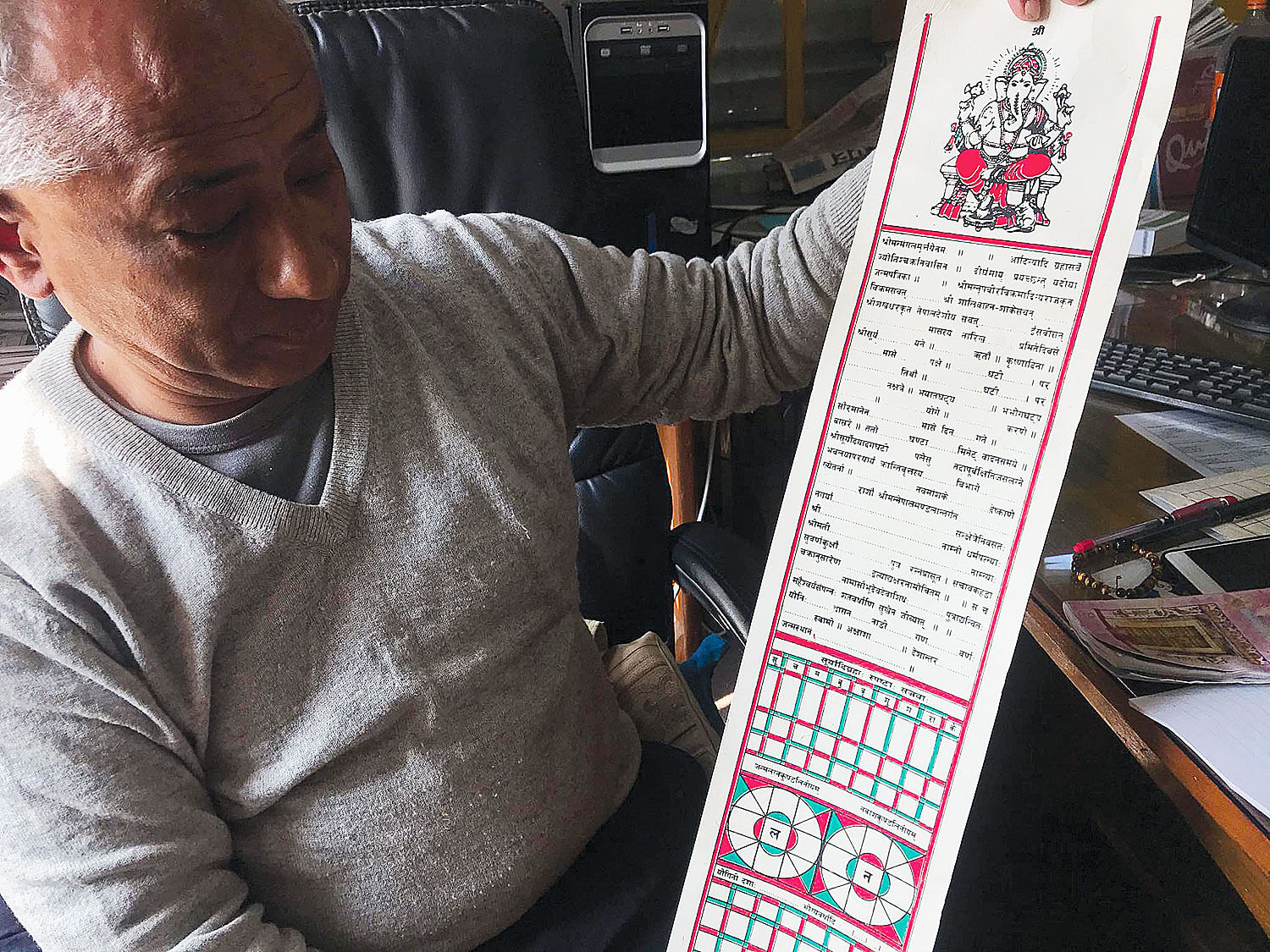
Rajendra Joshi, an irrigation engineer by profession but astrologer through sheer curiosity (above), always carries a small panchang astrological chart in his back pocket.
The calendar depicts the five limbs of astrological significance: tithi (lunar day), vaar (day of the week), karan (half a lunar day), nakshatra (constellation) and yoga (the distance between the sun and the moon). Astrologers need the book to calculate horoscopes and birth charts. And Joshi says they tell a person’s past, present future.
Joshi’s co-workers are always lining up for free astrological consultations at the Irrigation Department. Rajendra is the nephew of the famous royal astrologer Mangal Raj Joshi and comes from a long line of soothsayers whom the kings consulted before every important decision.
But the line of practising astrologers in the Joshi family ended when Mangal Raj passed away in 2005. Thereafter, no one in the clan showed any interest in astrology, except Rajendra.
Growing up, he dabbled in everything he could get his hands on and later settled for a career as an irrigation engineer specialising in hydroponic agriculture. But even while in college in India, he used his holidays back home in Patan to learn from his uncle how to calculate planetary alignments in constellations and to read birth charts.
Joshi even coded a computer program to help his uncle plot planets faster.
“I don’t really know why astrology in particular interested me. But I was always eager to learn and this was just something else I could learn,” says Joshi, who does not make forecasts because he says he does not know enough.
A birth horoscope is a snapshot of the alignments of the planets at the moment of birth, Joshi explains. But considering geolocation — how days are shorter in winter and longer in summer, the longitude, latitude and degree of tilt of the earth, etc — changes the distance from the Earth to the other planets.