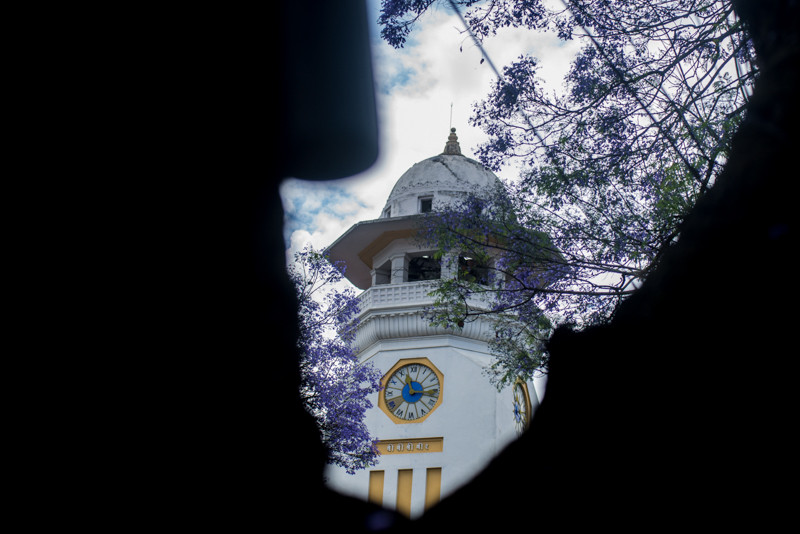
For those growing up in the 1980s in Kathmandu, the 'Green Belt' became a familiar term as poplars rose up along the Ring Road. Over the years, this strip of green gave Kathmandu some breathing space as the city grew at breakneck speed.
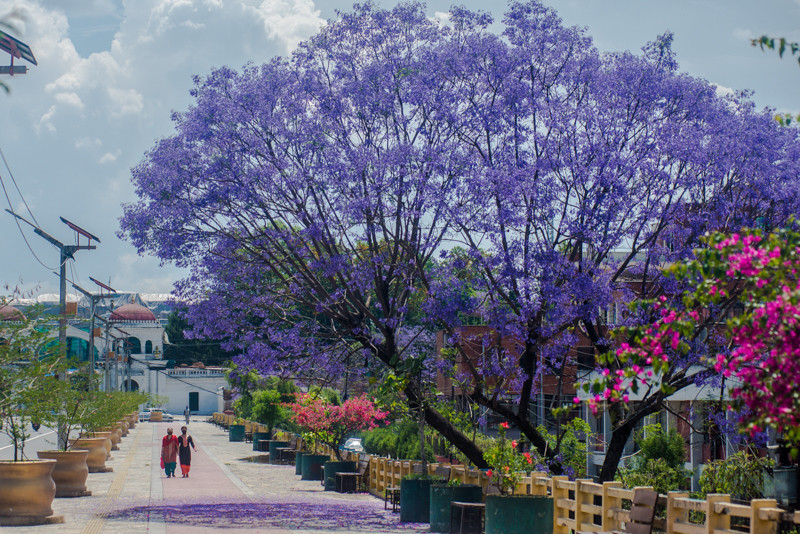
Slowly, encroachment, carelessness and road expansion decimated the trees. The poplars were the first to go, then the jacarandas that lined the streets were cut, too.
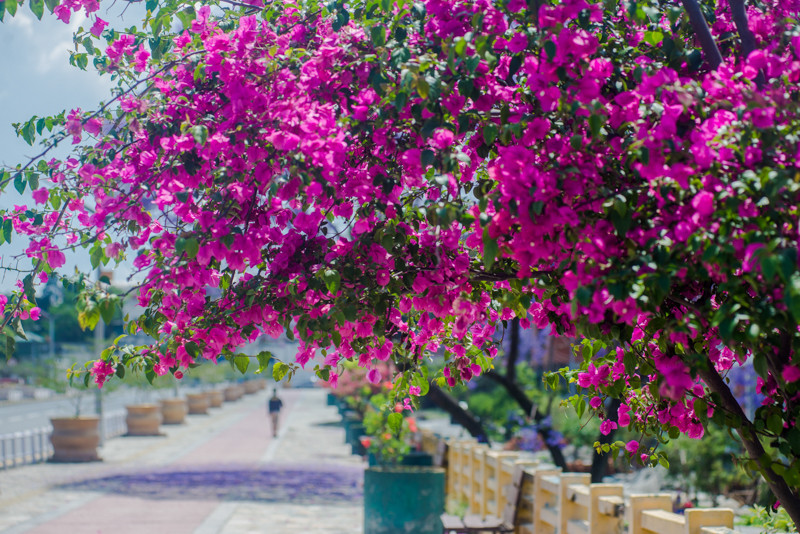
From a Green Belt Kathmandu has become a Dust Bowl. But all is not lost, the tree-lined Darbar Marg to neighbourhood beautification at Narayan Chaur have shown that if communities get together it is possible to revive the Valley’s lungs.
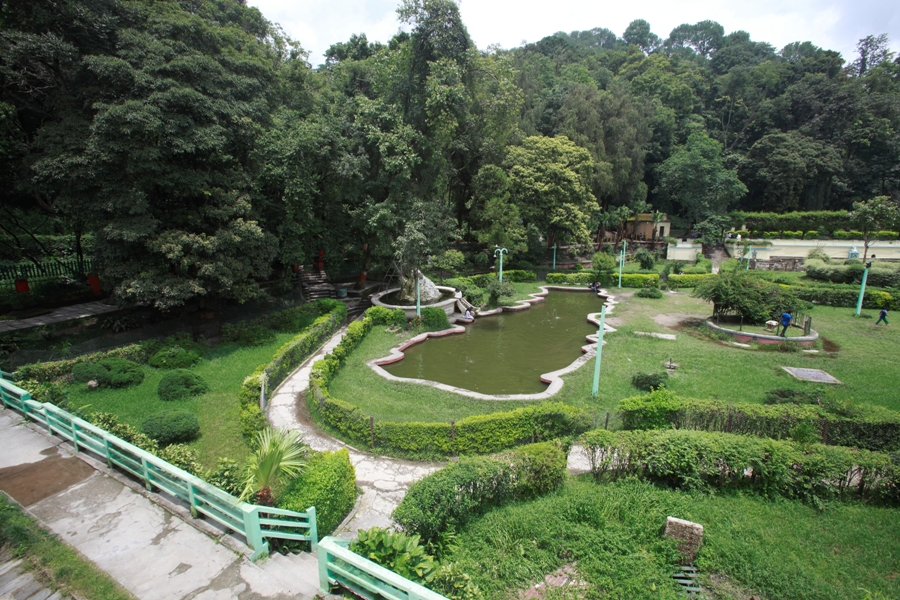
Kathmandu will benefit from developing a series of linked water bodies, open spaces, parks and patches of urban forests, by not only connecting fragmented green spaces but also increase their ecosystem services, a concept that gives economic value to restoring nature.
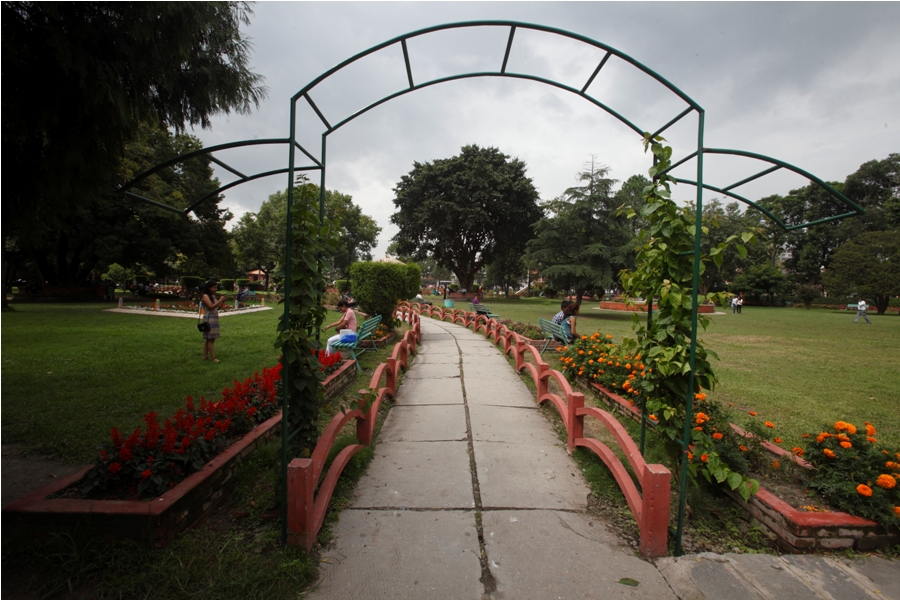
Lack of open, green spaces takes a daily toll on the lives of the residents who have limited space for walking or other social activities. The abject lack of greenery in Kathmandu is a contributing factor to not just physiological but also psychological stress.
Sprawling, insensitive and haphazard development over the years have over-run what remained of open spaces. More recently, Kathmandu has experienced annual flooding during monsoon and extreme temperatures, a new phenomenon for the city’s residents.
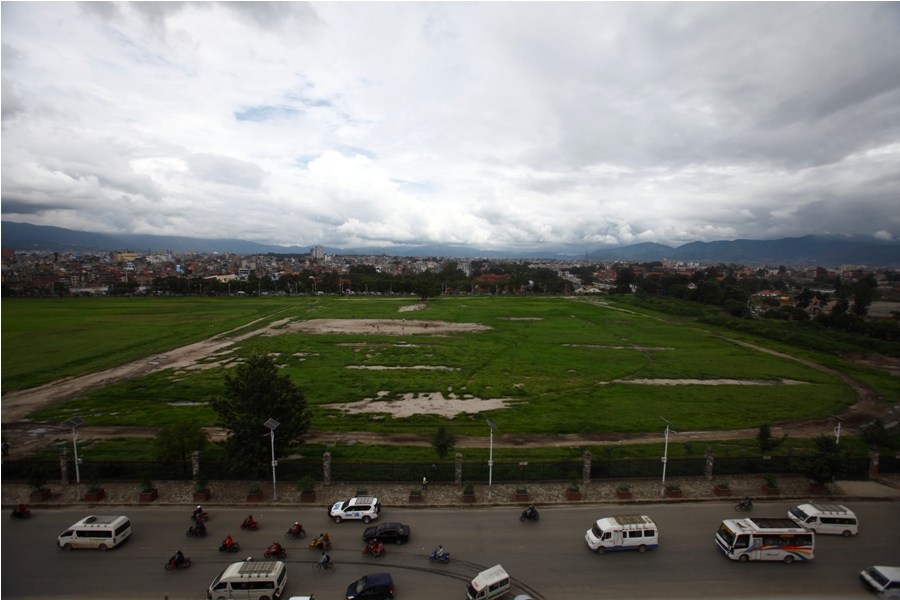
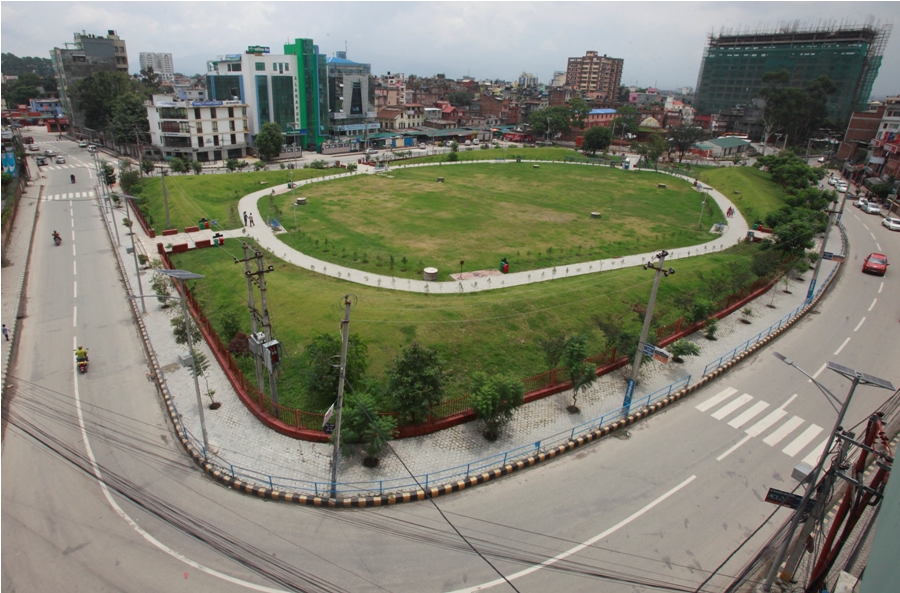
According to the World Economic Forum, access to green open space and a feeling of social connection creates liveable and vibrant cities. The small open spaces that remain are not a result of planning but due to litigation (Tinkune) or neglect (Tundikhkel). But even here, they provide people a place to unwind and de-stress with friends and family.
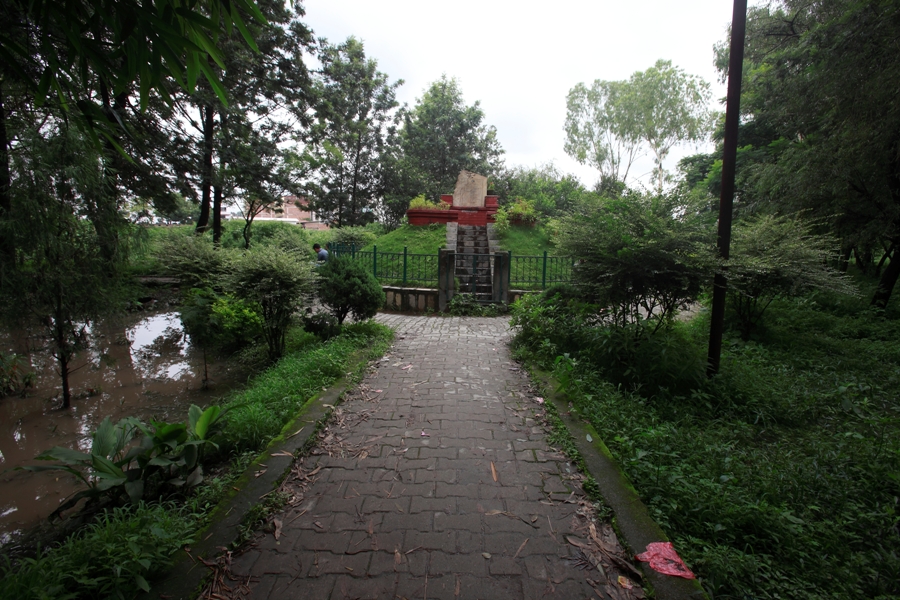
The new corridors long the Bagmati, Dhobi Khola and other rivulets have constricted the floodplains, but at least the banks are tree-lined.
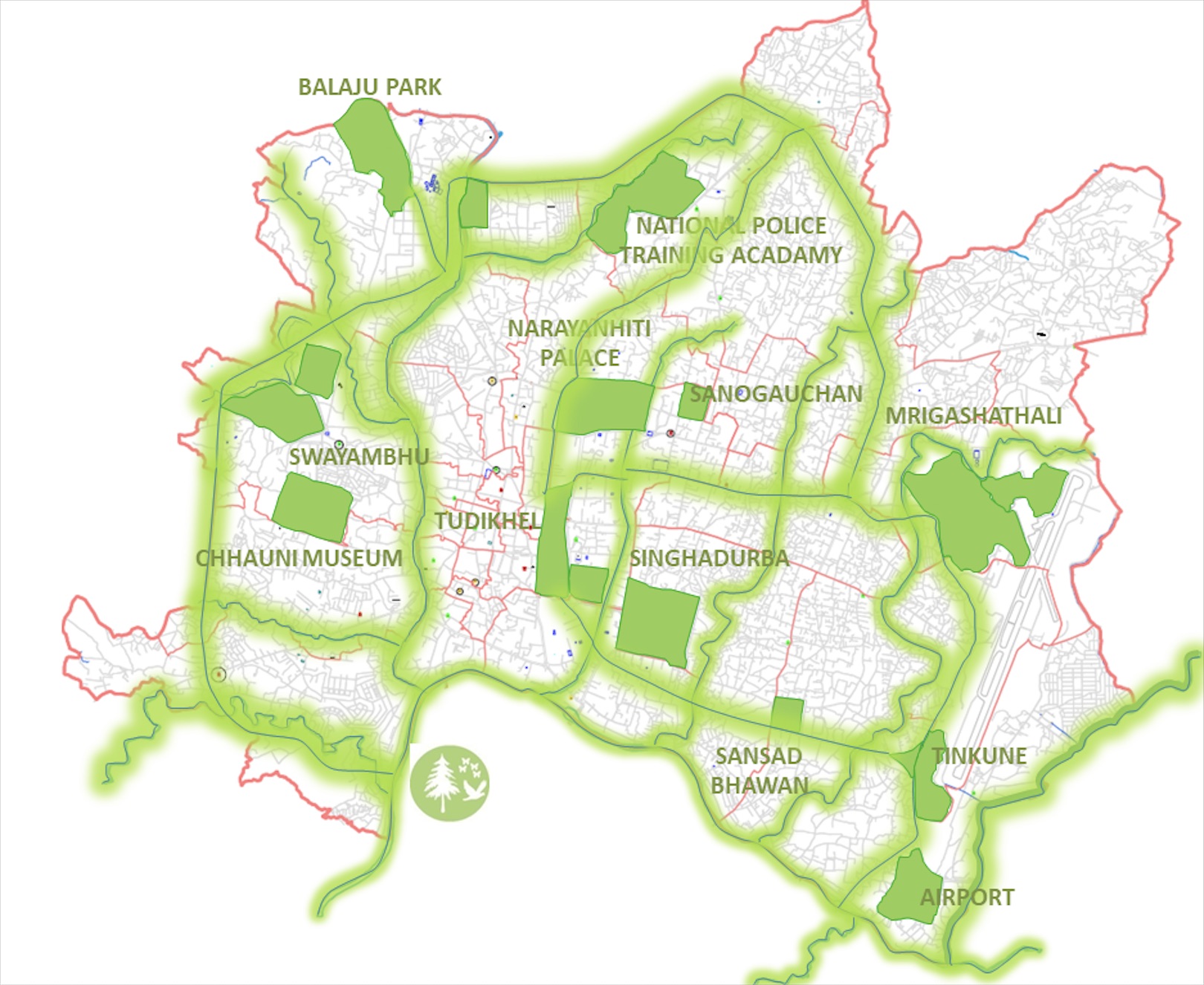
Tree have many obvious positive aspects like emitting oxygen, muffling noise pollution, moderating temperature. But also little-known benefits like releasing essential oils like phytoncides, which help physical and mental wellbeing in humans.
While Kathmandu has not yet seen a campaign that calls for the protection and preservation of nature, we have in the recent years seen some movement around keeping open spaces intact.
For many Kathmandu residents, the realisation sank in after the 2015 earthquake. “It is important to tell the masses how our open spaces are being encroached upon and why they should be preserved,” says Vijaya Shrestha, who coordinated the Occupy Tundikhel campaign.
Organised by a youth group, it was an attempt to spread awareness about the importance of open spaces of which Tundikhel was a prominent symbol. The historical and cultural importance of this once-vast maidan pre-dates its function as a military parade ground. But Tundikhel has been steadily encroached upon by the Army, and it is now only a sliver of its former expanse.
Restoring it to its original boundary would not only provide Kathmandu with lungs, but also preserve its historical significance, as well as serve as a refuge in future disasters as it did in the 1934 and 2015 earthquakes.