The winter air pollution season started early this year with emissions, Diwali firecrackers and crop residue burning making the air unbreathable across north India.
Much of the pollution was transboundary, with prevailing winds carrying the suspended particulates from Pakistan, across India to Nepal and beyond.
All this pollution and domestic emissions killed 41,300 in Nepal in 2023, and 85% of all deaths were because of noncommunicable diseases such as heart and lung disease, lung cancer, diabetes, and dementia, according to the State of Global Air (SoGA) 2025 report released Thursday.
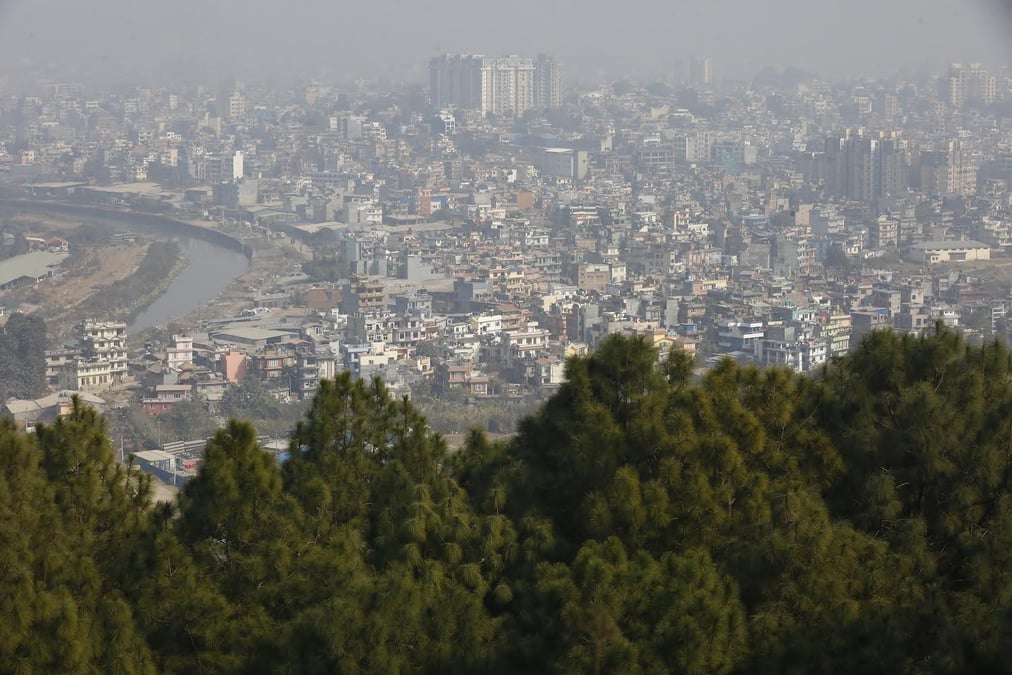
With the onset of winter, Kathmandu Valley’s own emissions are trapped in a surface inversion layer and as in previous years will have some of the worst air quality in the world.
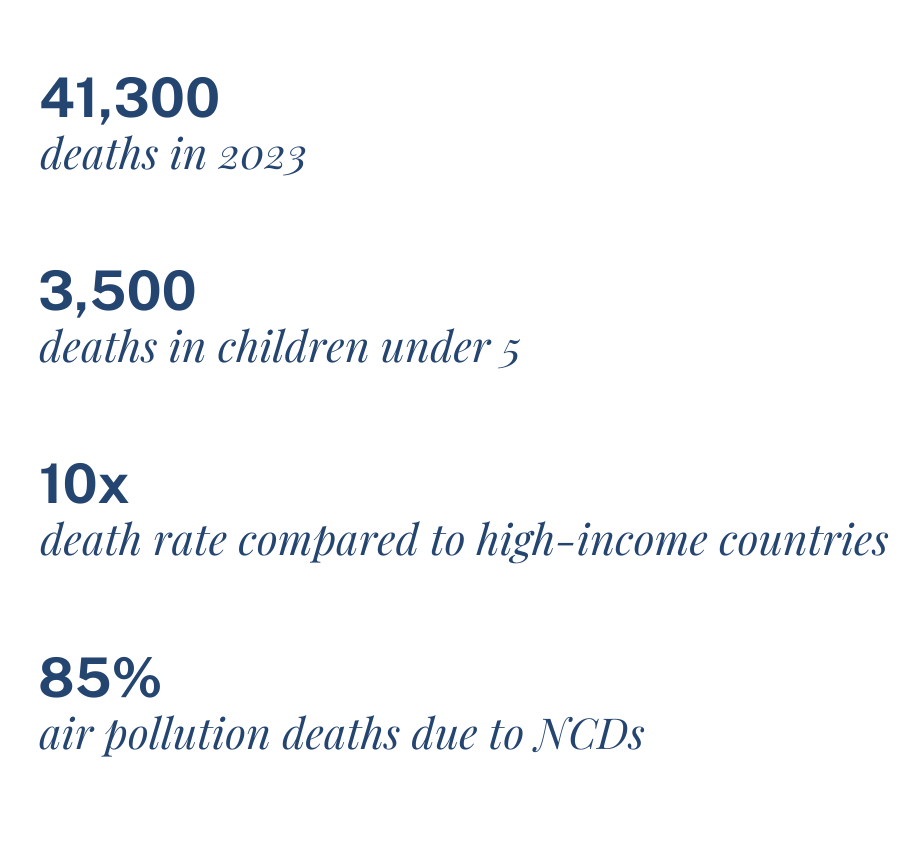
The SoGa report says air pollution has now become the leading risk factor for deaths in Nepal, ahead of tobacco and high blood pressure. Interestingly, while the health impacts due to environmental risk factors such as unsafe water and sanitation have reduced significantly since 2000, the opposite is true for ambient PM2.5 (particles smaller than 2.5 microns).
Globally, 7.9 million deaths were attributable to air pollution– about 1 in 8 deaths – in 2023. Of this total, 4.9 million deaths were attributable to PM2.5 exposure, 2.8 million were from household air pollution, and 470,000 were from ozone.
Similarly, dementia attributable to air pollution resulted in 626,000 deaths and 40 million healthy years of life lost. And 95% of air pollution attributable deaths in adults over the age of 60 are due to noncommunicable diseases.
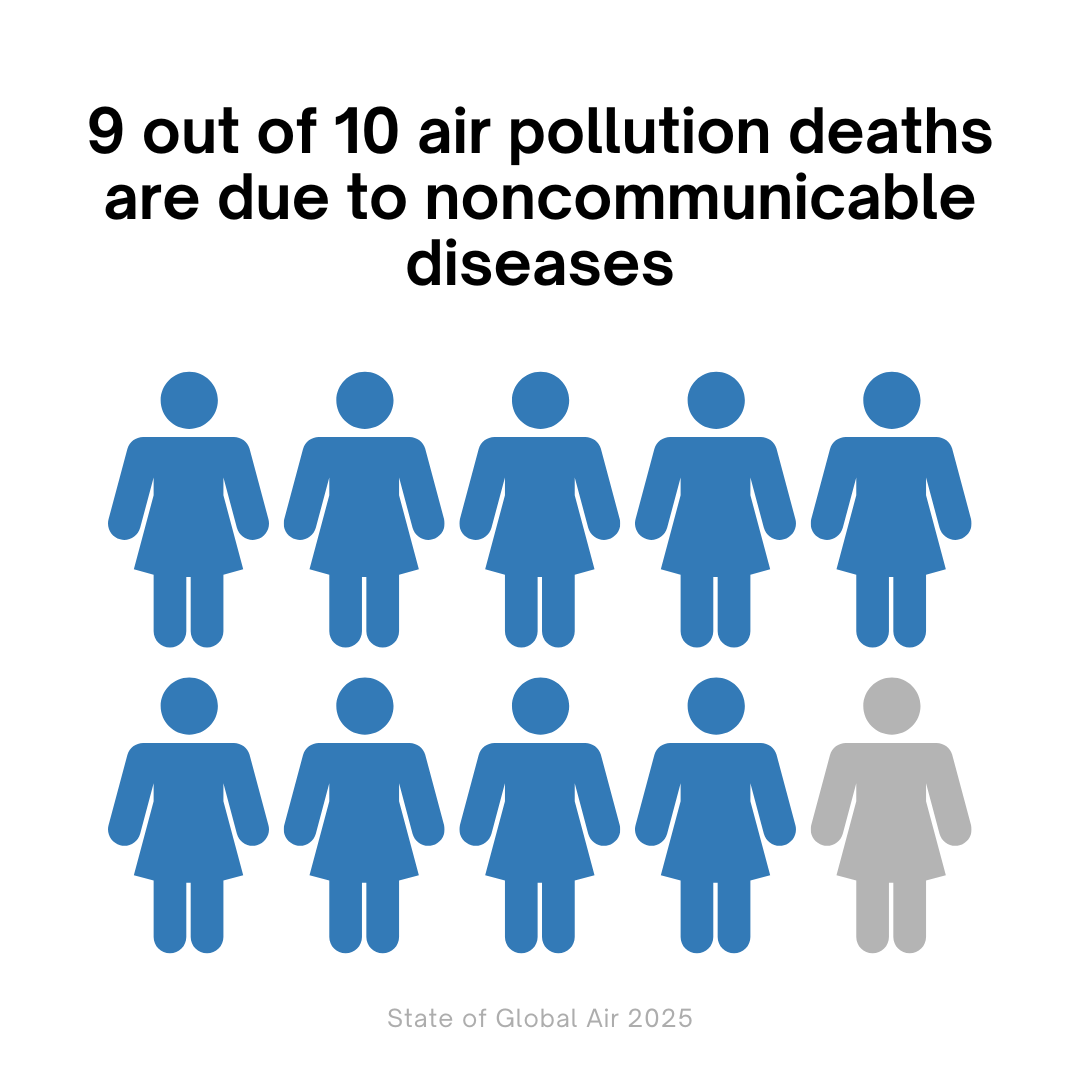
The burden of noncommunicable diseases in relation to air pollution is rising worldwide and in Nepal. The SoGA report shows that nearly nine of ten global air pollution deaths are from chronic ailments, and half of all respiratory disease deaths are attributable to air pollution.
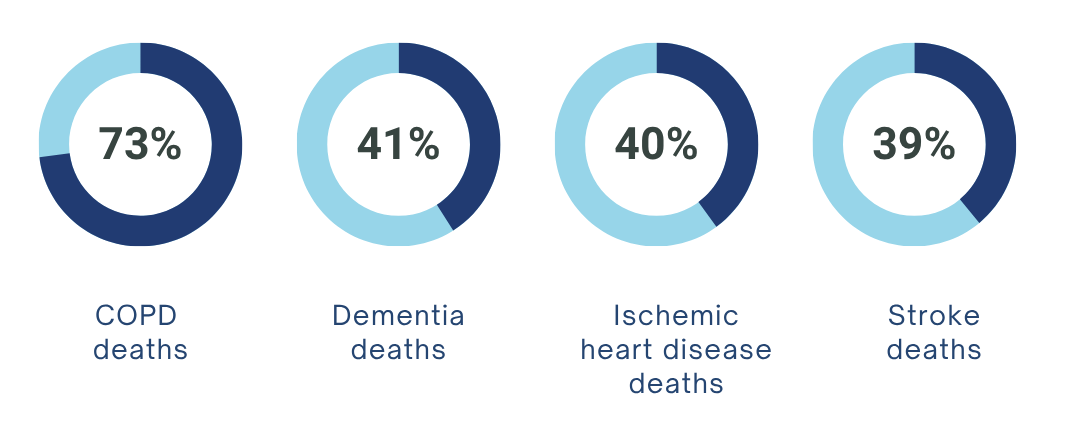
In Nepal, air pollution is responsible for three out of four COPD deaths, one out of three heart deaths and one out of five diabetes deaths. More than one third of lower respiratory infection deaths were due to air pollution.
“The data presented in the State of Global Air report highlight the significant impacts of poor air quality on the health and well-being of billions of people around the world, especially those living in Asia and Africa,” says Pallavi Pant of the Boston-based Health Effects Institute (HEI) that released the report in collaboration with the Institute for Health Metrics and Evaluation and the NCD Alliance.