
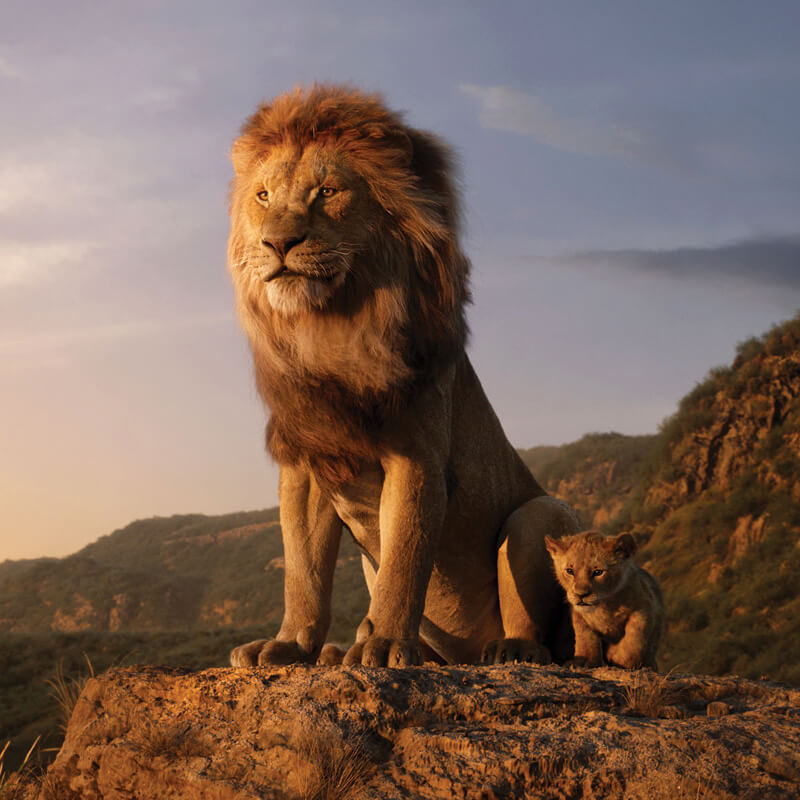
Much has been said about the darker, edgier remake of the beloved 1994 animated classic The Lion King since its release a month ago. Most notably, the digitised re-release uses new photorealism techniques to bring to life breathtaking computer-generated shots of wildlife and nature.
It is so realistic we have to remind ourselves we are not watching Attenborough or Animal Planet. But in retelling the original cartoon movie, it is precisely this virtual realism that has been panned by reviewers for ‘lacking soul’, and being ‘heartless’, or ‘trading feelings for realism’.
Still, as someone who was so moved as a child by the original Lion King, the 2019 version worked well, as it retold the story of a young cub who must embrace his role as the rightful king of Pride Rock and avenge the death of his father Mufasa at the hands of his villainous Uncle Scar.
The young Simba crying for help after the stampede is as powerful and as painful to watch, if not more. The audience of young Nepalis at a matinee show at Labim Mall was thoroughly transfixed by the boisterous 3D duo of Pumbaa and Timon. Hakuna Matata is there, so is a body positive message in the mix. And despite working with a different medium, the characterisation of young-adult Simba is still on point: joyously chasing after butterflies over a clearly perplexed antelope.
The only actor reprising his voice role, James Earl Jones as Mufasa sounds as kingly as he did the first time around. The voices of Donald Glover as Simba and Beyoncé as Nala are perfect fits. JD McCrary as young Simba is full of life, naive and entitled. Chiwetel Ejiofor presents a different Scar, downright menacing and terrifying, a departure from Jeremy Iron’s charismatic villain. But the highlight have to be Simba’s sidekicks, Pumbaa and Timon, voiced by hilarious Seth Rogen and Billy Eichner.