-
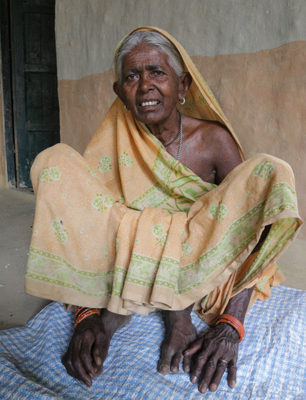
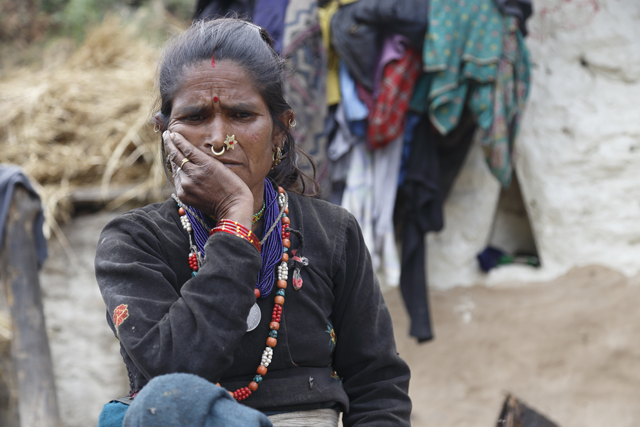
Chukka Nepali, 41 Chukka is a mother of six in one of the remotest villages of Nepal’s remotest district. She was 14 when she had her first baby, and started fetching firewood and collecting fodder a few days after giving birth. Being a mother at a young age, chronically undernourished, and doing relentless back-breaking work soon after giving birth caused her uterus to start come out, and she has lived with that painful condition which has got steadily worse with every new birth.
Chukka Nepali was already suffering double discrimination for being a woman and a Dalit, but the uterine prolapse made her even more of an outcast. Neighbours taunted her children, saying their mother was a witch.
“They said my womb had fallen out because I was evil, and God had punished me,” Chukka told us, “for the past 25 years besides the physical pain I had to endure mental torture.” Her husband is the village tailor, and says he makes just enough to feed his family and cannot afford to take her to hospital. He is not aware that the government offers free surgery.
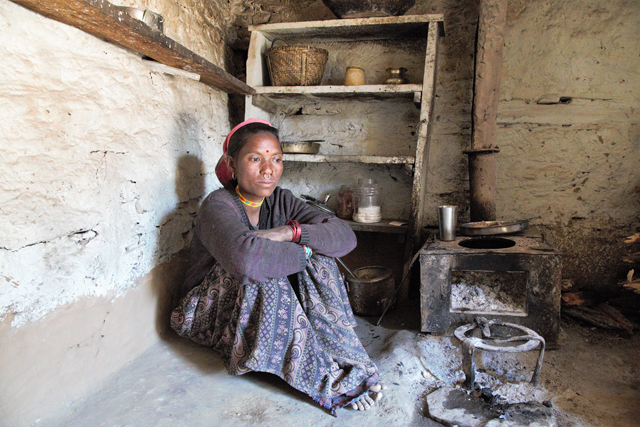
- Biura BK, 28 Biura is a Dalit mother of three school-going sons from Nigale village. She was also 14 when her first baby was born, and felt her womb come out while collecting firewood soon after giving birth. She is in constant pain, and is worried that her husband will leave her because she cannot fulfill her husband’s physical wants.
Three months ago Buira’s pain became intolerable and she went to the district hospital in Gamgadi where the doctor told her that she had fourth degree prolapse, and referred her to the Karnali Zonal Hospital in Jumla. The government offered her Rs 1,500 transport allowance, but it would have cost her Rs 10,000 for transport and lodging costs for herself and a minder. So she never went.
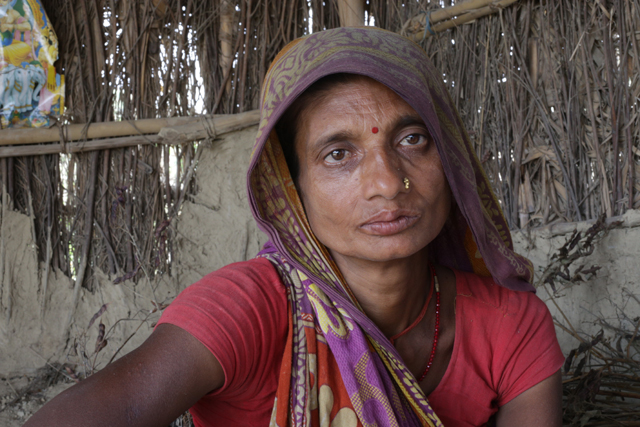
- Saraswoti Devi Thakur, 40 Saraswoti Devi is from Hariharpur of Dhanusa district, and has been living with a prolapsed uterus for the last 14 years after her second baby. She tells me in a whisper: "Till three years ago, I used to just tuck it back in and keep working in the fields, but now the womb does not go inside and it is painful to walk and work.” Feeding and nurturing the family was difficult enough with an alcoholic husband who drinks away the savings and beats her up at night, but the prolapsed uterus has made life infinitely more difficult.
She knows the hospital offers free treatment, but her husband doesn’t allow her to go, saying: “Who will do the work here if you go to hospital?” Saraswoti says: “I feel tired all the time, there is always a white discharge from my womb, I find it difficult to work. My husband doesn’t understand that I am in pain, no one does.”
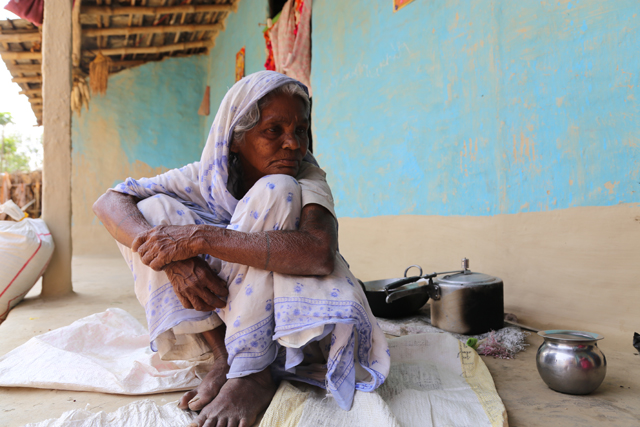
- Ram Shakhi Mukhiya of Hariharpur and mother of six who had kept her condition hidden for 34 years. A friend told her she could get free treatment in Janakpur, and she asked her son repeatedly to take her there. Ram Shakhi was weeping when she told me: "My son and daughter-in-law said to me, why do you need to do it in this old age, don’t you feel ashamed?"
Her neighbor Piyariya Devi Mahato is 40 and she is one of the few women who has had surgery for her uterine prolapse. However, her right leg has gone completely numb and she cannot walk. It looked like the surgery was defective.
Uterine prolapse, a condition in which which afflicts one in every ten women in Nepal. It is caused by the weakening of the ligaments providing inadequate support for the uterus, which then slips out of the vagina.
A recent survey showed that despite the government free treatment scheme launched in 2008, only 20% of women with uterine prolapse have been reached. The rest, like Chukka Nepali and Biura BK in Mugu are still living with the degrading condition, facing additional ostracisation.