
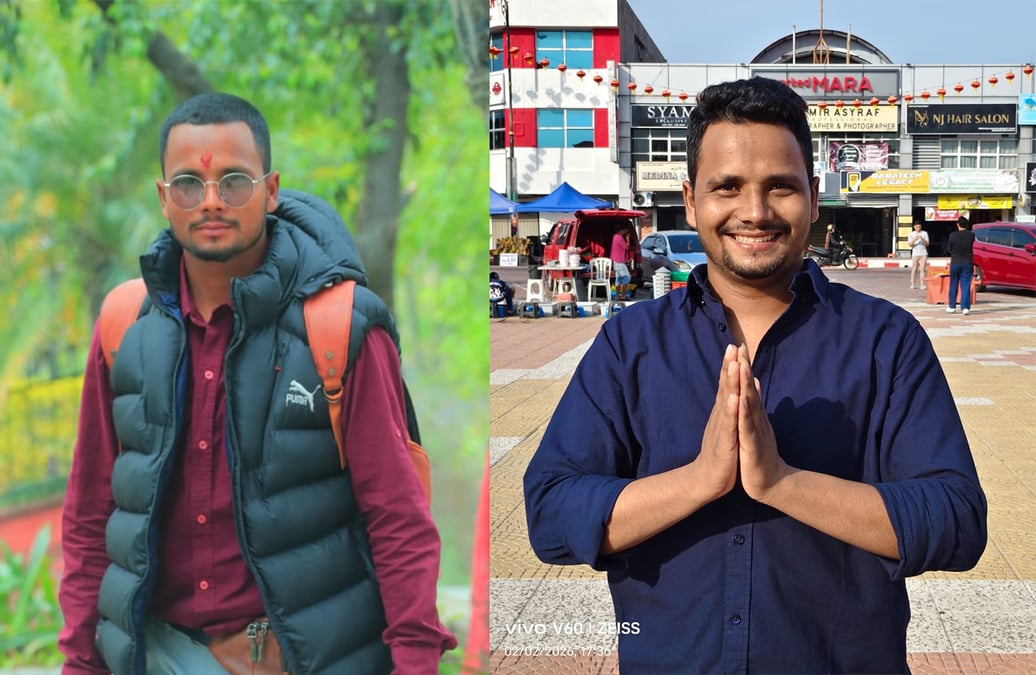
This is the 93rd episode of Diaspora Diaries, a Nepali Times series in collaboration with Migration Lab providing a platform to share experiences of living, working and studying abroad.
Since I went to work in Malaysia, my economic situation has improved. I no longer have to worry about supporting my family from day to day, and with my savings I can plan for the future.
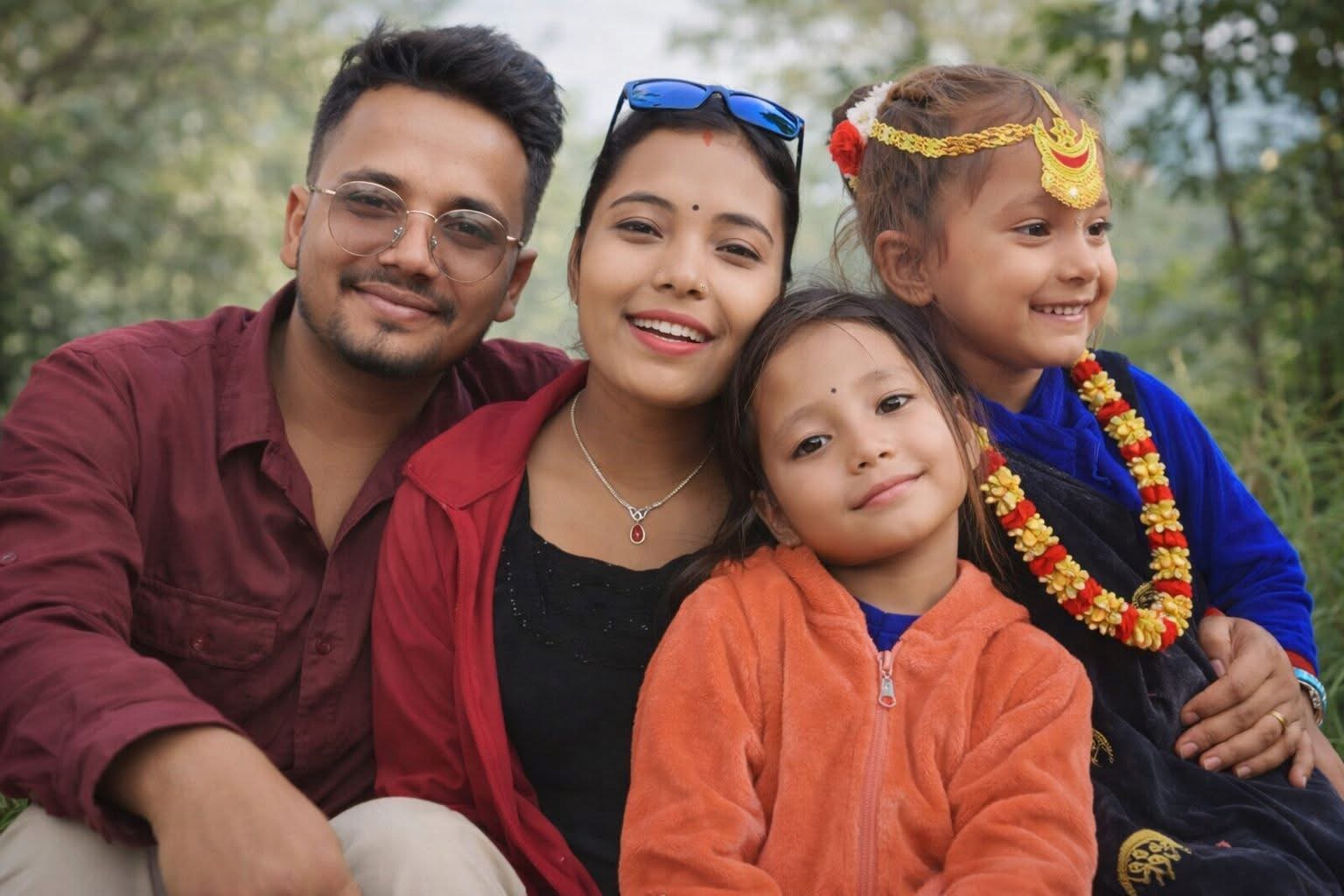
I am back on vacation in a new Nepal for two months. Being reunited with the family and sharing my experiences of the past two years is exciting. It does not take a lot really to be happy back home, just stepping on Nepal’s soil is so precious.
I talked to my daughters every day while away. They kept asking me when I was coming back, and I would say “soon”.
“Soon” is now here. I have gifts including a doll for my youngest daughter. It won’t be a surprise because she chose it virtually on video call while I was shopping. It is the kind of doll whose shoes come off.
Knowing my father’s struggles growing up in Jajarkot, I took up family responsibilities from a young age. My father made sure me, three sisters and three brothers had a good education, even though he did not study himself. I had to follow his example.
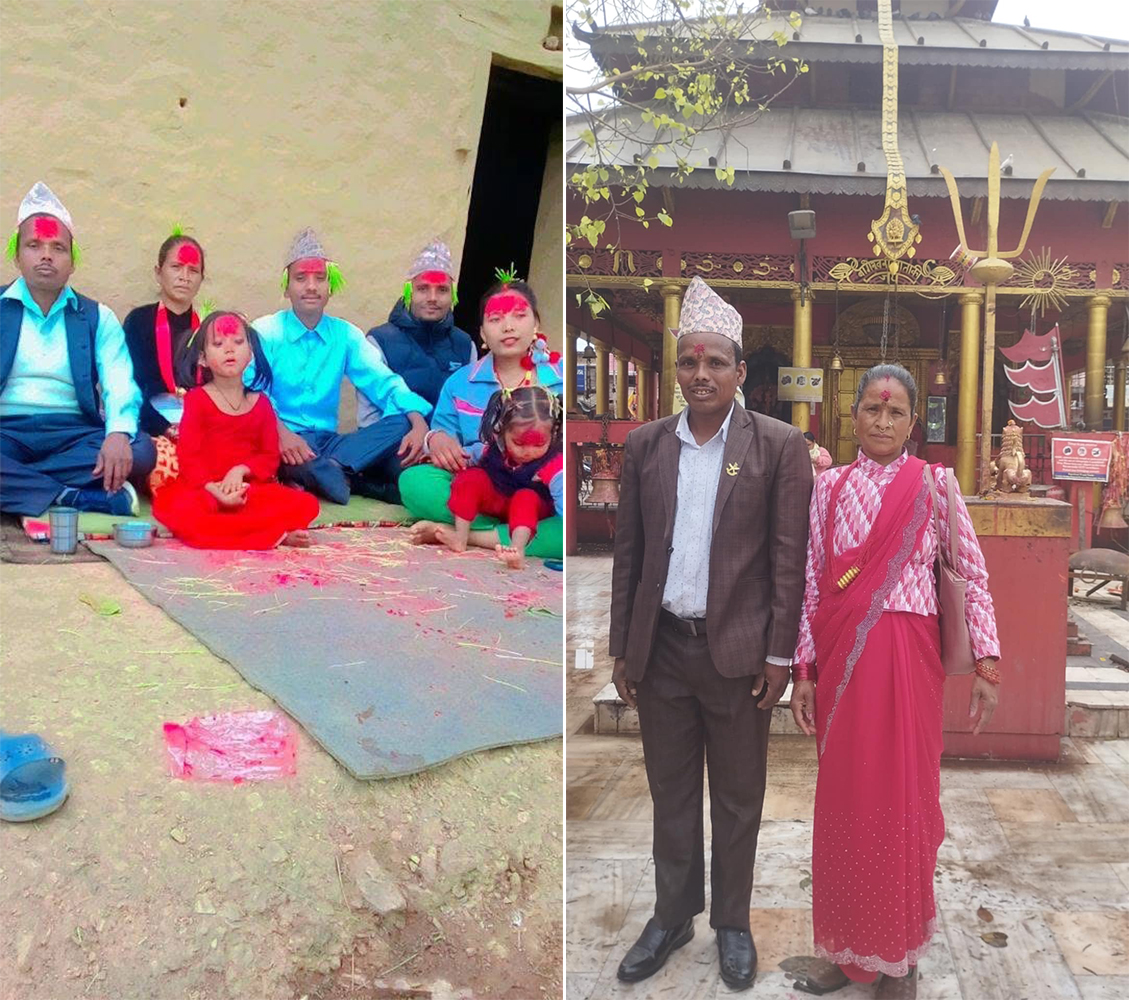
From age 10, I accompanied my family on month-long treks up to Dolpo every spring in search of yarsagumba. Schools would close in the picking season. I made Rs20,000 my very first trip. That was the first time ever I was paid for work. Together with my sister and father, we made Rs90,000.
We walked for a week just to get to the mountains, carrying clothes and food to last us a month. I had sore feet, and could not walk fast. We spent nights in caves or under the open sky. The higher we went, the colder it got and it was difficult to breathe.
We crawled on all fours on steep slopes looking for yarsagumba sticking out of the grass. We were thrilled when we found some good specimens. It meant money.
On days when we did not find any in the snow, we would be crestfallen. Till I was 20, we went every year to pick yarsagumba. As I grew older, every caterpillar I picked was sold for cash to support the family and pay for the education of my siblings.
That was reason enough to endure the hardship and pain. The journeys got shorter as time went on because we could take a jeep to drop us off nearer to Dolpo. For the rest of the year, I focused on my studies. Education was a formality, just enough to give me some exposure so I would not be cheated.
At 20, I was married and this added responsibilities. I went to India with my father to pick apples in Shimla, then to Punjab. I started out as a labourer but was transferred to accounts because I could read and write. After six months, we travelled to Assam, but the pandemic hit and we ran out of savings. We told our boss, if we had to die we would rather die in Nepal, and he arranged for us to return.
Back home in Jajarkot, I taught in a primary school. The pay was not regular and low, so we started a small restaurant on the side. But it did not do well, nothing seemed to work out. Frustrated, I had made my passport to go abroad so I could support my parents, wife and two daughters.
BETTER VERSED
I liked writing poetry since I was 16, pouring out my feelings in ghazals, muktaks or shayaris. Sometimes, I wrote for my friends who had love interests they wanted to impress.
I never saved what I wrote, not realising how important it was. I find comfort in words. With a notebook and pen, I let it all out so my heart feels lighter. I write when I feel tired, sad, or even happy. Sometimes I write in my mind, crafting the words at work, while herding livestock, or chatting with friends, and jot them down later.
I am in my own world. I don’t talk much unless it is necessary. Perhaps that is why there are a lot of words that have accumulated inside of me that erupt in writing.
I was in Surkhet with my brother when the 2023 earthquake shook Jajarkot, killing many people. I was unable to connect with my family and feared the worst. I wished I had been with them because what was the point of being alive on my own? But they finally called and said they were safe although the house was damaged.
When I went to Malaysia to work in a latex glove factory, I left my family in a temporary shelter. Two years later, we have a small house built with my overseas earnings. My wife is now working in Qatar, so we can afford to send the children to boarding school. With two of us working, there is less pressure on me. One of us takes care of household expenses, and the other saves. If we had not migrated for work, it would have been a struggle.
I don’t write as much poetry when abroad. We work long hours and after that we just rest or prepare for the next day. The hand that held a pen now holds gloves in a Malaysian factory. Even keeping in touch with my family takes time because everyone is scattered: parents are back home, daughters in a hostel and wife in Qatar.
I share a dorm room with many others, and this is not conducive to writing. People are doing their own thing: sleeping, chatting, Tiktok, preparing for their shifts. I struggle to form complete thoughts and keep my mind free.
Back home in Jajarkot, it is a creative environment with mountain scenery, the air is crisp, birds are chirping. The mind is free to wander. You close your eyes and get lost in your thoughts. Rooted in my own land, I become an observer of the world, taking everything in.
Homecoming, 11 May 2026
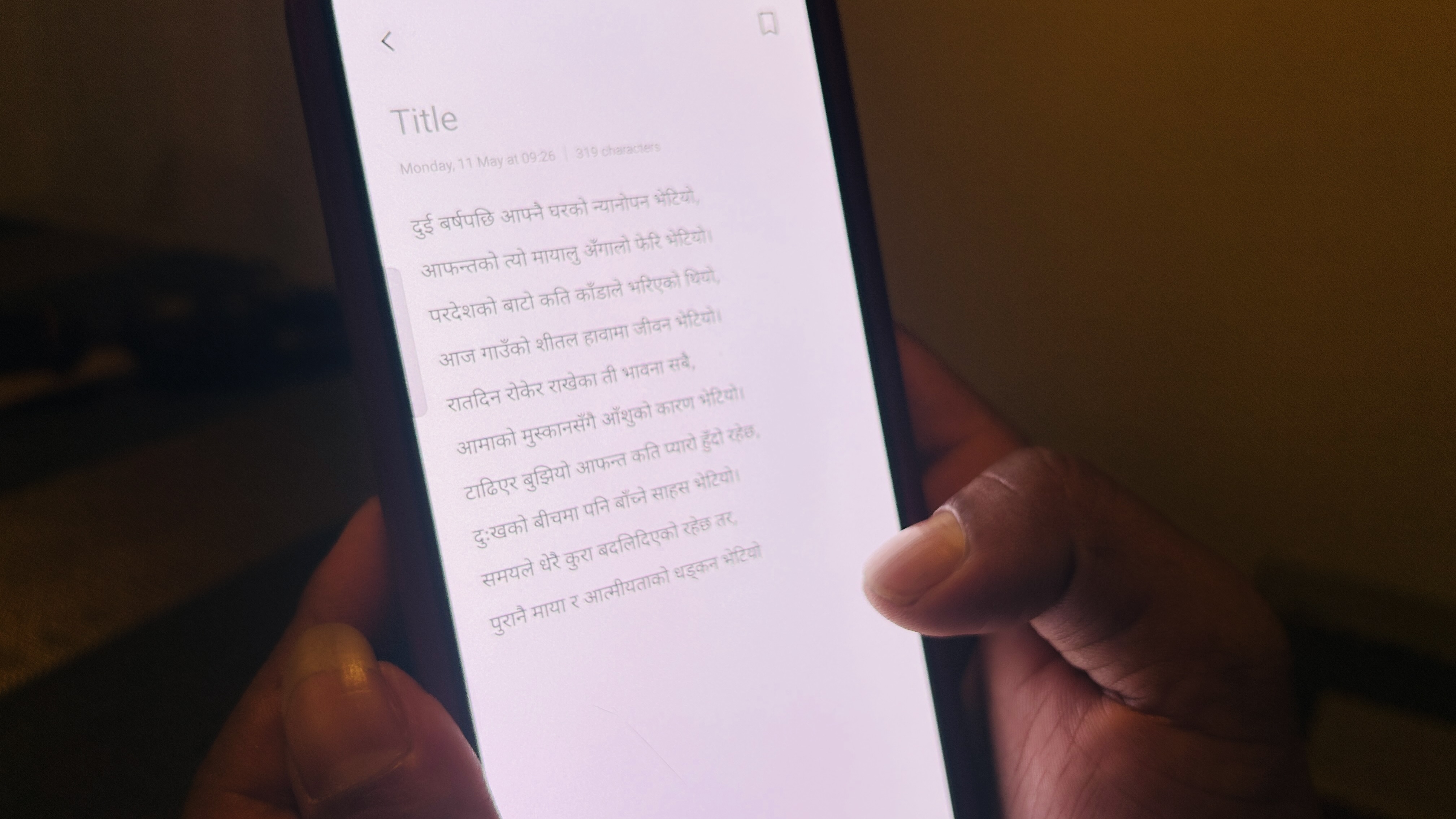
आफ्नै जन्मभूमि फर्केको छु, मन आज रमाएको छ
I have returned to my homeland, my heart is full
विदेशी पीडाको भारी बिस्तारै हराएको छ
The pain of being away is fading
परदेशको तातो घामले धेरै पसिना झार्यो
I sweated it out in the hot sun
आफ्नो माटो छोएपछि मनले शीतल पाएको छ
Now, the soil of home comforts me
आँगनभरिको हाँसोले थकाइ सबै बिर्सायो
Familiar laughter makes me forget fatigue
दुई वर्षको दूरी आज प्रेमले मेटाएको छ
Love has replaced two years of separation
म आज आफ्नै देशको काखमा रमाएको छु
I am nestled in the lap my own country
जन्मभूमिको सुगन्धले जीवन नै महकाएको छ
The fragrance of my motherland lifts my life