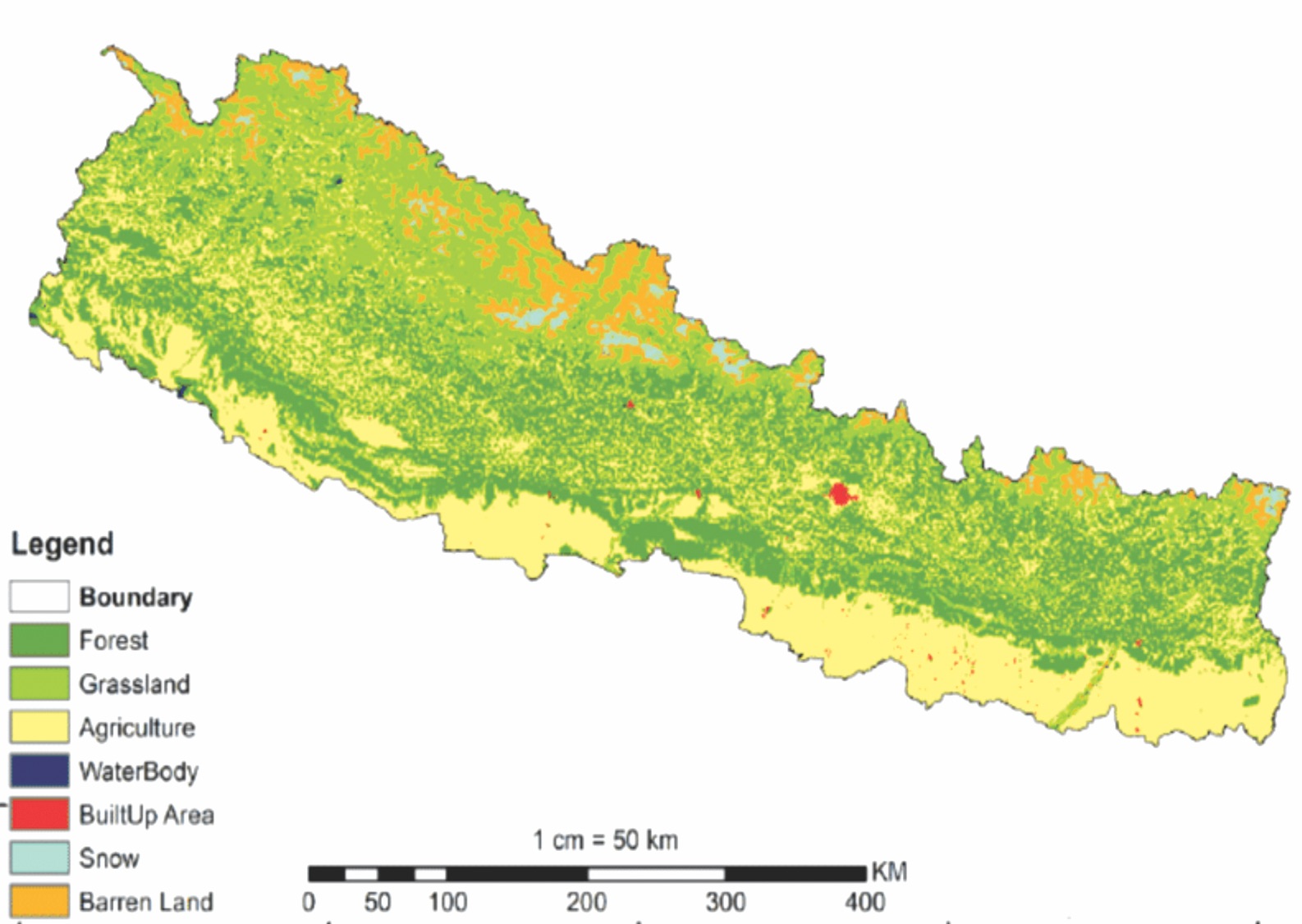
Over the last decades, Nepal’s socio-political transformation has led the country from an agriculturally-dependent rural nation to a country with expanding urban spaces.
Although rural Nepalis are still dependent on farming, the contribution of agriculture to the country's economy has shrunk to 25%, while the expansion of banking, telecommunication, trade and other service sectors has been rapid.
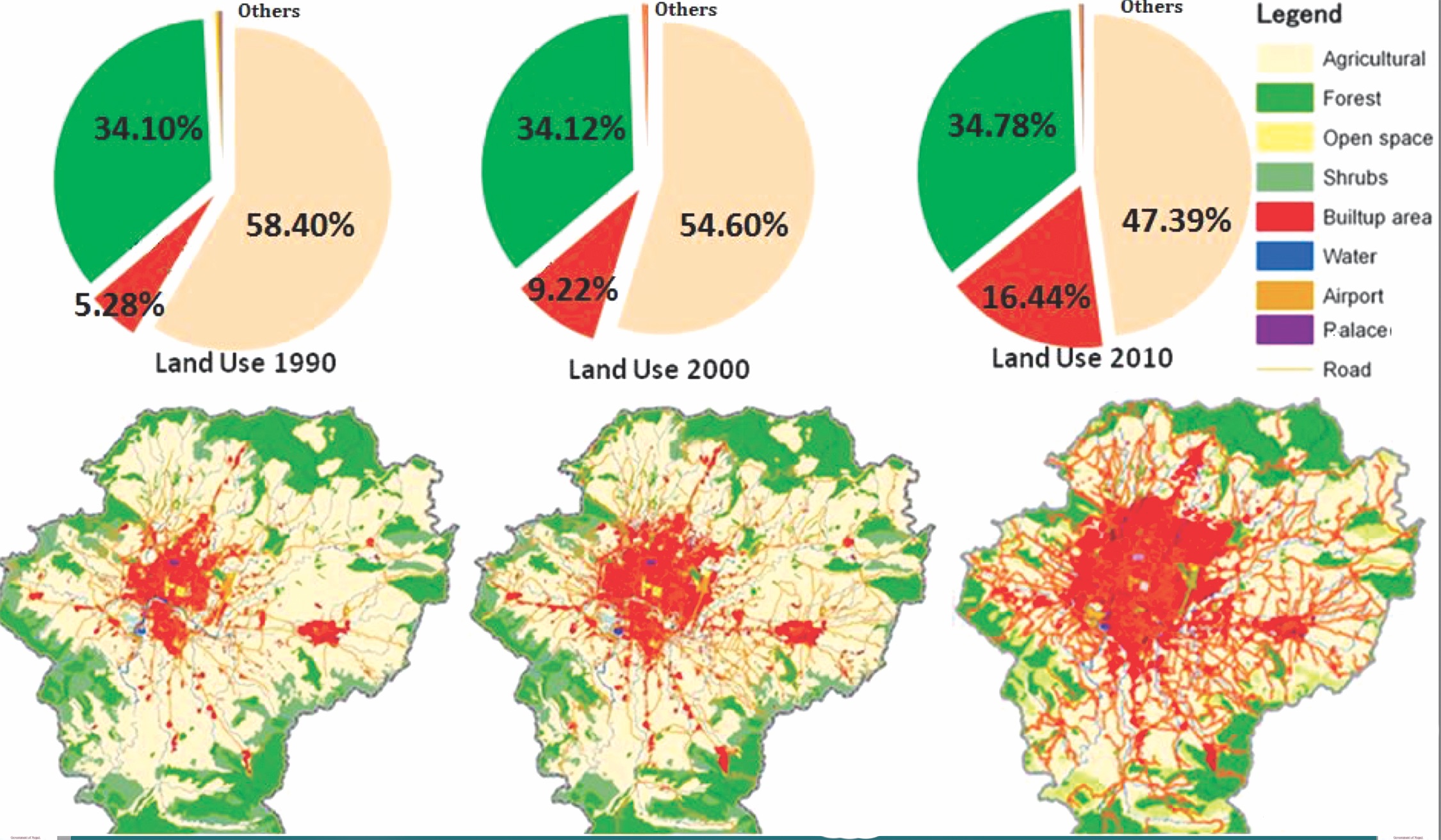
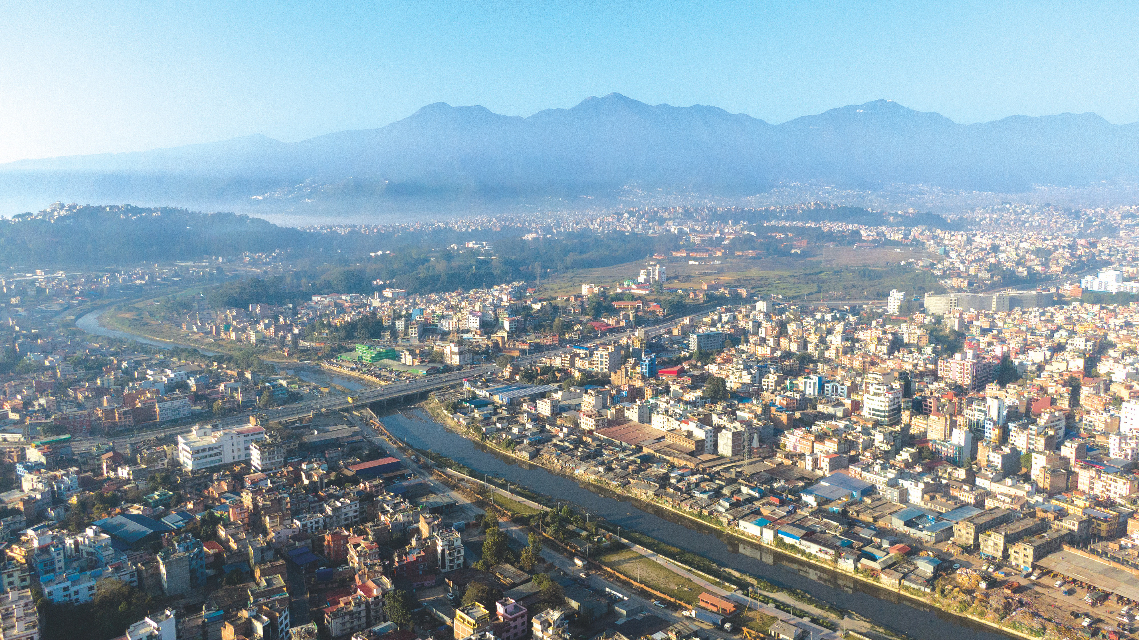
The Kathmandu Valley has nurtured 2,000 years of civilisation and culture, and is among the oldest and largest cities south of the Himalaya. Its thriving non-agricultural economic activity remained the one true Nepali urban centre for much of the country’s history -- to the extent that citizens outside of the city called it ‘Nepal’ in the past, considering the city a nation unto itself.
The evolution of most cities outside the valley has emerged as a relatively new trend, after the expansion of trading centres along Nepal’s southern border following the extension of railway lines in north India by the British towards the end of the 19th century. Subsequently, cities in the hills — like Tansen, Dhankuta and Pokhara — emerged after the establishment of state administrations.
However, access to road infrastructure like the East-West highway — which facilitated an increase in economic activity as well as migration from the central hills to the fertile southern plains—played a significant role in the establishment of major cities like Hetauda, Narayangad, Damak and Mahendranagar.
But as many cities as there are now, most of them share similar characteristics: unorganised settlements, improperly managed urban infrastructure, and unequal access to opportunities. Urban planner Jagdish Chandra Pokharel says, "Nepal’s cities are chaotic because an adequate inclusive blueprint to make them liveable does not exist, and cities have little urban character to them because expansion often takes place without planning."
Rather than urbanisation, Pokharel adds, there has been a “ruralisation of cities”.
In the 2017 Nepal Labor Force Survey conducted by the Central Bureau of Statistics, 36.2% of respondents said that their residence was different from their place of birth, showing an increasing trend of internal migration. There were only 16 urban centres across the country according to the 1971 census, and Nepal’s urban population was 3.6%. Kathmandu was the only city with a population of more than 100,000, while only five other cities recorded a population of more than 20,000.
But migration to the Tarai expanded in the 1970s, and more cities formed. By the time Nepal became a democracy in 1990, the market centres of the Madhes were connected to the hills, and the urban population expanded rapidly.
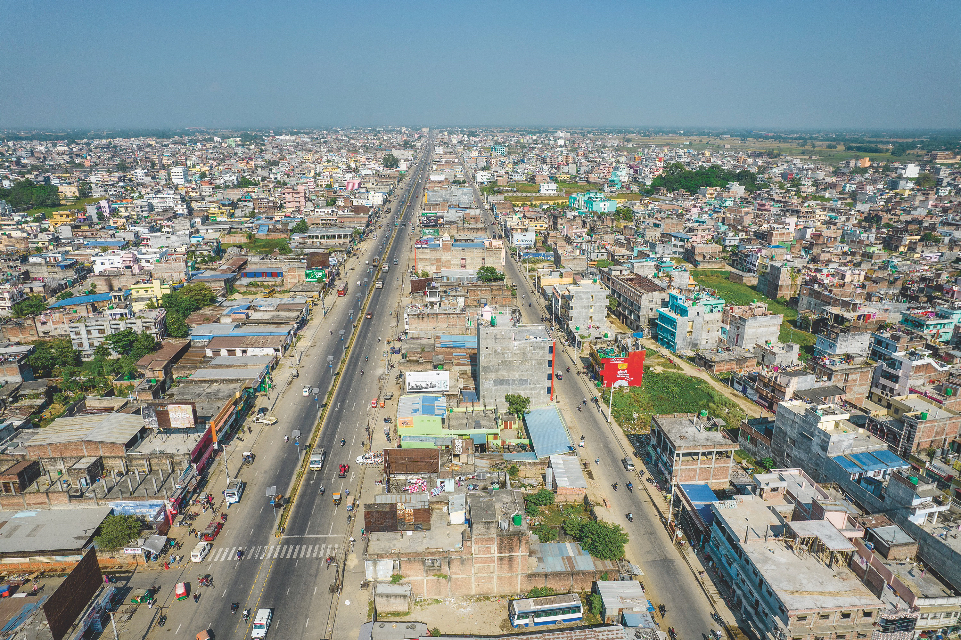
Nepal’s urban population growth rate grew almost three times in the last decade of the 20th century, and beyond. Fifty years after the 1971 census, data from the 2021 census puts the number of cities with a population of more than 100,000 at 39, most of them in the Tarai where urbanisation is concentrated.
Even as internal migration has impacted the evolution of cities in Nepal, foreign employment has also had a hand on where Nepalis have settled. Nepal’s lahure, who returned from the British Army, began to resettle in cities in the 1970s, leading to an increase in population density in cities like Dharan, Pokhara, Bhairawa and Kathmandu.
In the 1990s, Nepalis began leaving in droves to work in foreign countries other than India, changing the socio-economic dynamic of the country. This resulted in remittance income changing production, consumption and lifestyle of Nepalis, enabling rural families to migrate to urban hubs in search of better education and healthcare.
Moreover, the decade-long armed insurgency also contributed to in-migration as Nepalis began to move away from rural Nepal— mostly to district headquarters and to Kathmandu. Subsequently, the second People’s Movement centralised Kathmandu’s power.
The World Bank's 2016 Moving Up the Ladder, Poverty Reduction and Social Mobility in Nepal report states that Nepal's urbanisation is the fastest in South Asia, with the urban population expansion outpacing its 4% increase in annual GDP growth in the last few decades.
The federal restructuring turned many of Nepal’s villages into municipalities without any clarity as to the economic criteria for changing the status of local administrative units. This means that 66% of Nepalis now live in cities, according to the 2021 National Census, and a significant number of the municipalities do not have urban characteristics.
Across the world, cities are defined on the basis of population density, access to infrastructure, and the existence of a non-agriculture economy. Indeed, even Nepal’s National Urban Policy, 2007, stipulates that in order to be declared an ‘urban area’, the population density must be at least 10 people per hectare with more than half of the population engaged in non-agricultural activities. However, most of Nepal’s new cities do not meet that criteria.