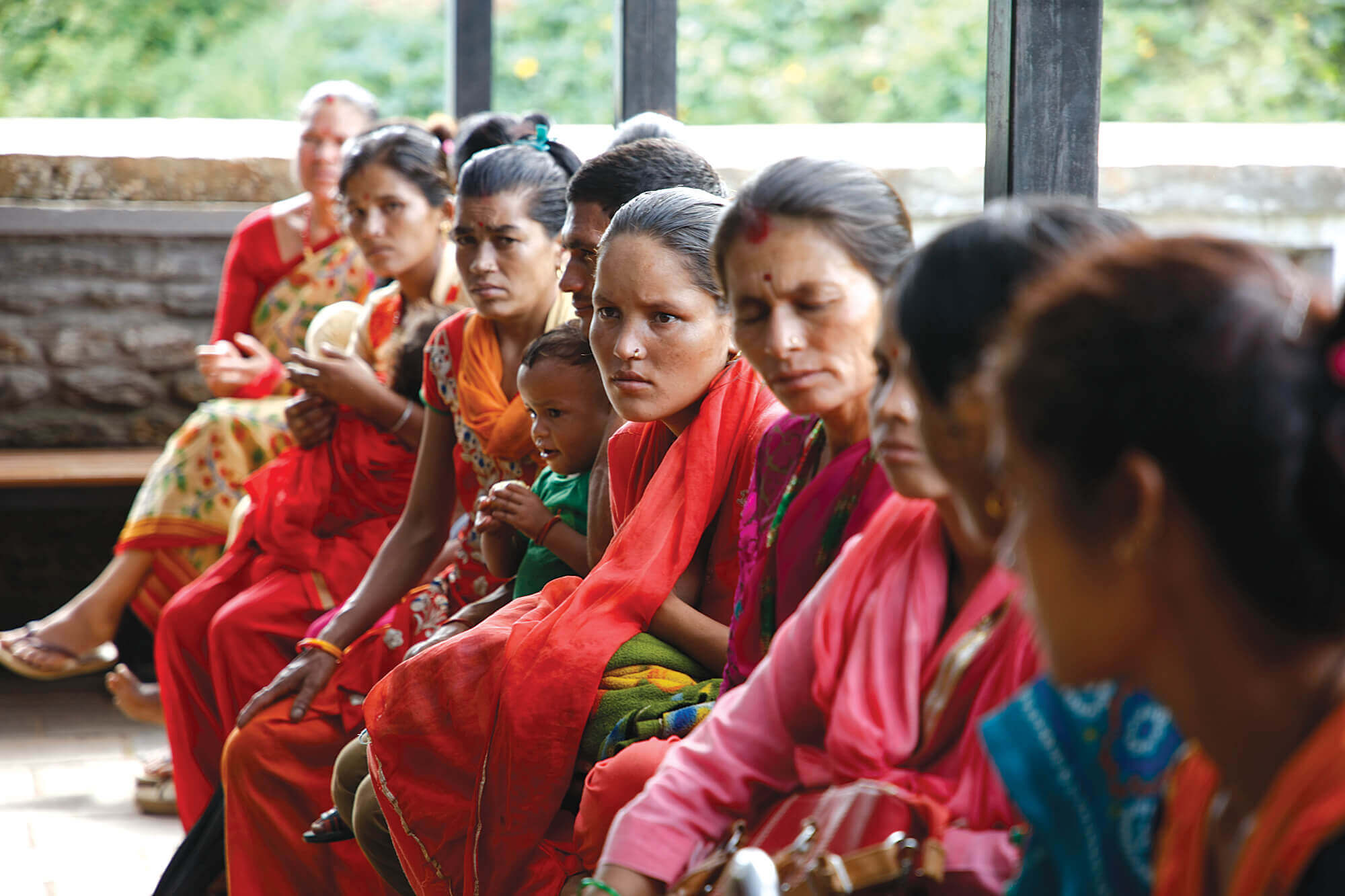
Sita Deuja, 55, is a cervical cancer survivor. After surgery and treatment, this Bhaktapur resident is now cancer-free. It has been six years, but how she contracted the disease is still a mystery to her.
Kabita Karki, a 45-year-old mother of three from Khotang, however, has a different story. She thinks that long-term use of reusable cotton cloth for menstrual bleeding was the cause of her cervical cancer.
Many Nepali women have heard of cervical cancer but they know very little about it despite their educational background. There are also many prevalent misconceptions around the disease in Nepal.
Some women we interviewed blamed it on the increased consumption of pesticide-laden food, others think the cause is use of contraceptives.
Even those who have had or have cervical cancer are unaware that almost 99% of the cases is caused by the Human Papilloma Virus (HPV) that is transmitted sexually, and hence do not know it is preventable.
Cervical cancer is the fourth most common cancer in women worldwide, and according to the Human Papillomavirus and Related Diseases Report 2019, it is the leading cause of female cancer in Nepal with nearly 3,000 new cases diagnosed annually.
Cervical cancer is preventable and if detected in an early stage, can be treated successfully. In fact, most infections with HPV resolve spontaneously and cause no symptoms, but persistent infection can cause cervical cancer in women.
As primary prevention, the HPV vaccination could be administered to girls between 9-13 years, before they become sexually active and potentially get exposed to HPV. The HPV vaccine is highly effective in reducing cervical infections with the cancer-causing type of HPV (it can prevent 9 out of 10 cases) and the development of precancerous lesions in the cervix.
A screening program is another crucial intervention to prevent cervical cancer. But the poor financial status of the families and low literacy levels act as barriers to timely detection and treatment. On the other hand, limited access to health means a lack of adequate screening facilities, resulting in late diagnosis, by which point cancer has developed to an advanced stage and cannot be treated.
Other factors affecting diagnosis and treatment include the shortage of awareness-raising programs and the stigma associated with reproductive health.
Sita and Kabita regained their health, but they could have saved themselves and their families much hardship, mental stress and money if they were better informed about the disease.
But not every woman is as lucky, many do not survive even after spending a fortune trying to treat the disease. Their deaths could have been prevented with early diagnosis and timely treatment.