

Viral hepatitis is a disease of the liver that is preventable, treatable and curable in most cases. It is a disease where elimination can and must be achieved.
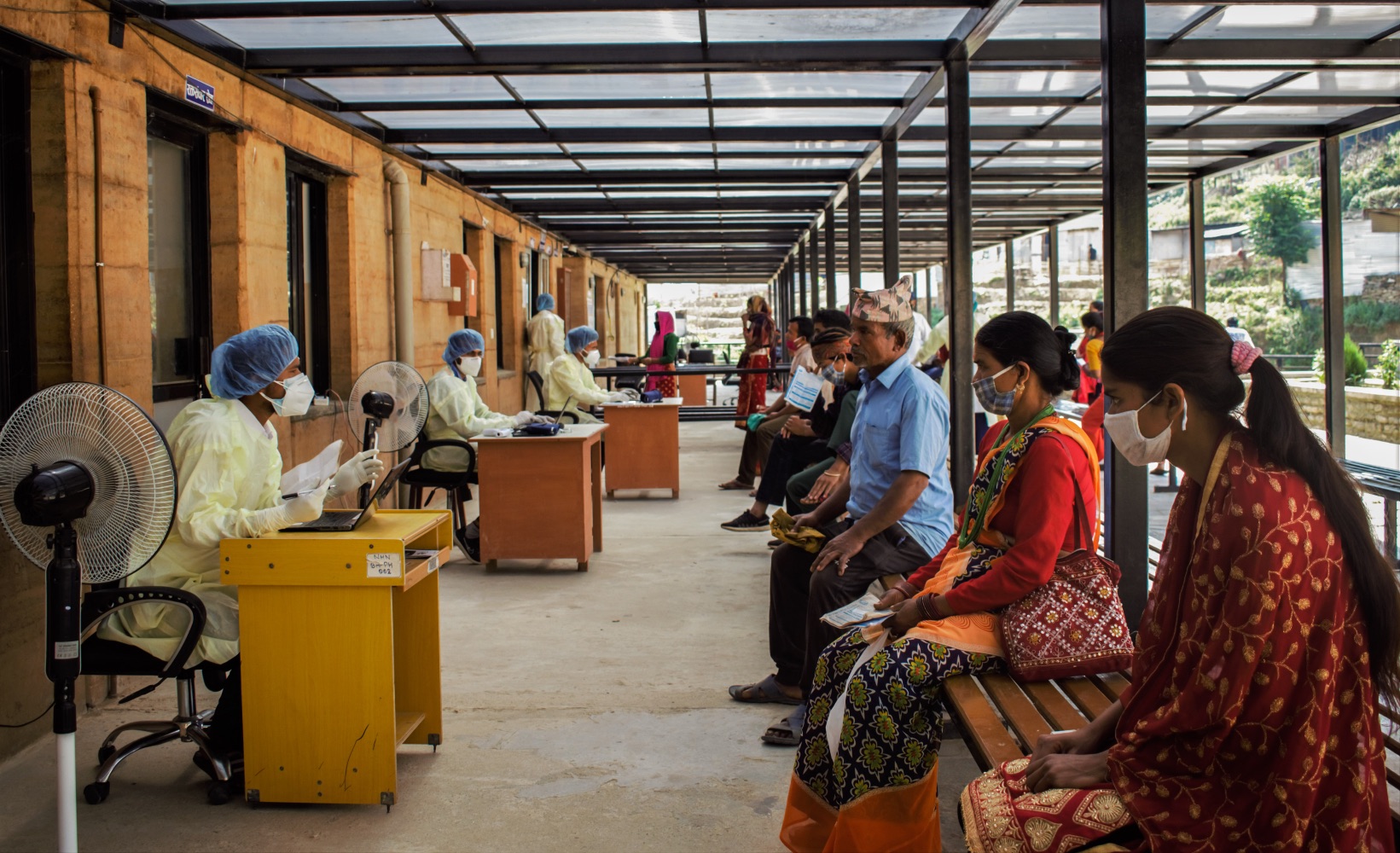
On this World Hepatitis Day, the World Health Organisation is highlighting the need to bring hepatitis care closer to the people. This means making hepatitis care available, affordable and accessible to one and all who need it without discrimination.
This is a crucial component in the quest towards elimination of viral hepatitis as a public health threat by 2030. Elimination would translate to 90% reduction in incidence and 65% reduction in mortality by 2030, compared with the corresponding figures of 2015.
The action against hepatitis cannot wait any longer. Firstly, it is the only communicable disease where mortality is showing an increasing trend. Globally, approximately 354 million people are suffering from hepatitis B and C and one person is dying every 30 seconds due to its complications.
South-East Asia has 20% of the global morbidity burden of hepatitis. An estimated 218,000 people died due to hepatitis in the Region in 2019. About 95% of all hepatitis-related deaths are due to cirrhosis and liver cancers caused by the hepatitis B and C virus.
Second, viral hepatis is a disease that is completely preventable. Clean food and good personal hygiene, along with access to safe water and sanitation, can protect us from hepatitis A and E. Measures to prevent hepatitis B and C need to focus on full coverage with hepatitis B immunisation including a birth dose, as well as access to safe blood, safe sex and safe needle usage.
Third, a world free of hepatitis is practical and feasible, and it is one of the few infectious diseases the elimination of which is tangible. We do have the tools to diagnose, treat and prevent chronic viral hepatitis, and thereby eliminate viral hepatitis.
Safe and effective vaccines exist to prevent hepatitis B, alongside new and powerful antiviral drugs that can manage chronic hepatitis B and cure most cases of hepatitis C. These interventions together with early diagnosis and awareness campaigns have the potential to prevent 4.5 million premature deaths in low- and middle-income countries by 2030.
However, access to these services is often out of reach of communities as they are usually available at centralised/specialised hospitals at a cost which cannot be afforded by all. People continue to die because of late diagnosis or lack of appropriate treatment, if they are being diagnosed or treated at all. Early diagnosis is the gateway for both prevention and successful treatment.
Modest testing and treatment coverage is the most important gap to be addressed for an effective response to the hepatitis epidemic. If we look at the treatment cascade of the South-East Asia Region, only about 10% of people with hepatitis know their status. And of those who know their status, only 5% are on treatment. Of the estimated 10.5 million people with hepatitis C, just 7% know their status, of which around 1 in 5 are on treatment.
This gap, primarily attributable to general lack of awareness, needs to be patched up. This is what this year’s World Hepatitis Day campaign on 28 July is all about. It highlights the need to accelerate the fight against viral hepatitis by testing and treating the real people who need it, i.e. closing the equity gap by “leaving no one behind”.