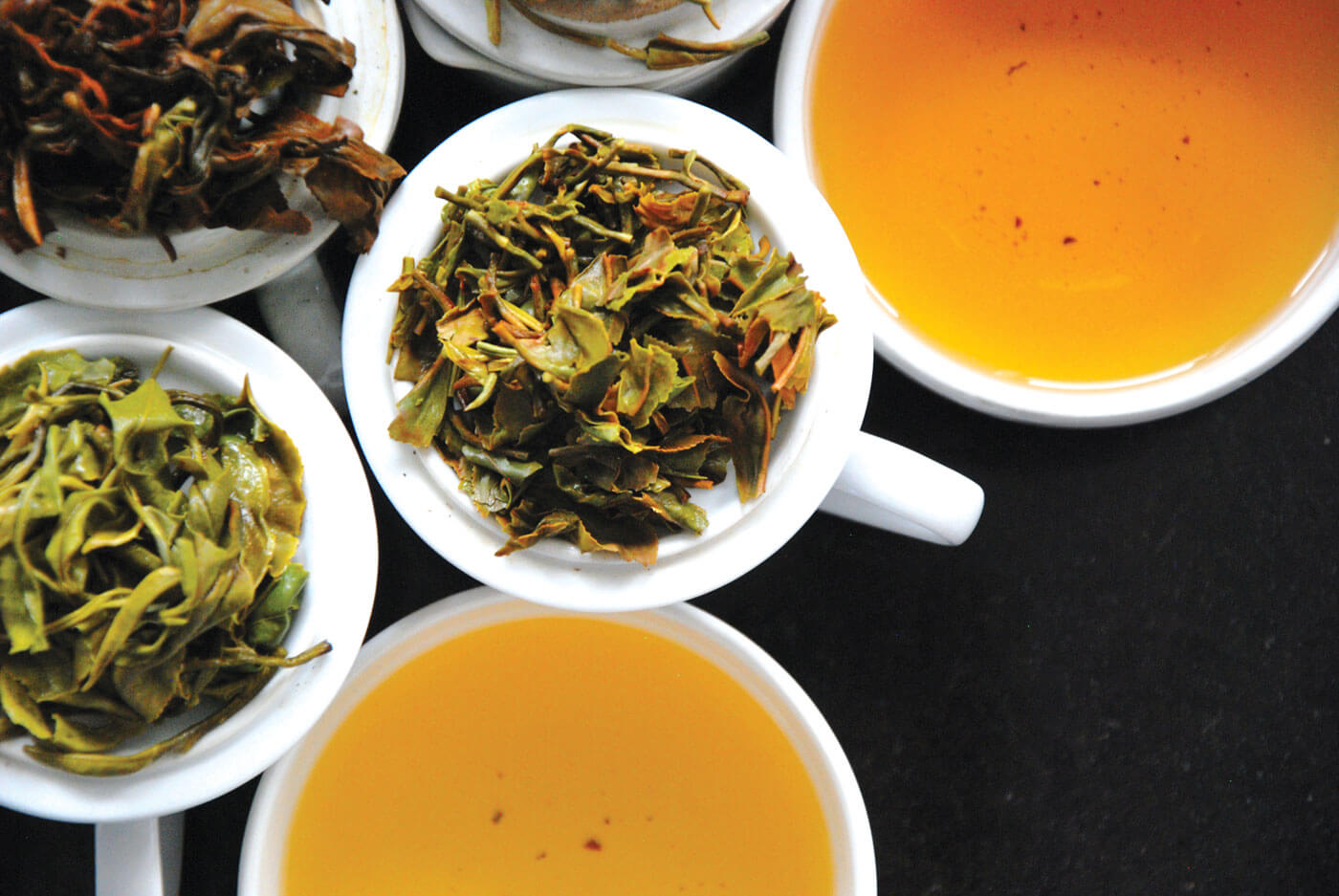
The delicate and refreshing flavour of high mountain tea from Nepal gets a cult following abroad

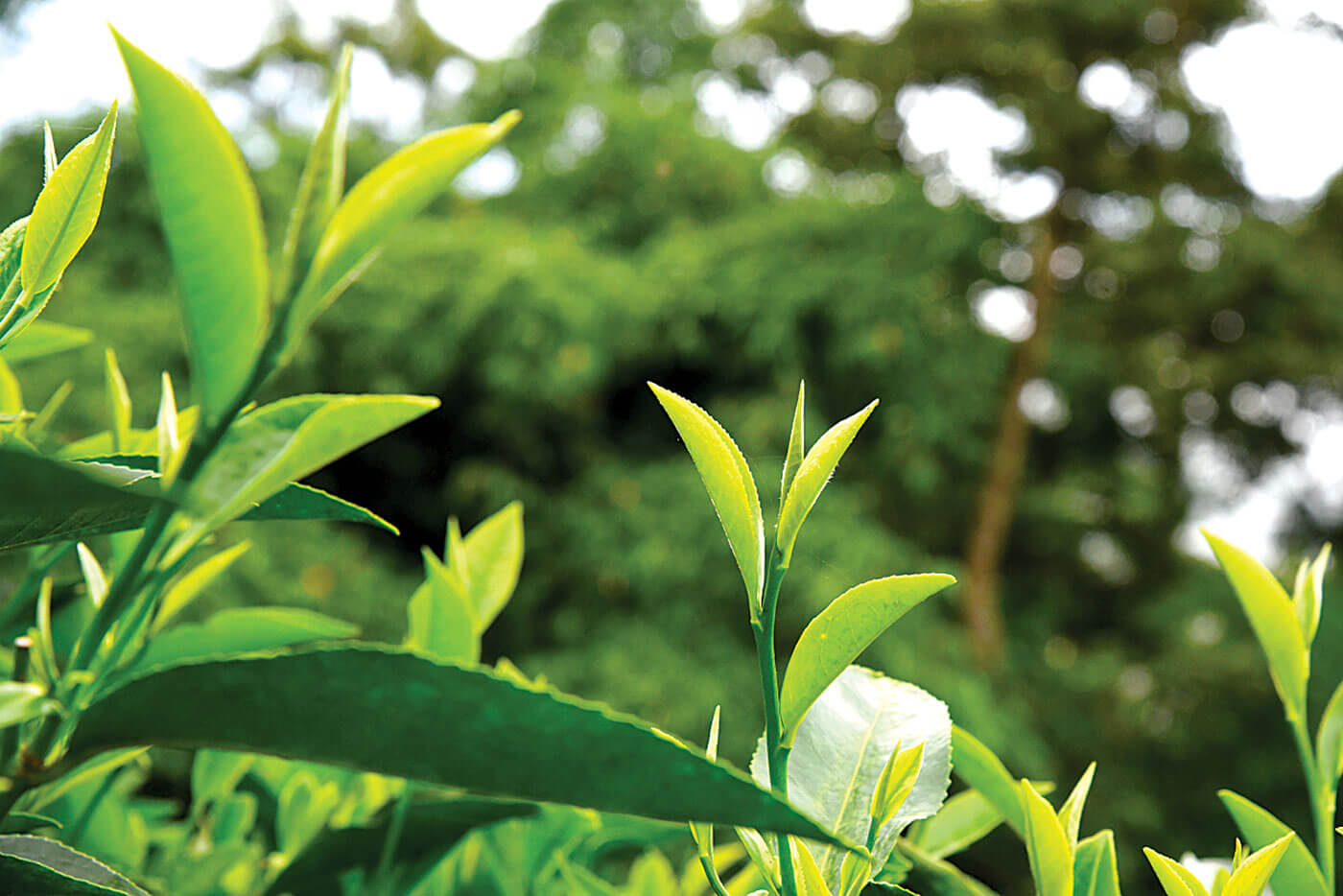
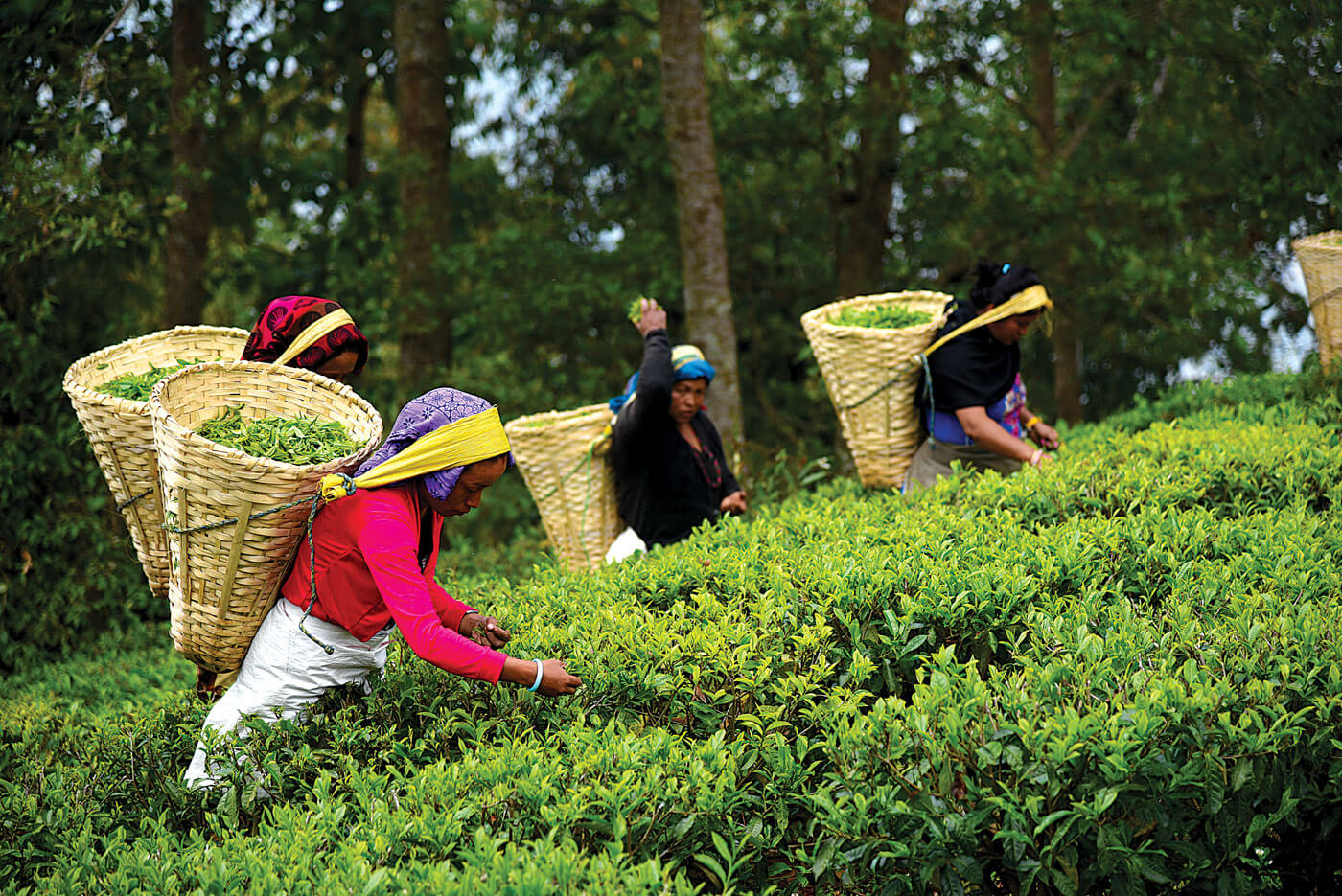
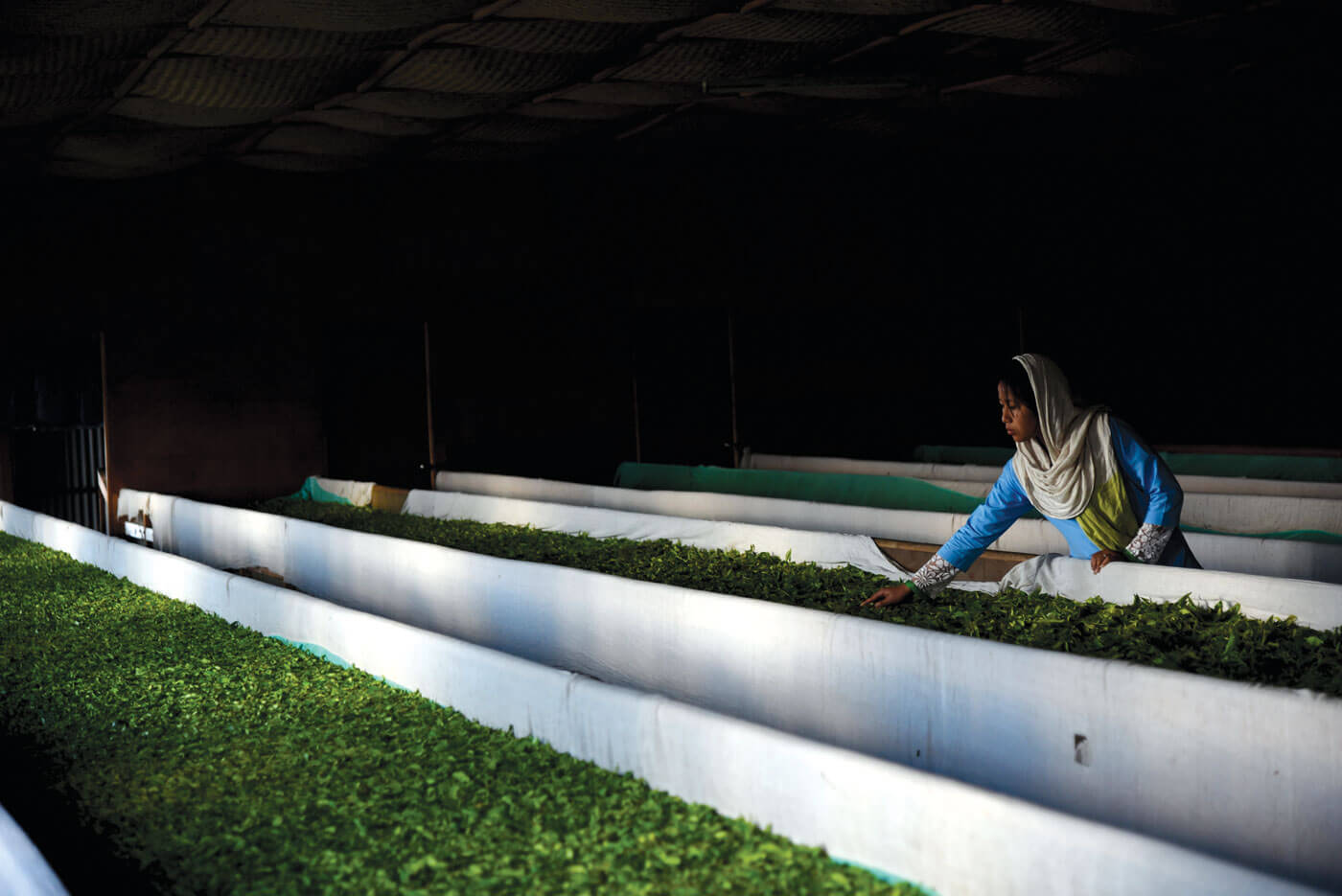
The subtle aroma and lingering taste of Himalayan tea has created a new international market with big potential for exporting high value leaves from Nepal. Several Nepali growers are exporting this sophisticated product range that needs much greater quality control and care than normal teas.
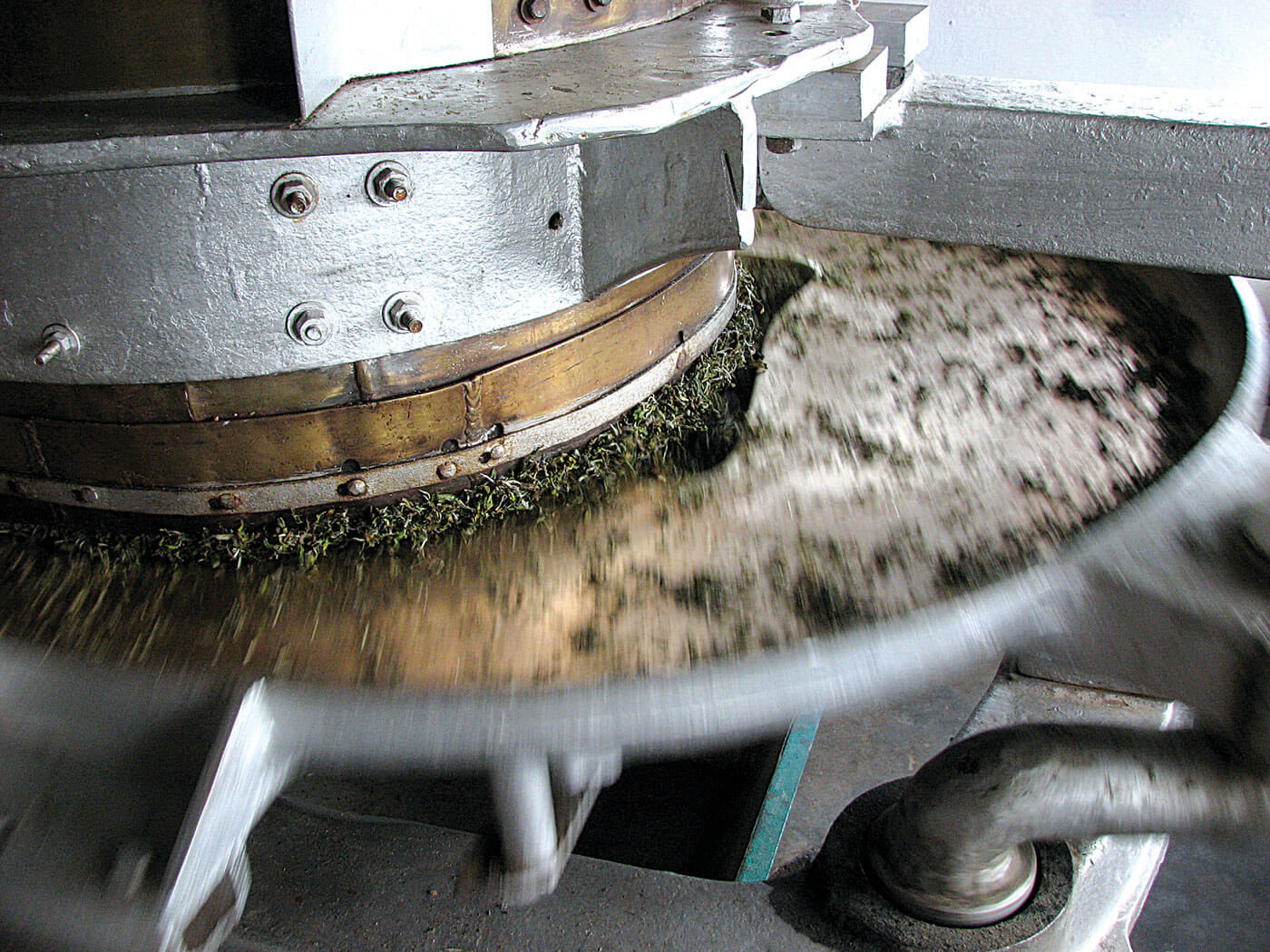
More than 80% of the tea Nepal exports is still the traditional CTC variety with brands like Tokla and Muna, or mediocre teas sold in India to be re-exported as Darjeeling. However, a growing segment of the market is now dominated by specialty or orthodox teas.
This coincides with the lenghty effort to brand Nepali tea, and put it on the map of the tea world like Sri Lanka did with Ceylon and India with Darjeeling. Nepal’s Rakura is trying to establish the Nepal brand with sustainability, longterm strategic planning and a mission to make tea from Nepal famous worldwide.
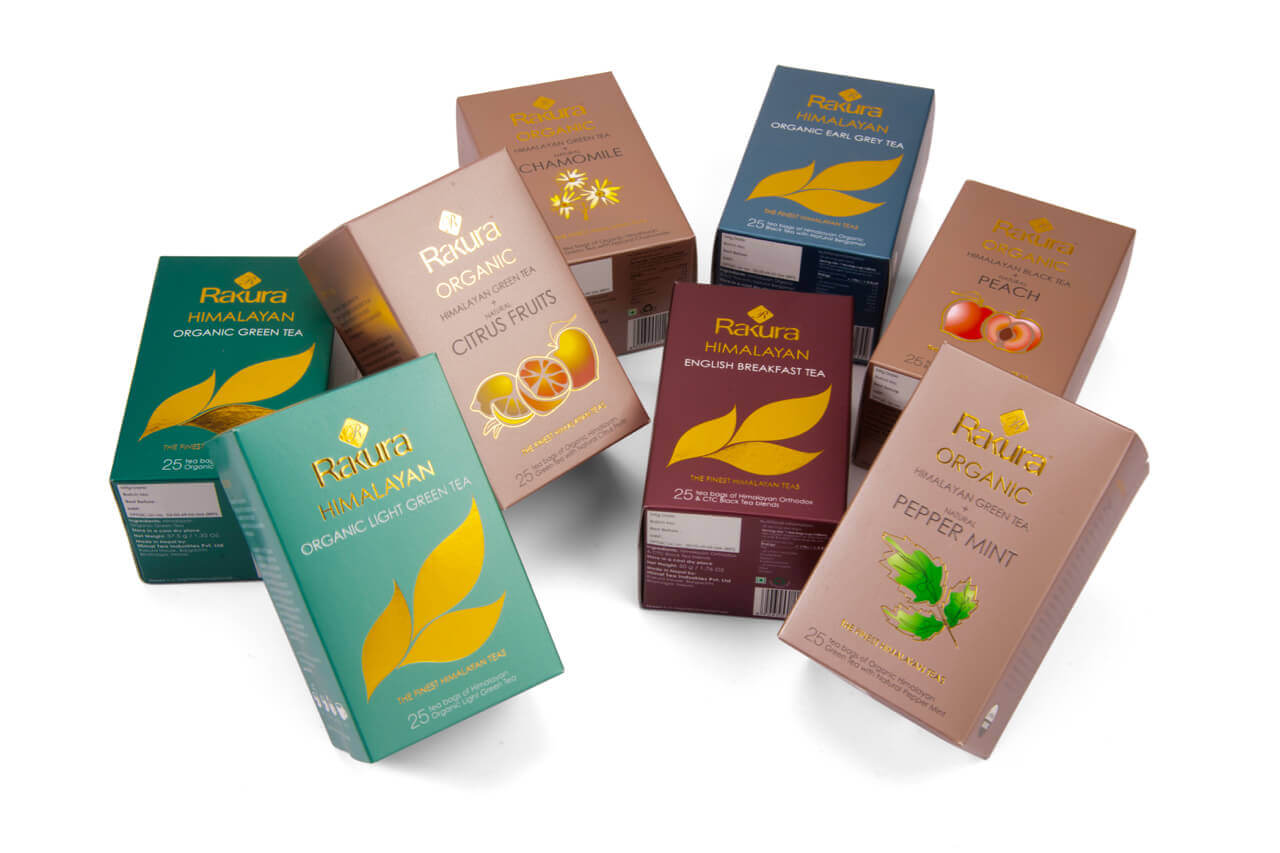
“Through Rakura, we are pushing the market with a similar approach to international tea brands,” says Neeraj Rathi, one of two brothers who own and run Rakura.
Nepal was not making use of its potential and capacity to produce a lot of high quality tea, and even within Nepal, very few consumers knew about the origin of the quality tea being produced.
Nepal Tea and Coffee Development Board (NTCDB) has finally put out a licensed logo (below) for Nepali tea with the tagline ‘Nepal Tea, Quality from the Himalayas’ which can be used by Nepali companies exporting quality tea to the international market.
“The logo marks a symbol of standard for our tea”, explains NTCDB Executive Director, Sheshkanta Gautam. “It means that the product with the logo on the pack has undergone thorough inspection, is certified organic and the quality is supreme.”

Internationally, however, customers are getting more familiar with High Mountain teas from Nepal with brands like Jun Chiyabari which produce up to 20 types of tea with unique flavours found nowhere else. Nepali tea is finally carving out its own identity and distinguishing itself in production methods and quality from British and Indian influences.