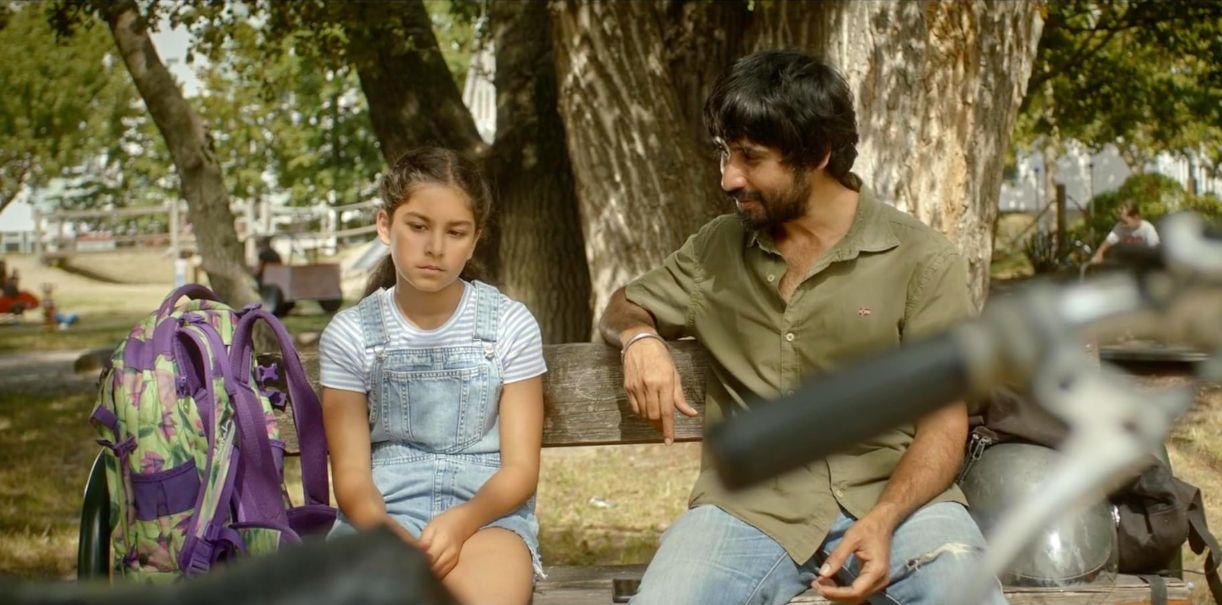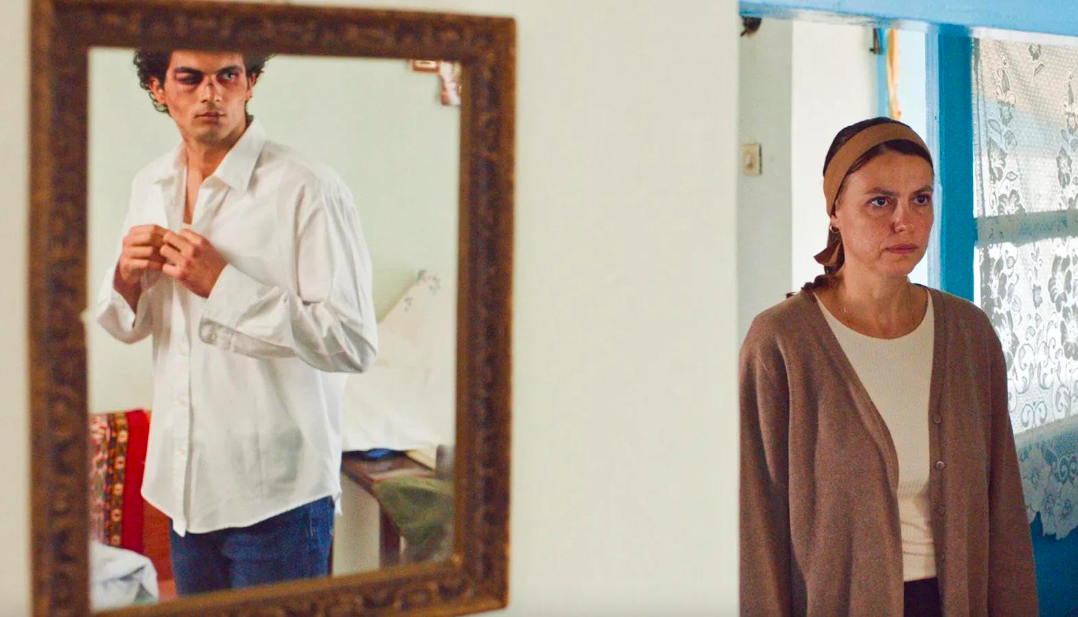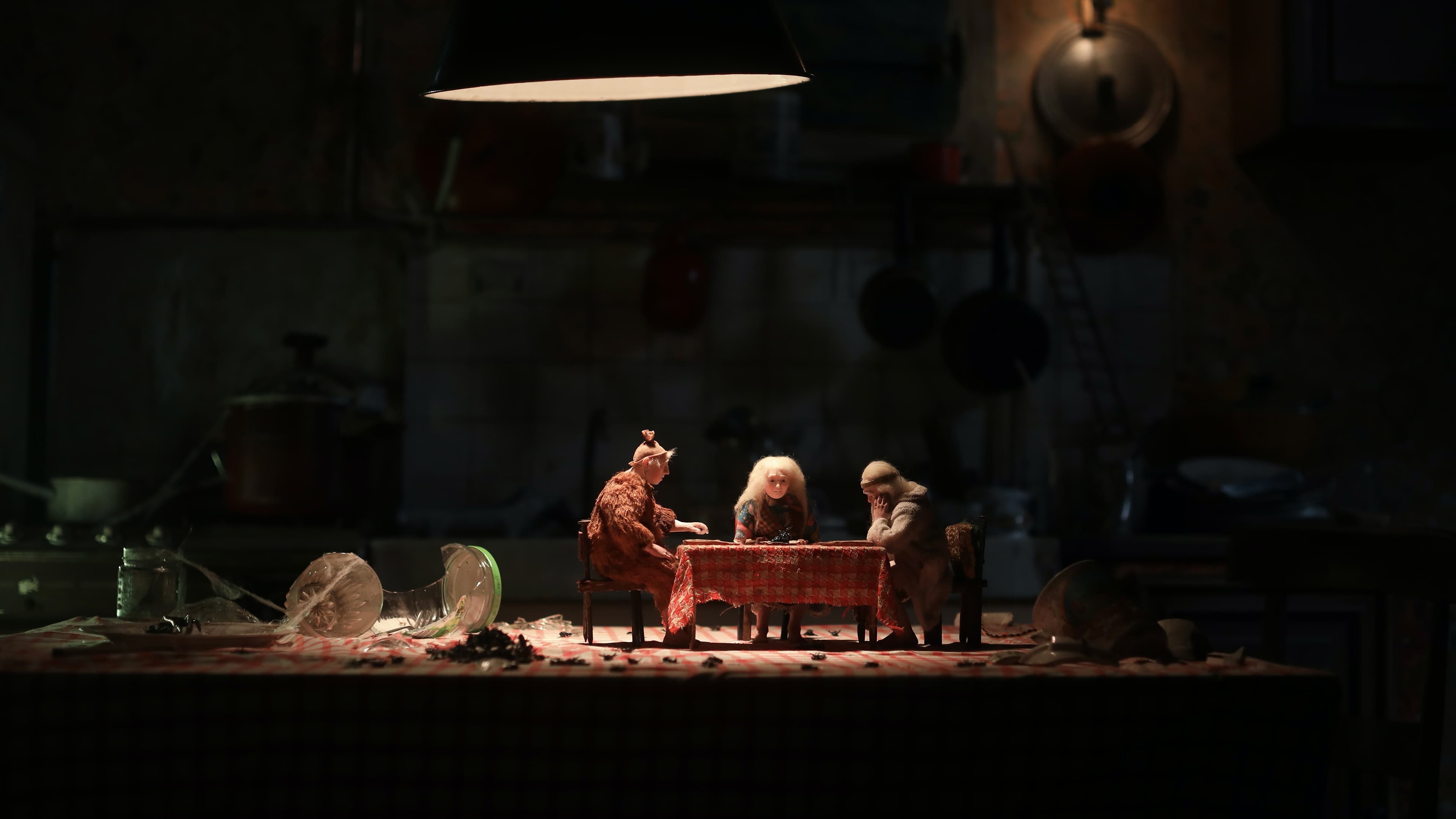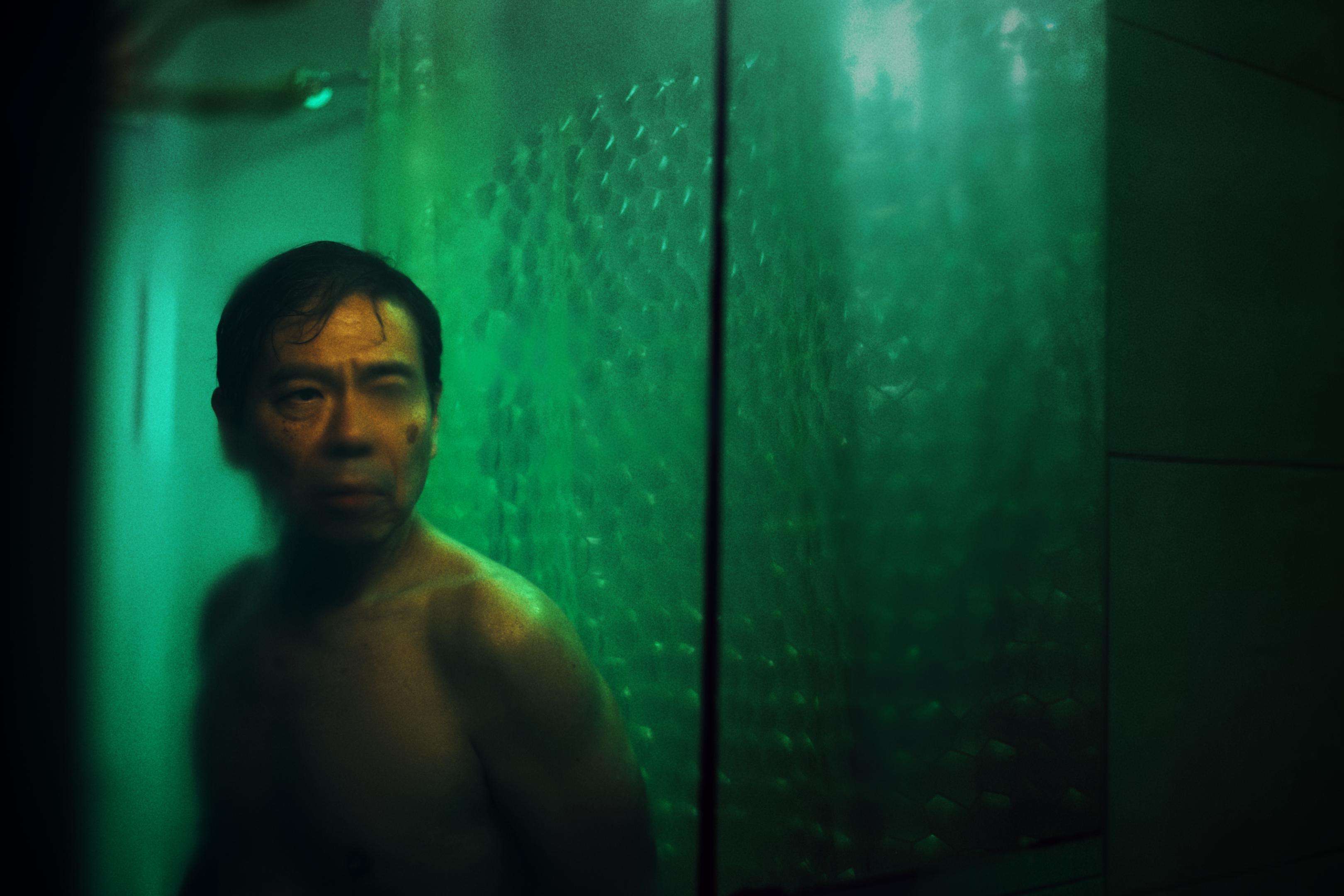
The 14th instalment of the European Union Film Festival brings to Nepali audiences European storytellers, emerging Nepali filmmakers and their work in celebration of the shared language of cinema.
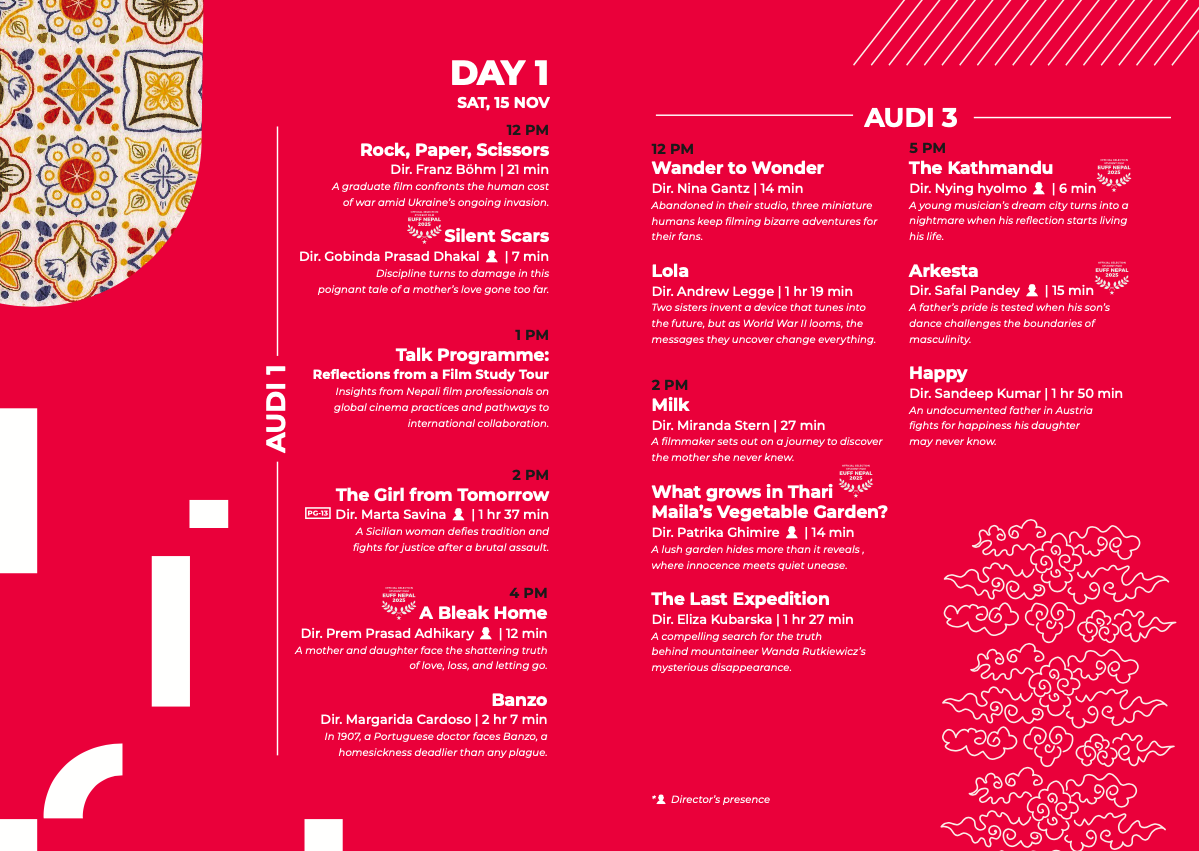
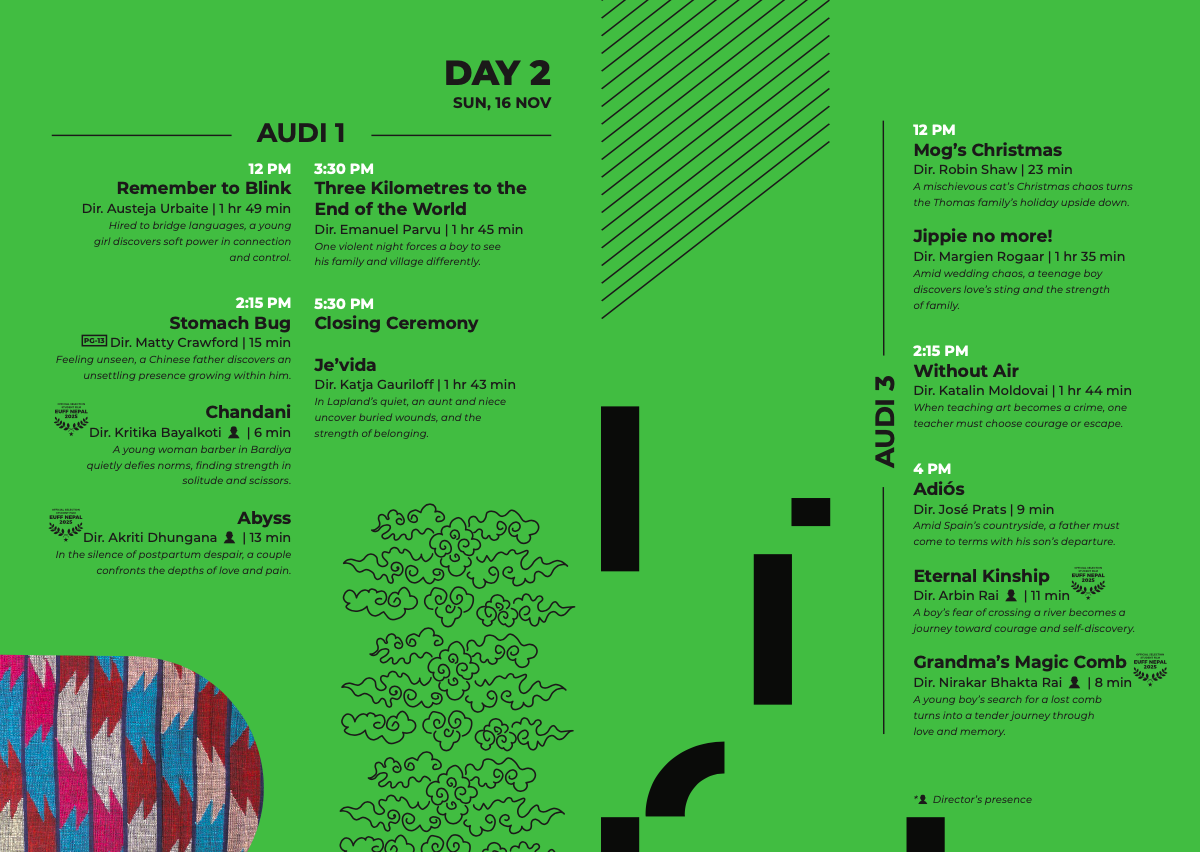
Films will be screened 14-16 November in Kathmandu, followed by Pokhara from 21-23 November.
This year’s EUFF features 25 films, including 10 European features, six BAFTA-nominated shorts, and nine Nepali short films that explore universal themes of identity and belonging.
“We didn’t set out with a defined ‘theme’, but as the films started coming together, a pattern emerged, stories of belonging, migration, resistance, and quiet transformations,” says Prasuna Dongol, program director and curator of the festival. “It’s interesting to see those reflections across continents, showing that even though we’re worlds apart, we’re asking the same questions,” Dongol adds.
The festival is organised by the EU Delegation to Nepal, in collaboration with embassies and cultural institutions representing EU members in Kathmandu and Delhi, as well as the British Council and UNESCO.
The EU selection will showcase films from Portugal, Austria, Finland, the Netherlands, Ireland, the UK, Lithuania, France, Italy, Romania, Hungary, Poland, and Switzerland.
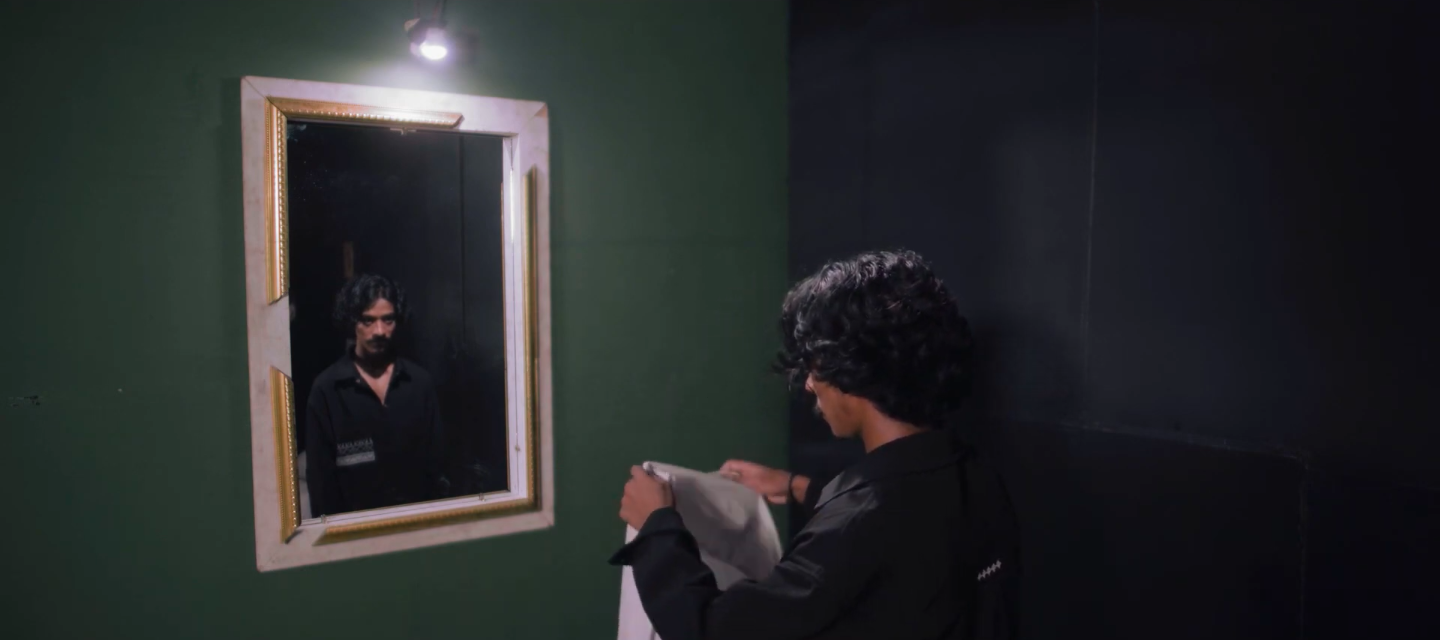
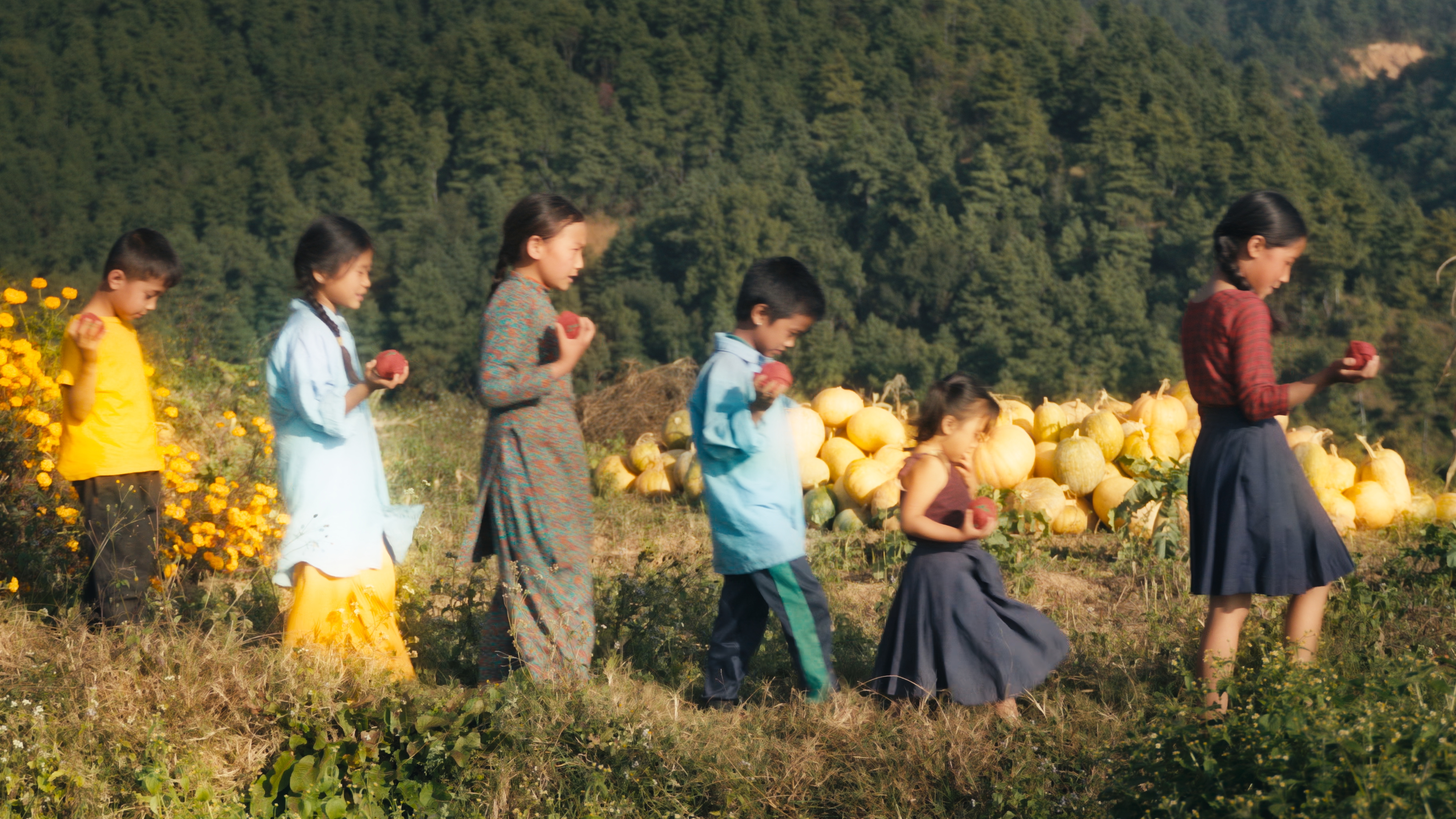
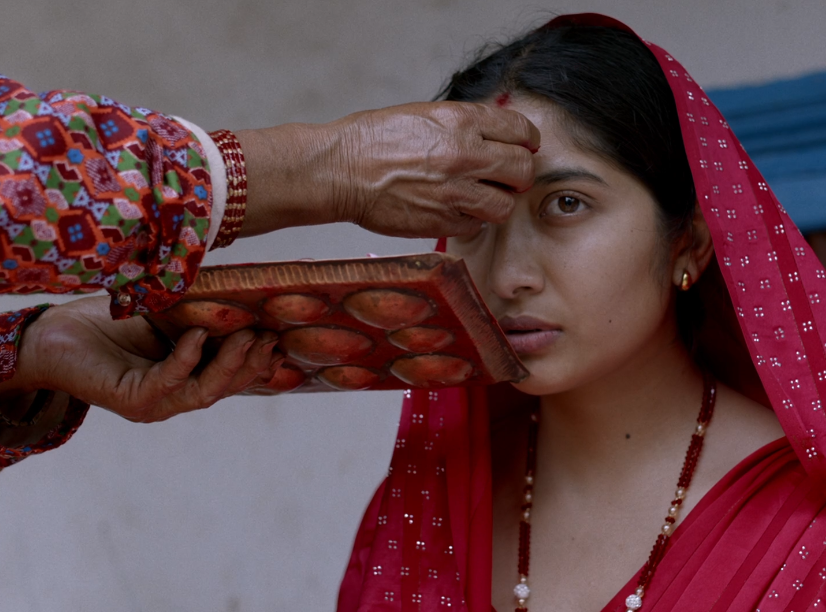
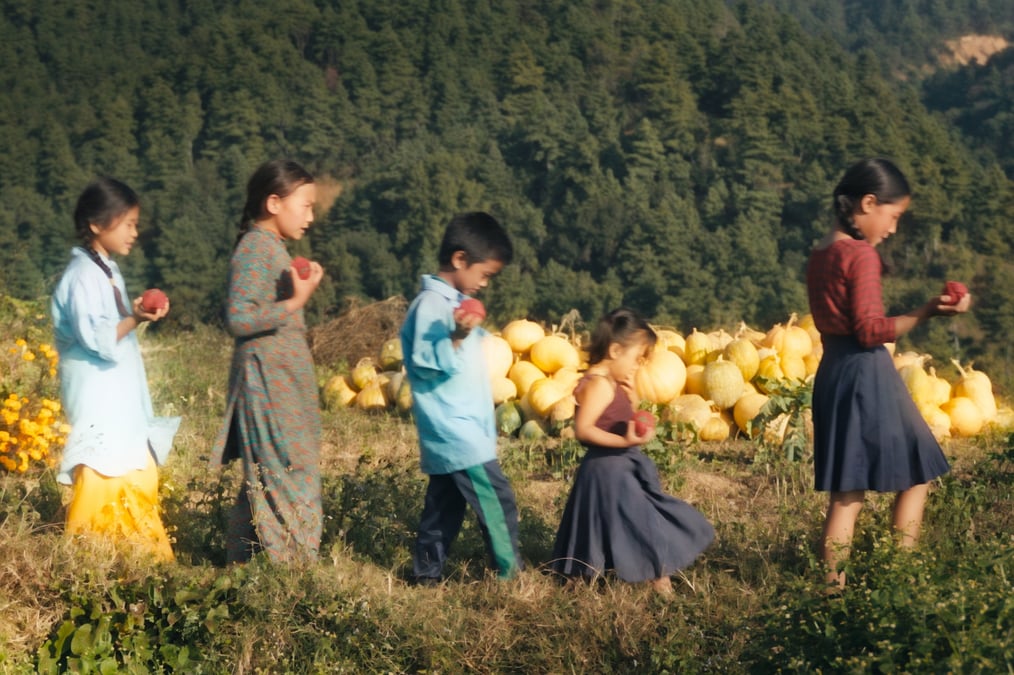
The films by young Nepalis, rooted in everyday small towns, friendship, or growing up in a country in transition, mirror the motifs of the selected films that tell stories of life across Europe.
Dongol adds: “Our goal was to showcase how young Nepali filmmakers are engaging with ideas of identity, place, and change in ways that feel both personal and globally resonant.”
In the lead-up to the festival, conversations were held about Nepal’s evolving film industry, and how storytellers navigate filmmaking as both art and business. Organisers plan to introduce interactive side events including networking spaces and informal markets.
A four day workshop brought together 10 emerging Nepali filmmakers to explore how to take their films from idea to market. Participants discussed why film festivals matter, how funding works, and how to build sustainable collaborations without compromising on creativity.
Meanwhile, at the British Council and UNESCO’s ‘What Next for the Film Industry?’ roundtable on 12 November, filmmakers, policymakers, and researchers discussed the findings of the recent UNESCO Baseline Assessment of the Cultural and Creative Industries (CCI) of the Valley.
“Film festivals like this are not just about watching films; they’re about expanding perspective and networking,” says Dongol. “If someone discovers a new filmmaker they love or feels inspired to tell their own story differently, that’s a success for us.”