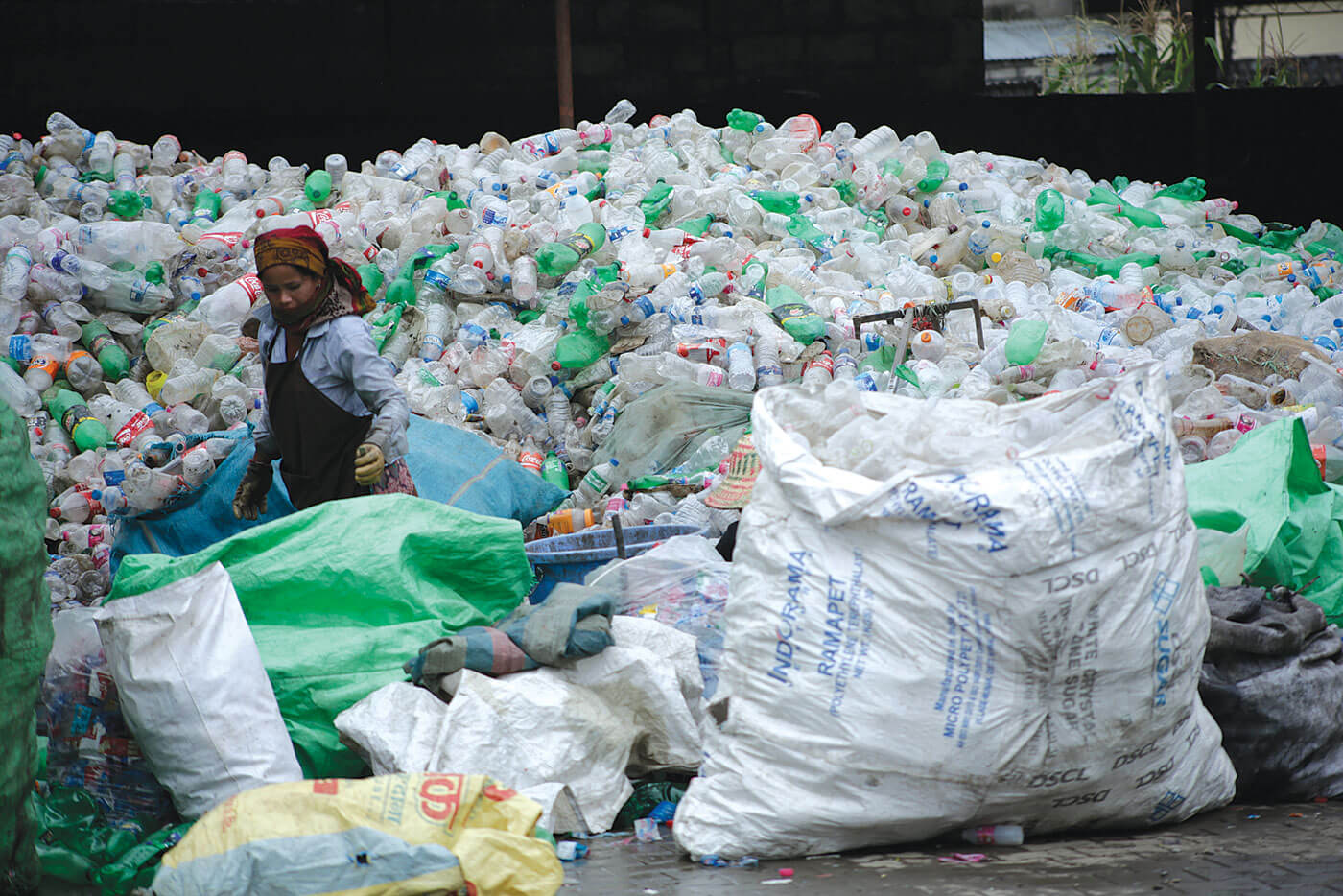
All the media attention these days is on Kathmandu Valley’s garbage crisis, and how the municipal authorities are trying to find a sustainable solution.
In Nepal, more than half a million metric tons of waste is produced every year in the municipalities alone, much of it dumped in landfill sites. But as the road network expands, and tourism picks up again after the pandemic, garbage is increasingly becoming a problem also in the mountains.
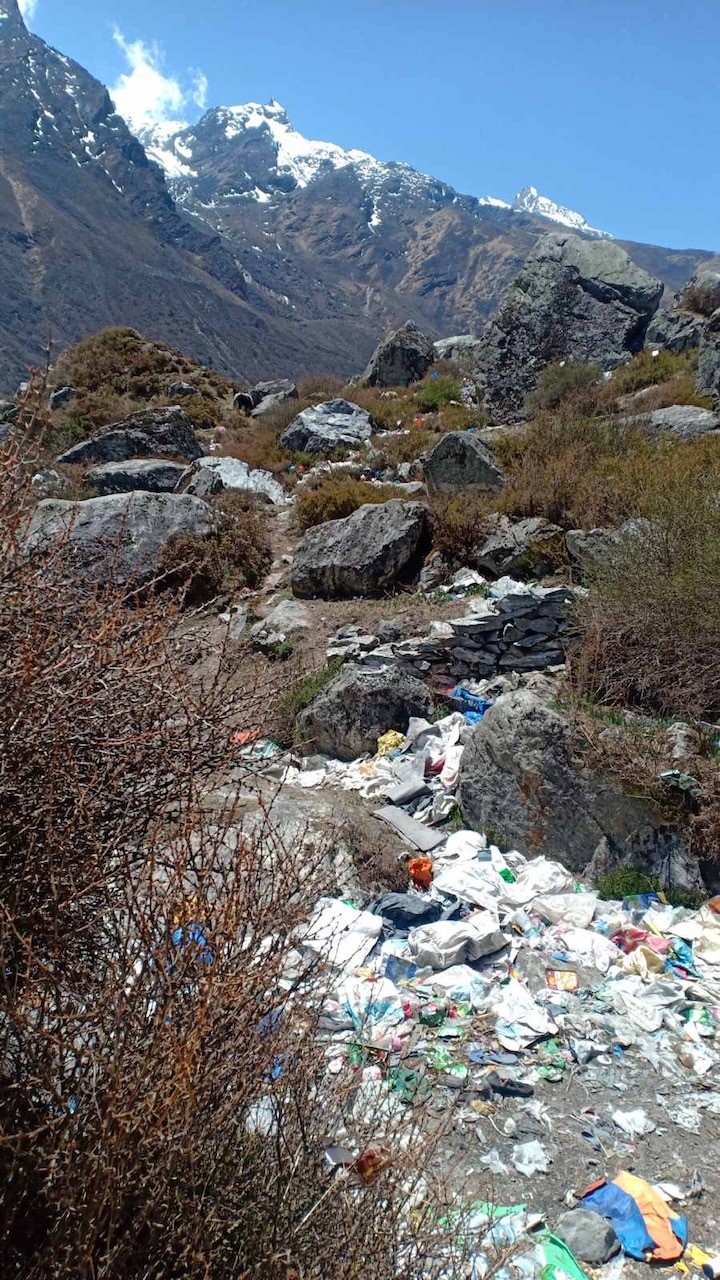
While the Everest Trail has been cleaned up with the initiative of local youth, other popular trekking trails are facing the problem of plastic and other non-biodegradable waste.
Langtang National Park is a popular trekking destination because of its proximity to Kathmandu and its rich natural and cultural heritage, including endangered species such as snow leopard, red panda and musk deer.
It is a valley dominated by Langtang Lirung (7,227m) and other spectacular mountains, rangelands, forests, and glacier-fed streams. In 1976, Langtang became the first national park to be designated in the mountains.
The earthquake-avalanche disaster of 2015 hit tourism hard, with the region getting almost 18,000 visitors in 2019. The pandemic reduced those numbers to near zero, but trekkers are starting to return.
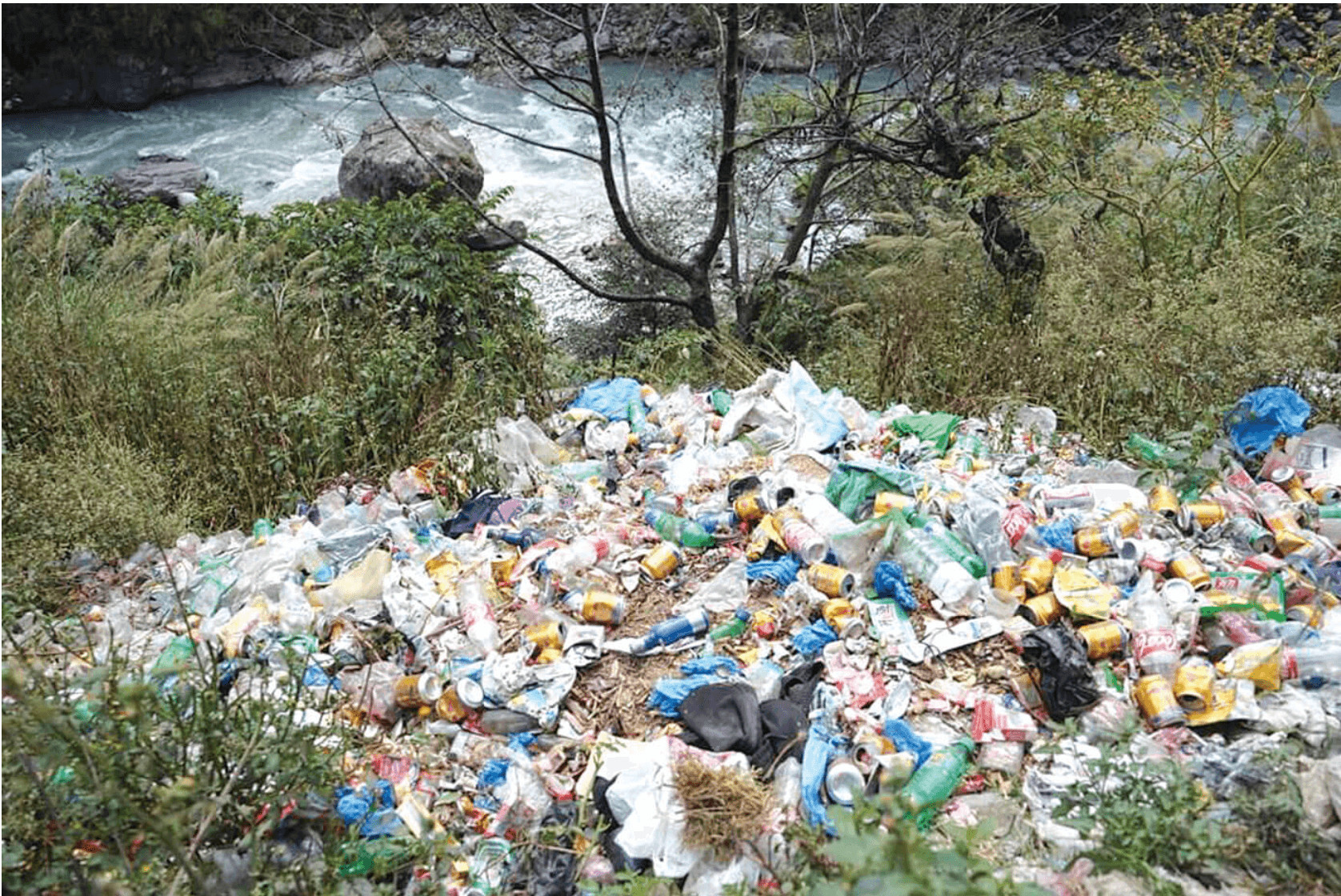
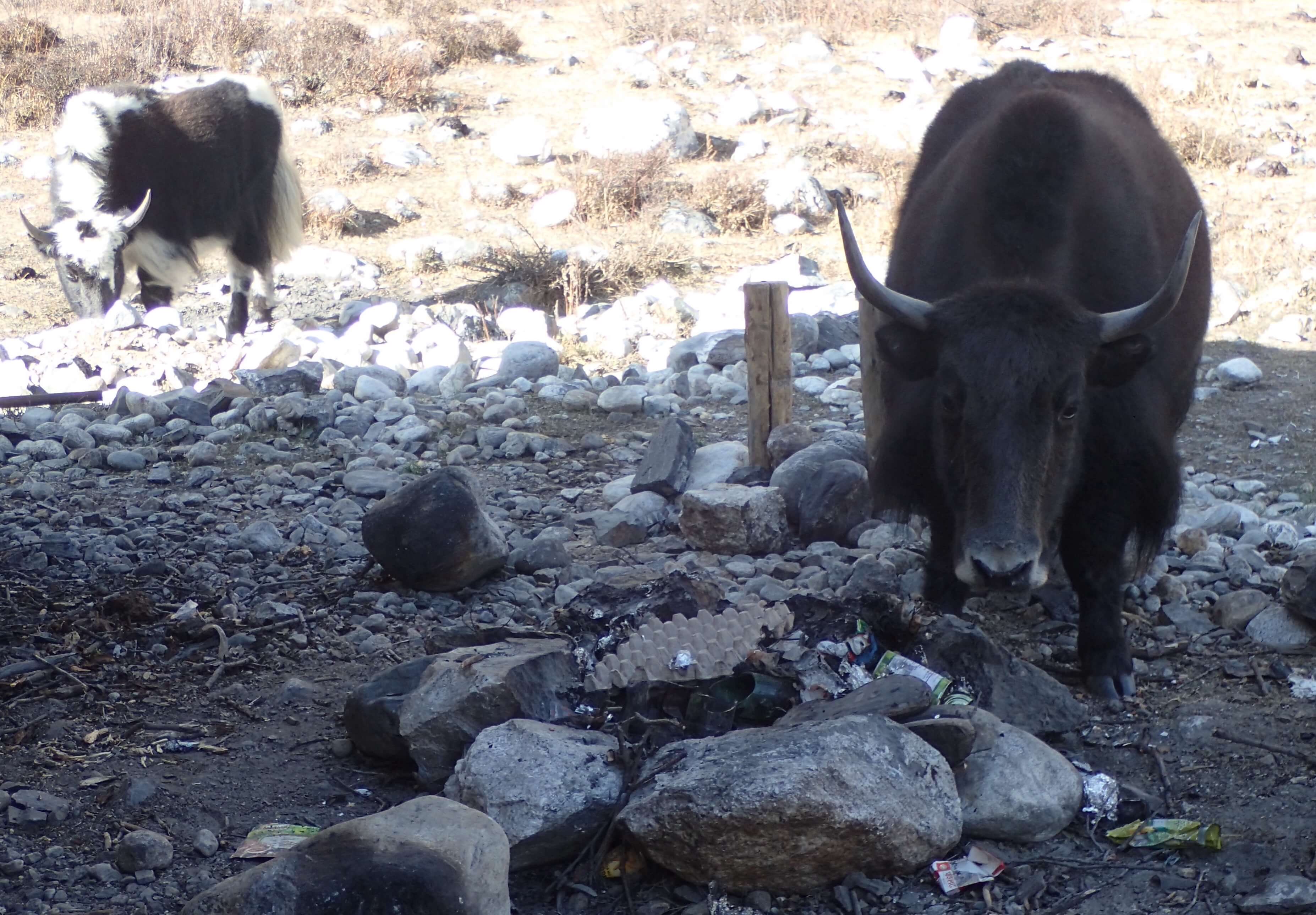
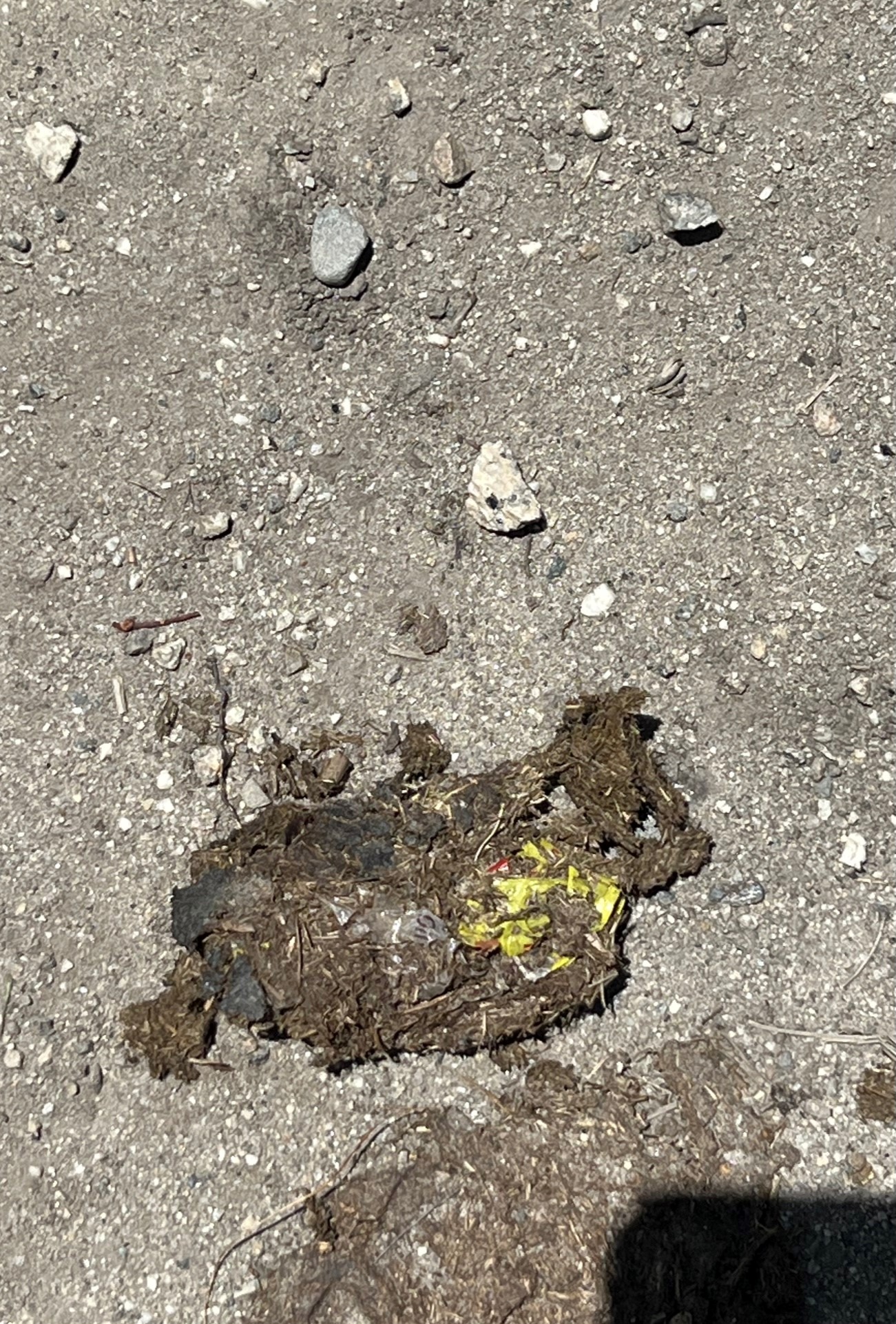
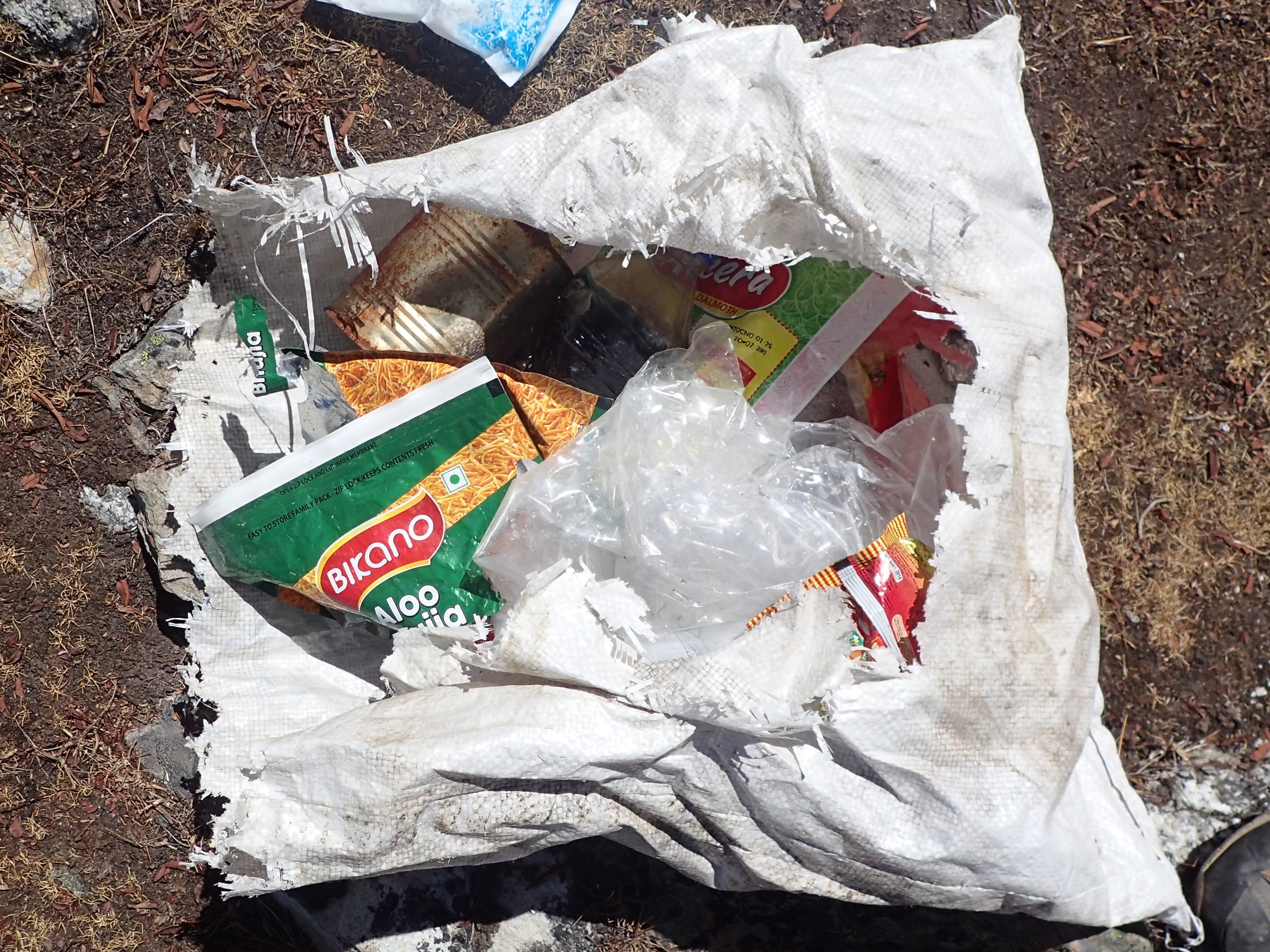
With this, there is the burden of waste, and this is a growing concern in this geographically fragile and ecologically sensitive area. Some around 200,000 plastic bottles are discarded in Langtang valley every year, and there may be around 5 million bottles remaining in the area from the past.
There have been initiatives to buy back plastic bottles, and transport them to Pokhara to be recycled into, among other things, an alternative to asphalt in paving roads. But a self-sustaining solution is needed.
Waste production is shaped by economic, geographic and social factors. In the case of Langtang National Park, the major contributors are tourists, international and domestic guides and porters, local communities, and seasonal internal migrants.
Post pandemic, Langtang National Park has been receiving a steady flow of tourists. From July 2021 to January 2022, about 10,400 tourists visited Langtang National Park, spending an average of 10 days in the park. There are 115 households in Langtang village and Kyangjin Gompa, and most depend on tourism-related activities such as running lodges, tea houses and portering.
Only about 5% of locals are involved in agriculture and yak farming, and much of construction and portering work is done by migrants from other parts of Nepal. Together, they contribute significantly to the production of plastic bottles, glass bottles, and wrappers.
Changing food practices are also changing the profile of waste in the area. Traditional dishes take longer to prepare and require more fuelwood and are being replaced with packaged foods like noodles, leading to high production of non-degradable waste.
Post-earthquake reconstruction has also led to traditional houses being replaced by concrete blocks. The construction materials including cement, plastic, and steel bars are transported up on mule trains or by helicopter. Left-over packaging and construction waste litter the settlements.