
School closures have led to an alarming loss of learning opportunities for children in South Asia despite efforts to promote remote education, new research by UNICEF in South Asia has revealed.
Some 434 million children in South Asia are facing interruption in schooling due to the Covid-19 pandemic. Girls, children from the most disadvantaged households and children with disabilities faced the biggest challenges while learning remotely.
In India, 80% of children aged 14-18 years reported lower levels of learning than when physically at school. In Sri Lanka, 69% of parents of primary school children complained that their children were learning less.
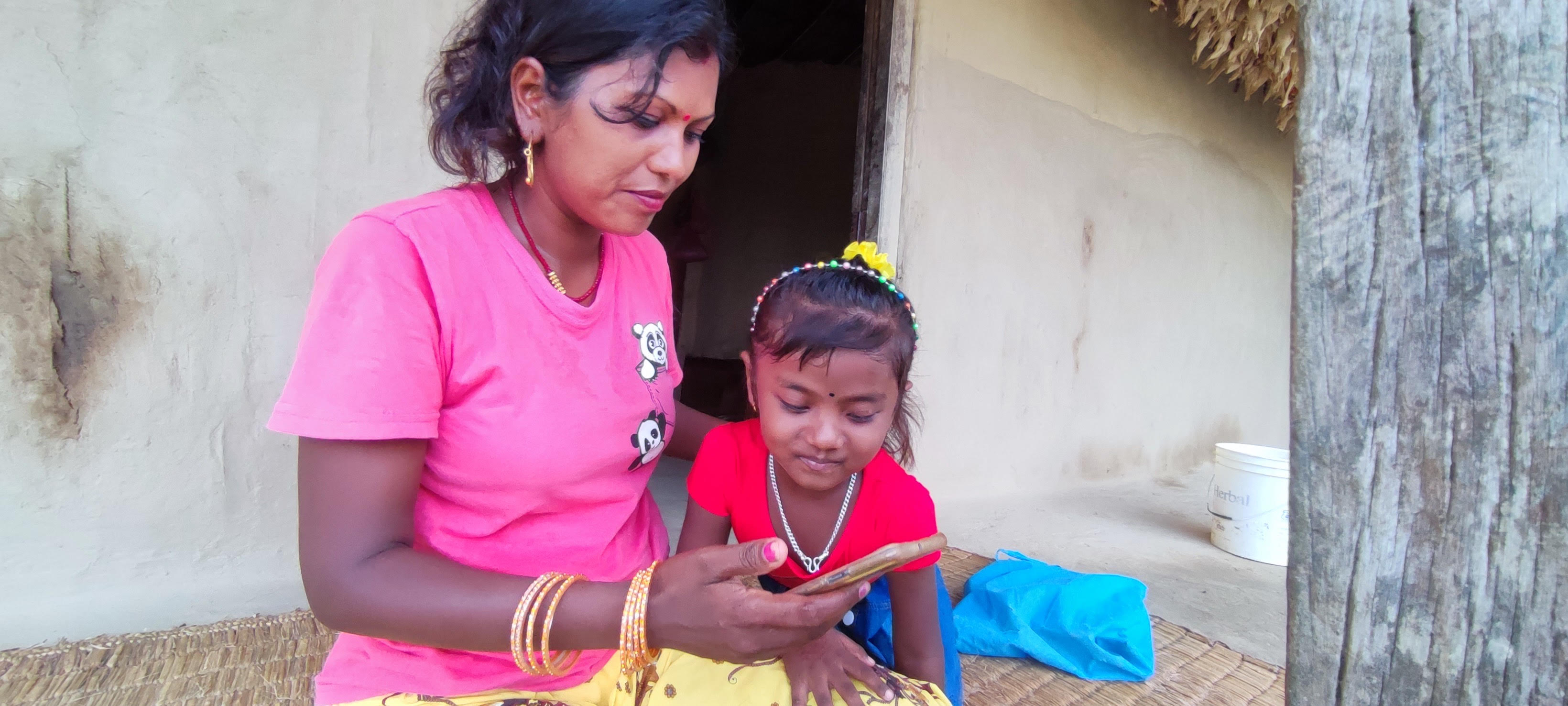
In Nepal, the pandemic and the subsequent lockdowns have widened existing inequities in the education system. A digital divide has created an education divide. A UNICEF survey showed that most of the 80% of government school children have not attended classes – online or otherwise in the past two years. Even if they have mobile phones there is not enough bandwidth for digital classes.
Nepali children have missed at least 70 weeks of school since the coronavirus crisis, one of the highest rates in the world. There is now a risk of higher dropouts of students once things normalise, particularly among girl children, undermining Nepal’s decades-long effort to increase school enrolment in rural areas.
“School closures in South Asia have forced hundreds of millions of children and their teachers to transition to remote learning in a region with low connectivity and device affordability,” says George Laryea-Adjei, UNICEF Regional Director for South Asia. “Even when a family has access to technology, children are not always able to access it. As a result, children have suffered enormous setbacks in their learning journey.”
Despite significant efforts from governments, low connectivity and access to digital devices have severely hampered efforts to roll out remote learning. In India, 42% of children between 6-13 years reported not using any type of remote learning during school closures.
In Pakistan, 23% of younger children did not have access to any device that could support remote learning. Poor and disadvantaged households have been the worst hit, with many families struggling to afford even a single device.