The ancient town of Panauti is preparing for its once-in-12-years Makar Mela this month, a festival that dates back 1,000 years. Despite the Omicron scare, the town 40km east of Kathmandu expects 6 million pilgrims from Nepal and India during the month of Magh.
Although it is among the better preserved historic Newa towns, even here the sloping tile roofline is being replaced by flat-top concrete blocks that dwarf the temples and shrines. But the town is preserving its past, not just by restoring its monuments but also reviving its many festivals like the Makar Mela.
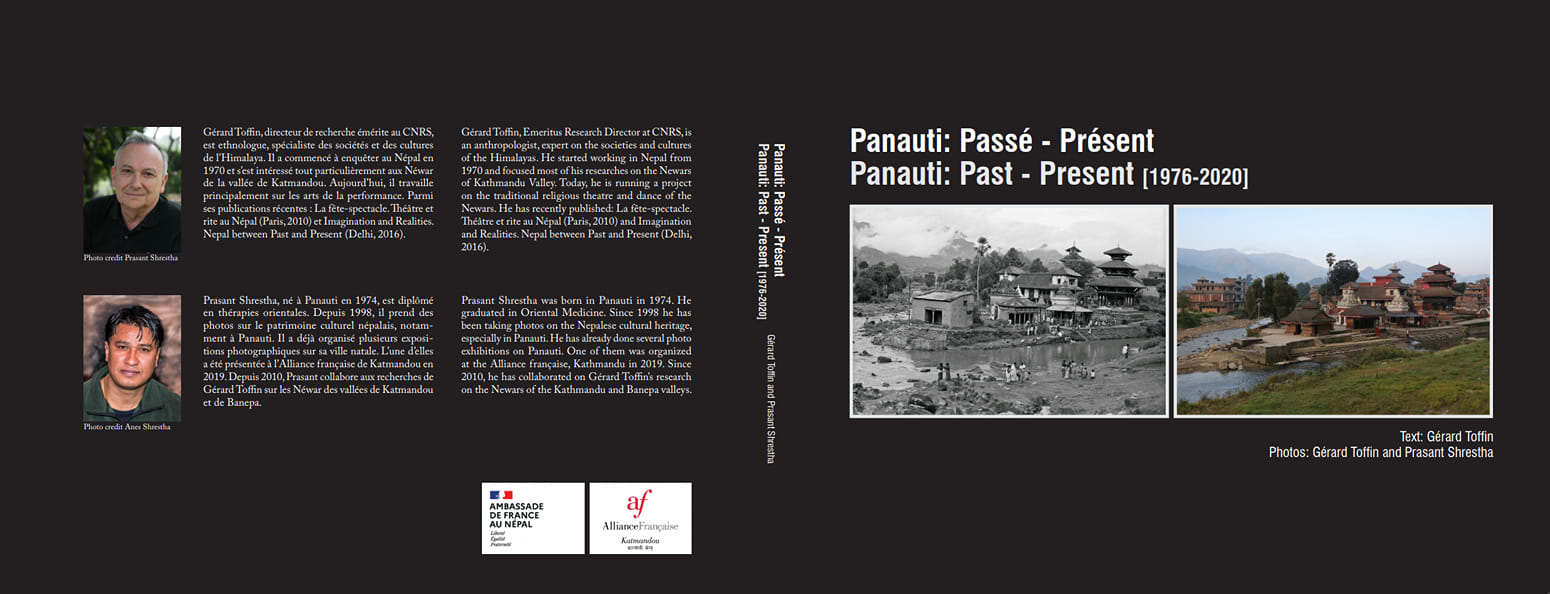
The recent release of the bilingual book Panauti: Passé– Présent Panauti Past- Present (1976-2020) is perfectly timed not just for the 12-year festival which starts on 15 January, but also to draw attention to the town’s many other festivals.
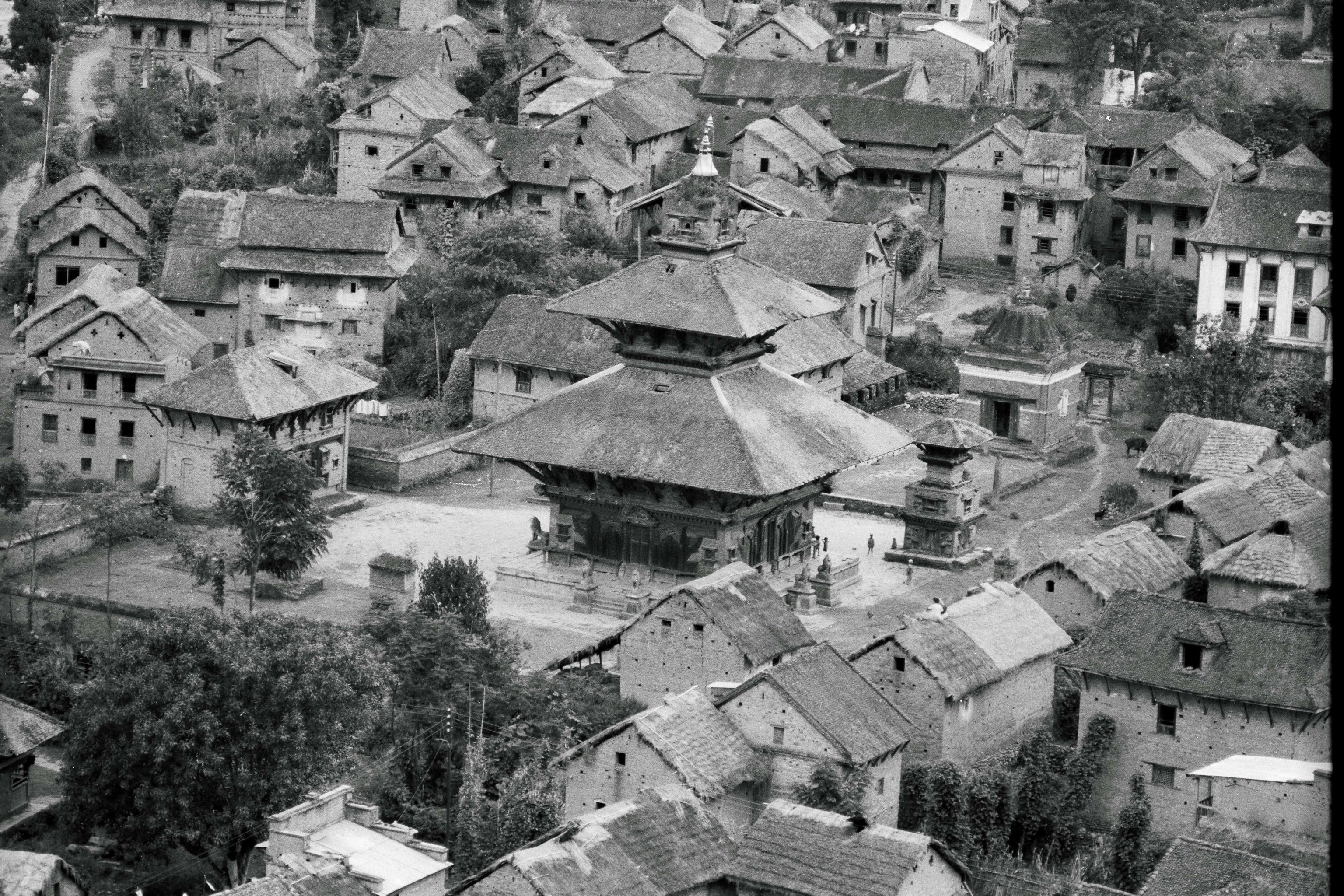
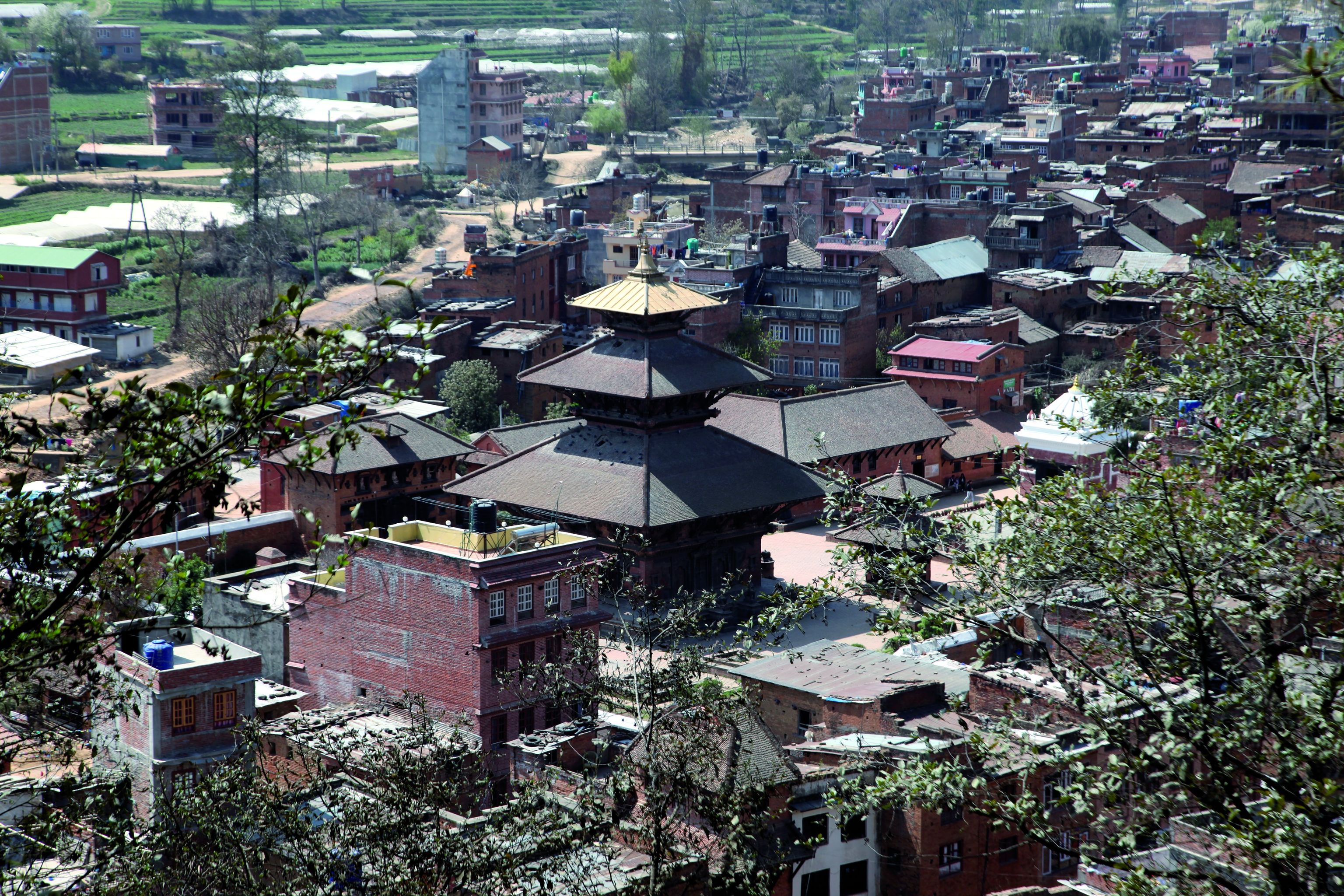
Indreswor Mahadev Temple. Photos: Gerard Toffin, 1976 (left) and Prasant Shrestha, 2020 (right)
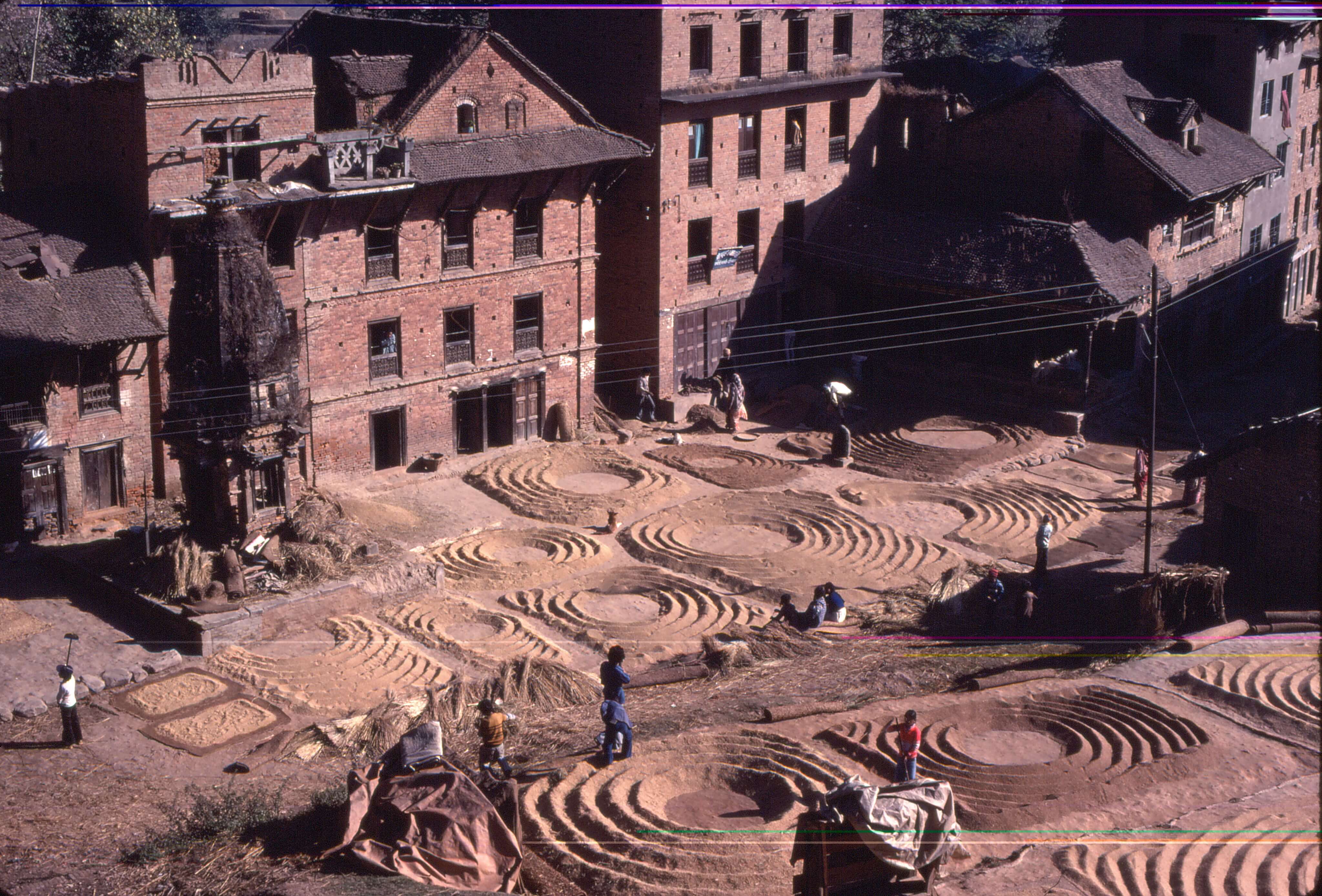
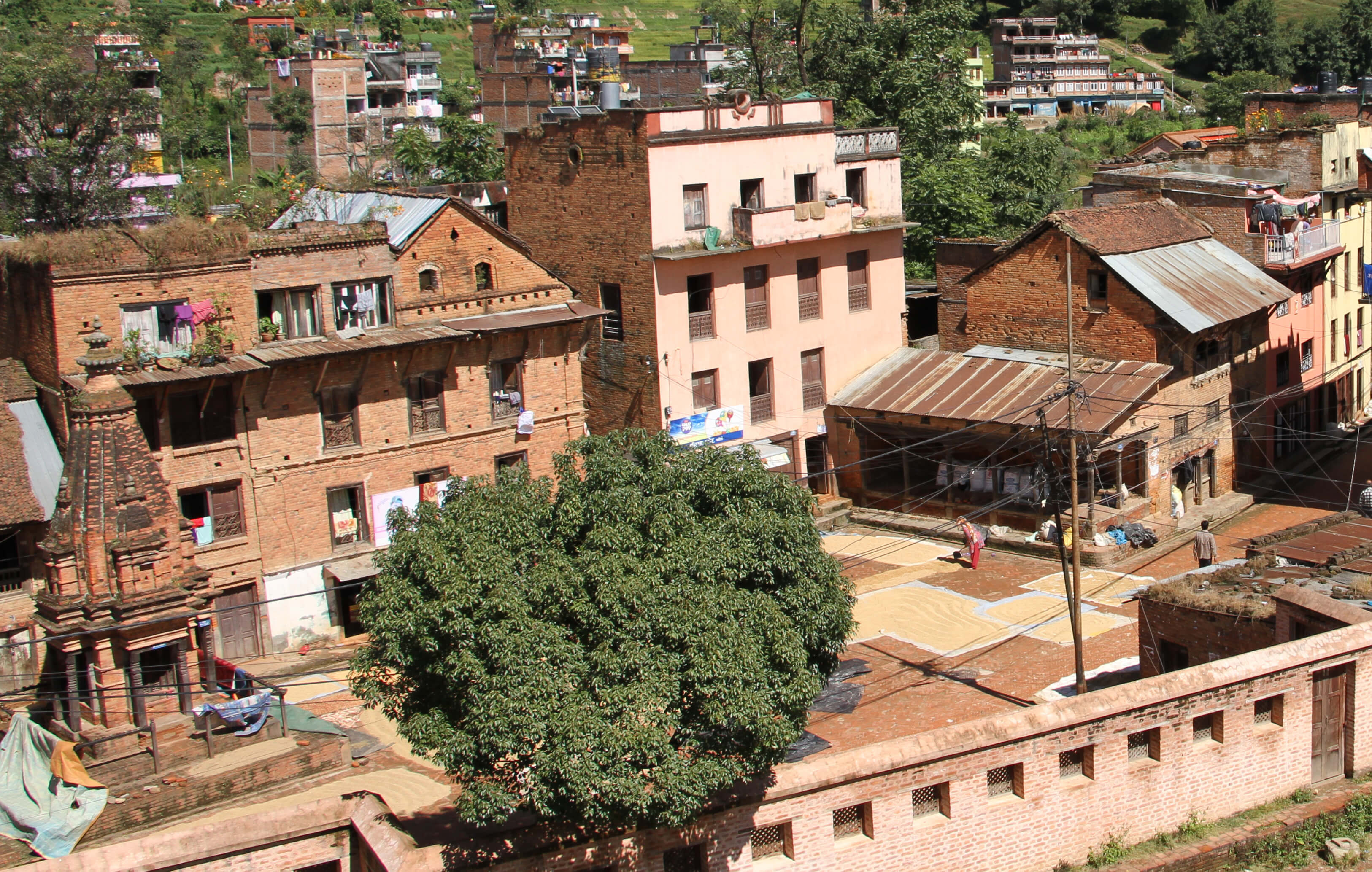
With French and English text by Gérard Toffin of the French National Center for Scientific Research (CNRS), and illustrated with before and after photographs by Toffin, the ethnologist Corneille Jest and Panauti-based photographer Prasant Shrestha, the book is a must-have guide to anyone interested in exploring the history of this unique town.
Toffin and Shrestha met in 2010 during the last Makar Mela and were both struck by the changes that Panauti was undergoing, mostly for the worse, and decided to make a photographic documentation before it was too late.
‘This book is a testimony to the mutations in Panauti,’ writes Toffin in the Introduction. ‘It gives a real importance to photography, aims at highlighting the local cultural heritage and how the current uncontrolled urbanisation threatens it.’
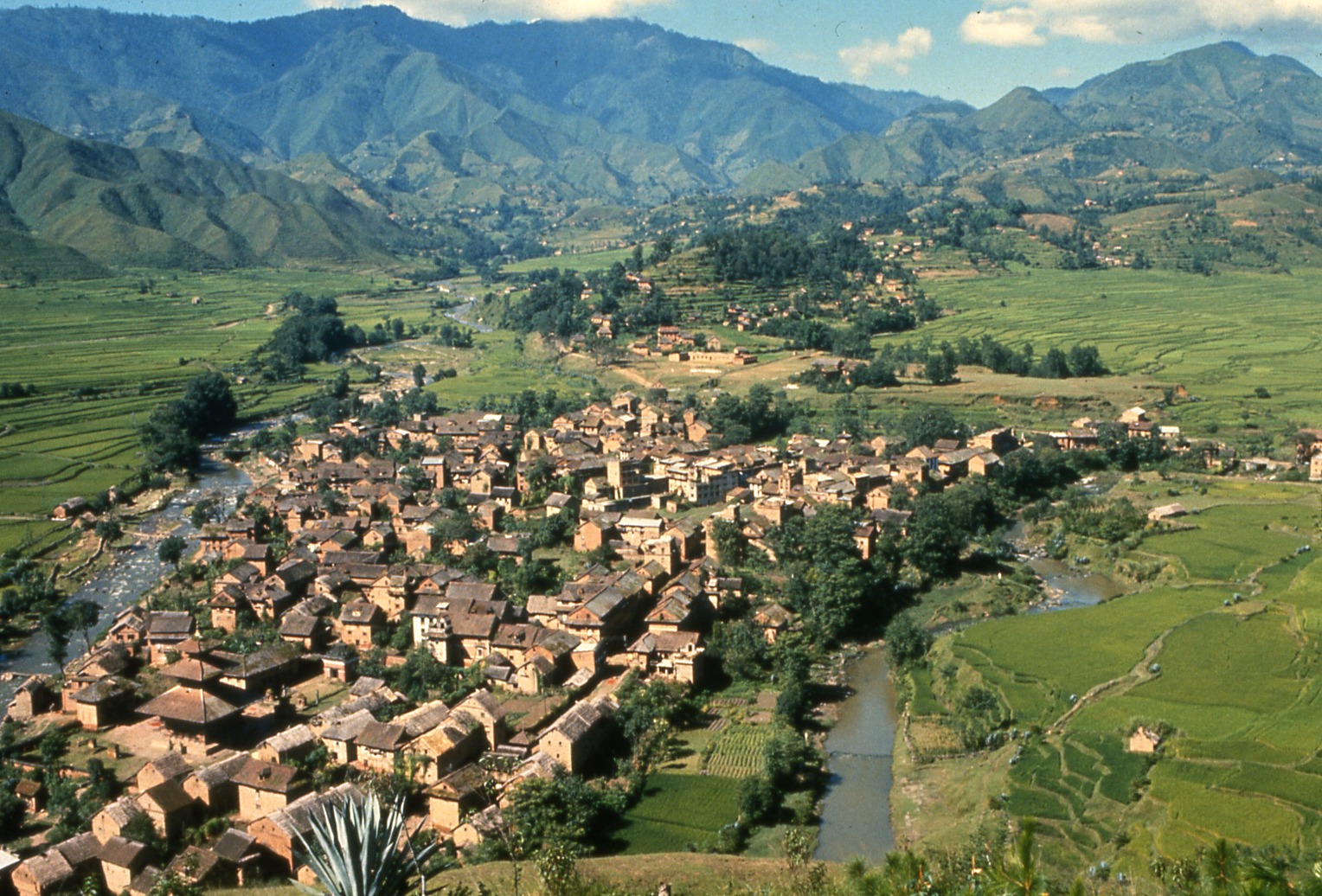
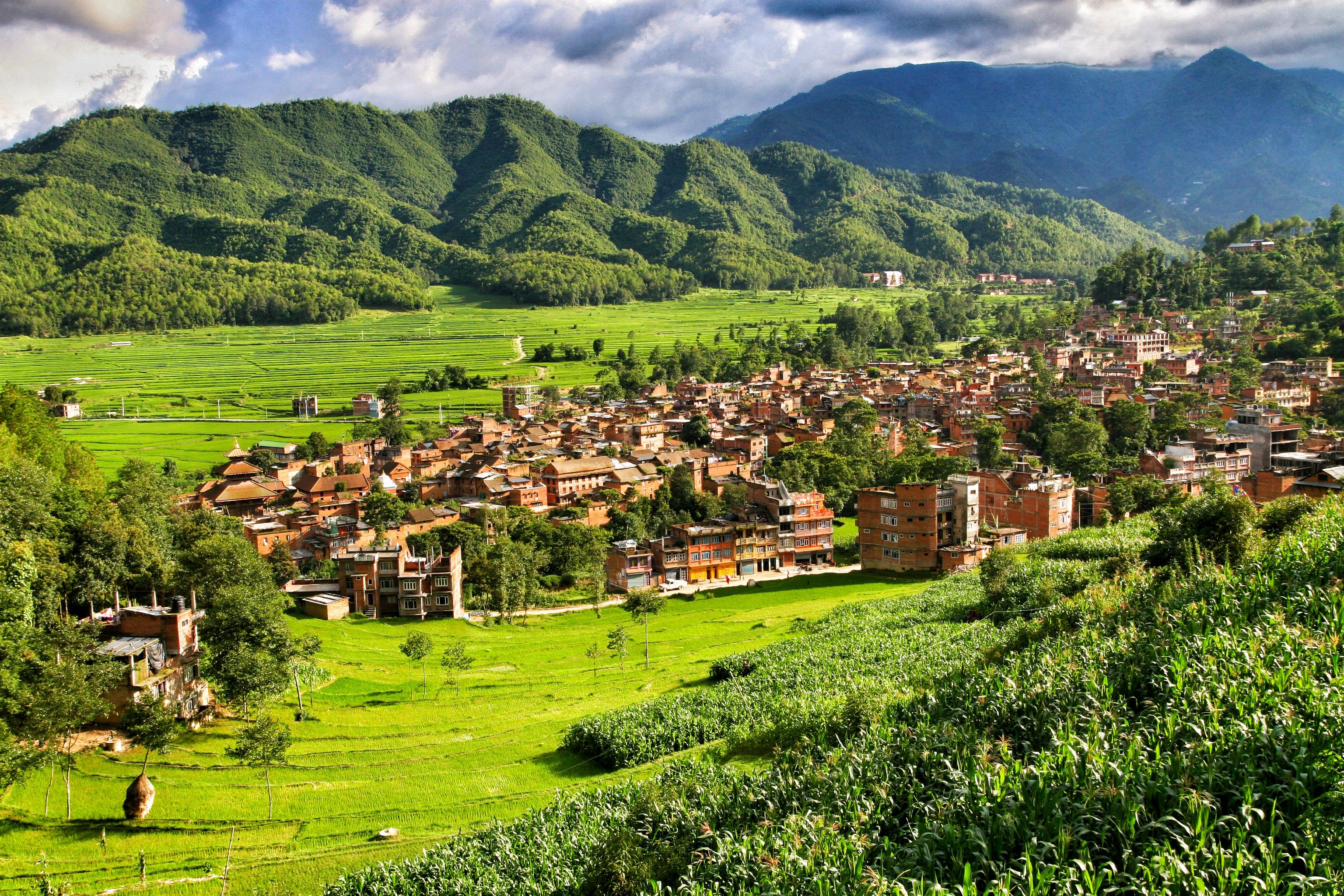
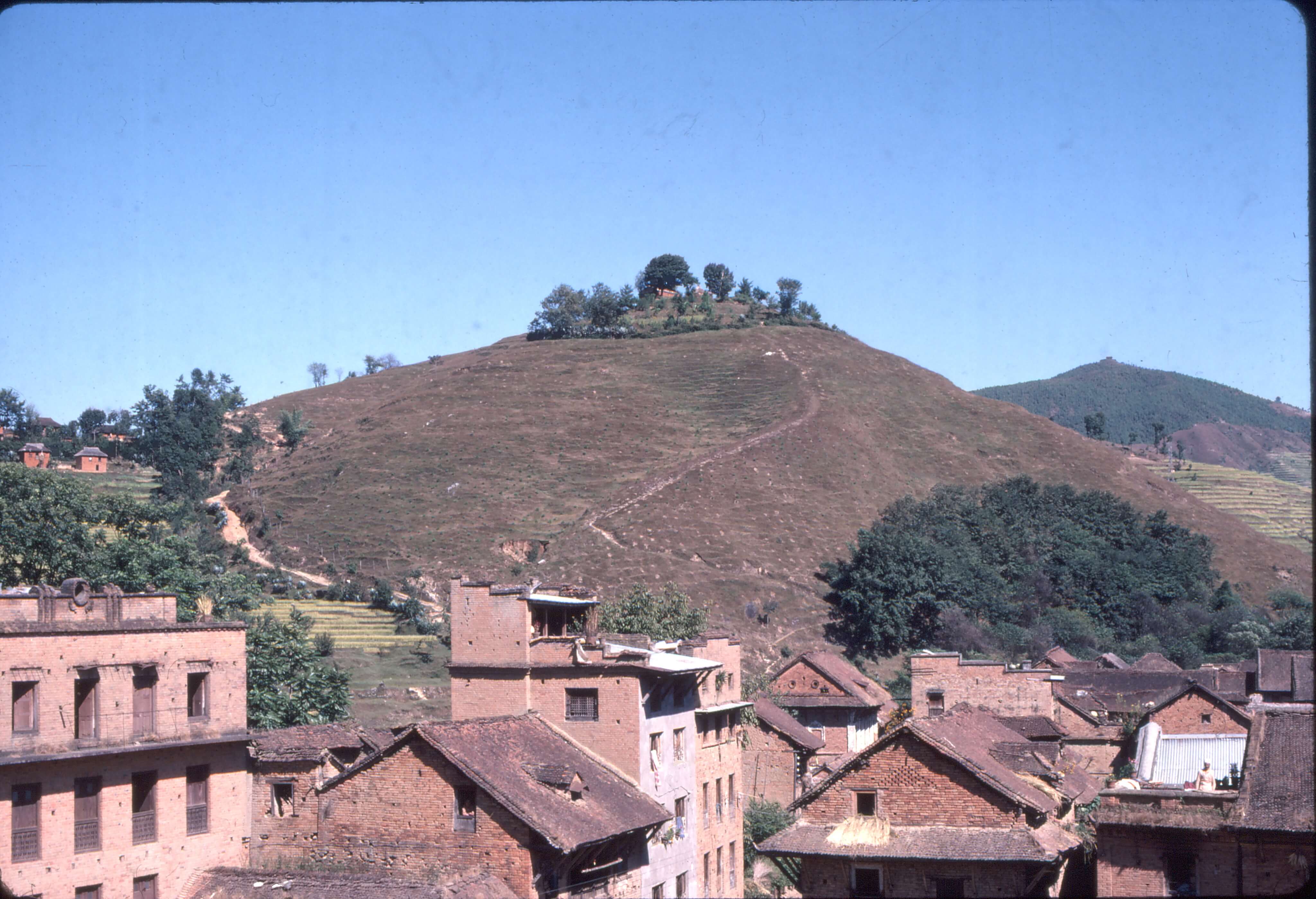
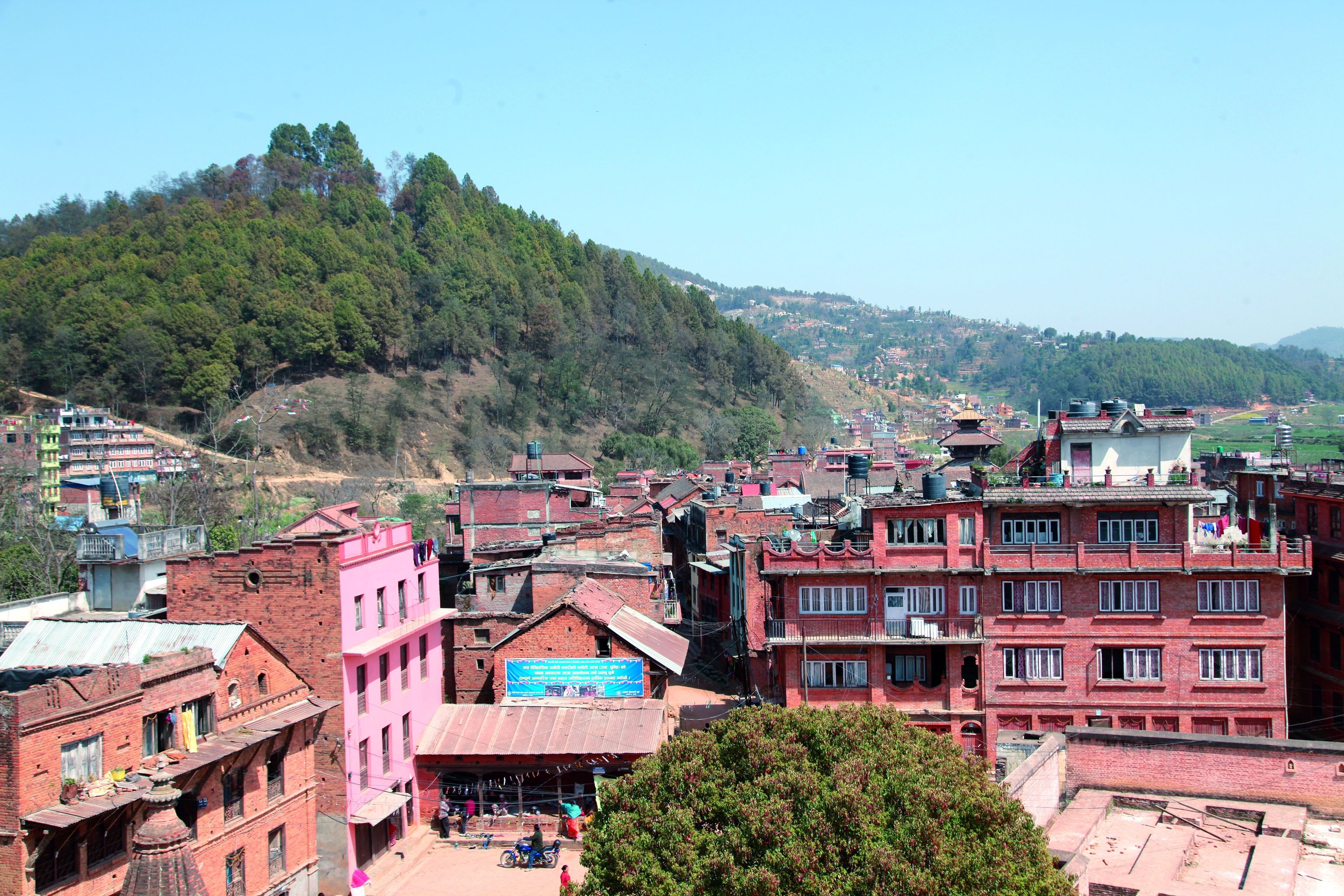
Panauti. While the town's roofline has changed, the surrounding hills have more forest. Photos by Gerard Toffin, 1976 (left) and Prasant Shrestha, 2011 (right).
For Shrestha, it was a matter of using his profession to further the cause of the preservation of the heritage of his beloved hometown, and this passion shows in the meticulous care he has taken in repeat photography of shrines and landscapes.
Just as the German government undertook to restore Bhaktapur as a coronation gift to King Birendra, the French chose the out-of-the-way town of Panauti. Legend has it, Panauti was given by the king of Bhaktapur as dowry to his newly-married sister.
Panauti is located in the sacred tri-junction of the Punyamati, Lilawati (Rosi Khola) and the mythical underground river, Rudrawati – a miniature replica of the holy confluence of the Ganga, Jamuna and Saraswati at Prayag in India. Which is why the Makar Mela is also called Nepal's own Kumbha Mela.
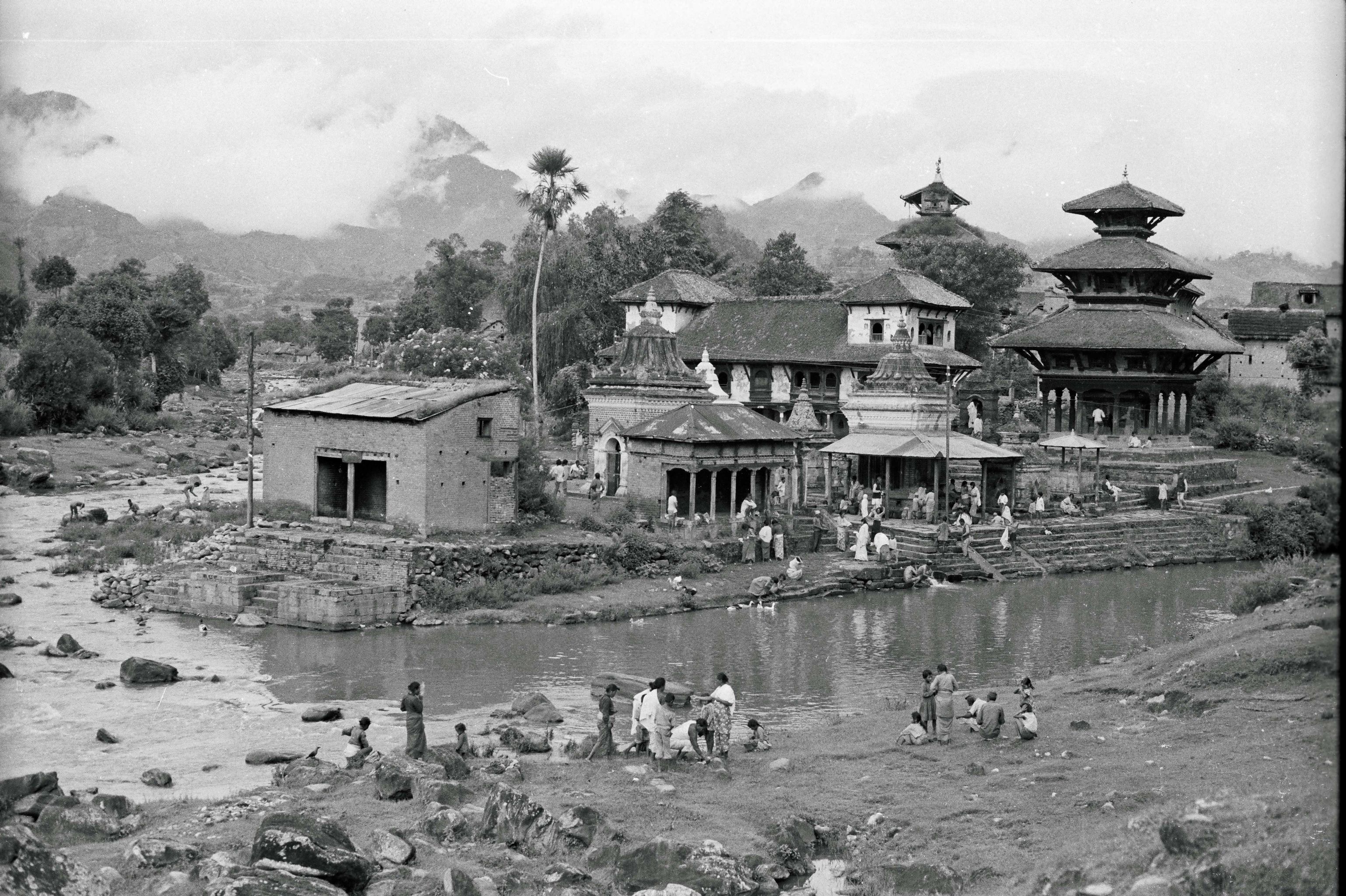
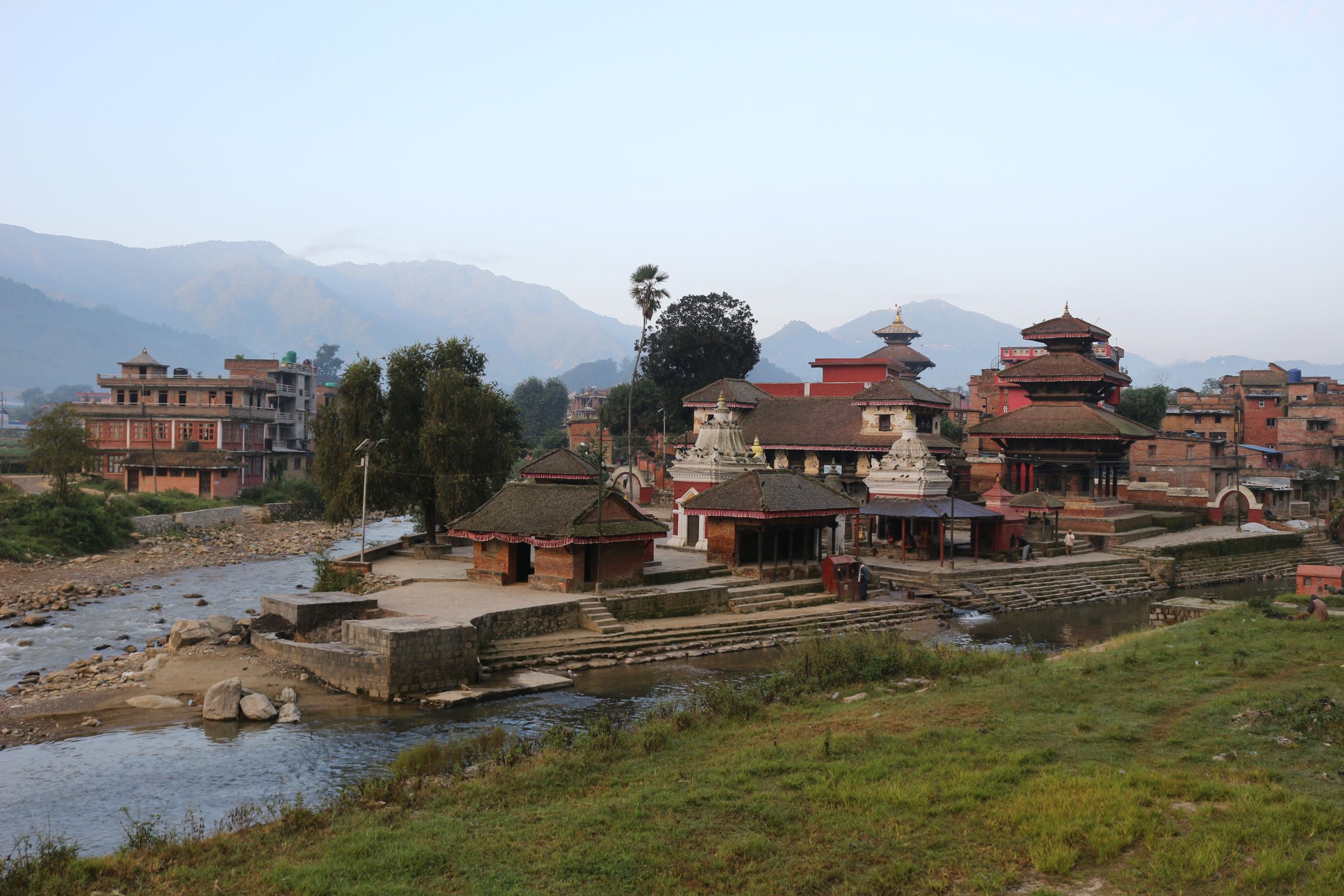
Tribeni Ghat as photographed by Gerard Toffin, 1976 (left) and Prasant Shrestha, 2020 (right)
Panauti’s Tribeni was so revered that it was among the sources from which holy water was poured into the Rani Pokhari by Pratap Malla when he consecrated the royal pond in Kathmandu in 1669.