I grew up in Ramechhap. I had to walk 12 hours to get to Manthali from my village for my SLC exam. This was during the Maoist era, and that made it quite dangerous to stay on in my village.
Risking our lives was only one of the obstacles we faced to complete our studies. Of the 106 students in my batch, only 10 of us passed the exam.
Read also: Proud to give back to Nepal
I went to Kathmandu for higher studies, and remember travelling on top of a public bus to get there. I did not have the support of my family in the city, and had to work hard. I got a job in a clothing store that earned me Rs1,200 a month, and the longer I worked there, the more I wanted to set up my own clothing business.
But I did not have the start-up capital, and no one from my family or circle of friends was willing to lend me money. I was just 18, and they thought that was a risky proposition.

So, I did what every Nepali my age did then and still does: In 2008, I packed my bags and migrated overseas for work. I got a job at a factory in Malaysia, loading boxes full of surgical gloves onto shipping containers. It used to be so hot and humid inside the metal containers that I would be drenched in sweat. I had to stop to squeeze the sweat out of my wet t-shirt every half an hour or so. After that I got a job in a remittance company which was physically less taxing.
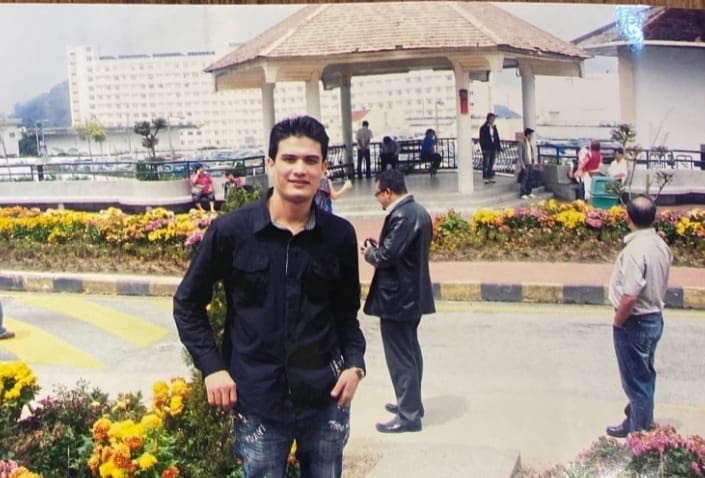
Working overseas was challenging, but at least I made some money. In 2010, I returned to Nepal with about Rs700,000 saved up to start my own clothing store. My unfulfilled dream was finally coming true. People also trusted me more to lend me money, I was older, more mature and had exposure overseas.
My clothing store did well, and as the business expanded I opened six more outlets across the capital. But I used to always be curious where the clothes I sold came from, how they were made. When I travelled to India, Bangladesh and China to source the garments for my store, and I used to visit the factories of my suppliers. I often wondered why we couldn’t manufacture the clothes in Nepal itself.
Read also: Speaking the language of overseas work
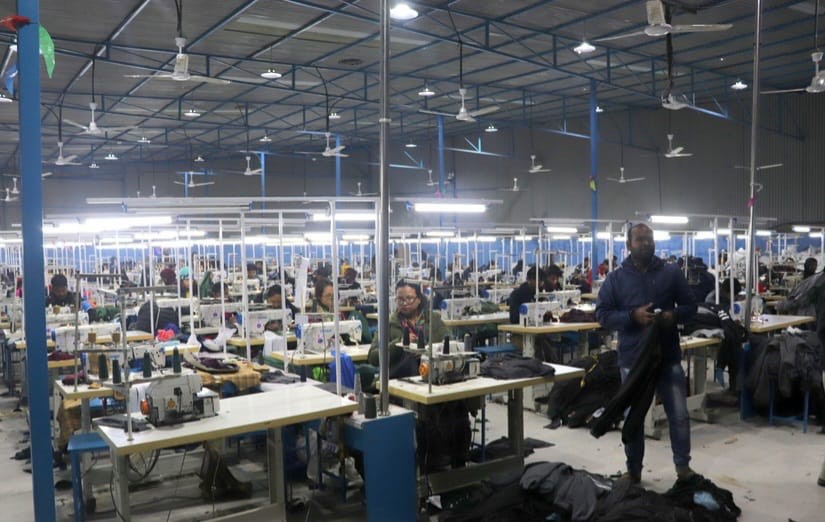
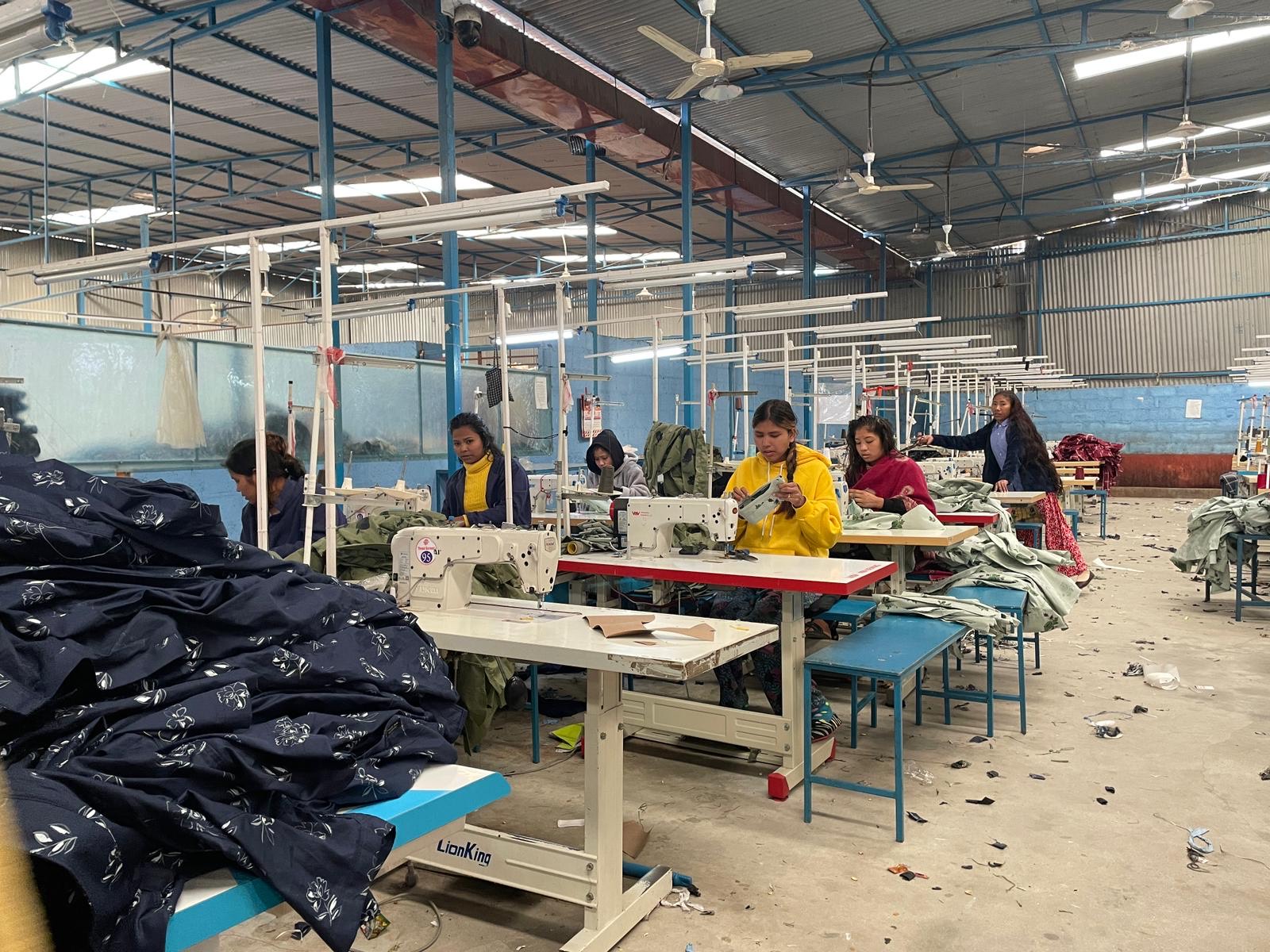
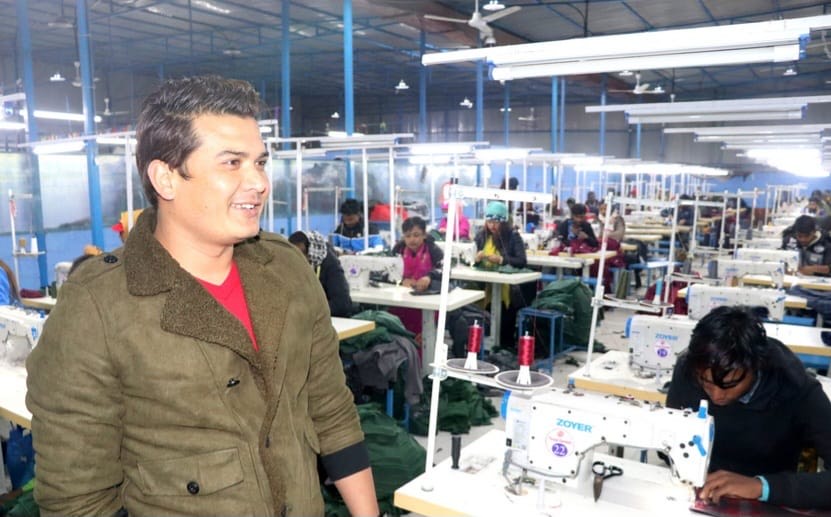
I finally mustered the courage to purchase seven sewing machines and started making clothes in my apartment. The response from customers was encouraging. I started closing down my shops, and expanded the manufacturing by adding 60 more machines.
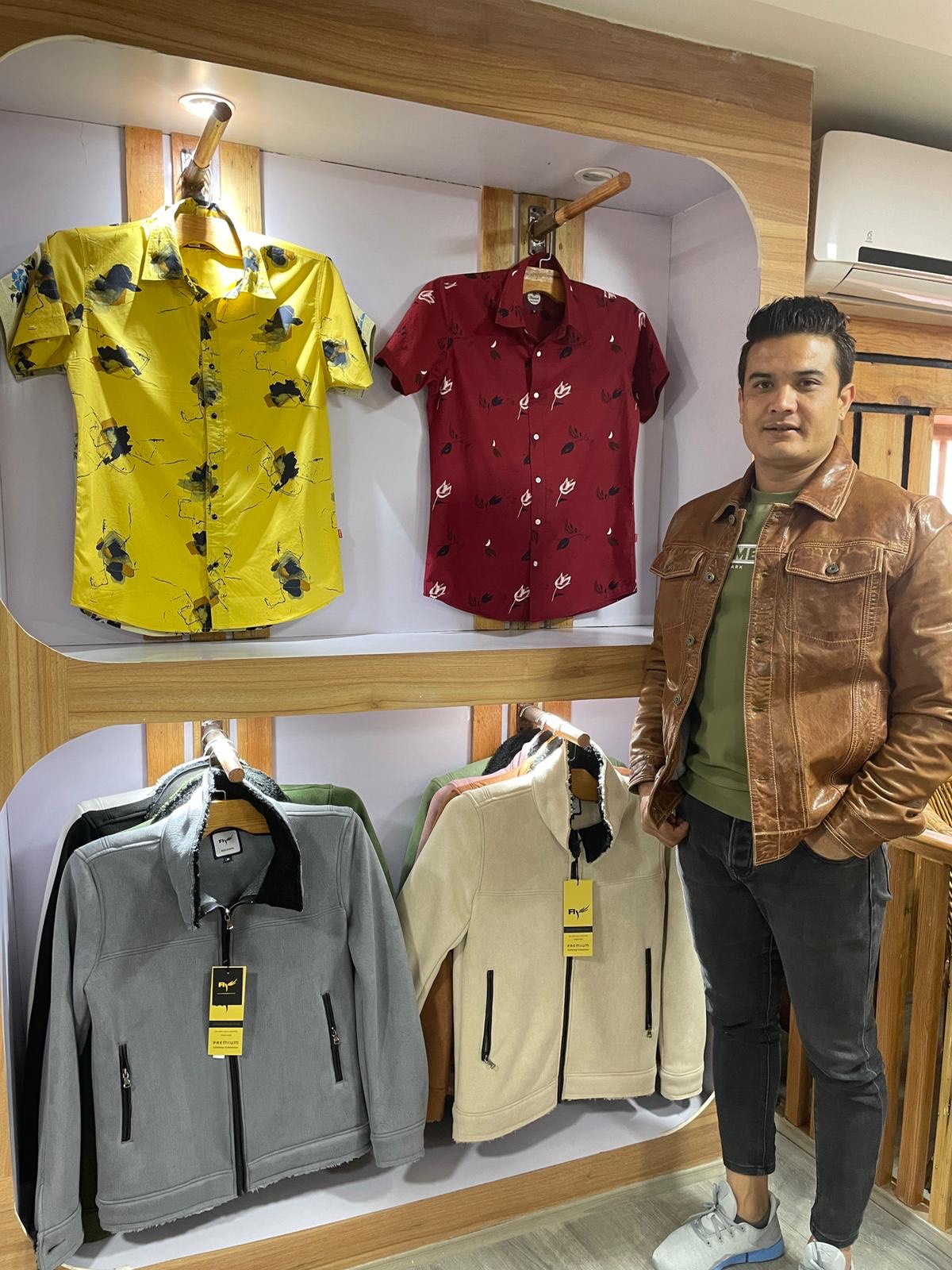
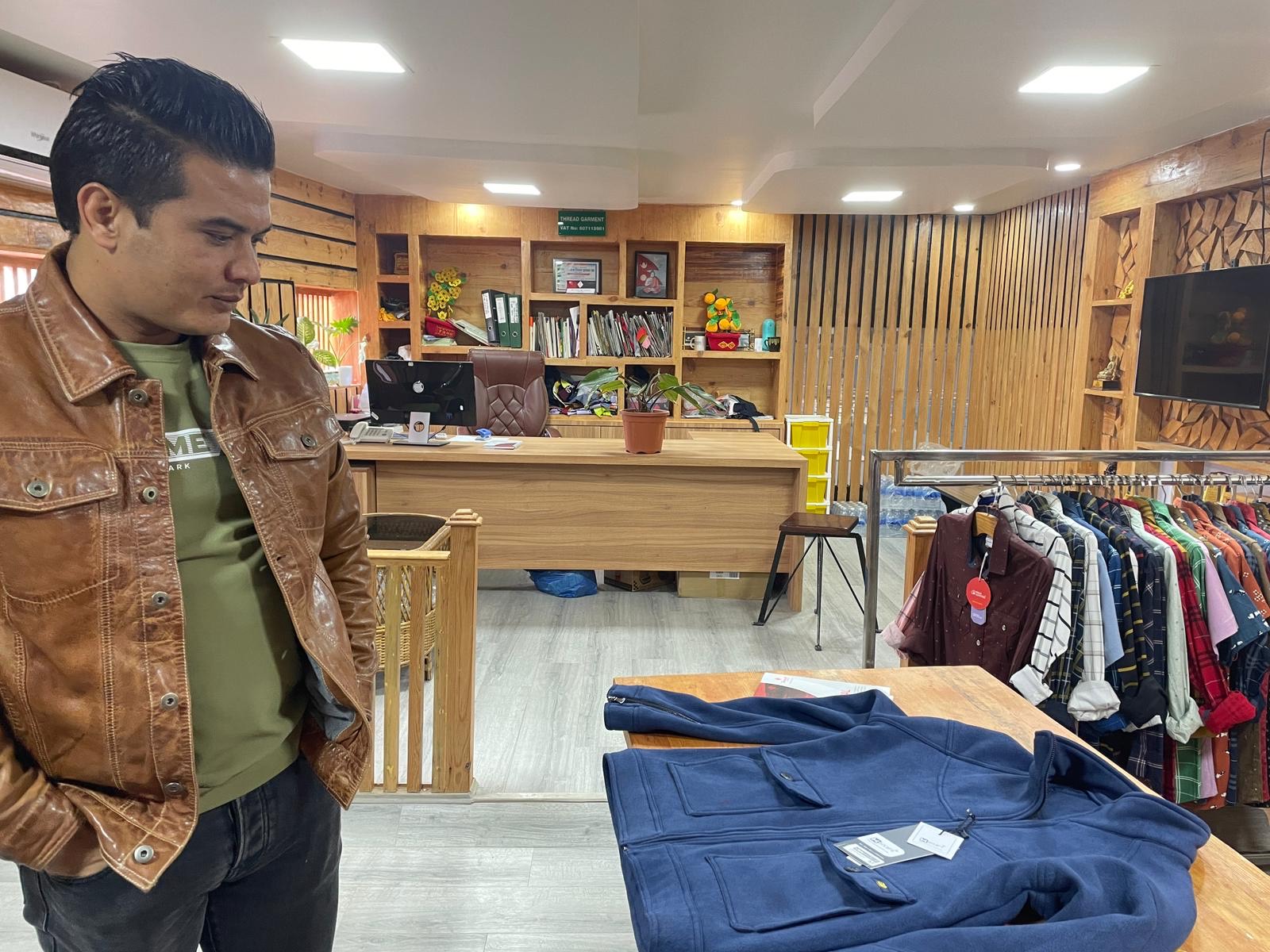
Before long, my garment brand Thread Garment became a full-fledged clothing supplier. We produce men’s wear and supply outlets all over Nepal, even selling tracksuits, sleeping bags and thermocots, which previously used to be imported, to the Nepal Police and Nepal Army. My clothes with the Made in Nepal tag are now sold in Malaysia, Qatar and Dubai, the very countries where Nepali work.