This is the 16th instalment of Diaspora Diaries, a regular series in Nepali Times with stories of Nepalis living and working abroad.
I grew up in Dang, where they used to call me an awara as I was not doing anything productive. No one wanted to invest in my future.
But one day my aunt offered to help me secure loans so I could migrate overseas for work. Even getting a passport felt like such a hassle back then, as I had to come to Kathmandu.
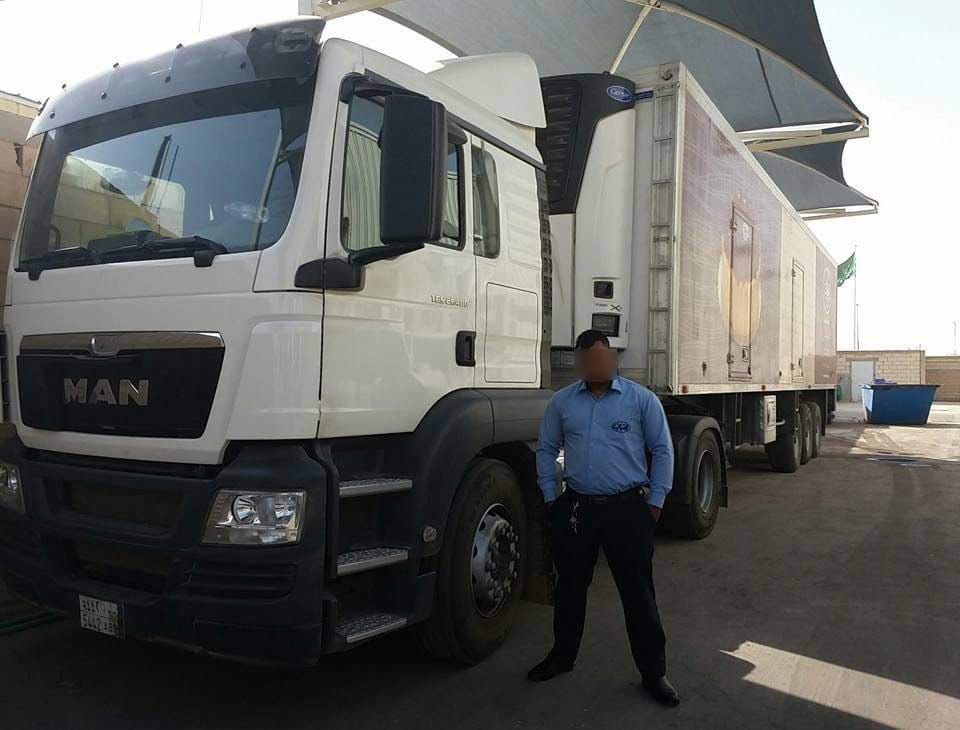
Within three months of applying through an agent in 2009, I got my visa for Saudi Arabia to work as a driver. After paying Rs90,000 borrowed at 36% interest, this village awara finally got on a plane to Saudi Arabia.
My salary was supposed to be 1,500 riyal ($400) as per the contract, but I was paid only 1,300. I was supposed to work as a driver, but they sometimes made me wash dishes, sweep the floor or do other odd jobs.
One year just passed like that. When things did not improve for the better, me and five other Nepalis who were also promised better paying driving jobs decided to speak up for our rights. But the mid-level staff would not listen to us.
It was not about washing dishes or mopping floors being less dignified than driving, this was simply not what we had signed up for. I wrote letters to the owner of the company with just two requests: to let me work as a driver, or send me home.

But the mid-level staff made sure that the letters did not reach the owner of the company. It was a futile exercise.
As time passed, I learnt more about the owner. One day I saw him in his car and ran towards it to express my grievances. I knew the owner had a soft spot for Nepalis, and he listened to me intently.
By this time, I had already learnt Arabic so was able to communicate well. The five other Nepalis with me also spoke up. He was kind and assured us that our concerns would be addressed once he was back from his work trip to America.
Our mid-level supervisors did not take it well that we had bypassed them, and gone directly to the boss. They started torturing us mentally, and stopped paying even the salary that was lower than the contracted amount. They were rude to us, and made us miserable.
But as I said, I am the type that will fight for my rights. There was no other way to stop the mistreatment, so one morning at 4AM, the five other Nepalis and I locked all the gates of our company, trapping workers inside.
The supervisors called the police, and we were detained. It was only after a few weeks that the owner came, and set us free.
He listened to our concerns, and fired the supervisors. It turns out they were ripping him off, and also cheating us by taking a cut from our salaries. The supervisors were also expats, some with families in Saudi Arabia. Their visas were canceled, and they were sent home.
The owner was on our side, and the reason he had a soft corner for Nepalis was that previous workers from Nepal had helped his company’s business take off and expand internationally.
We finally felt listened to. Our salaries were restored to the contracted amount, and we finally got our driving licenses. As a full time heavy truck driver, I felt happy. Things are going to be better now.
For the next few years, I worked hard at the company, driving my food truck regularly to Qatar and UAE. We got an extra bonus of 300 riyal after each trip. My truck had a small rest room with a small kitchen. These were long drives, up to 4,000km roundtrip and could take days.