As a truck driver in Saudi Arabia, I am always on the move. That’s how it has been since 2011.
Jeddah is almost 1,500km from Jubail, where I live. Places en route like Riyadh only allow trucks at certain hours of the day, so we take stops in between and wait. Including sleeping breaks, it takes us almost 36 hours one way to reach our destination.
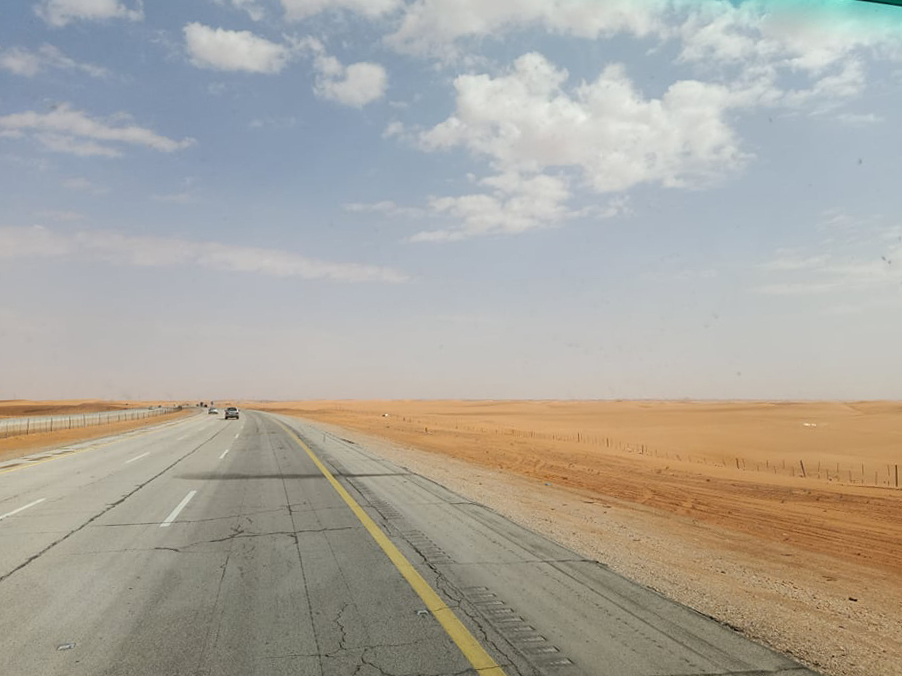
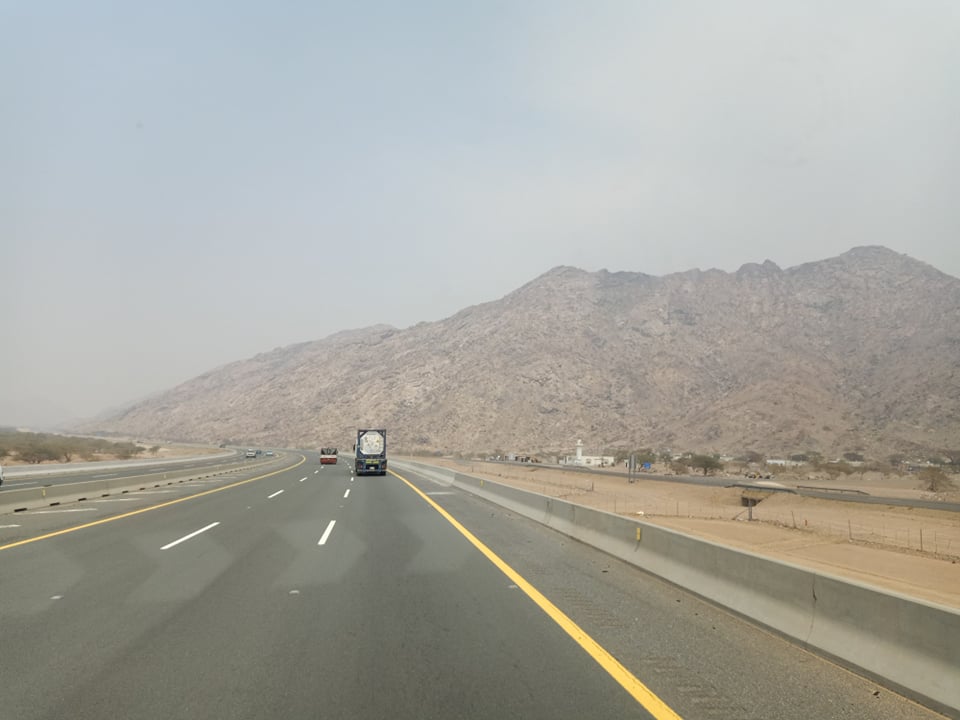
The road goes on and on and on. You feel like you have been driving forever, only to realise there is still 1,000km of asphalt left.
It tests your patience. Fortunately, there are other Nepali drivers on the road. The dreary driving is mutual so we keep each other company on the phone throughout our journey. When my phone is quiet for a bit, I get a call from a fellow long hauler who reminds me to stay awake. Then he tells me a joke.
This is the camaraderie I share with my fellow gurus. Yes, just like back home in Nepal, we call drivers ‘guru’ here in the desert, too.
In Nepal, trucks have funny or inspirational messages painted on their back. It is not allowed here. But some of us have managed to just write ‘Nepal’ on our trucks.
Read also: In the mind of Nepali migrant workers, Upasana Khadka
During food stops, we pool our resources and cook together in our tiny makeshift kitchen in the truck. It is more fun and easier that way, but also saves us money. Of course, we always opt for dal, bhat and chicken curry.
After doing this for 10 years, I have never got tired of the magical way the sand dunes on either side of the highway change their colours and textures. These are shades of reds and browns that I have never seen before.
We get to the point from where there is another 600km more to go, and that is when I start feeling more upbeat. As we get closer to our destination, our mood starts to shift. By the time we have less than 50km left, we start honking at each other in celebration and there is a huge sense of relief and accomplishment even though we may have done the route many times.
My first few trips were exciting. I had places to be, things to deliver. But it soon started feeling monotonous. Day turns into night, and into day again, and you are driving along in that endless ribbon of road.
Of late, I have started opting for shorter routes which are quicker and also better for my health. Now that I have worked in the company for many years, I have a say on my route preferences.
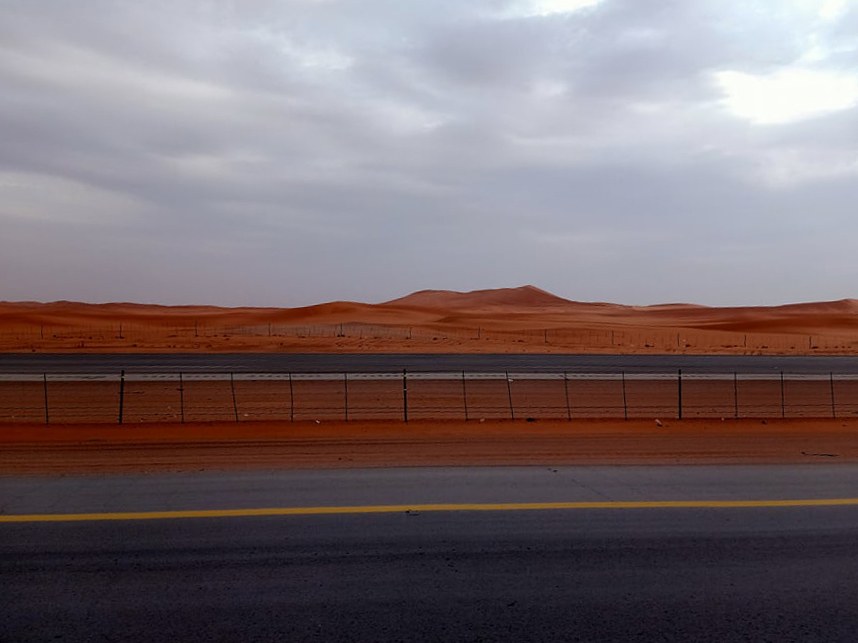
It is easy to get lost in thought on the road here in the Saudi desert. I ran away from my home at age 11 to India to be a domestic worker, taking care of my employer’s children who were older than me. Life has not been easy.
Before driving these humongous trucks, I worked as an auto-rickshaw driver and then a personal driver in India for a pittance. My license in India was fake, since I was only 15. I shaved my chin so that my facial hair would grow, but it did not. When I was questioned about my youthful looks, I blamed my Nepali genes. The sahu employer bought it. Or maybe they just wanted someone sojho he could trust to work for cheap.
The first time I came to Saudi Arabia after paying Rs70,000 to a manpower company, I landed a terrible employer and returned to Nepal prematurely after getting sick. But I knew I had to go overseas again -- what other option did I have?
With my second child on the way, I was so desperate when I came to Saudi Arabia the second time that I thought to myself: “Even if things do not go any better and I die there, it will still be better for my family because they will at least get around15 lakhs from the Foreign Employment Board and insurance as compensation.”
Read also: Migrant worker finds farming in Nepal more rewarding, Naresh Newar
This time, though, I landed a good employer and have not looked back since. This coincided with my daughter’s birth -- and as they say, with her arrival so did Laxmi enter our house.