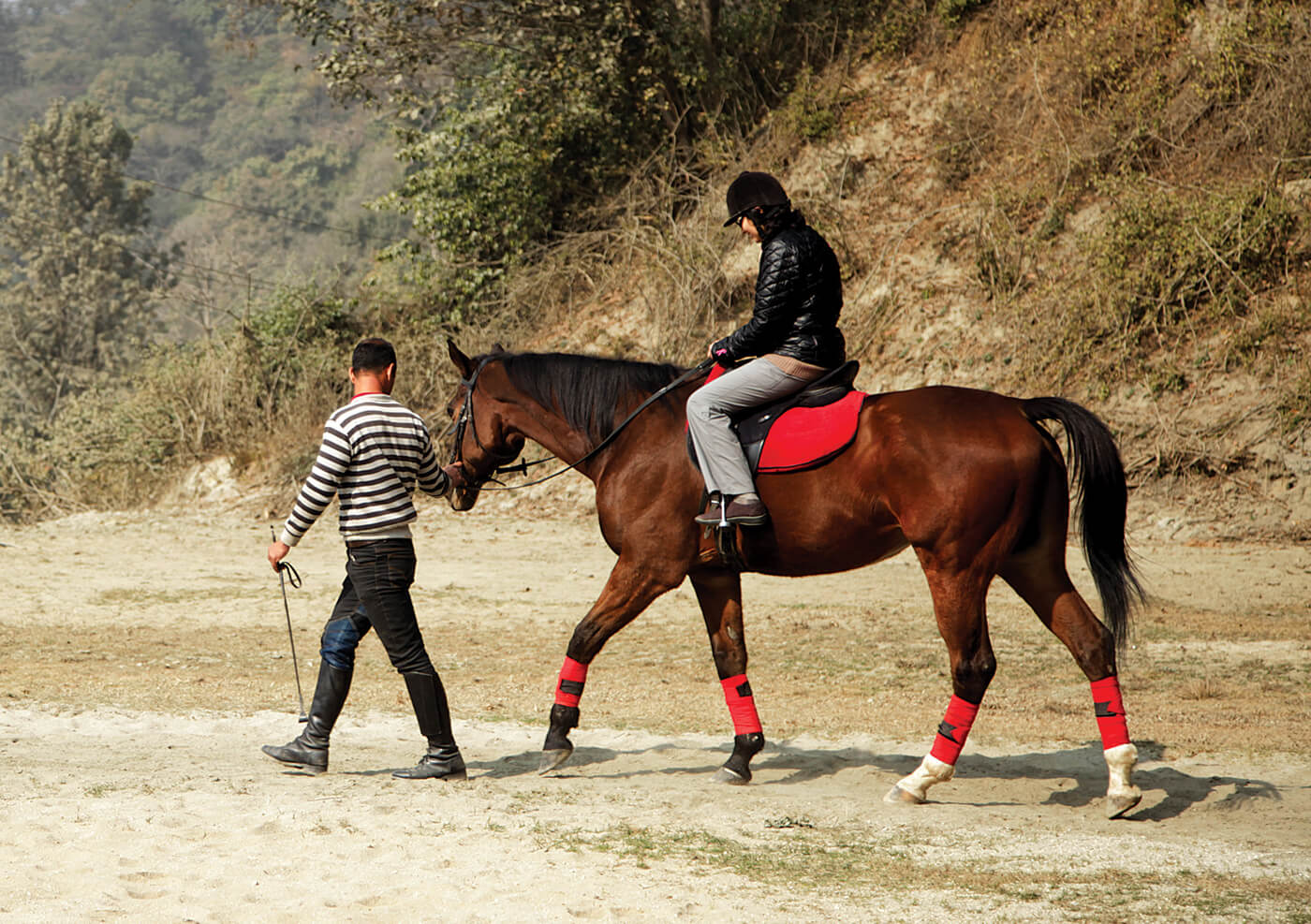
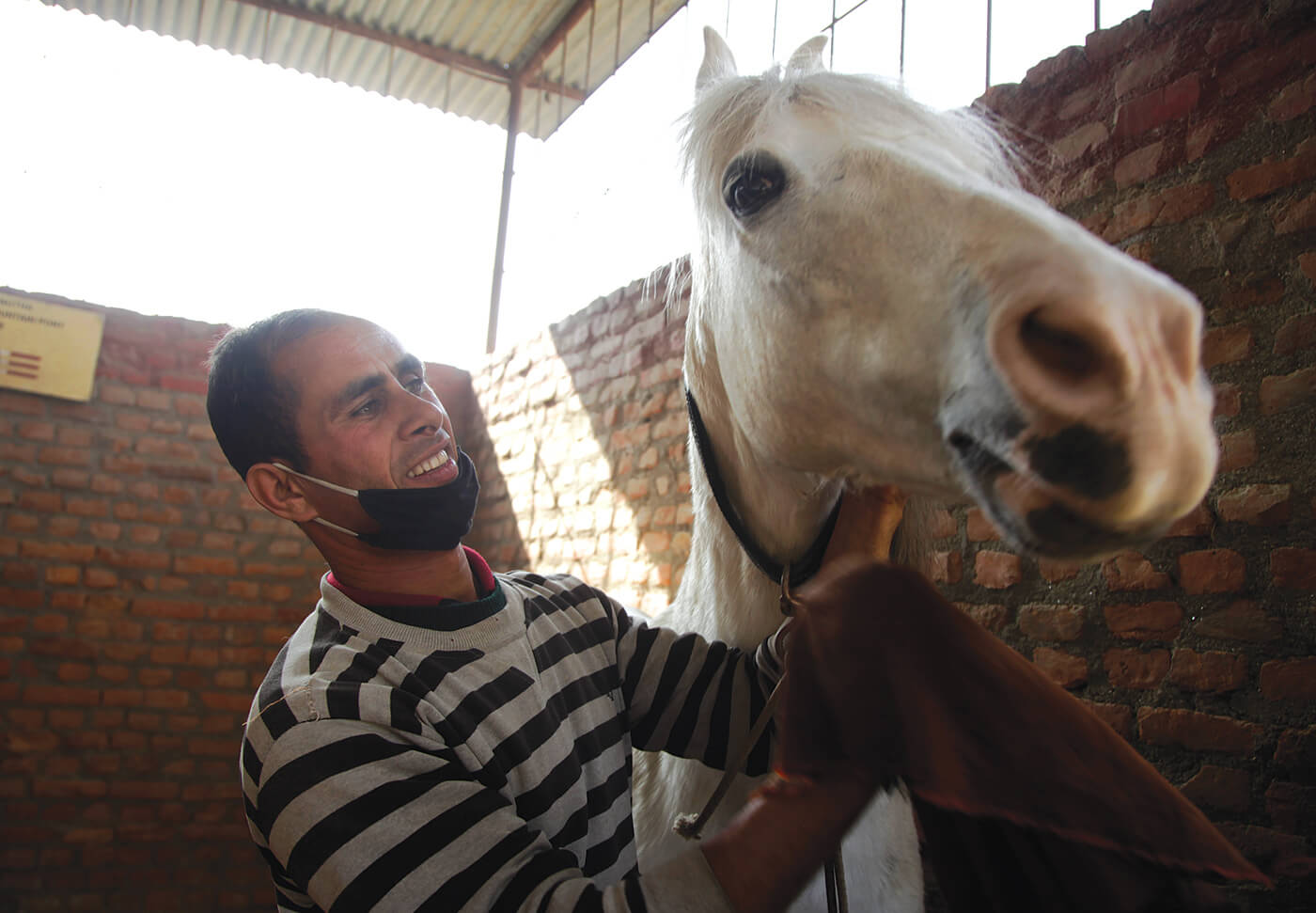
The most unique aspect about equestrian sports is that it requires perfect coordination between two different species: the horse and the human who rides it.
Understanding and respecting horses, bonding with these powerful creatures is a crucial element of the sport, which is catching on in Kathmandu. Once an activity restricted to royals, there are now horse riding schools catering to a growing interest in the public.
One of them is Wind Horse Stables in Gokarna which started 11 years ago and has a stable of 13 horses and 100 members who learn to ride and even practice modern Dressage.
Says owner Niroj KC: “To learn riding, you first need to build that connection with the horse, to understand their moods and psychology.”
Indeed, riders and groomers must be able to decipher the horse’s body language, its intricate flick of the ears, rolling of eyes, or feet movements.
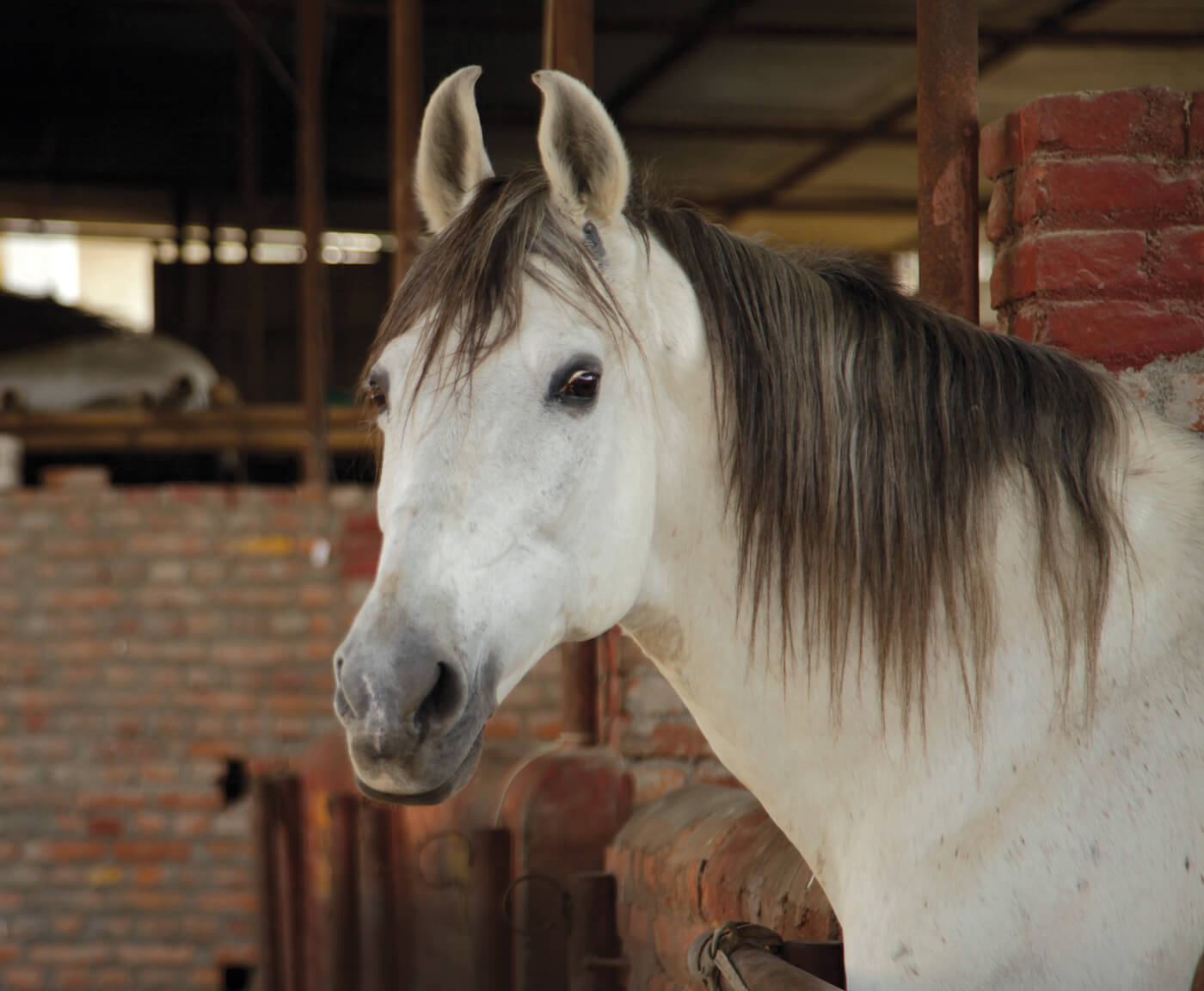
Horses require extensive care, an adequate diet, regular grooming, exercise, and training to prepare them for rides. But physical fitness alone does not suffice, horses have mood swings just like humans, and need tender, loving care. Horses in fact mirror human emotions, if treated with love, they reflect that affection. If abused, they respond with violence.
Wind Horse Stables and others in Kathmandu teach Dressage, an equestrian sport in which horses are trained to perform walks and moves. Riders must communicate efficiently through movements to elicit required responses from their horses. Horses are also involved in games such as polo, show jumping, horse racing, vaulting, or rodeo.
Even though they are used today predominantly for recreation, horses have been a part of human civilisation for thousands of years. Believed to be originally domesticated for meat and milk in Eurasian steppes, the horses’ subsequent use for transportation gave speed to humans unattainable before, helped expand human settlements, agriculture and economies.
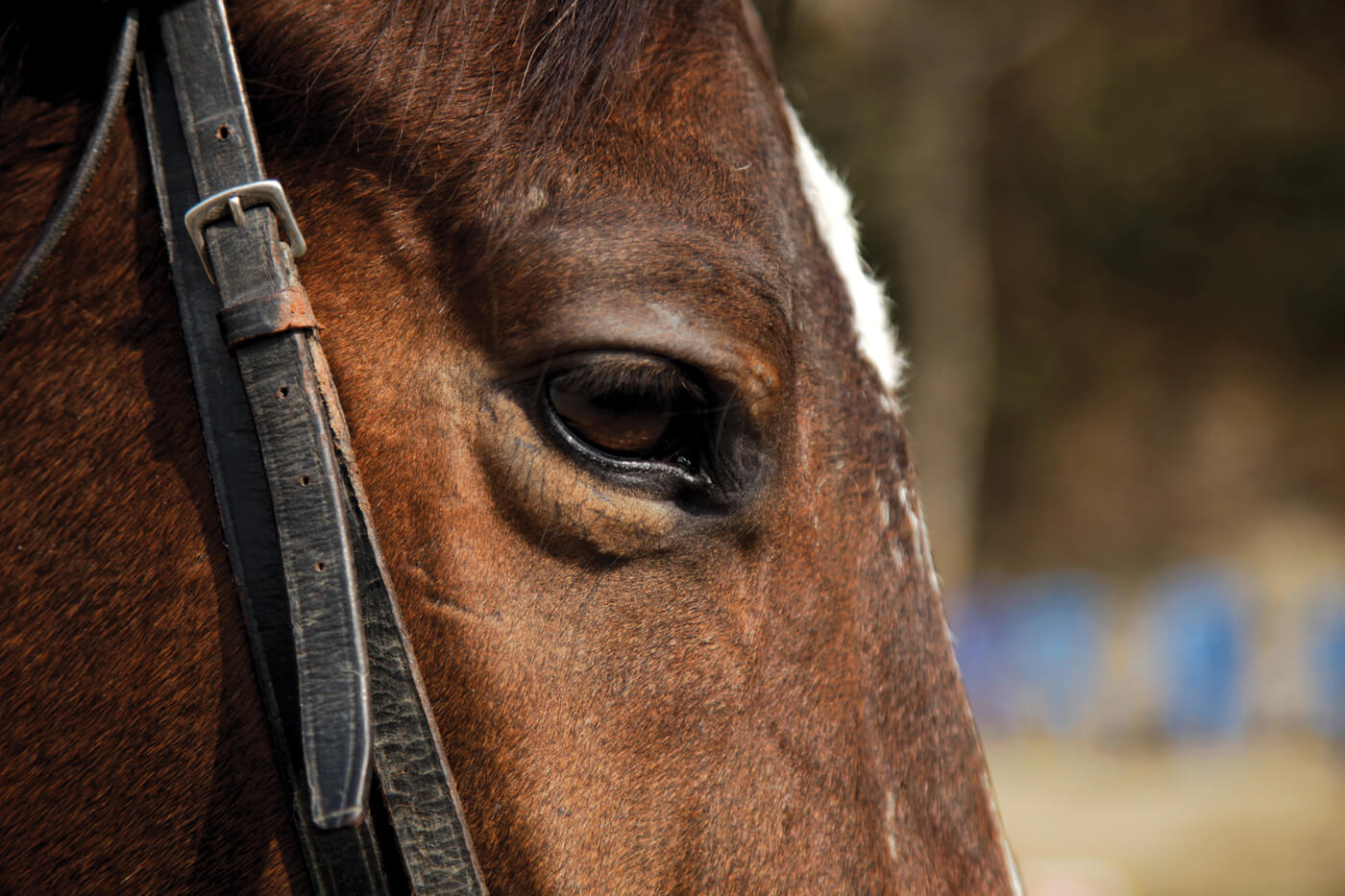
In Nepal, horses are still used for transportation in some Himalayan settlements because of their ability to navigate through difficult terrain. In the First and Second World War, horses have battled alongside the Gurkhas.