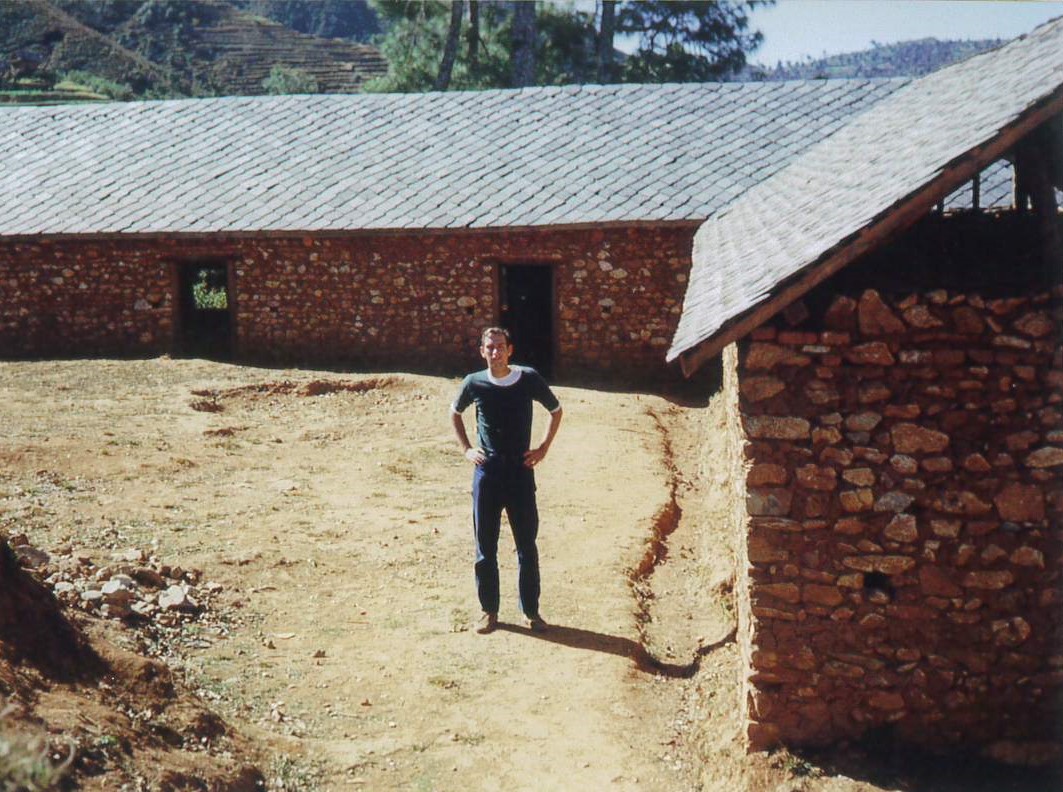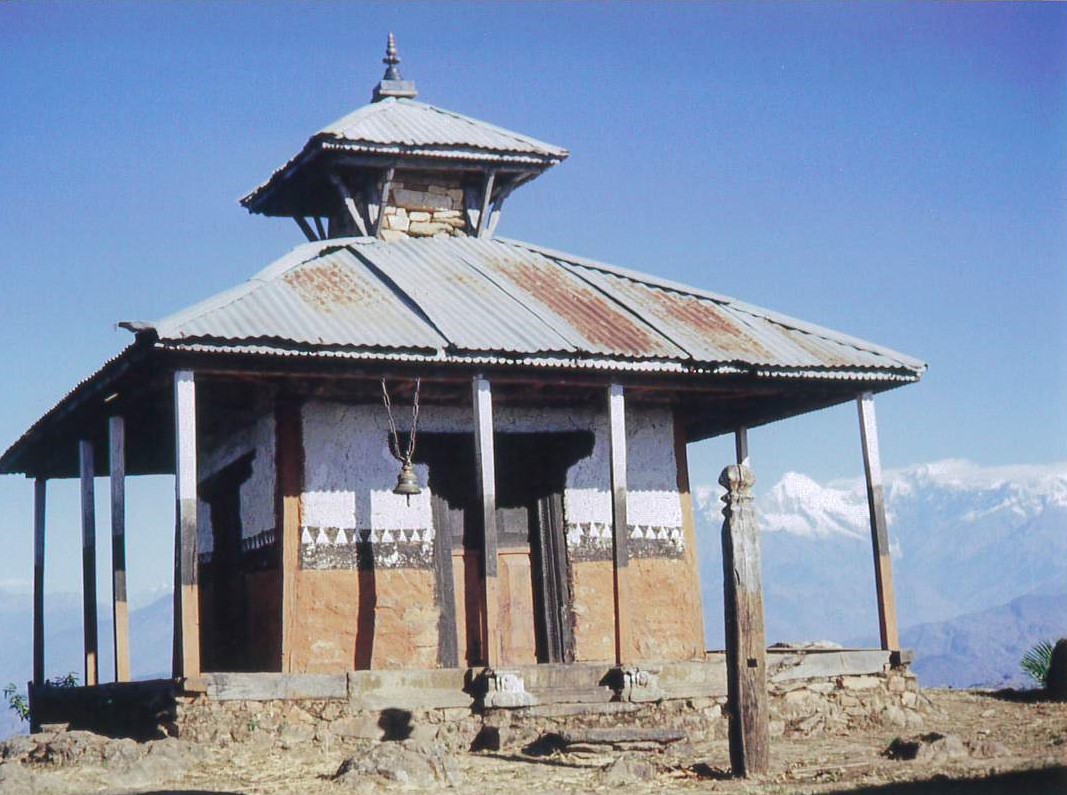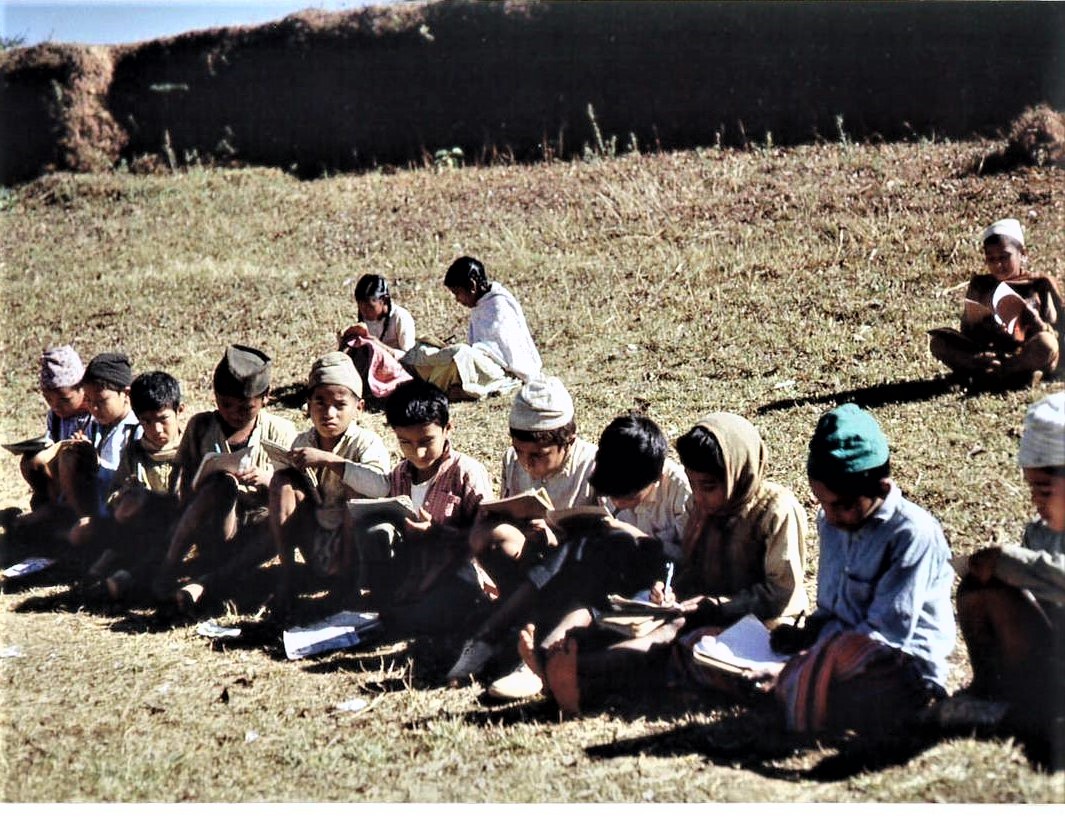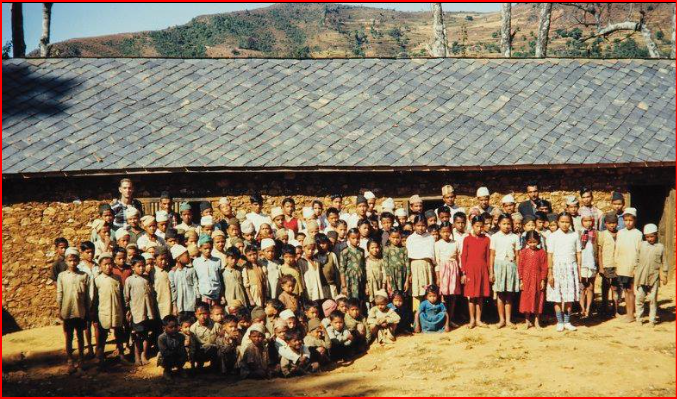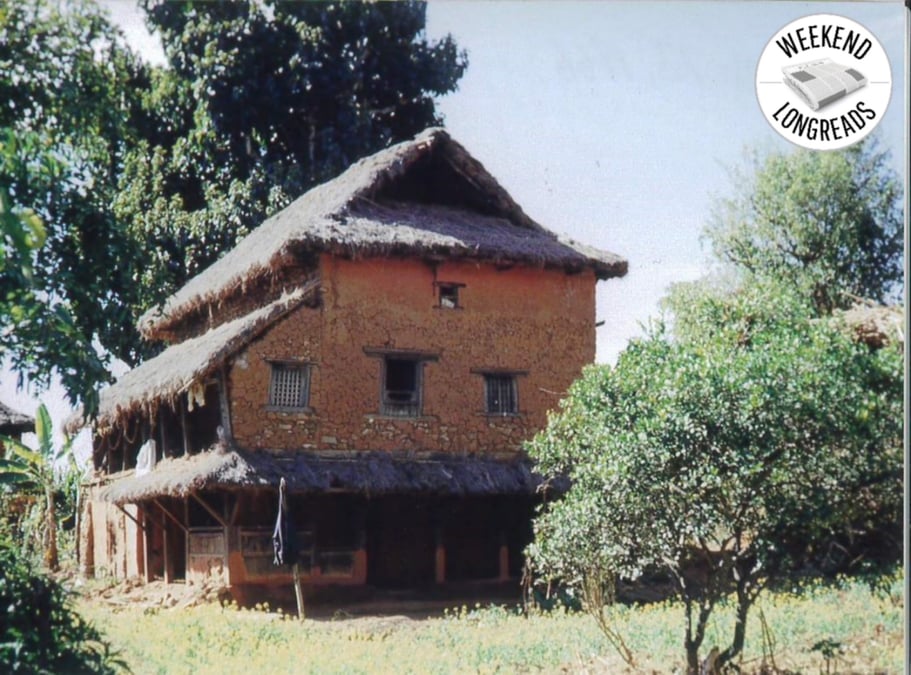
The 208th group of 21 American Peace Corps volunteers arrived in Nepal last month, the first since the Covid evacuation. Nearly 4,000 young Americans have served in Nepal since 1962. But the new volunteers will find a very different country from what their predecessors experienced nearly 60 years ago. Excerpts of diary entries of Daniel W Edwards after he flew into Kathmandu in October 1966 and walked to Dhading district where he taught at a village school for one and a half years.
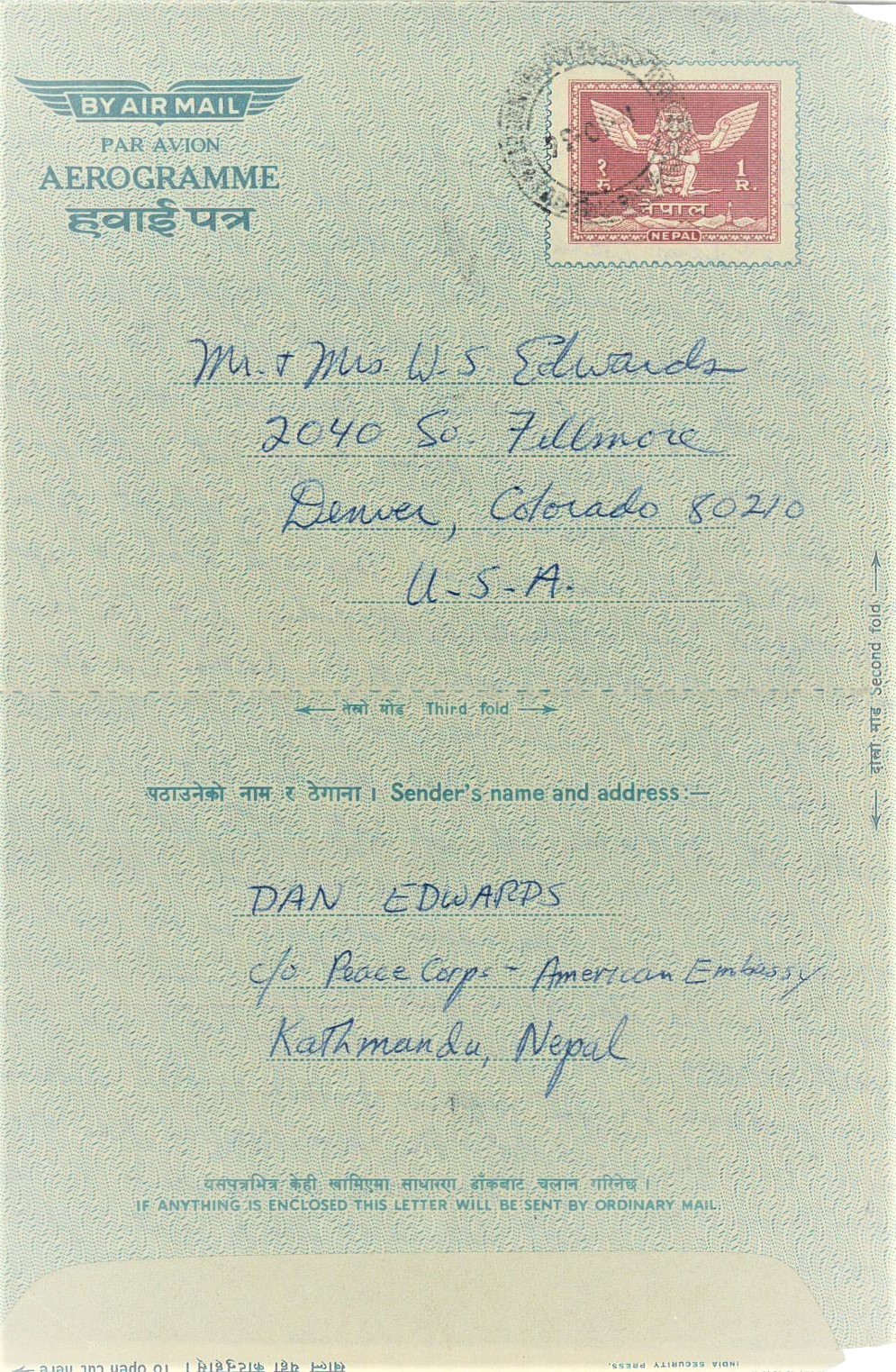
17 October
The day of departure from Kathmandu to Dhading was inauspicious. I awoke at 3AM with “intestinal disturbances”, managed breakfast, and by the time Peace Corps regional director Al Dieffenbach appeared at 9:00, I decided to consult the doctor before leaving.
We had loaded my gear into the jeep station wagon and had driven into the Snow View Hotel in Lazimpat when the clutch gave out. I grabbed my medical kit and hurried back to bed. Then came the chills and fever. I felt quite sick and had a colleague summon the doctor. He was a long time in coming, but in the meantime I was bothered by a solicitous but an overbearing Anglo-Indian woman who ran the hotel.
Al returned and said the trip was scrubbed for the day. The doc believed I had a virus, not dysentery. I was moved upstairs to a “sick ward”, and the fever was 102.6. Finally managed some sleep about 4:30PM. A well-dressed gent stopped by to check on me at 8:30. I returned to bed with more drugs and wondered what tomorrow would bring.
18 October
I woke up at 6:15, felt much better, and heard a truck outside trying unsuccessfully to start. A delegation of volunteers was leaving by plane that morning. The struggles of the truck seemed amusing, until it dawned on me that the same truck was likely the one I and Butch Amundson would need. That was the case. At 8:30 Al showed up … still the truck would not start. So finally a USAID jeep pickup came out, we drove to the PC office to load up and set out about 11:00. Alas, just as we were leaving town at 25mph, a great shimmy commenced toward the front of the vehicle, as if the wheels were about to come off. Back to the PC office, then to AID headquarters at Rabi Bhawan to exchange vehicles. Another jeep wagoneer, we drove to the Embassy to fill the tank. There I noticed the right front tire had a nice hole in the tread. After lunch at Mr Wong’s Peace Restaurant in Lazimpat, we again set sail, piled high with baggage.
We passed Balaju and headed up a winding dirt road through a beautifully green landscape. About 15 miles out, at Ranipauwa located at 6,000 feet at the top of the pass, while pulling over to let a truck pass, there was a loud bang: our left rear tire had exploded. Butch went back to Kathmandu in an old 1940 passenger touring car when we discovered our spare tire likewise had a large hole in the tread, the jeep also had no jack.
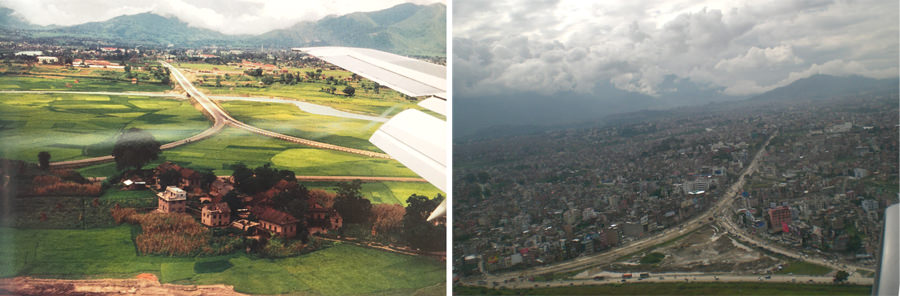
Butch subsequently told us that a woman in the car (which was carrying 9 or 10 people) became ill and vomited in the back seat. The car ran out of gas outside Kathmandu, so Butch walked the rest of the way into the city.
We had a nice dal bhat dinner at Ranipauwa and bedded down inside a shop that turned out to be an all-night cigarette-concession stand. When there was no knocking from without, the old lady was singing from within to a small child. Promptly at 4AM an inconsiderate rooster started crowing, a goat started bleating, and the woman and child began an unintelligible conversation. At 6:00 I got up to see the mountains, but it was still cloudy. Gradually the clouds broke, and the majestic Ganesh Himal loomed pinkish in the sky. Then a group of three or four summits appeared in the clear air.
By 11:00 we were getting restless, when another AID jeep finally appeared. Butch had brought three tires, so two tires were changed, the old jeep reloaded, and we set off down toward Trisuli. There were sharp drops to the right and the terrain was such that the road went in and around all the hills. Trisuli was hot and we stopped at volunteer Allen Lundberg’s comfortable house by the side of the river. Saw the newly opened hospital with an x-ray machine just installed. Plus the hydroelectric plant and a row of bright lights around the generators in the middle of rural Nepal.
20 October
Al left early returning to Kathmandu. We searched for porters, but as Dasain had just started, not even one was available. We looked at the school, the bazar and decided to set out on the morrow for Dhading, for it seemed very indefinite (“bholi parsi”) when we could get porters. Another volunteer teacher in Trisuli, “Mr. Bob” had taught all his students to say “Howdy” so as I walked through the bazar, kids kept calling out “Howdy” to me.
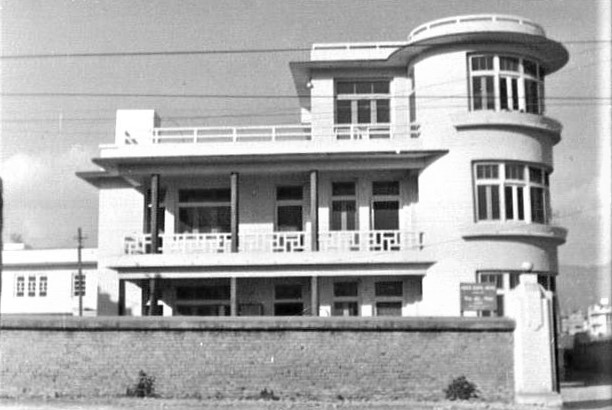
21 October
Four of us, two Trisuli volunteers, Butch and I set out. About four miles out of town we crossed the Trisuli River via cable and bucket (tuin), my Kelty backpack and I lurching out across the river and being transported to the opposite shore by a man pulling a rope. The Trishuli volunteers turned back and shortly thereafter, we came to a good-sized stream with no apparent bridge to cross. In retrospect we already had lost the right trail. As it was, every ten minutes or so there were forks in the path going in two or three directions. We guessed the route which led along the river. Asking directions was of little help, because we always got in reply a stream of (to us) unintelligible Nepali accompanied by vague gestures. Someone would say Dhading was four kos distant (eight miles), while hours later someone else would say six kos (12 miles) remained. So we just kept walking.
We definitely were going the round-about way: we waded across streams, tramped through front yards of houses, and walked between rice paddies, balancing on narrow strips of earth which separated the levels of the fields. We meandered along a footpath that was at the top of a steep river bank, which was fast eroding away. We followed the river a long time, steadily losing elevation before turning up into the hills.
We reached the top of the closest ridge, but Butch’s knee was giving him trouble, and as it was nearly 3:00, we dropped down to a stream and rested. There we met a fellow who told us we could not reach Dhading until the next morning, but he (kind soul!) would take us to the village we had seen from the first ridge.
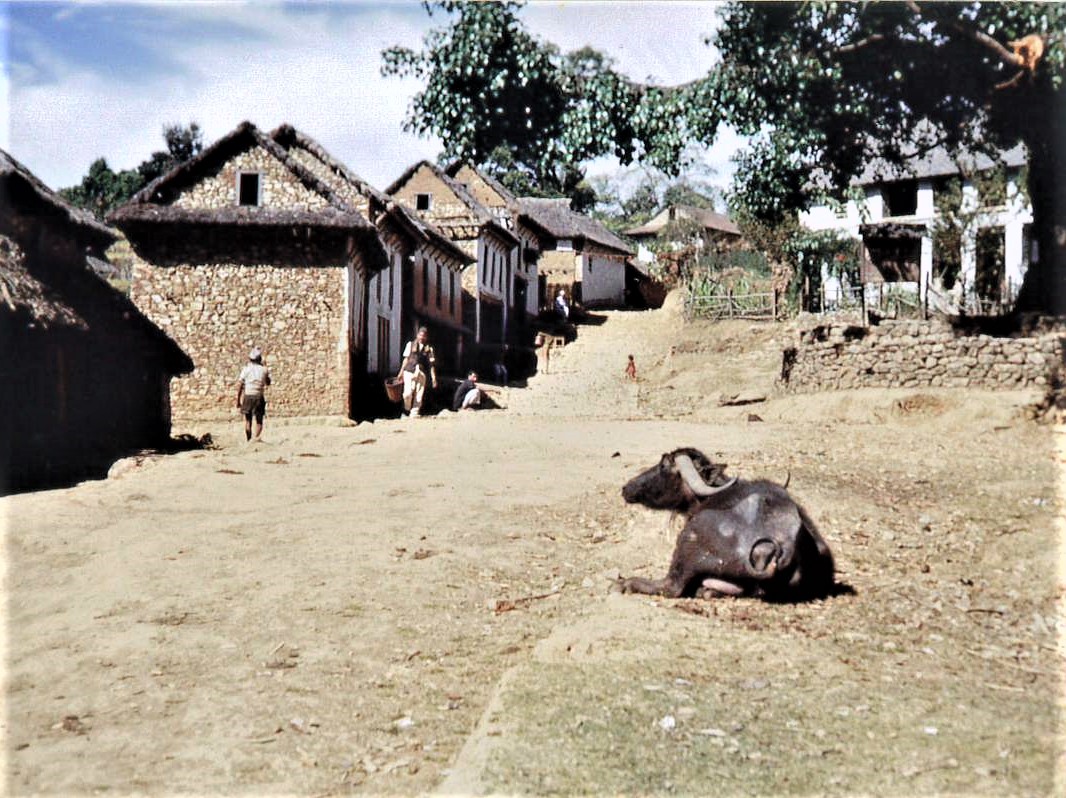
Dada-Gaun (village on the hill) was its name, and we were led into a yard. On the front porch sat a grizzled-looking man who puffed on his hookah and listened stoically while our guide explained our predicament. Soon was brought out what I think was dahi (curd), but the PC doc had hammered into our heads the rules not to eat anything raw that hadn’t been peeled or to drink liquids that hadn’t been boiled or water that at least was treated with tincture of iodine. While I was trying to explain why we couldn’t accept the dahi although we greatly appreciated the gesture, I remembered my package of biscuits and promptly passed them around. Butch brought out cigarettes, and then it turned out that bhat was available. But what a sight it was: a dirty white most unappetising-looking mass and served with it, goat’s meat in bony chunks with hair liberally floating around in a brass bowl. But we were hungry and ate most of it with our fingers. By this time quite a crowd had gathered, and all were frankly curious and speculating who we were and why we were there. I doubted the women and young girls had ever seen two tall white guys, certainly never in their small village. Taking out my razor and small mirror, I decided to shave, and that created quite a spectacle.