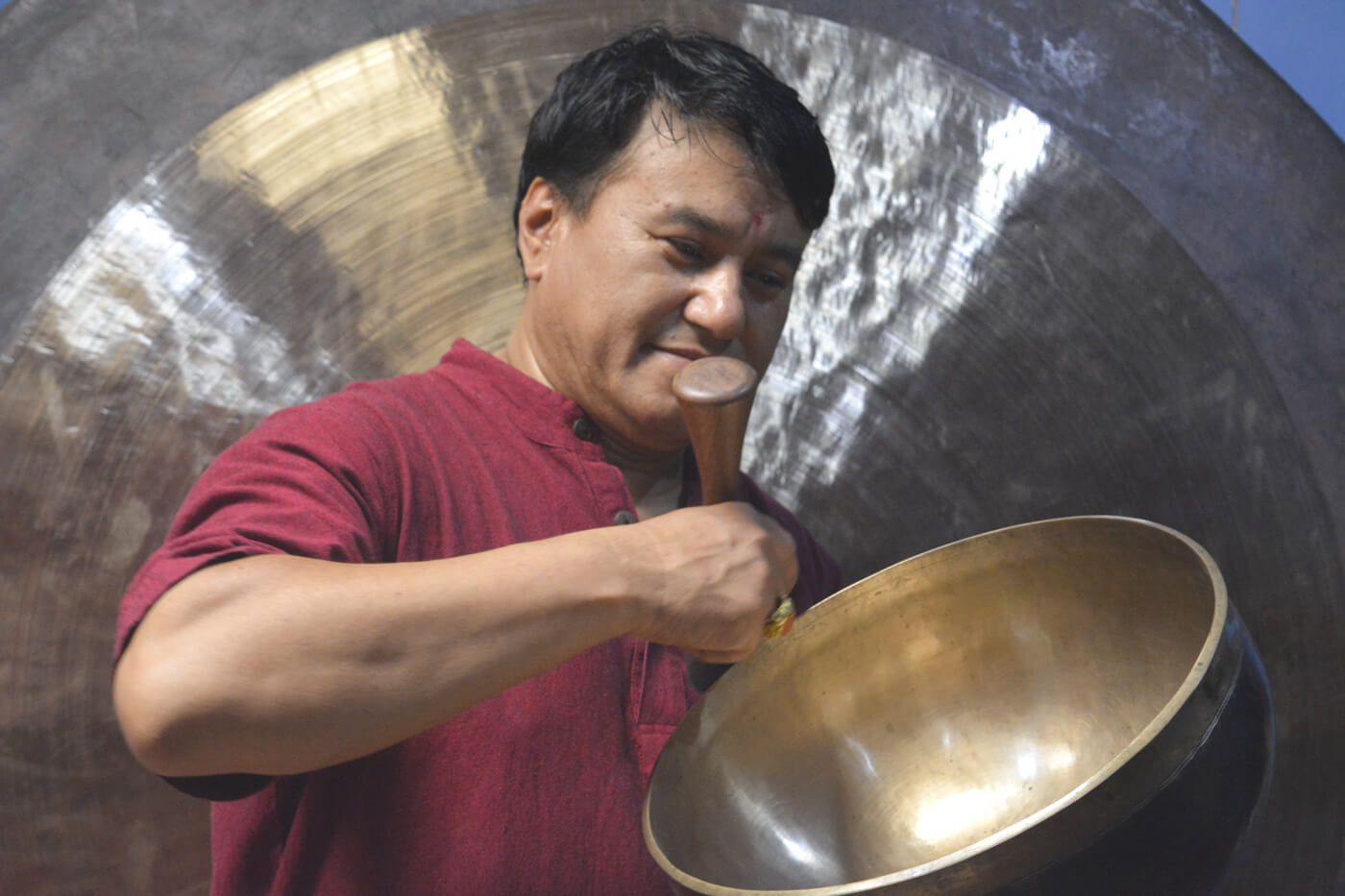
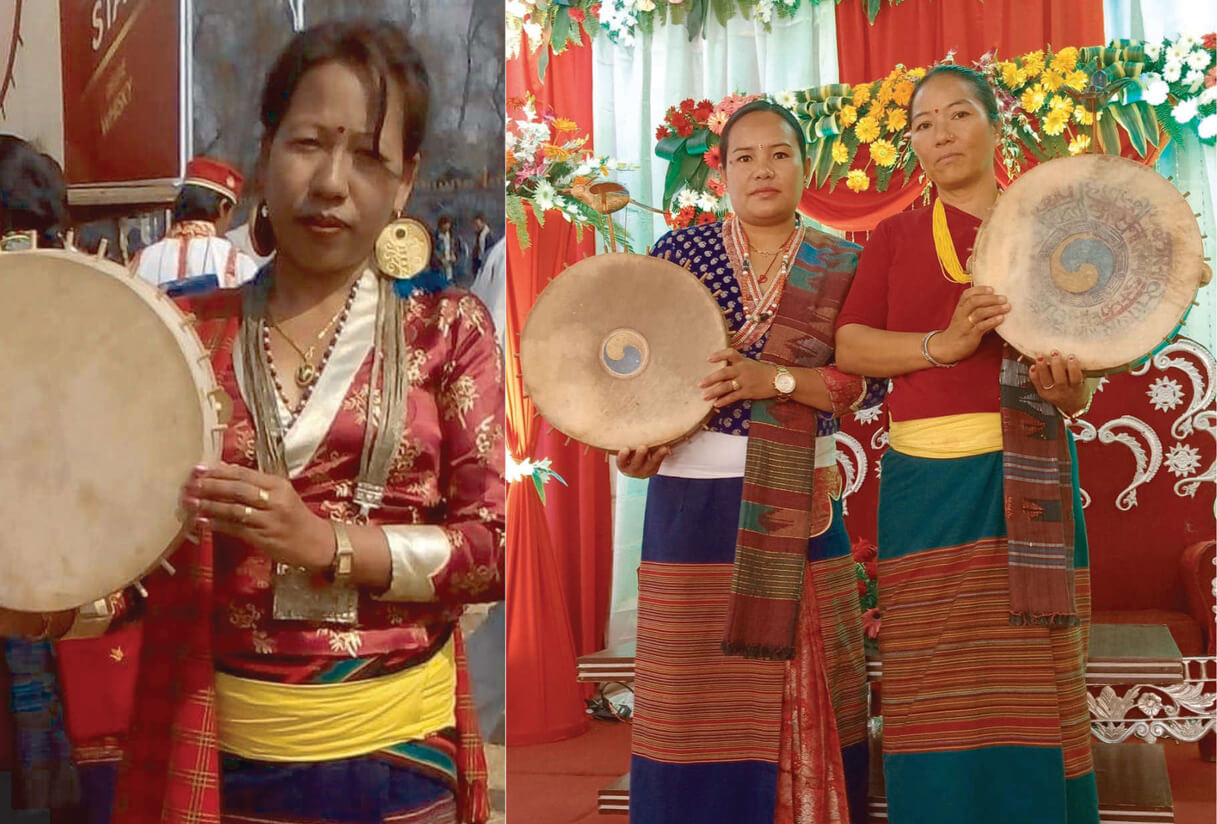
Nepal’s newest music festival is guaranteed to start with a bang. Surya Nepal Drum Jatra next week will feature the heavy beats of metal, wood and leather drums alongside delicate sounds of bells and singing bowls. The damphu, madal and dholak will inject a Nepali flavour to this international event.
“We want to showcase the variety of styles we have in drums because Nepal is so rich in them, but we hardly ever celebrate drums,” says festival organiser Navin Chhetri. “Every major city in the world has drum festivals, except Kathmandu — we wanted to start something new.”
Kathmandu will reverberate 24-29 June with Drum Jatra concerts that will feature Nepali sounds like Naykhibaja, the drumming of the butcher community in Bhaktapur, which was almost lost due to caste stigma, and Tamang Selo, which embodies the history of that hill community.
Foreign rhythms will sound out courtesy of the Australian didgeridoo and in the person of Esad Halilovich, an acclaimed drummer from Vienna who will add a Balkan flavour.
Along with performances, a series of workshops by experts will allow aspiring drummers to tap into Nepali percussion styles and Afro-Brazilian beats. Events will take place all over the city, culminating with the finale at Summit Hotel on 29 June.
Read also: Kathmandu, and all that jazz …, Sewa Bhattarai
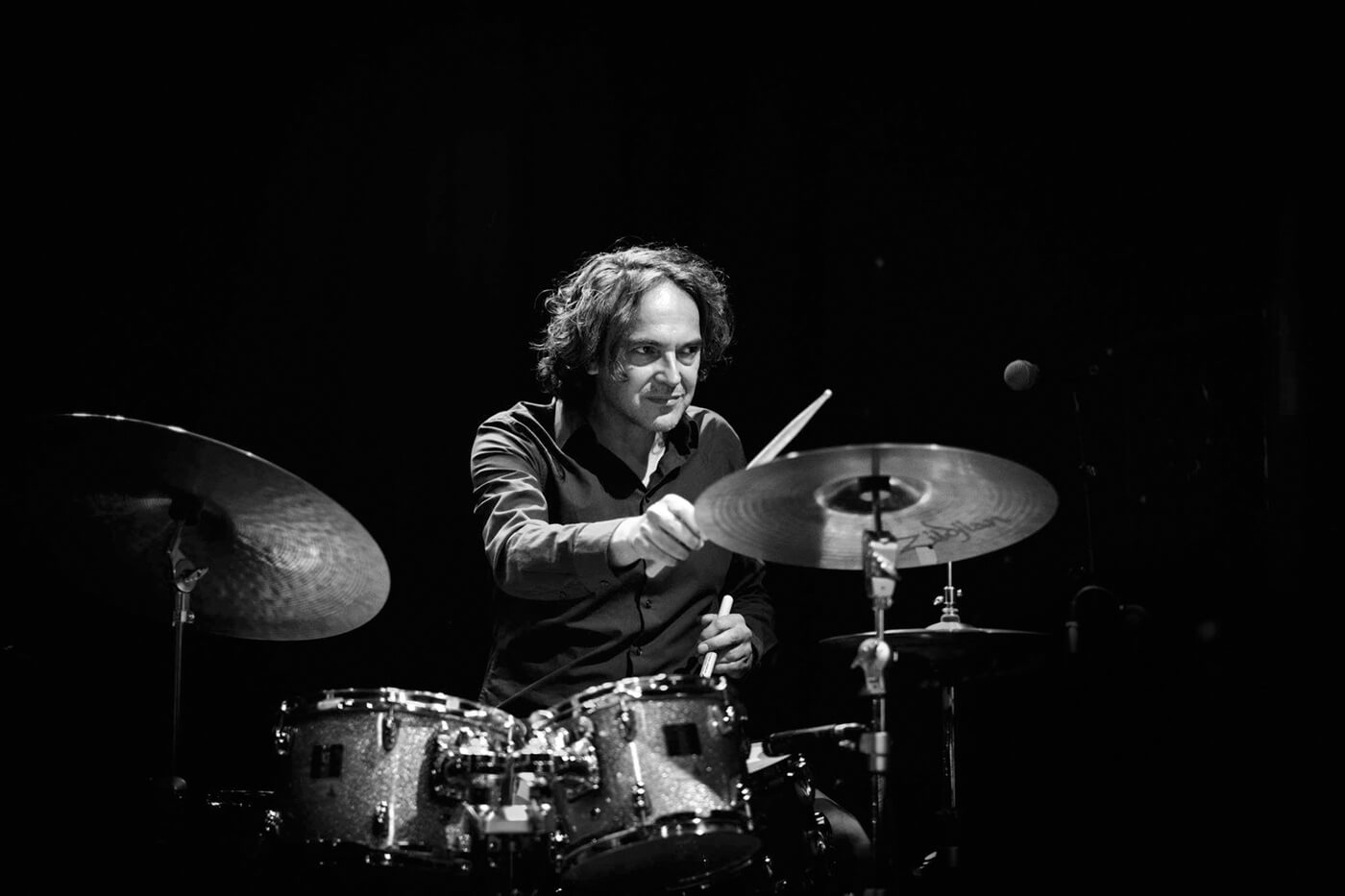
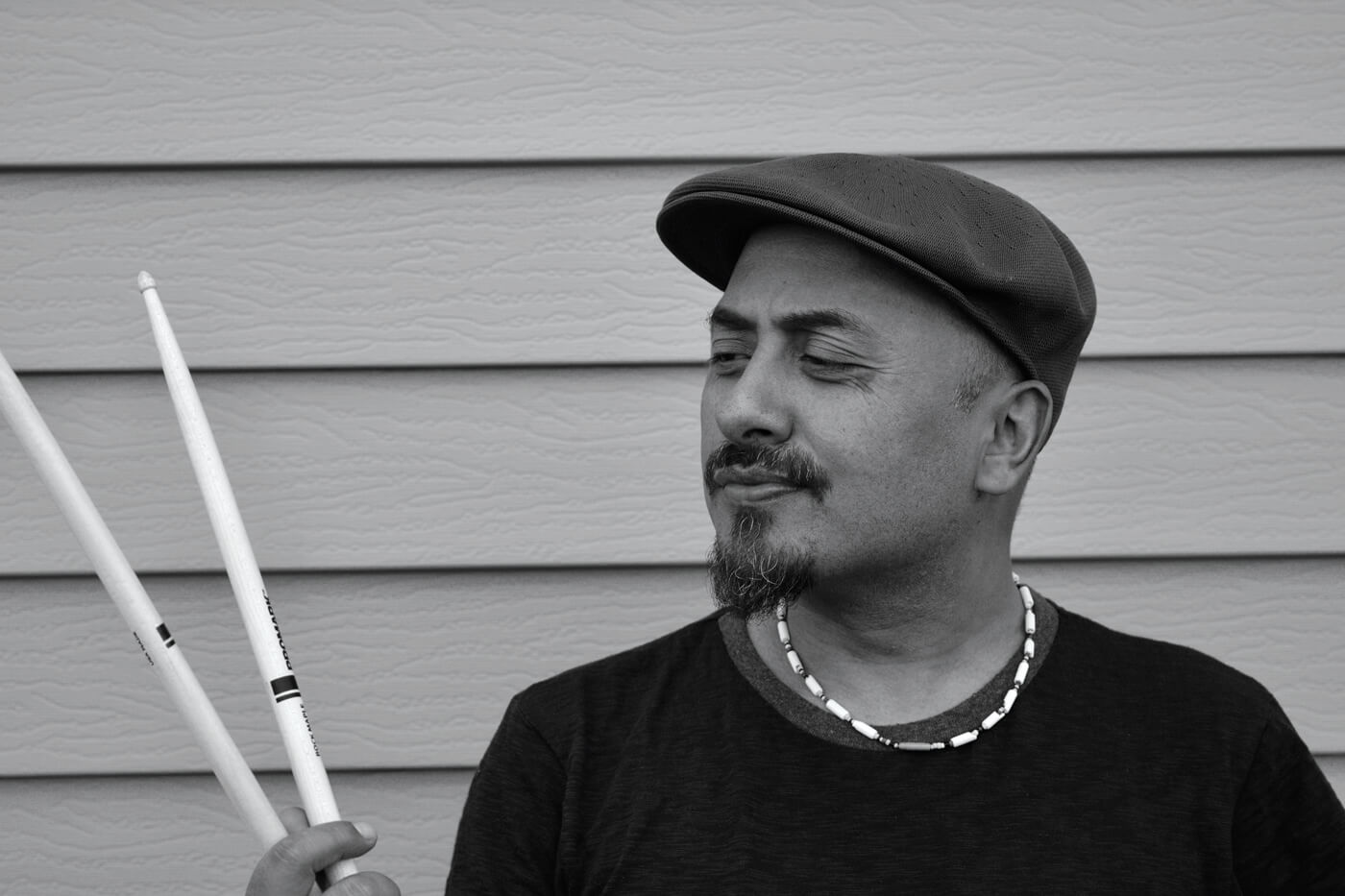
Esad Halilovic
Jazz drummer, composer and teacher based in Vienna the trio-playing Halilovice has presented his compositions at renowned international jazz festivals. He will also be giving workshops on hand techniques for drummers and improvisation of drum sets.
Performs: Traditional folk music from the Balkans in the language of contemporary jazz.
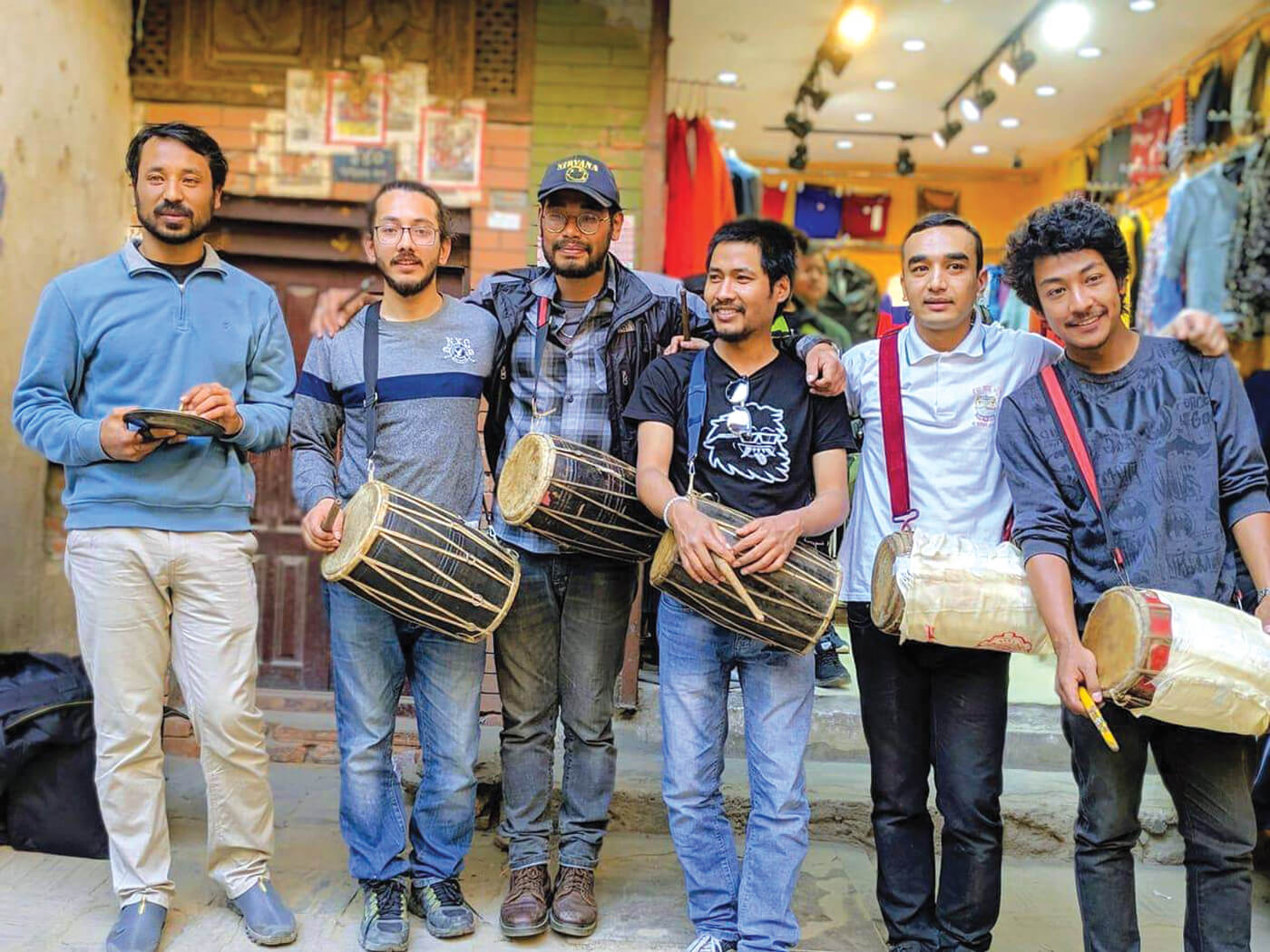
Kathmandu Baja Puca
A young group performing in the Naykhibaja tradition. Nay refers to Newar butchers, with whom the tradition originated, khi means drum, and baja denotes an instrument or musical ensemble. The butchers were considered untouchable, and their musical legacy was forgotten as youngsters rejected it because of the caste stigma.
Performs: The recovered Naykhibaja repertoire with pride, with determination to preserve it for future.
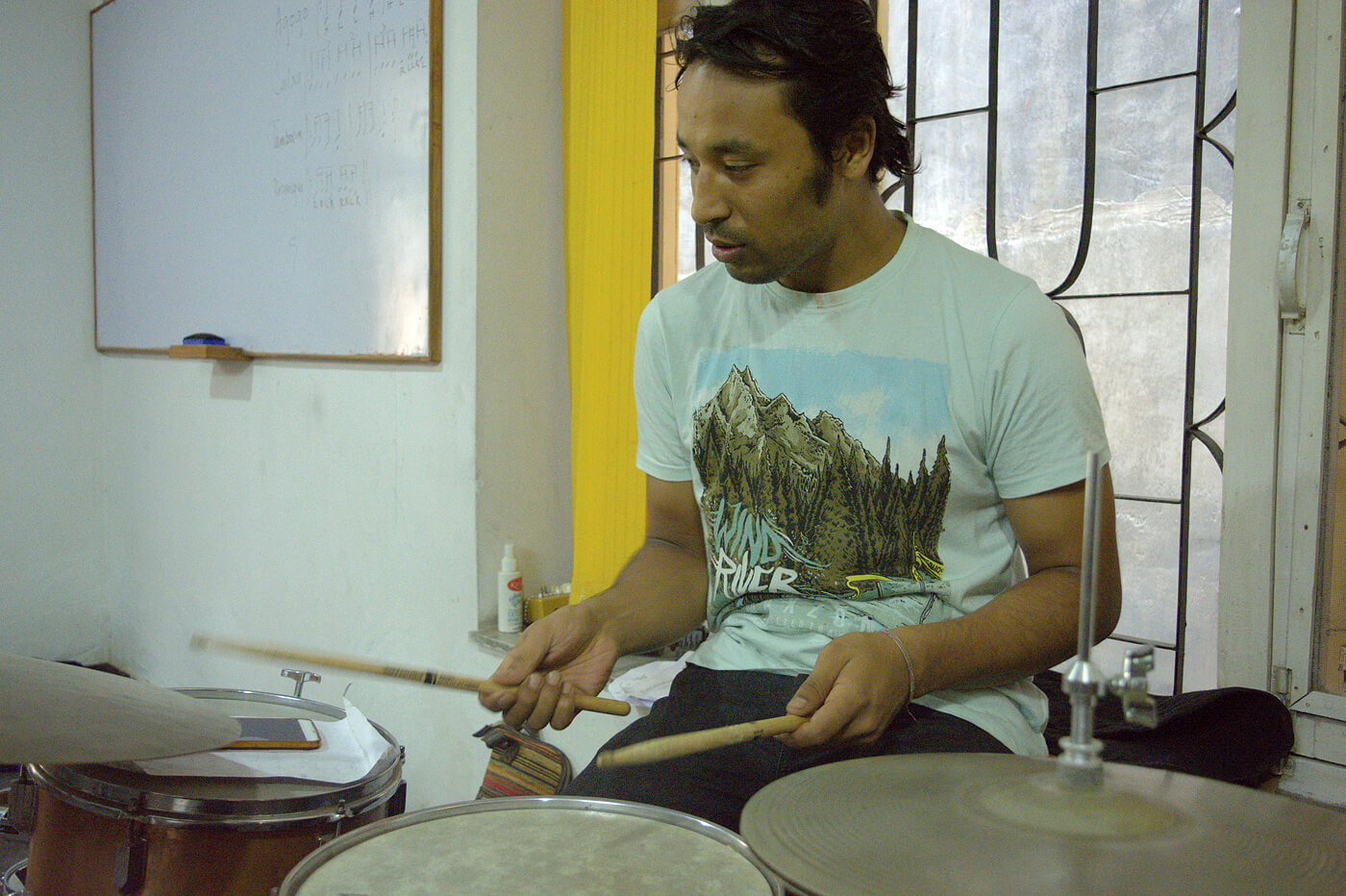
Abhaya Krishna Shrestha
Musician, composer and ethnomusicologist with expertise in processional drumming in Kathmandu Valley, Shrestha documents different Nepali drumming traditions, exploring ways to bring them into the academic realm and international contemporary music. His initiative to learn the Naykhibaja of Bhaktapur's Newar butcher community has raised its profile.
Performs: Dhimaybaja, Navabaja of Bhaktapur, Naykhibaja of butchers of Bhaktapur, and Dapha music.
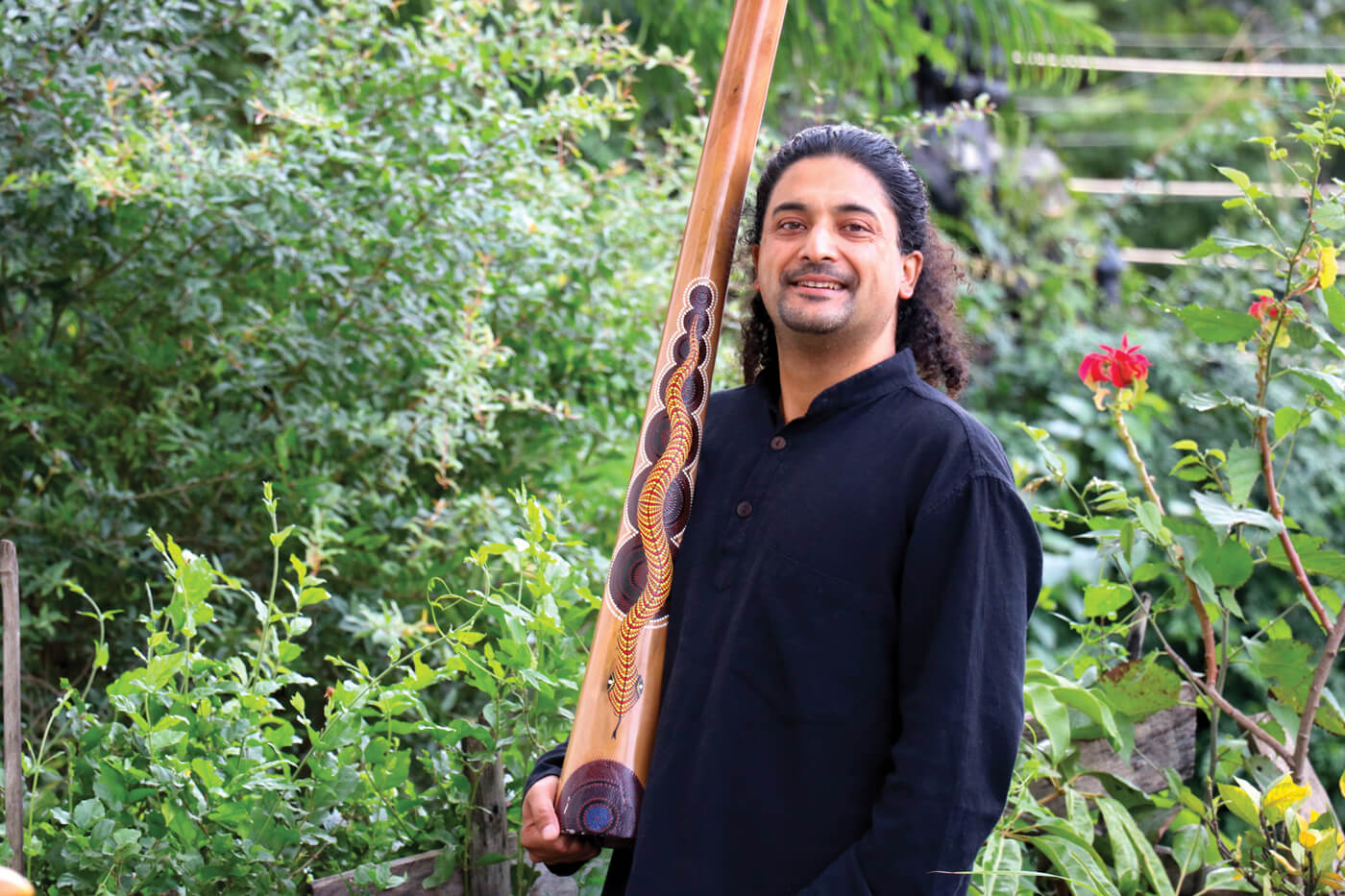
Salil Subedi
A pioneer didgeridoo player who has explored the ancient wind instrument’s potential beyond music, employing it in theatre, performance art, sound art, and social and public art for educational, social and cultural causes. His central theme is nature and spirituality.
Performs: unique styles of didgeridoo as a percussive and rhythmic instrument, revealing the versatile nature of the instrument and the performer.
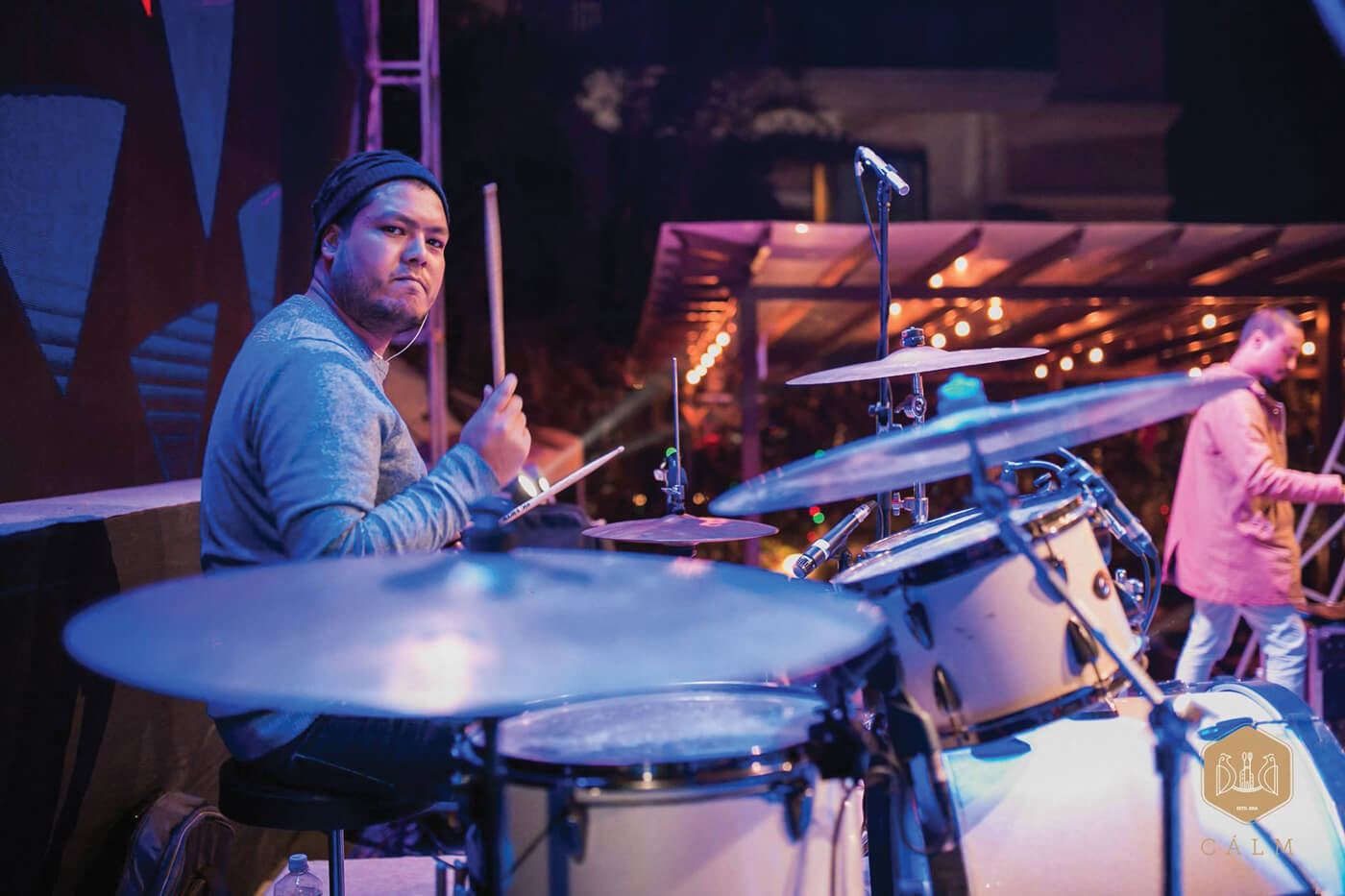
Kiran Sahi
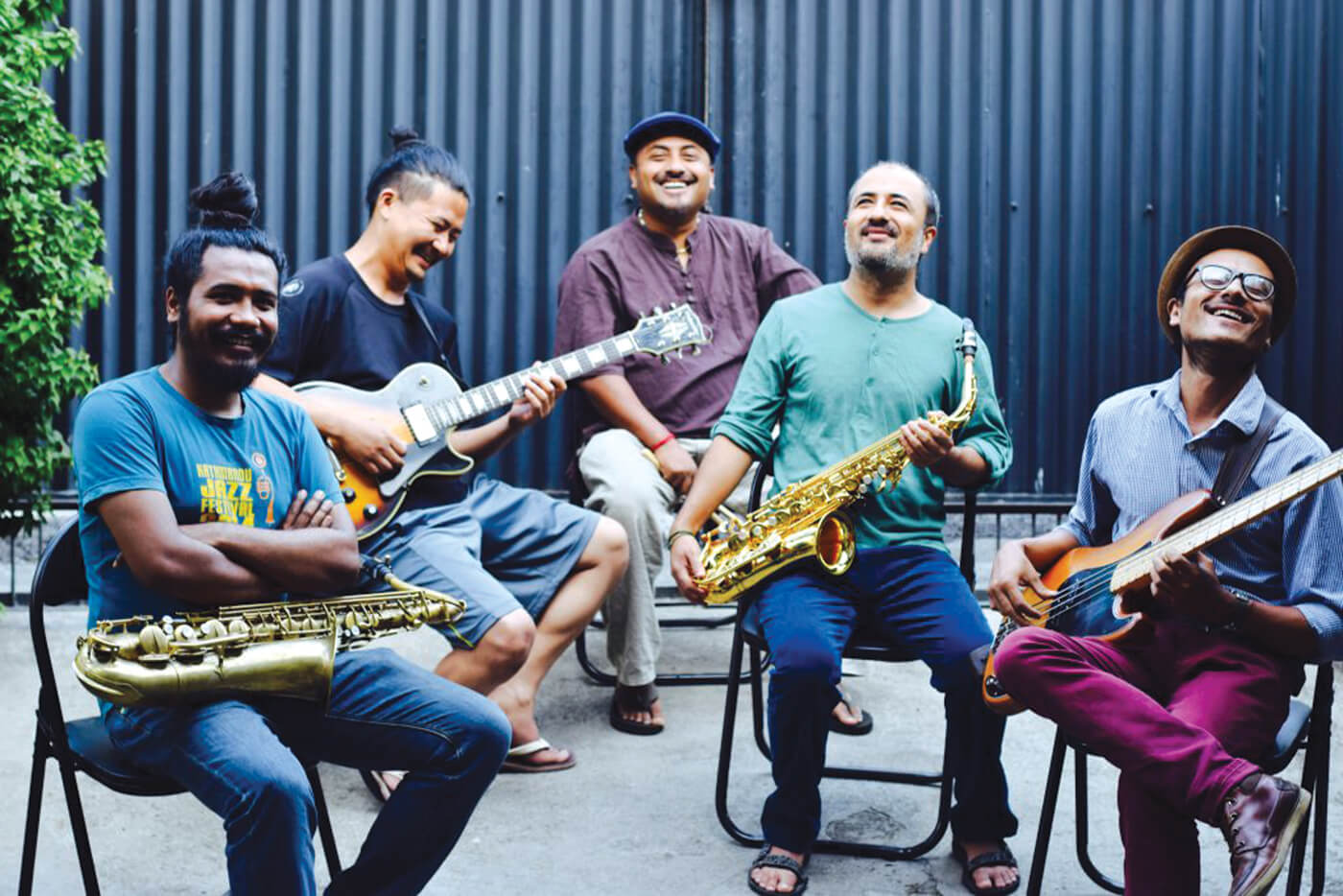
A drummer and percussionist with a long record of performance and teaching, Sahiis best known for playing with the Nepali progressive rock band Jindabaad and the jazz ensembles Le-piro Quintet and Mad Jazz Quintet.
Performs: Drums and other percussion instruments with a flavour of progressive rock and jazz.
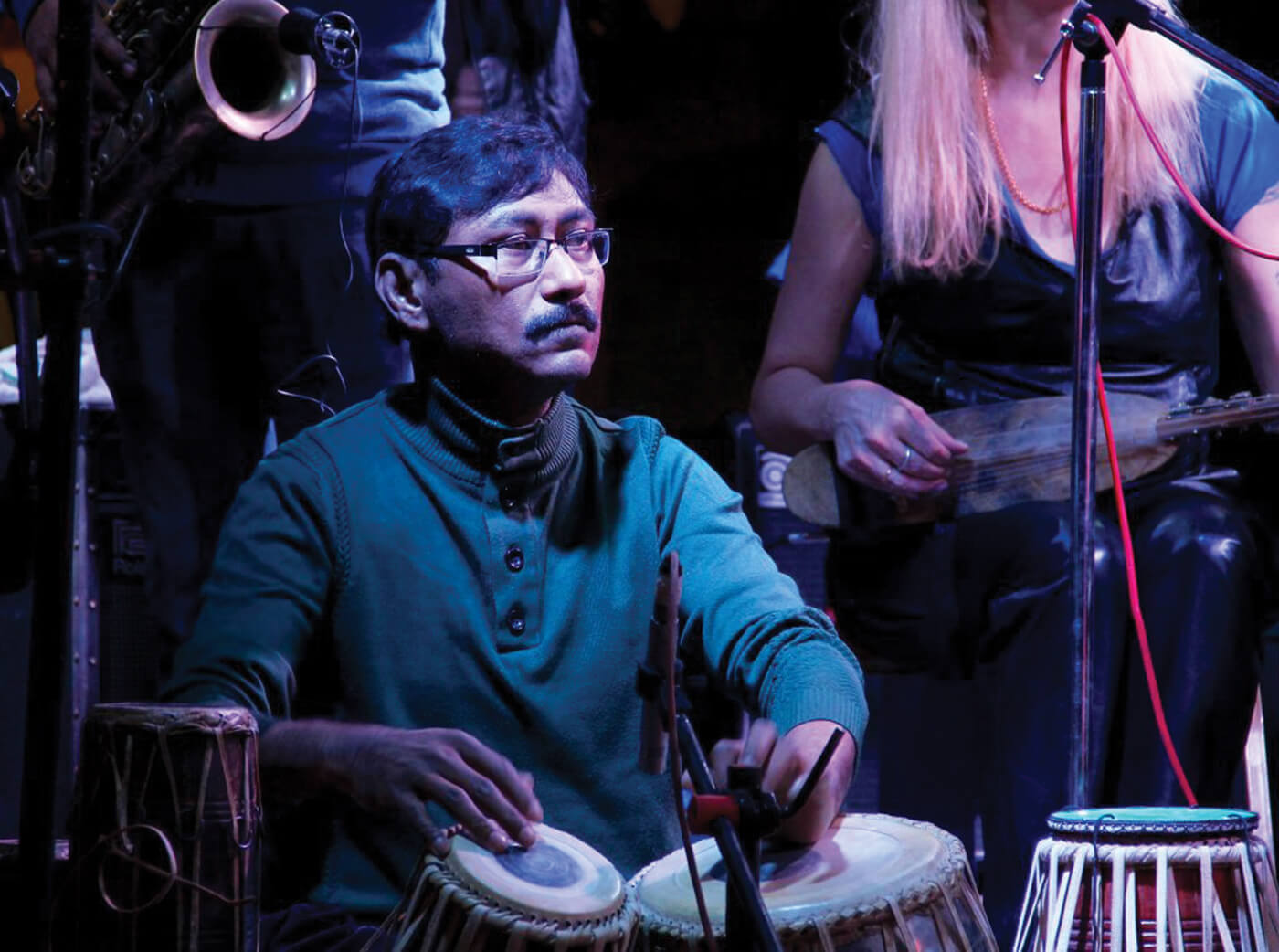
Rabin Lal Shrestha
A leading figure of classical music in Nepal, and one of the country’s most respected and renowned musical performers, recording artists and educators, Shrestha taught music in the royal palace for over two decades. He has lectured and headed a department at the Fine Arts Campus of Tribhuvan University.
Performs: Percussion instruments in classical style.
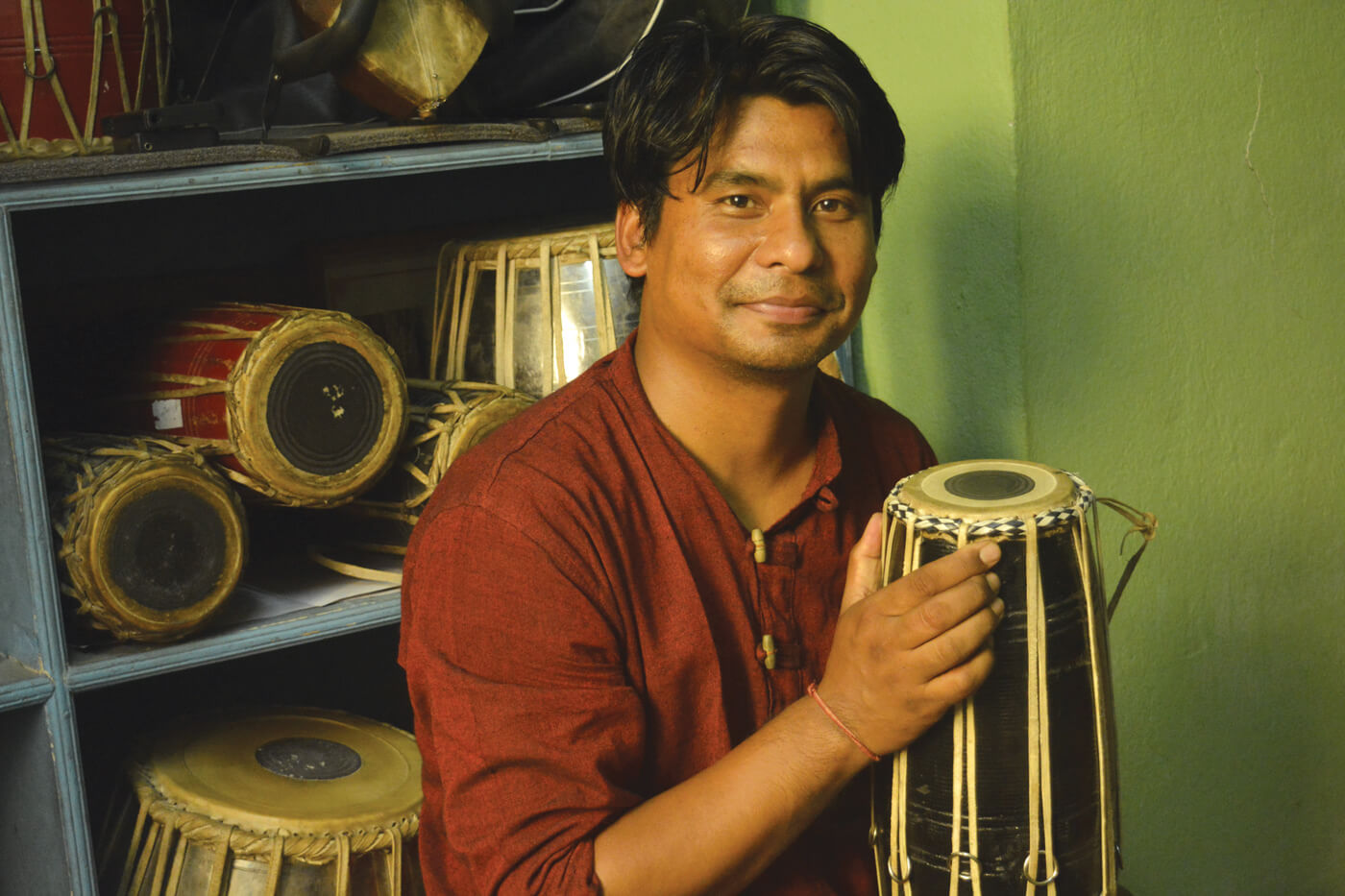
Naresh Prajapati
A percussionist specialising in Madal Tarang, Prajapati studied traditional Nepali percussion under the maestros Nuchhe Bhadur Dangol and Rabin Lal Shrestha, and his work appears on albums such as Pandit Hariprasad Chaurasia Live! in Nepal.
Performs: A wide range of traditional drums like madal, tabla, dholak, shimmy and khi.