
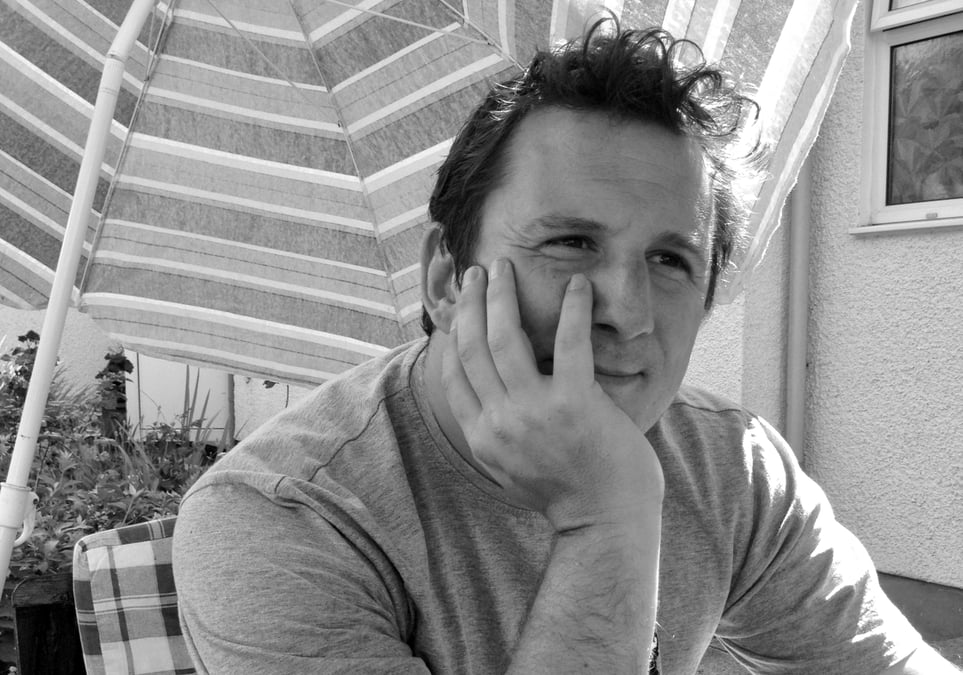
Duane Berian Clifford Jones, who worked for nearly 30 years in Nepal, died of cancer on 8 September at the age of 49.
A talented linguist, he was as dedicated to Nepal as to his native Wales. Partly inspired by the language politics of Wales, he raised his children speaking Nepali at home. He is remembered as a man of great integrity, who adored his family, and had an endless curiosity about people -- always observing, listening and trying to understand.
Born in England, because his parents “couldn’t get back to Wales in time”, his peripatetic childhood followed his father’s career to various English prep schools, and school holidays were spent with grandparents in West Wales.
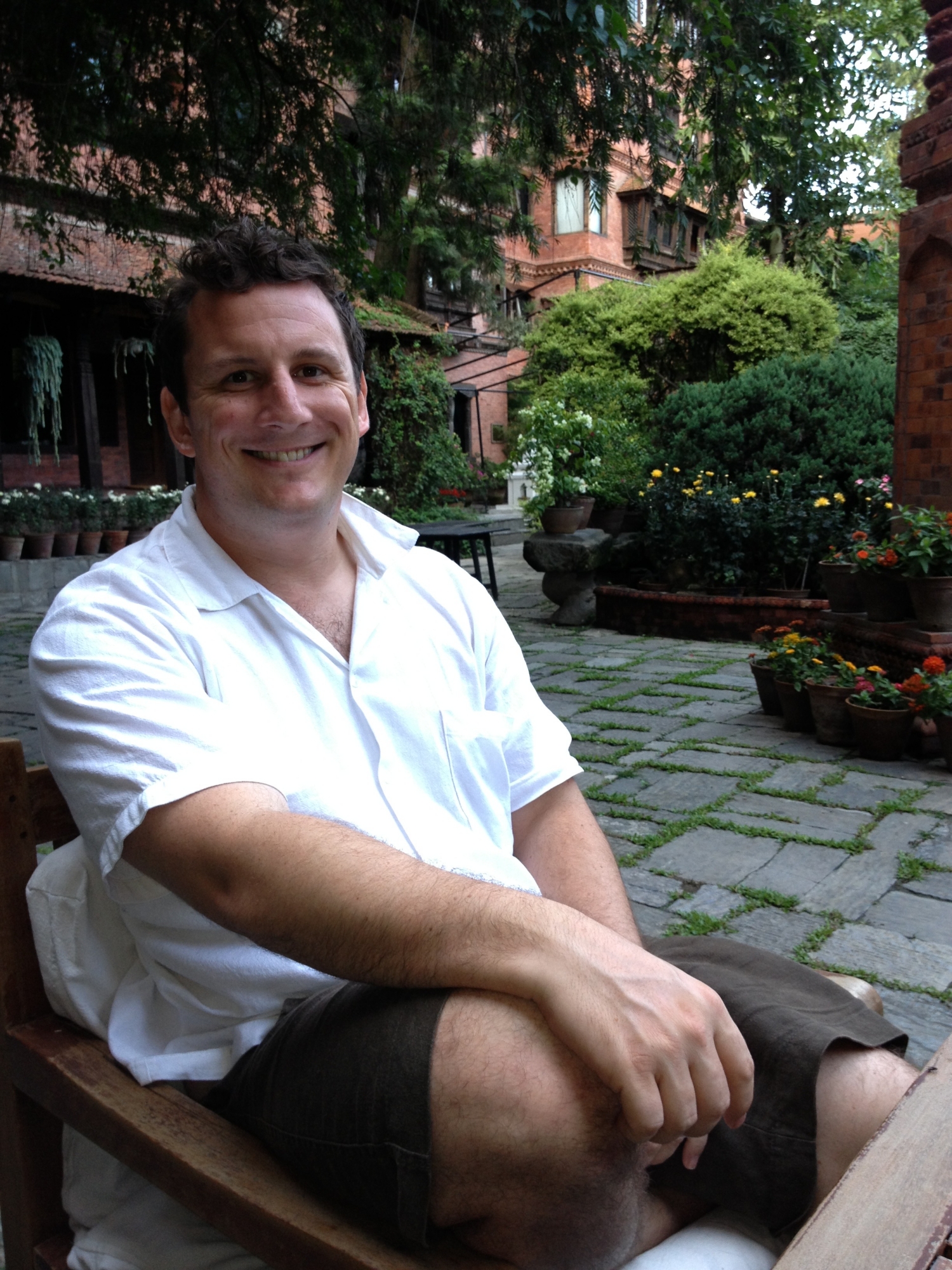
After completing school, a year teaching English in Pokhara caused him to change his university course from ancient history at Bristol to study at SOAS, in London, where he learnt Nepali.
Duane first worked as a translator for the International Committee of the Red Cross (ICRC) during a language immersion year at SOAS, visiting prisoners held by both parties to Nepal’s civil conflict to find whether they were treated in accordance with the Geneva Conventions.
The work involved a lot of walking, often in remote districts which had no roads at that time. The prisoners were mostly held by the police (in his early days the army had not yet joined the war). Especially later, they were also sometimes held by the Maoists, such as after the attack on Pashupatinagar (when the ICRC negotiated the release of prisoners), or after the attacks on Beni and Pili.
Duane met Selina Chan, who is from Sydney, on an ICRC training course in Colombo. She was working in Burma at the time, and he “pursued her across the world at enormous expense”. They married in 2006. The CDO who was at Beni signed Duane and Selina’s wedding certificate, as deputy CDO of Kathmandu. A son Gethin, and daughter Anwen, followed.
Duane joined UNMIN and worked as a political officer in the Madhes, where he had previously been posted by the ICRC. He saw the first Madhes Andolan up close in Birganj and Janakpur. By 2008, “disgusted” by what he saw as UNMIN’s attempts to extend its mandate, he resigned and the family moved to Sri Lanka, where Selina worked on post-tsunami reconstruction.
He later recalled that he was a “stay-at-home ex-pat dad” while a few hundred miles away “there was a genocide happening on a beach, of which I had no knowledge at all”.
In 2009 the family were back in Nepal where Duane became the Basic Operating Guidelines (BOGs) Officer, a position created to intermediate between Nepal’s international development partners and the numerous muscular political groups that were active at the time.
“Almost every single ethnic group had an agreement [with the government], or an army, or a militia,” he recalled. His job was to run around and meet them – for example mediating between the Chhetri Samaj and the UK’s Department for International Development (DFID), who he said had no idea how unpopular their identity-based development programs had become.
Daune maintained a wide network of regional political actors, including in the many Adivasi movements, and groups such as Akhanda Sudur Paschim and Chure Bhawar. Although he insisted that he “never did anything politically active in Nepal ever”, his own Welsh identity informed his private sympathy with the Adivasi movements, and his Nepali experiences influenced his support for Welsh independence.
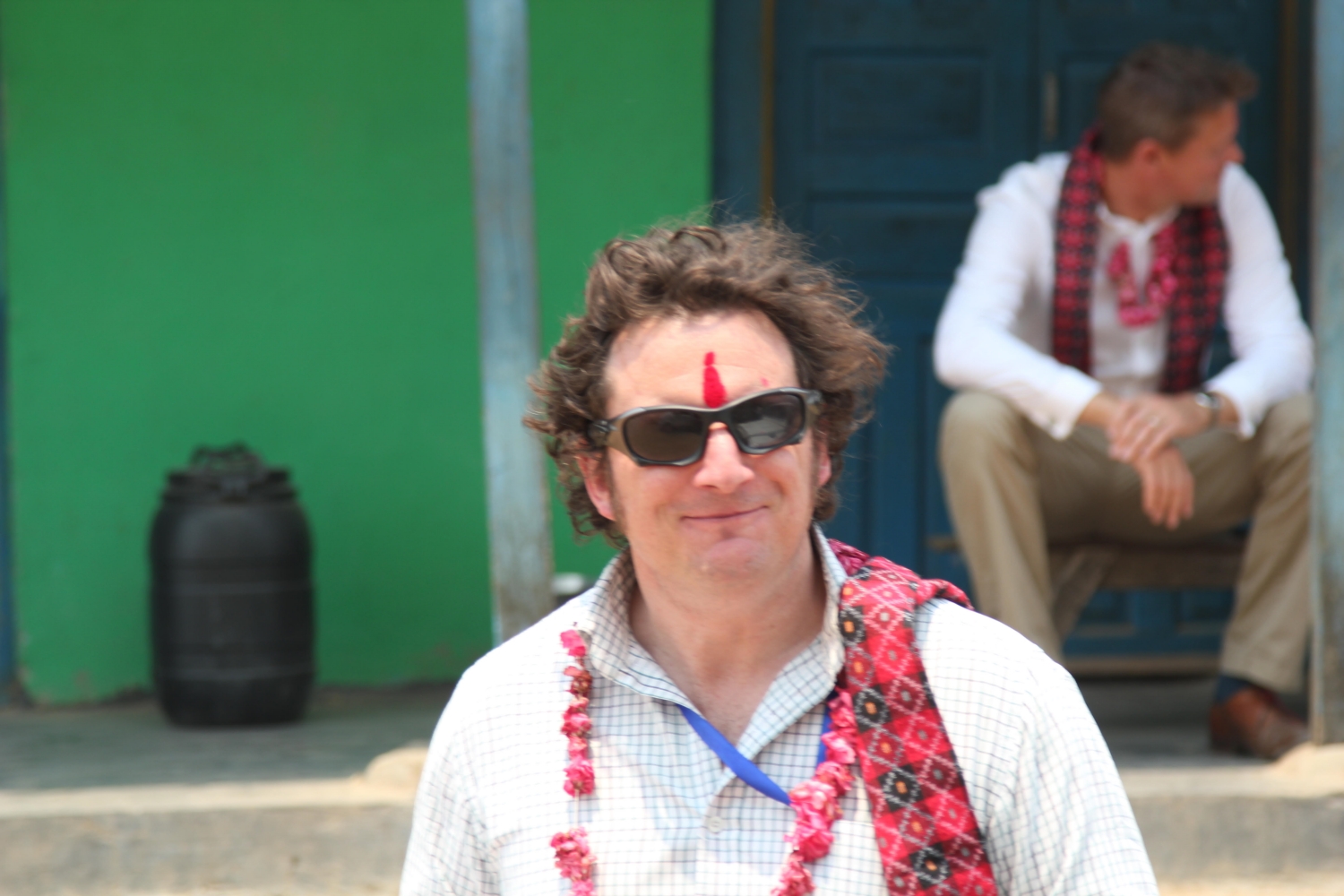
Of Duane’s four grandparents, three were Welsh speakers and his mother’s mother was Jewish, although he recalled that “we didn’t have any Jewishness in our lives until after she died”. Neither did he learn Welsh until later in life – a situation he compared to the way Newari has faded away in many middle-class families.
Besides English, elaborate Nepali, and Welsh, he could speak (among other languages) French, Urdu, Bengali, Tharu, Maithili, and some of Selina’s family’s original Cantonese.
In 2014 Selina’s work took the family to Bangladesh, where the opposition Bangladesh Nationalist Pary was organising a “massive hartal”, and Duane -- once again the expat stay-at-home dad -- watched politics with more detachment than he could in Nepal, “trying to dodge tear gas while taking the kids to school”.
Around the same period Duane travelled to Myanmar as a UN consultant, to look at setting up a genocide early warning system in Rakine State. The proposal was ultimately rejected, large scale atrocities against the Rohingya began shortly afterwards. He described his experiences there as “probably as traumatic as anything I have ever done, in terms of atrocities and what you could see coming.”
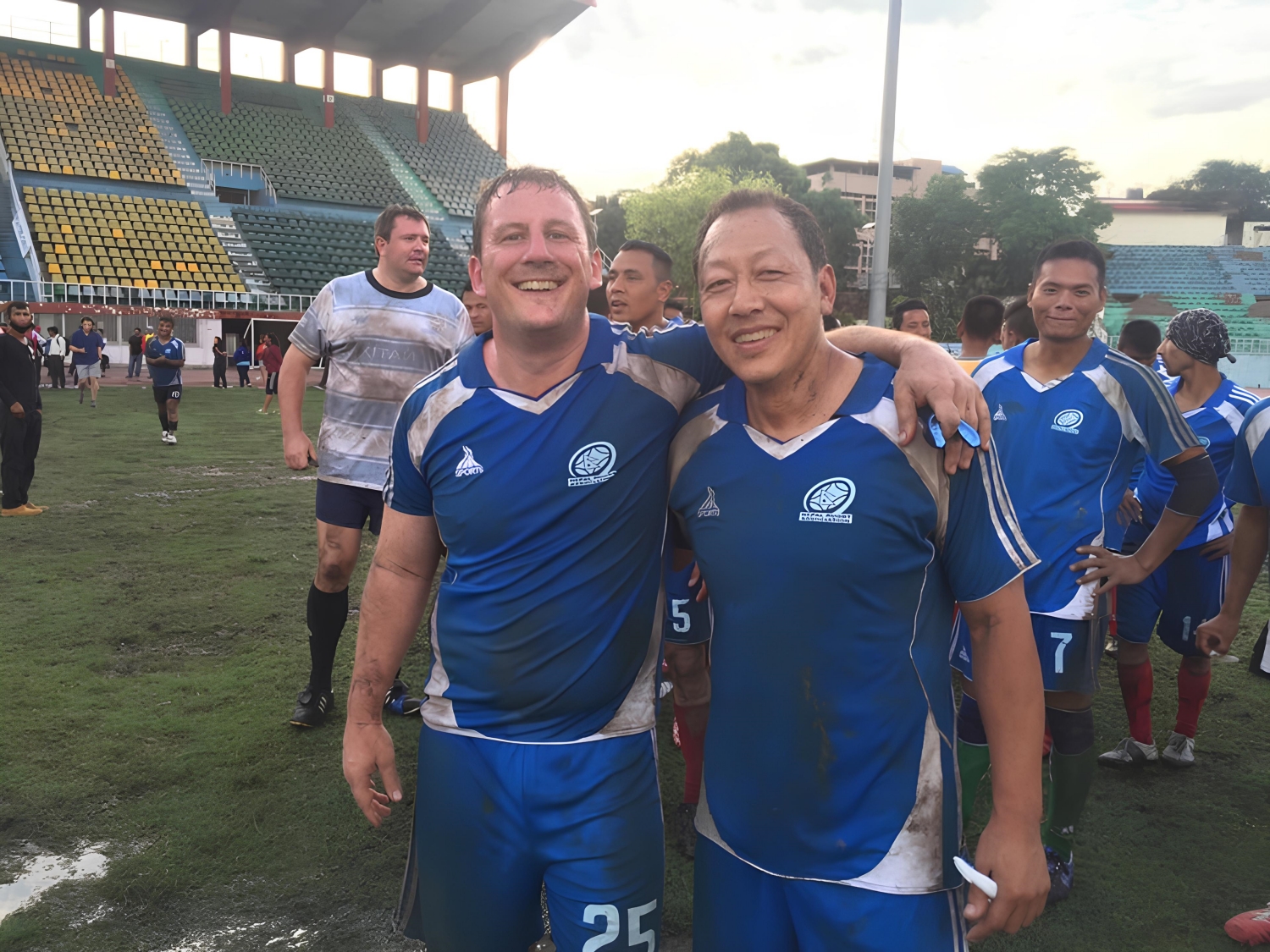
Returning to Nepal, Duane worked on the UK’s earthquake response in Rasuwa, Dhading, Gorkha, and Lamjung. For several years he ran DFID’s risk management office. During this time he “had the honour” of playing rugby for Nepal in what may have been Nepal’s first rugby international, against a Hong Kong team. The Nepal team (mostly members of the army) lost 20-10, but it was nevertheless a proud moment.
Duane faced his terminal diagnosis with dignity, courage and remarkable emotional restraint. He is survived by Selina, Gethin, and Anwen. A Celebration of Life will be held in Cardiff on 9 October. He will be buried in the British cemetery in Kathmandu on 19 December, followed by a wake at the Sterling Club at the British Embassy.