E-governance in Nepal was supposed to make the state more efficient and reduce corruption. But going digital has meant that things are harder to get done, and slower. And it has not stopped corruption.
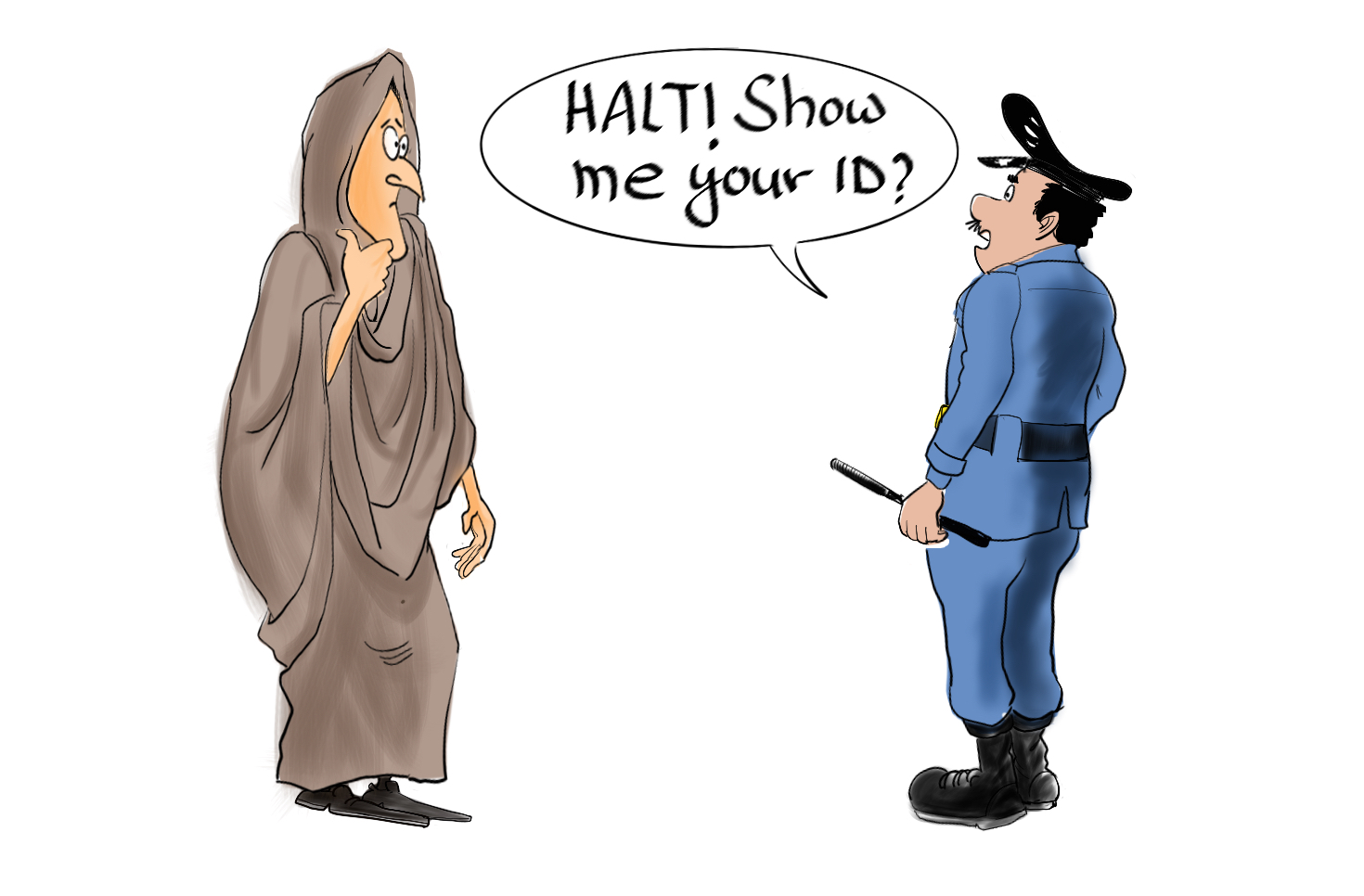
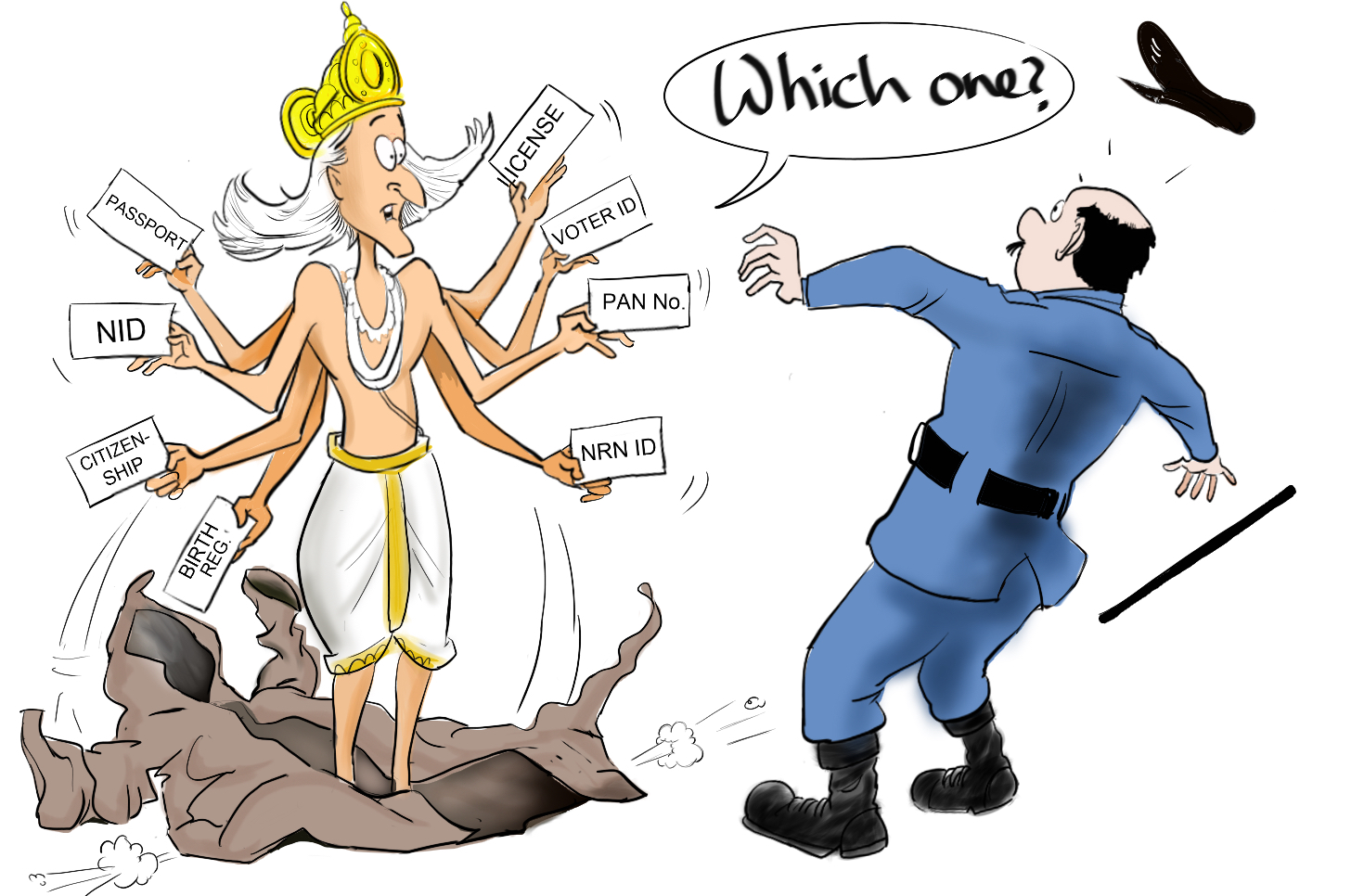
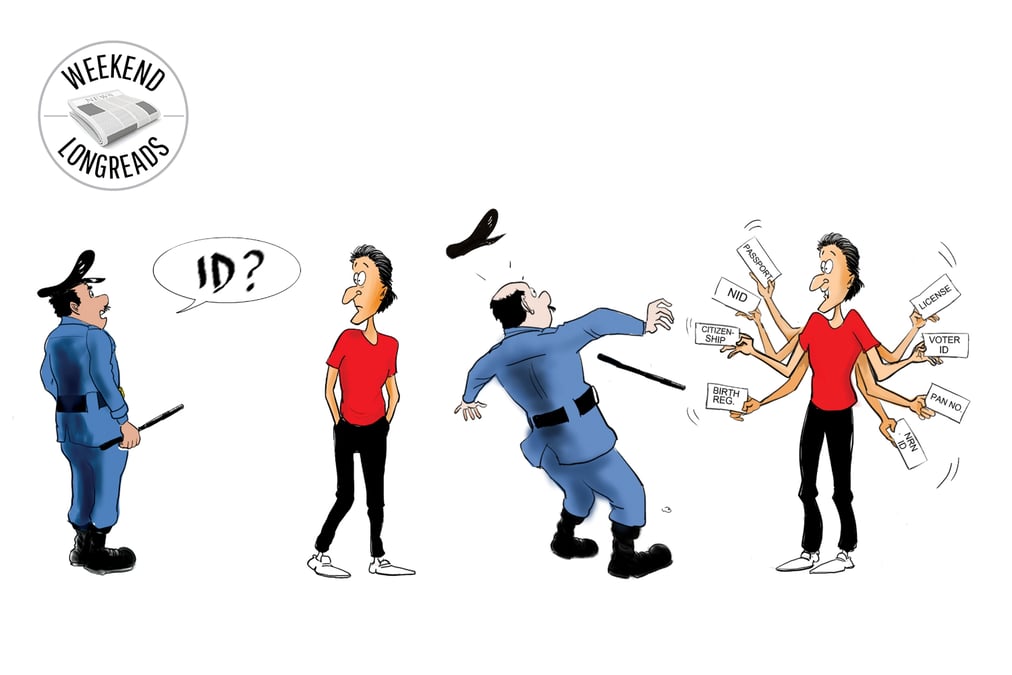
Whether it has to do with biometrics for a new national ID, renew a driving license, obtain a passport, or get property registered, citizens have to shuttle between windows to get work done.
At each stop they are told a different story of the set of documents needed. When they finally have all the papers, there is still a five month wait, although printing and programming a card should really take five minutes.
There is a classic Soviet-era joke in which a Russian goes to buy a car and gets a delivery date for ten years in the future. He asks for an afternoon slot because he’s got the plumber coming in the morning.
The whole ordeal is annoying, exhausting, and humiliating. It is also redundant, and does not save any paperwork. A passport should work as citizenship and National ID. There are four different types of private vehicle license plates on the roads, and all are valid.
E-government is inevitable because the digital divide is narrowing around the world. But Nepal’s bureaucracy seems to not want to let go of finger prints on lokta paper even though the biometric system is available.
All this inconvenience is one reason young Nepalis cite for leaving the country. They want to go to a place where they do not have to pay a middleman to get a driving license, and then wait two years for the card to arrive.
Ironically, Nepal’s private sector has almost completely switched to digital payments, online shopping, and ride shares. There are 700 Nepali tech companies that code healthcare software, design AI applications, animation, video games for clients abroad. Last year alone, the country earned $900 million exporting digital products.
It is not that the government is not trying to change things. A recent ordinance allows Nepali companies to have offices and invest abroad. BS 2080-89 has been declared an ‘IT Decade’.
“Although great policies are made, the government does not release funds needed to implement them,” says IT expert and former police DIG Rajib Subba.
“When you break down the score Nepal has received on the UN EDGI metric, most are because of policy. As we go digital, there need to be laws to define cybercrime.”
E-governance specialist Nagesh Badu thinks policy is vital. When local governments are approached about cross-sharing data, they ask for the policy where it says they must comply.
Cross-sharing data is the main point of e-governance. What citizens are giving up in privacy they should expect to get back at least in convenience. It makes no sense to have to give out biometrics and still having to put thumb prints on paper.
“Many e-services are simply used for reporting purposes,” Badu says. “If you have a five-column table you can’t even create a sixth that gets you averages.”
Separate systems for health and education may have records of the same child with no way to cross-reference them. Data is reported, but not used to support decision-making.
“The big problem is that these systems don’t talk to each other,” says Buda. Subba agrees: “Good e-governance relies on official organisations working together, to link data and get things done.”
One reason it is not working is that these systems were made long ago, and without considering that collected data may have several users in various agencies.
Another reason government offices resist digitisation is that data transparency will reveal corruption. Even non-corrupt officials may fear how access to data might affect their jobs. Officials may use the excuse that a server is down, or that a software does not work, to avoid adopting new systems.
One way to solve the problem is a start-from-scratch approach. The government recently released a 'Formation Order Amendment' for an e-governance commission. Part of it is to build a Data Exchange Platform, that would in theory link these different bases of information.
Another complaint about e-government is in using online forms. When filling out a form to renew a license, for example, it is near impossible to fill it out at home. The assumption is that form-filling middlemen outside the offices have people on the inside who ensure that the form websites only work on their devices or networks.
“It can also simply be because these are ancient systems that were not designed for the scale they currently face,” says Badu.
It is assumed in systems engineering that systems have about a 13-year life span. Ten years to become obsolete, and three to make the needed changes. So instead of malice, it may just be that the systems were not maintained over time and hence need an upgrade.
Another factor slowing down e-governance is that policy-makers and bureaucrats do not know about tech, and have no concept of how a system works, or what it takes to maintain and improve.
At the top are political and administrative careerists, instead of people with technical knowledge and work experience. This means IT projects are now seeing large levels of corruption, which causes policy-makers shy away from moving any digitisation initiatives forward.