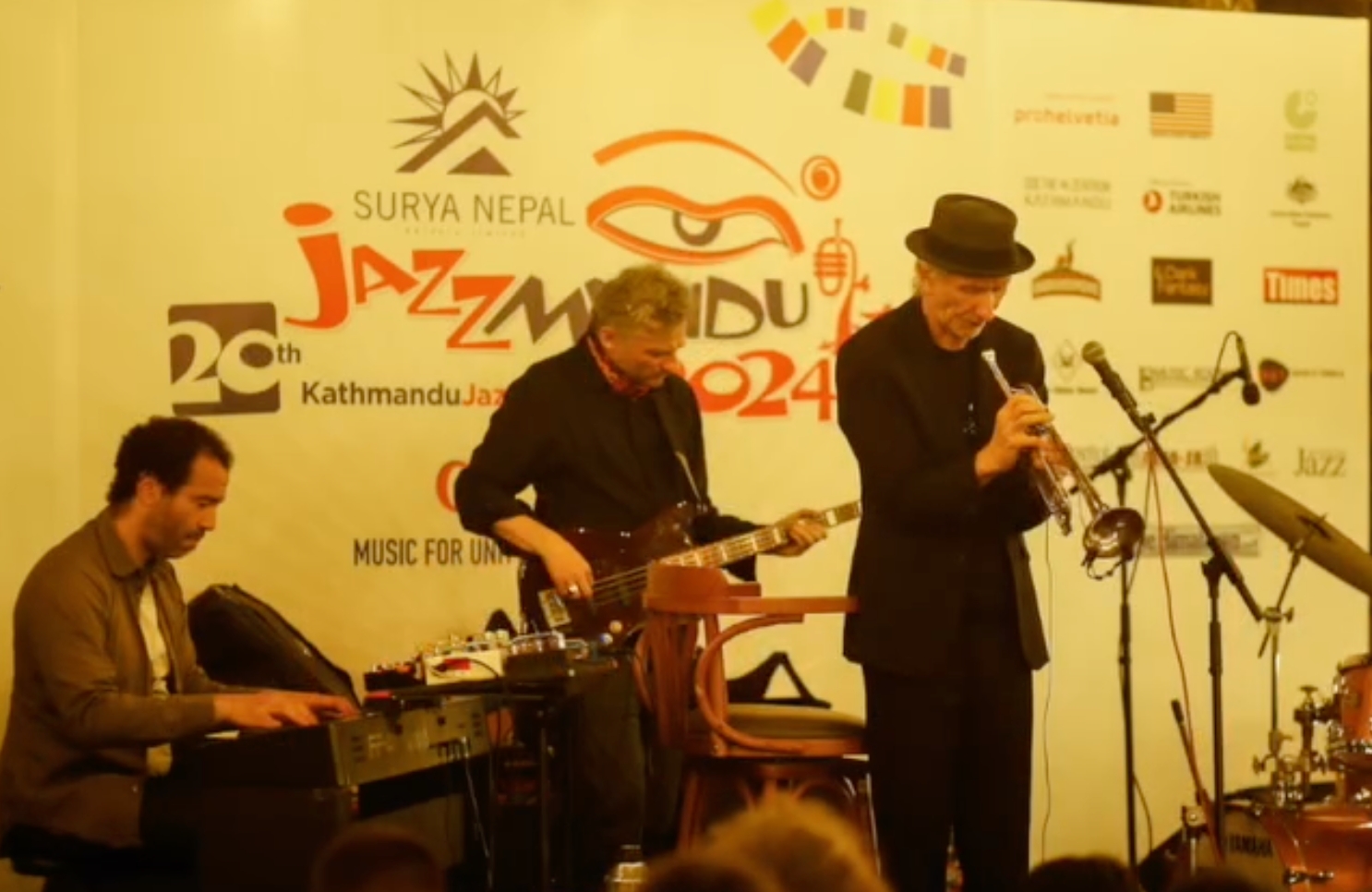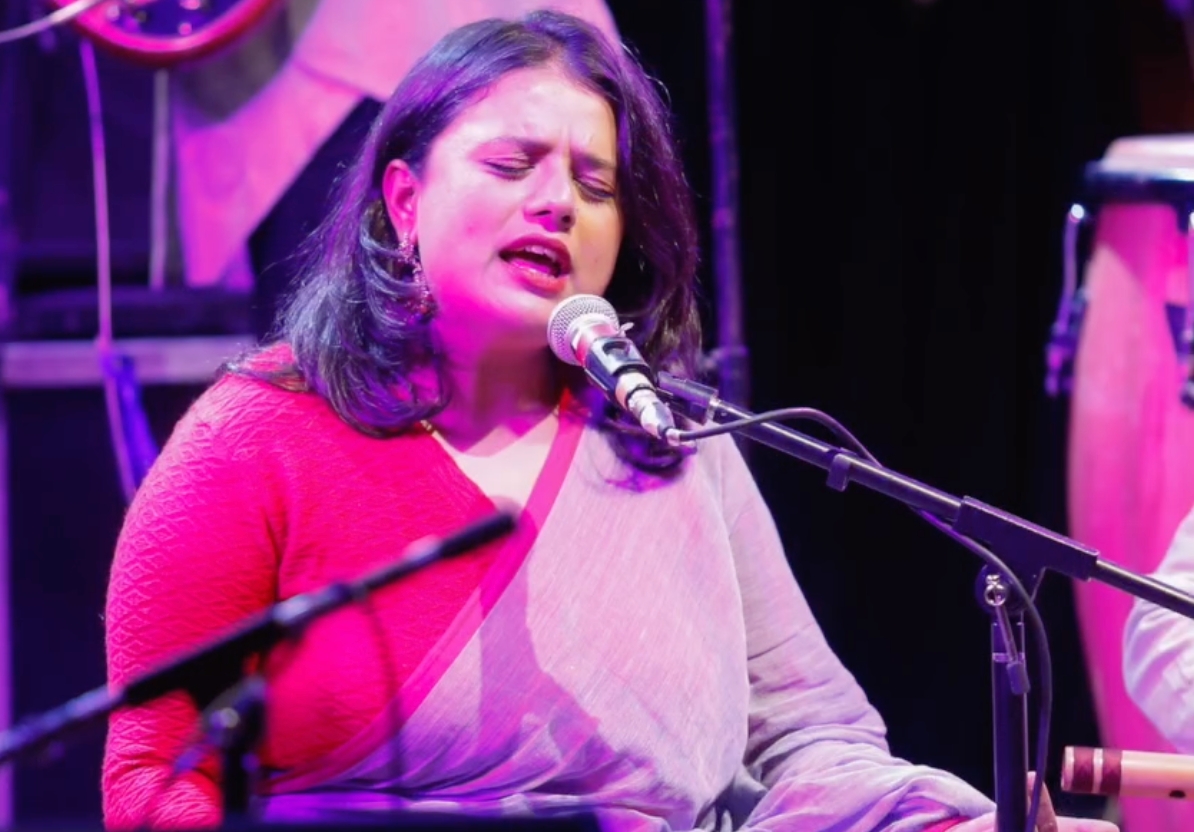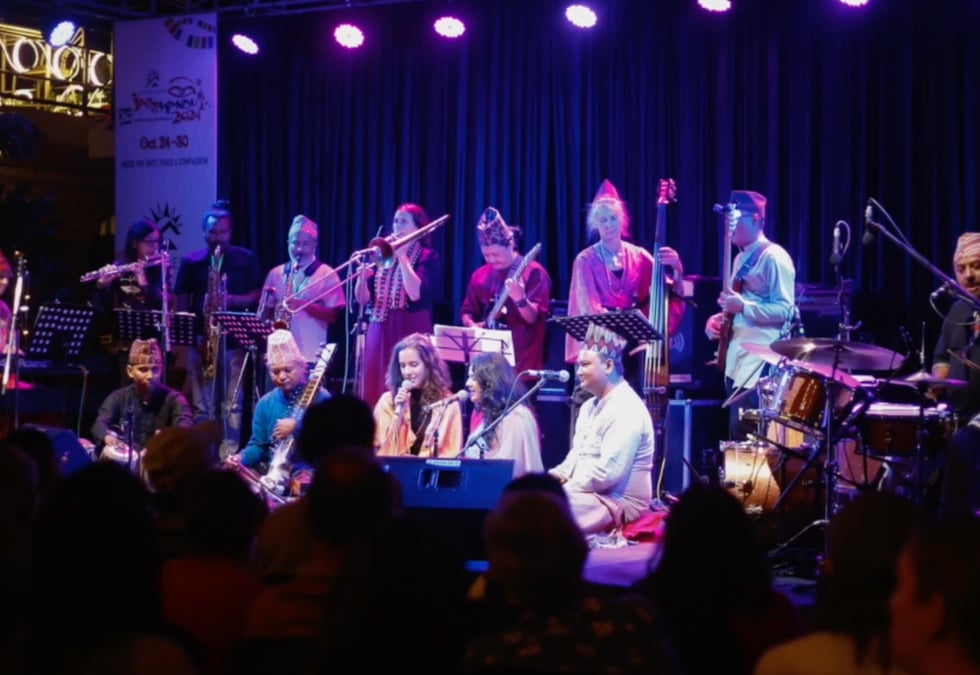
Heads swinging in the air. Shoulders jiggling. Hands and feet taping in time with the rhythm. People humming along. This was a common sight throughout this week’s Surya Nepal Jazzmandu.
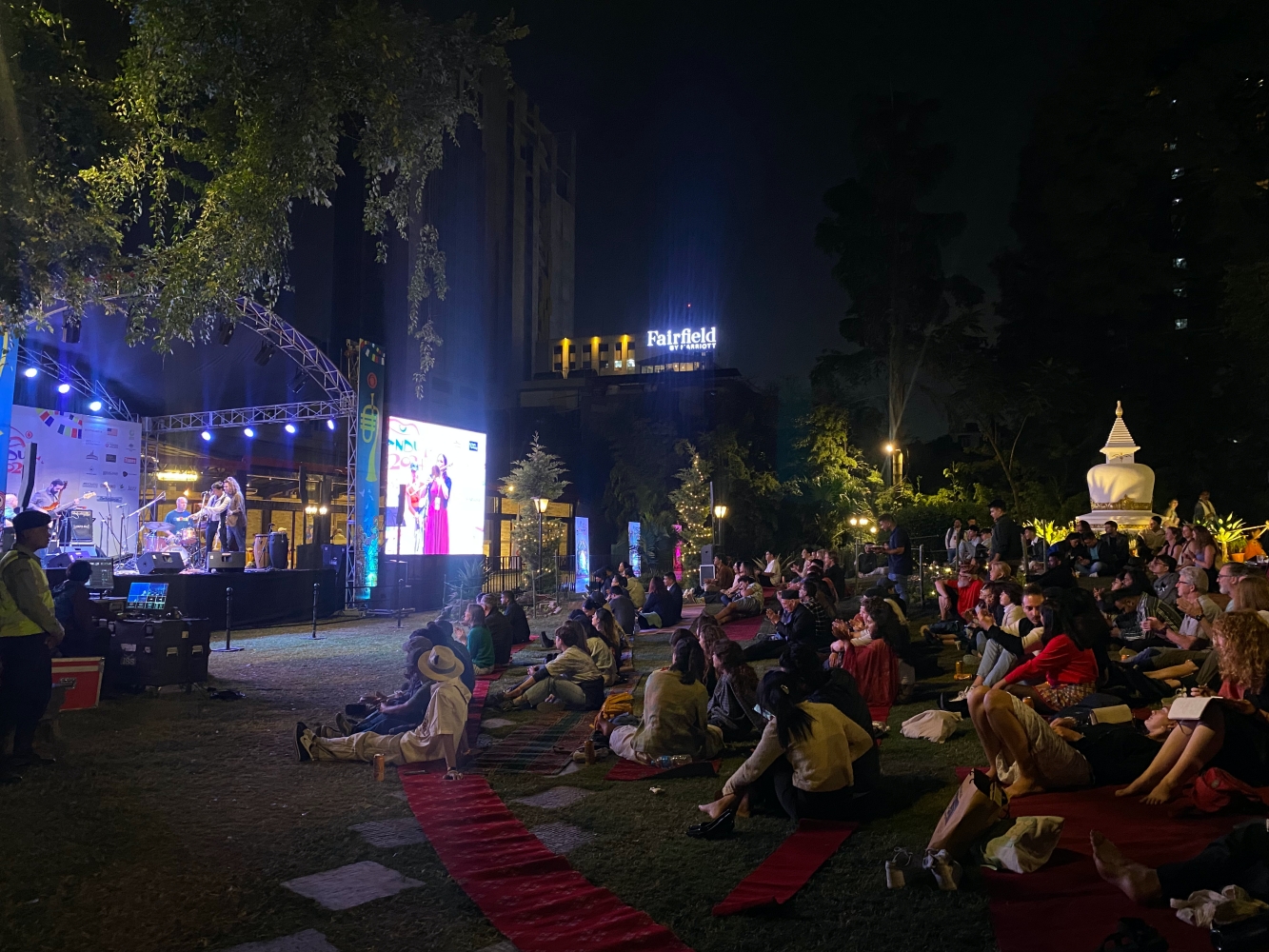
The guitar, drums, piano, flute, sarangi (even tapping feet) and other musical instruments fused on stage every evening, producing soulful melodies to keep the audience warm through Kathmandu’s autumn chill.
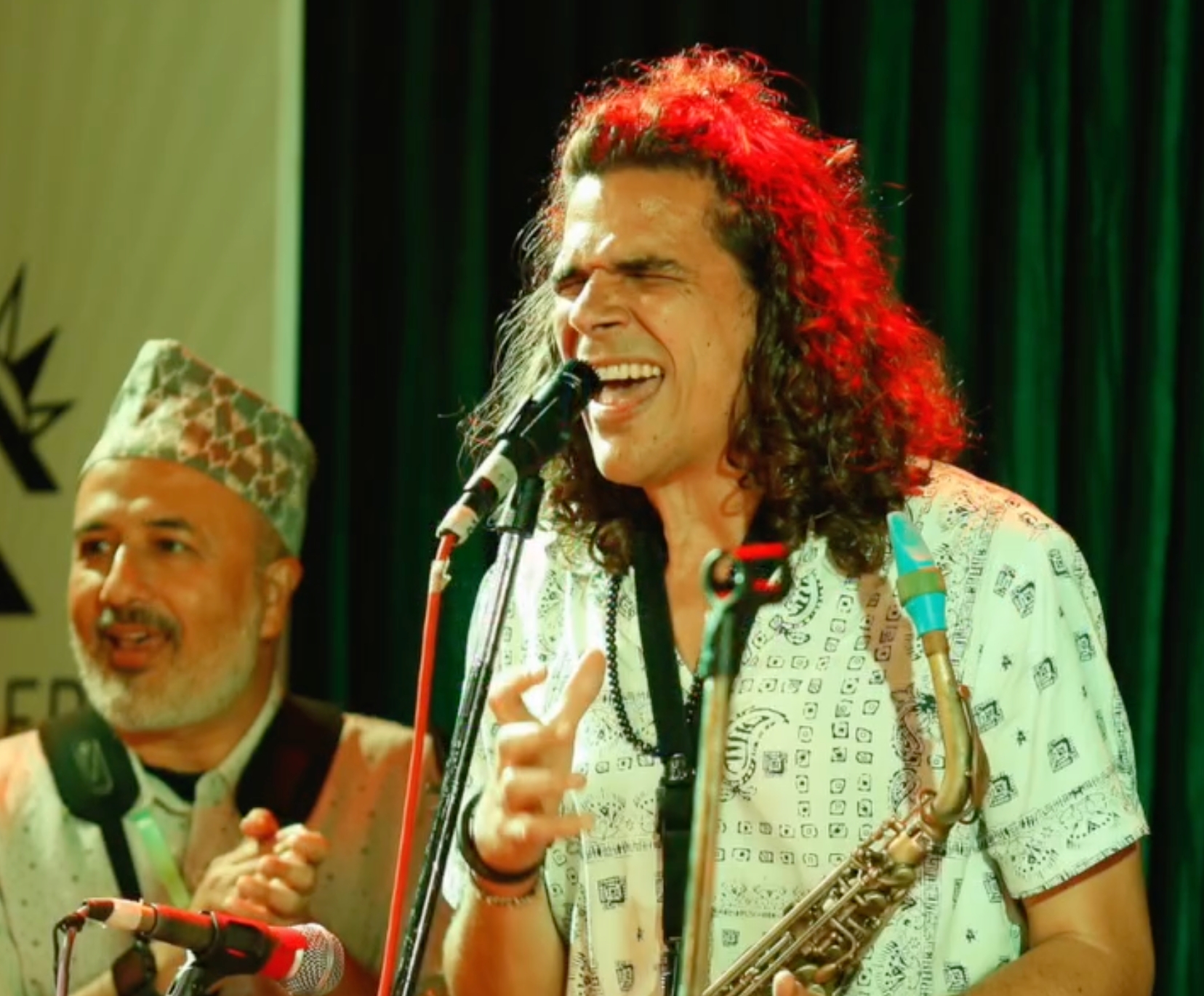
This was the 20th edition of the jazz festival which started on 24 October featuring international and national artists including the likes of Swiss-French trumpeter Erik Trufazz, Aussie Owen James Newcomb, jazz saxophonist, flamenco singer and composer Antonio Lizana, our very own Cadenza Collective and artists from the Dhrupad Gurukul in Kathmandu.
“I really like it here in Nepal, people are friendly, there is virtually no road rage,” Erik Trufazz told nepali Times during one of the parties ahead of their performances. “I have known about Jazzmandu for a while, my sound technician has been with the festival for a quite some time but only this year did everything align for me to be here too. The audience has been warm and receptive.”
The annual event (except for the Covid years) first started in 2002 at the height of the Maoist insurgency with the intention of uniting people through music and simultaneously prioritising cultural interaction, music education and promoting tourism in Nepal.
“The first edition was rather easy. Everything fell into place. It was as if destiny was leading the way,” says Navin Chettri, one of the founding members of Surya Nepal Jazzmandu who is also the vocalist and drummer of Nepali folk Jazz band Cadenza Collective. “What is harder is to maintain the legacy.”
The jazz scene is ever-evolving and so is the festival but in the recent editions, it is clear that cultural interaction has been more prominent with the collaboration that have taken place between national and international artists.
“Jazzmandu has stayed true to the essence of what it was,” says Owen James Newcomb of Australian Jazz band Afro Dizzi Act who was here for the first edition in 2002 and was back this year.
Nick Aggs of the same band has been performing in Jazzmandu for the past six years, and agrees: “Kathmandu has become a fertile land for music to flourish. The cross-pollination of music that is happening here says it all.”
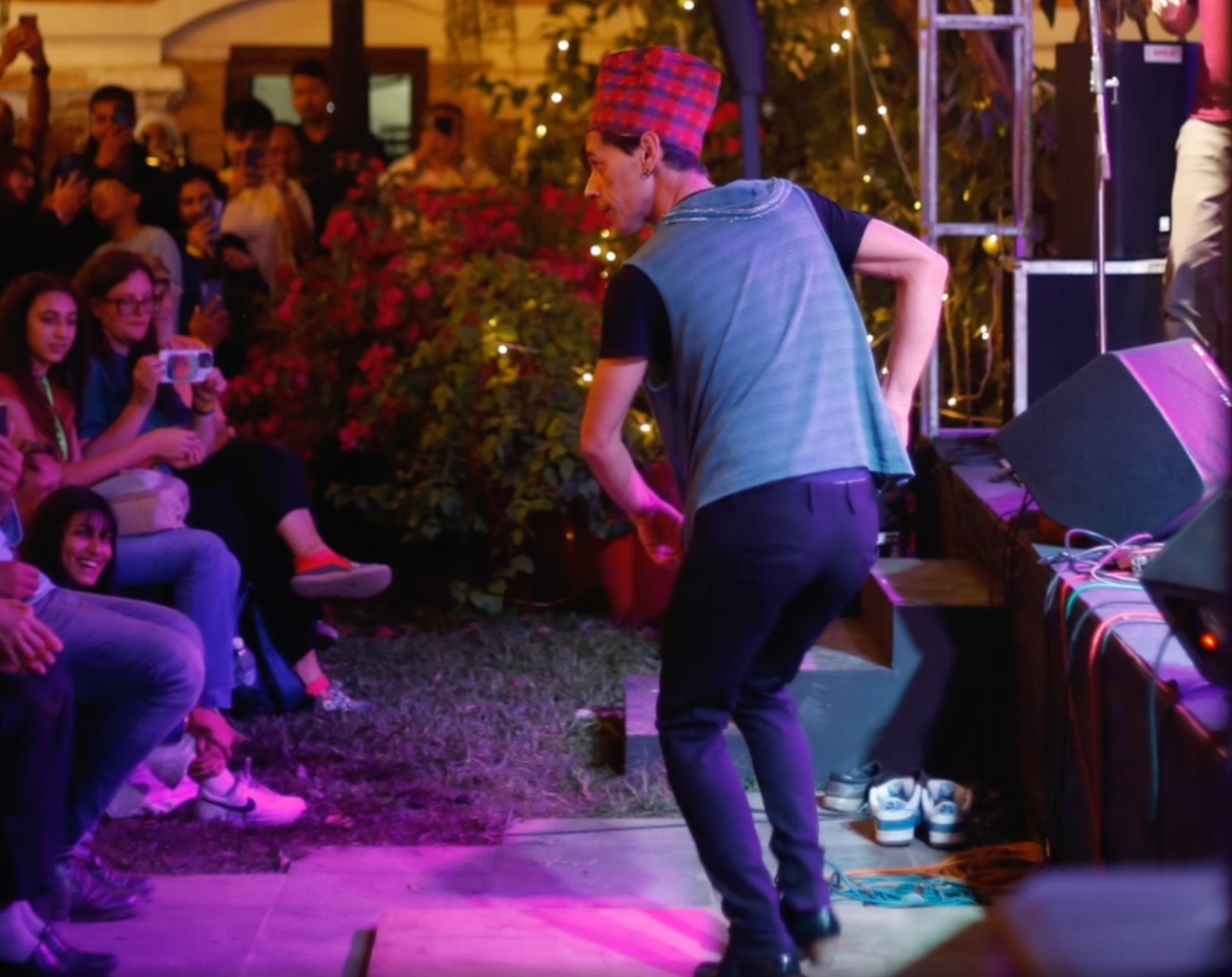
Jazz has often been credited for embracing culture and diversity, and is known for collaborating with different genres of music. Here in Kathmandu, the festival has taken a step further to blend jazz with eastern music genres. For example this year a Spanish flamenco performer tap dances to the beat of classical Nepali tabla.
“We’ve been performing jazz all over the world and the perception of jazz can be sectioned. The open mindedness people here in Kathmandu when it comes to jazz is the most exciting,” said Shannon Sol Carroll of Afro Dizzi Act speaking to Nepali Times before their finale at the Malla Hotel on Wednesday.
The demographic of the audience is also changing. While expats and tourists still make up the majority of the audience, younger Nepalis are now a significant presence. There are others like Zoe Meister, 20, who is in Kathmandu as part of her exchange programme. The first experience has already left her wanting for more.